Mulled Wine in Winter: Easy Ways to Keep It Hot Outdoors
Winter gatherings call for warm drinks, and nothing beats mulled wine steaming in the cold air. The trick to keeping mulled hot wine at the perfect temperature outdoors? Portable power stations run your heating gear. Whether you're in your backyard, at a campsite, or tailgating at a ski resort, this setup keeps your mulled wine recipe hot for hours while powering lights and speakers too.
Why Does Mulled Hot Wine Lose Heat So Fast Outdoors?
Keeping drinks hot outside in winter isn't as simple as it sounds, especially when temperatures drop below freezing.
Fast Heat Loss in Freezing Weather
Physics works against you in cold weather. When the air temperature hits around 20°F (about -7°C), your mulled wine can drop from the ideal about 160°F to lukewarm in under 20 minutes. Cold wind makes it worse. A light-to-moderate breeze can significantly speed your heat loss. Metal pots conduct cold fast, and even insulated containers struggle when the mercury really drops.
Perfect Serving Temperature
Mulled wine tastes best between 140-160°F (60-71°C). Go hotter, and you cook off the alcohol and ruin the flavor. Let it cool below 130°F, and it loses that warming kick. This narrow window is tough to maintain when you're dealing with winter weather, people serving themselves, and constantly opening your container.
Problems with Traditional Methods
Campfires seem romantic, but they're a pain. Flames are hard to control—your mulled wine either boils over or goes cold. You can't walk away safely. Thermos bottles work for an hour, maybe two, but then you're stuck with tepid wine. Candle warmers are useless outdoors once the temperature really drops.
Why Continuous Heating Matters
For gatherings lasting 2-4 hours, you need active heating that maintains a steady temperature. This is especially true at ski resorts where you're parked for the day, camping trips that run into the evening, or backyard parties that last past sunset. Continuous heating is the only real solution.
How Do Power Stations Keep Mulled Wine Hot?
Portable power stations changed the game for outdoor cooking and entertaining. They're basically big batteries that can run regular household appliances.
Power Station Basics
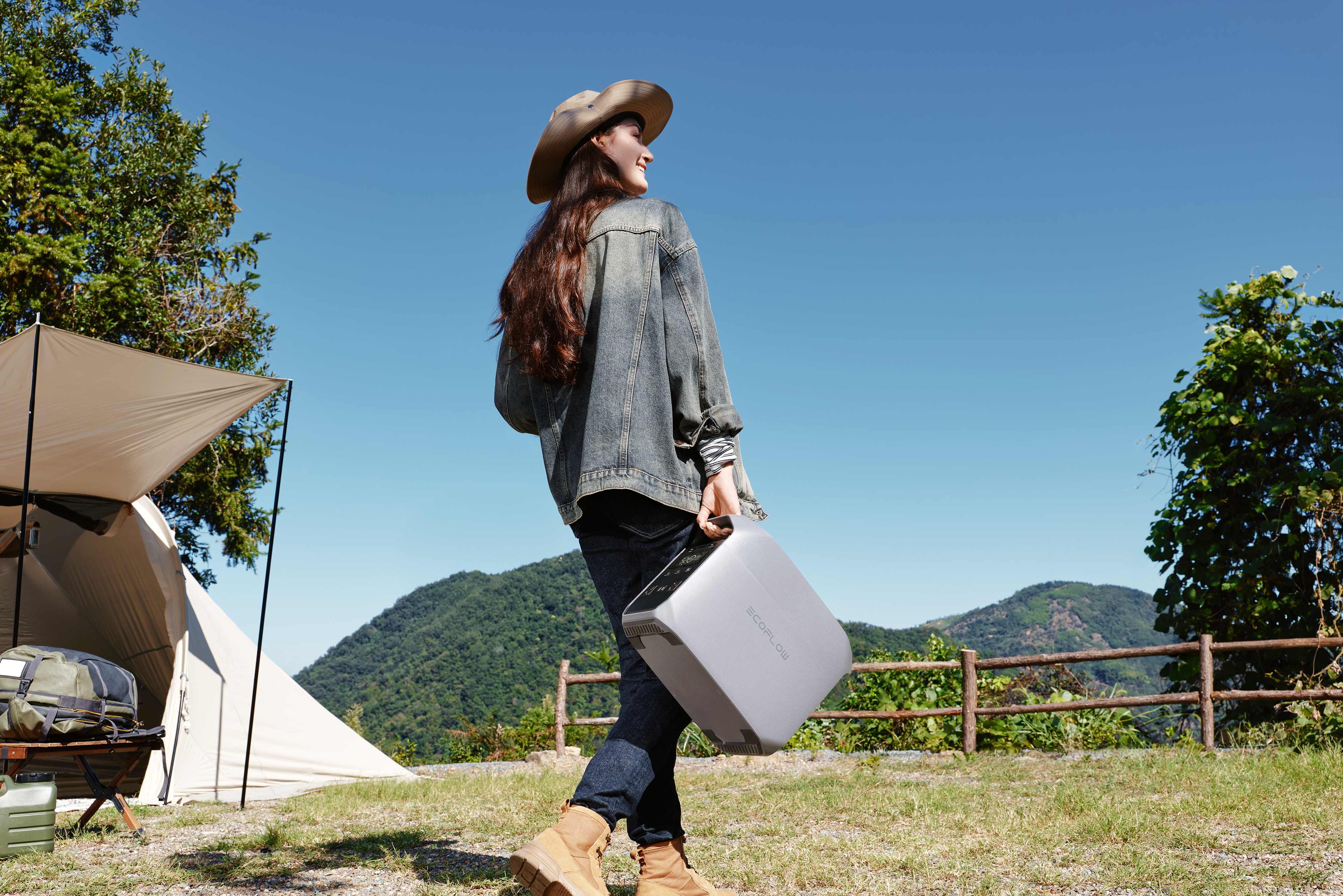
Modern power stations store energy in lithium batteries and output standard 110V AC power—same as your wall outlet. Sizes range from 300Wh (watt-hours) for small units up to 2000Wh+ for serious models. They're quiet, produce no fumes, and work in any weather. Unlike generators, you can use them right next to where you're sitting.
Heating Device Power Needs
Here's what your heating options draw:
Slow cooker (low setting): 70-150W
Electric kettle: 1000-1500W
Induction cooktop (low-medium): 200-600W
A 1000Wh power station running a 100W slow cooker gives you roughly 8-10 hours of runtime. Bump that to a 300W induction cooker, and you get about 3 hours—perfect for most gatherings.
How Long Do They Last in Winter
Cold weather does affect battery performance. Lithium batteries lose about 10-20% capacity at 32°F compared to room temperature. Keep your power station inside your car, or wrap it in a blanket until you need it. Once it's running and generating heat from the load, it maintains the temperature better.
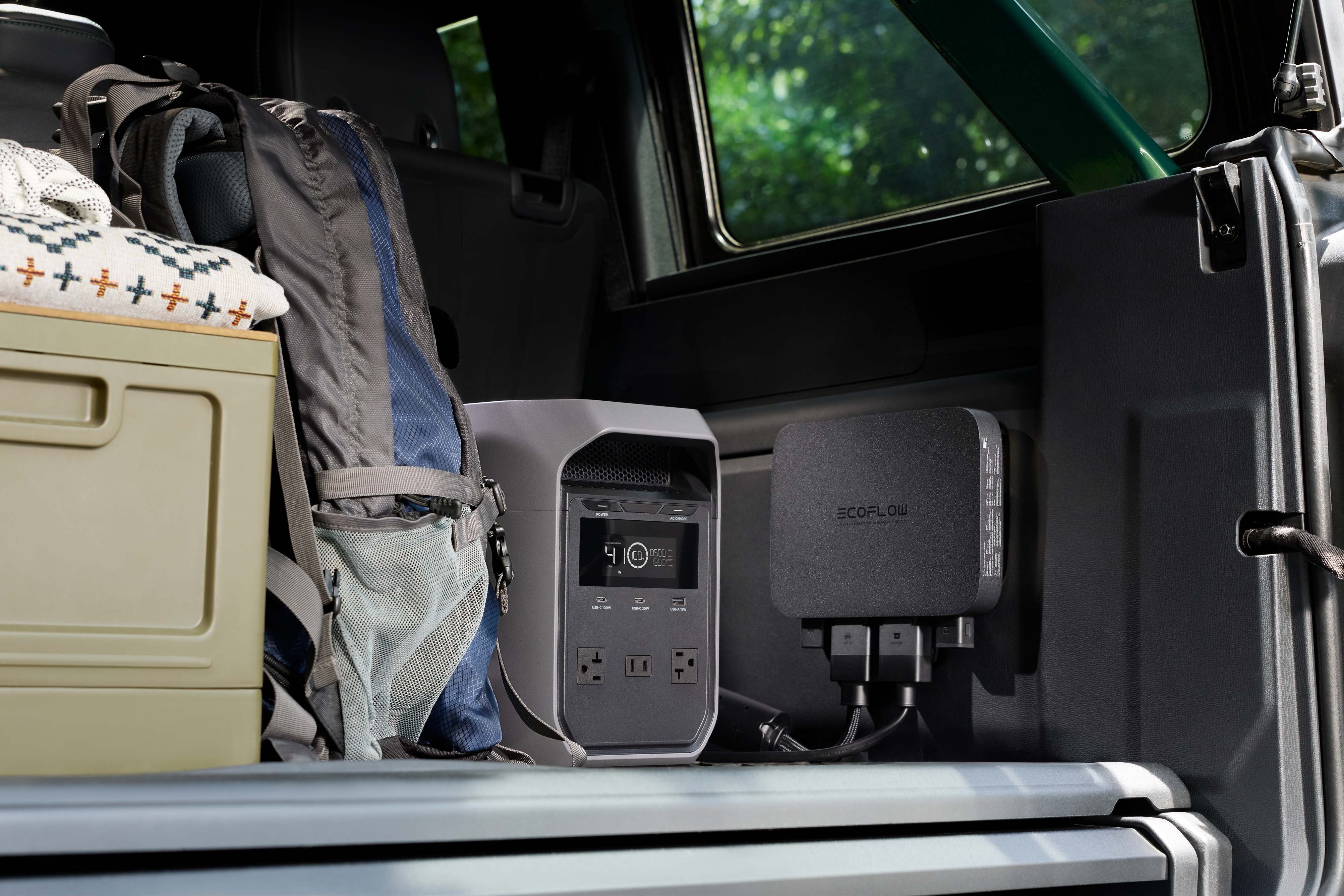
The EcoFlow Delta 3 Classic (1024Wh) uses automotive-grade full-tab LFP cells with a robust battery management system, so you still get stable output in the cold, and at moderate loads it runs at whisper-quiet levels around ≤30dB—ideal when you want conversation and music, not generator noise.
Real-world example: A 1500Wh unit running a slow cooker (100W) plus LED string lights (20W) and a Bluetooth speaker (10W) will last about 8-10 hours in 20°F weather.
Benefits of Other Options
No noise, no exhaust fumes, no fire danger. You can set up right on a picnic table or a car tailgate. If the weather turns bad, move everything under cover in seconds. Power stations recharge from your car, solar panels, or regular outlets.
With a model like the EcoFlow Delta 3 Classic (1024Wh), you can also recharge from 0–80% in about 45 minutes on AC before you leave home, so you start your event with a full battery even if you decide to host at the last minute.
What's the Best Way to Prepare a Mulled Wine Recipe Outdoors?
Different heating methods work better for different situations. Here's how to prepare mulled wine using each option.
Classic Mulled Wine Recipe Steps
Start with a bottle of decent red wine (nothing fancy needed). Add one sliced orange, 8-10 whole cloves, 3-4 cinnamon sticks, 2-3 star anise, and 1/4 cup sugar or honey. Heat slowly—never boil. Let it simmer at 150-160°F for at least 20 minutes, so the spices infuse. The smell alone is worth the effort.
Induction Cooker Method
Induction cooktops give you precise temperature control, which matters for mulled wine. Set it to 300°F and use a heavy pot. The magnetic heating works fast—you can go from cold wine to serving temperature in 15-20 minutes. The downside is power draw: expect 300-600W depending on your setting. Great for ski resort parking lots where you want to heat up fast.
Electric Kettle Method
Electric kettles work if you're heating small batches quickly. Heat your wine and spices in the kettle, then transfer to an insulated carafe. The problem is kettles draw 1000-1500W, so you burn through battery fast. Best for quick prep before switching to a lower-power warming method.
Slow Cooker Method
This is the champion for backyard parties and camping. Slow cookers on low draw only 70-100W. Load it with your mulled wine recipe, plug it into your power station, and forget about it for hours. The lid keeps heat in, the temperature stays steady, and people can serve themselves. A 3-4 quart slow cooker holds enough for 8-12 servings.
Power Use Comparison
| Device | Power Draw | Battery Life (1000Wh) | Best For |
| Slow Cooker | 100W | 8-10 hours | Long gatherings |
| Induction Cooker | 300W | 3 hours | Quick heating |
| Electric Kettle | 1200W | 45 minutes | Fast prep only |
The slow cooker wins for efficiency. Use an induction cooker or kettle to heat initially if you're in a hurry, then switch to a slow cooker to maintain the temperature.
How to Make Mulled Wine and Set Up Your Outdoor Chill Spot?
Location plays a crucial role in creating winter weather conditions. Here’s how to create three winter atmospheres in three different locations
Three Real Scenarios
Backyard setup: Place your power station in a covered porch or under an overhang. Place the slow cooker on a table. String lights should be above, and speakers should be at an accessible location. All things should be within a 6-foot radius of the power station to avoid needing extension cords in the cold weather.
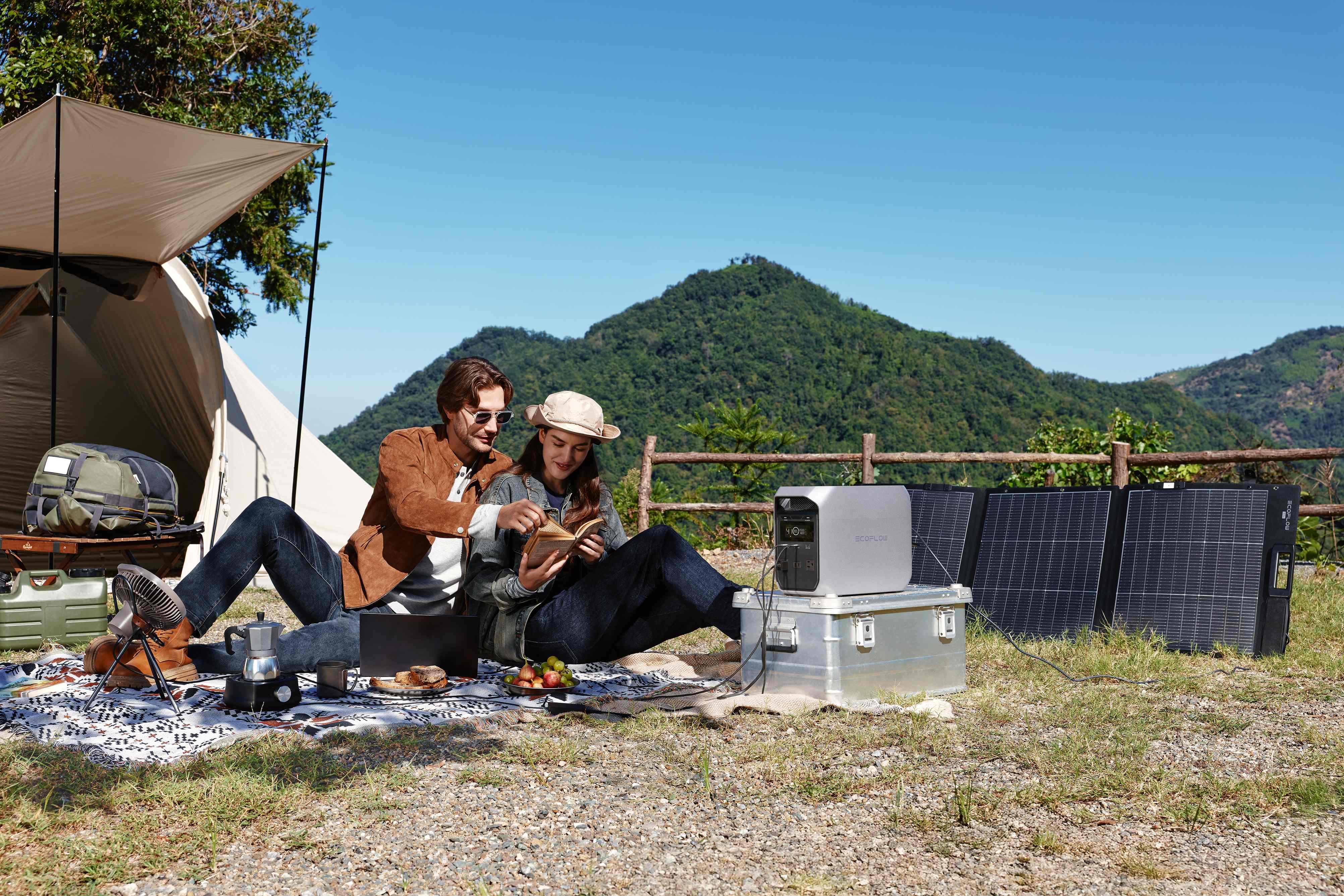
Camping: Pack the power station into a vehicle or a camping tent to shield it against the elements. Then, stretch a heavy-duty extension cord to the cooking area only. You will need a slow cooker positioned atop a camping table with a non-slip surface. This reduces the current consumed to make way for lights and phone-charging functions.
Parking at ski resort: Tailgate organization is where it’s at. The Power Station goes into the trunk of the car or the bed of the truck. Then the induction cooker goes out on the tailgate to heat things quickly, and then transfers to a slow cooker to maintain the temperature. The average duration of a ski day is 4 to 6 hours.
Equipment You’ll Need
Basic list:
Portable Power Station (Minimum capacity: 1000Wh)
Crock pot: slow cooker (3 to 4 quart)
Heavy pot for induction cooking
Ladle and Mugs
Your mulled wine recipe ingredients
Optional: String lights (LED) -20 W, speaker -10 W (Bluetooth)
Connecting All Devices to Your Power Station
Modern power stations come with numerous outlets. Plug the primary heating appliance into AC outlet number one. The lights and speakers should be plugged into the remaining outlets. The total wattage should be added up to ensure that the limit is not crossed—the station should be able to handle a total of either 1000 to 1500 watts.
Before you start, make sure to check your battery level. If the charge is low, prioritize essential items like heating and lighting, and avoid plugging in high-wattage or non-critical devices all at once. Keep an eye on the power station’s output readings or alerts to prevent overload. Cold weather can reduce battery performance, so instead of filling every outlet from the beginning, connect devices in stages—stabilize the core appliances first, then add others as needed.
Adding Lights and Music
The lights in the LED string light setup consume very little electricity, approximately 20 to 30W for a 50-foot string light. The average electricity consumed by the Bluetooth speaker will be somewhere between 5 and 15 W. Added accessories will enhance the mood, but won’t make a difference in the battery life. Do not consider halogen.
Protect Equipment from Weather
Keep the power station and its components dry. If it’s going to be a snowy or rainy day, cover the slow cooker with a tarp and put it in the car with the door ajar—the thing is splash-resistant but doesn’t keep out moisture well when closed off to the environment totally. Slow cookers are better in wet environments than other types of cookers. If the weather turns severe, shut everything down and move both the cooktop and power station into a dry, sheltered area before restarting your setup.
FAQs
Q1. Can I Prepare Mulled Wine in Advance and Reheat the Mixture Outside?
Completely, this is a much better plan than making it from scratch in the cold. Brew the mulled wine in the slow cooker the night before the function or the day of the function. Bring to a simmer for 30 to 45 minutes to really meld the flavors, then refrigerate the mulled wine until the next day and refrigerate again until the day of the function. When you go out into the cold, pour the prepared mixture into the slow cooker/pot and begin warming it up to medium heat. It will be to temperature in 20 to 30 minutes--though it will take the full 45 minutes if made from scratch in the cold. The flavors also meld overnight--the spices get to hang out together in the pot. Just be careful to avoid bringing the mulled wine to a boil when warming it up--you don’t want to evaporate the alcohol content in the mulled wine.
Q2. Is It Safe to Keep a Slow Cooker and a Power Station Running for Several Hours?
As long as you use your equipment properly, running both for a few hours is generally safe, but there are a few precautions worth noting. First, place the slow cooker and power station on a stable, heat-resistant, well-ventilated surface, and keep them away from flammable items such as blankets, napkins, or cardboard. Make sure the power station’s vents aren’t blocked. Second, use a properly rated, thick-gauge extension cord—avoid long, thin, loosely coiled bargain cables that can overheat. During the gathering, position the power station where it won’t be kicked, knocked over, or reached by kids or pets to prevent tipping or spills. Most quality power stations include overload, short-circuit, and over-temperature protection, but these are last-resort safeguards, not substitutes for basic safety. If you plan to step away for a long time, it’s best to turn off the heating device.
Q3. Is Using Heating Devices in Ski Resort Parking Lots Legal?
This depends upon the ski resort and the rules applied in the area. Most ski resorts enable tailgating and the use of electric equipment in their parking lots, which is safer than gas and fire and is, in fact, commonly disallowed in ski resorts. There are some areas that do not allow any cooking in the parking lots due to safety and legal issues. You should check the website of the ski resort to know the rules and regulations in advance. The parking areas in the national forests do not restrict electric cooking equipment in any way.
Upgrade Your Outdoor Winter Parties
Keeping mulled hot wine at the perfect temperature outdoors isn't hard with the right setup. A decent power station running a slow cooker solves the heating problem while giving you juice for lights and music. Try this at your next winter gathering—your guests will wonder why they've been suffering through cold drinks all these years.