The Ultimate Guide to Hunting in Canada in 2026
Canada offers some of North America's most diverse hunting opportunities. Vast wilderness areas, abundant wildlife populations, and well-managed conservation programs create ideal conditions for hunters. Provincial regulations vary significantly, so preparation and knowledge are essential before heading into the field.
Planning Your Hunt Across Canada's Four Seasons
The rhythm of Canadian hunting follows nature's calendar closely. Each season brings different opportunities and challenges that shape your approach.
Spring: Black Bear and Turkey Opportunities
Spring hunting begins when snow melts and wildlife emerges. In many provinces and zones, spring black bear seasons often run sometime between April and June, though timing varies by region. These animals are active after hibernation, making them easier to locate near food sources.
Wild turkey hunting peaks in late April and May. Males are vocal during breeding season, which helps hunters locate them. Morning hunts often prove most productive when birds are on the roost.
Spring Gear Essentials
| Category | Items |
| Clothing | Layered system, waterproof jacket, insulated boots |
| Equipment | Tree stand or ground blind, calls, binoculars |
| Safety | Bear spray, first aid kit, GPS device |
Weather changes rapidly during spring months. Temperatures can swing 20 degrees within hours. Pack extra layers and prepare for rain.
Summer: Limited but Strategic Hunting Windows
Most provinces restrict hunting during summer months to protect breeding populations. Overall hunting activity is minimal compared to other seasons.
Certain provinces or management zones may maintain limited openings for agricultural damage species. Groundhogs and certain bird species sometimes fall into this category where crop protection is a concern. Regulations vary substantially by region and year.
Summer serves as prime time for scouting. Trail cameras help identify movement patterns. Visit potential hunting areas to map terrain features and animal signs.
Power Solutions for Remote Scouting
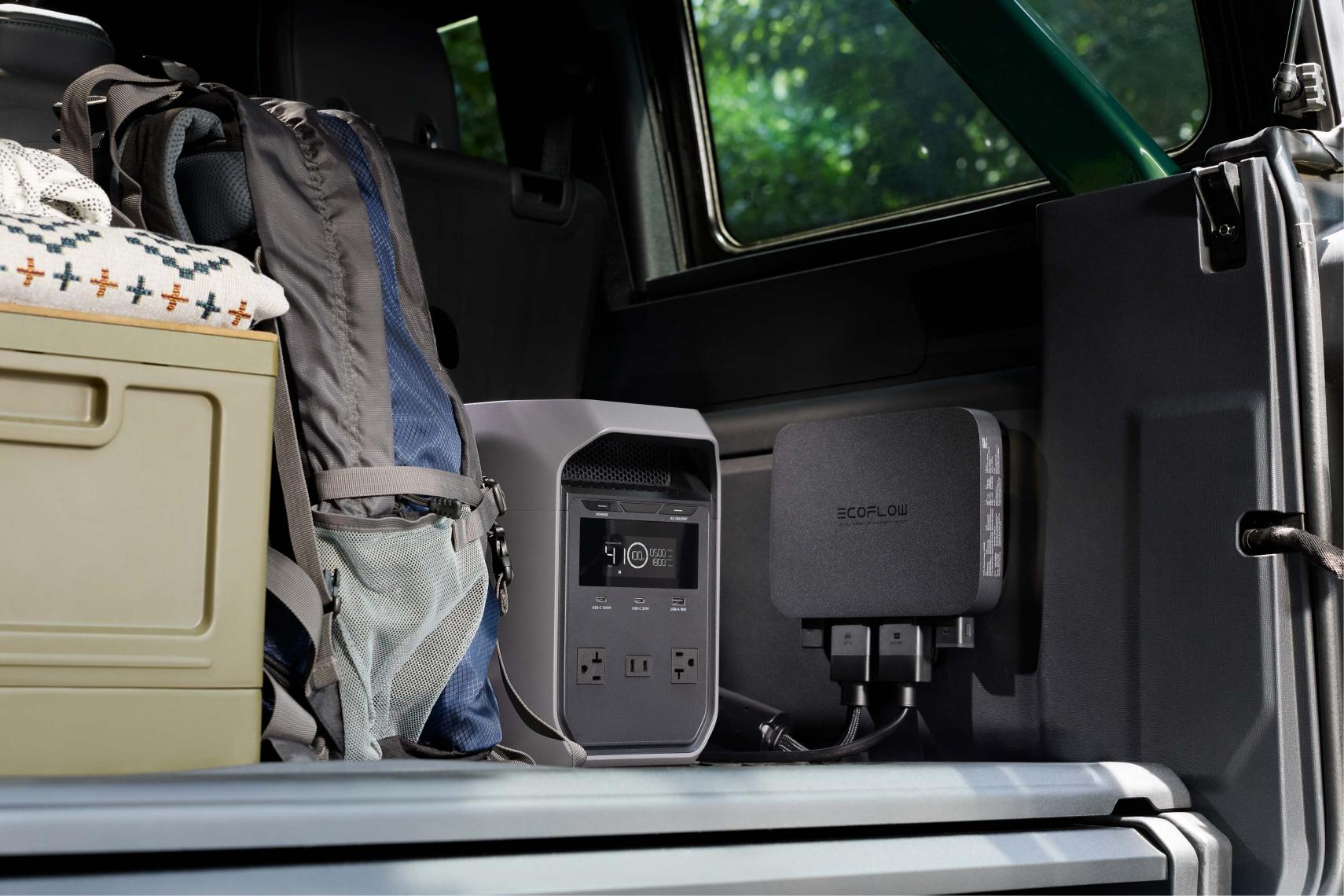
Extended scouting trips in remote areas require reliable power for trail cameras, GPS devices, and communication equipment. Portable power stations have become essential gear for serious hunters. The EcoFlow Delta 3 Classic (1024Wh) offers enough capacity to keep multiple trail cameras running for weeks and recharge essential electronics without access to grid power. Solar panel compatibility extends usefulness even further in backcountry camps.
Fall: The Peak Season for Most Game Species
Fall dominates the Canadian hunting calendar. Moose, deer, elk, and waterfowl seasons overlap during these months. September through November typically sees the highest hunter activity across all provinces, making this the busiest period for hunting season in Canada.
Big Game Timing
Moose hunting starts in early September in many regions. Bulls respond to calls during the rut, which occurs from mid-September through early October. This brief window offers excellent success rates.
Whitetail deer seasons in Ontario generally open in late September for archery and extend through December for firearms. The November rut provides peak action for deer hunters. Bucks abandon caution while seeking does, increasing daylight movement. Hunting season Ontario structures accommodate various methods with separate periods for archery, muzzleloader, and rifle.
Elk hunts begin in late August or early September. The bugling season creates thrilling encounters as bulls compete for breeding rights. Mountain areas in Alberta and British Columbia offer prime elk habitat.
Waterfowl Migration Patterns
Duck and goose seasons align with migration routes. Early seasons target resident birds in September. Peak migration occurs in October and November as northern birds move south.
Canada geese populations have grown substantially. Many areas now offer extended seasons to manage numbers. Snow goose conservation hunts continue into spring in some provinces.
Fall Hunting Gear List
Select equipment based on your target species and hunting method. For big game hunters, your pack should include scent control products, quality optics, and appropriate ammunition. Warm clothing becomes critical as temperatures drop. Insulated gloves that allow trigger finger dexterity make a significant difference.
Tree stand users need portable stands or climbing systems. Ground blind hunters require portable blinds and comfortable seating. Pack frames help transport harvested game from remote areas. A reliable knife, game bags, and rope complete essential field dressing equipment.
Winter: Extended Seasons and Predator Hunting
Hunting opportunities continue after snow falls. Some deer seasons extend into late December. Predator hunting for coyotes remains popular during winter months, with seasons varying by province and wildlife management unit.
Wolf hunting regulations differ substantially across provinces. Most areas set specific seasons, quotas, or method restrictions rather than year-round openings. Always verify current predator hunting rules for your intended area.
Coyote pelts reach prime condition during winter months. Cold temperatures produce thick, luxurious fur. Predator calling works well in snow-covered landscapes where sound carries far.
Regional Hunting Opportunities Across Canadian Provinces
Canada's geography creates distinct hunting regions with unique characteristics. Moving from east to west, each province brings different regulations and wildlife populations.
Ontario: Diverse Terrain and Abundant Whitetails
Ontario combines farmland, forests, and northern wilderness. Whitetail deer populations thrive across southern and central regions. The province structures its seasons to accommodate various hunting methods with separate archery, muzzleloader, and rifle periods.
Black bears are plentiful in northern Ontario. Spring and fall seasons provide ample opportunities. Many outfitters offer guided hunts in remote areas accessible only by float plane.
Moose hunting requires a draw system in most areas. Points accumulate for unsuccessful applicants, improving future odds. The northern region offers strong trophy potential.
Quebec: Wilderness and Water-Based Hunting
Building on Ontario's wilderness character, Quebec protects even more vast northern territories. Wildlife management policies in this province can shift significantly based on population trends and conservation priorities.
Caribou hunting policies change frequently and vary by region. Some areas may have limited opportunities through lottery systems, while others face temporary or long-term closures. Check the current year's regulations carefully, as caribou management remains a dynamic conservation issue across the province.
The province's extensive waterways create excellent waterfowl habitat. The St. Lawrence River hosts massive goose migrations. Coastal areas near James Bay produce spectacular snow goose hunting.
Moose populations remain strong despite fluctuations in some zones. Quebec divides into numerous management units, each with specific regulations and harvest quotas.
Western Provinces: Mountain and Prairie Habitats
The transition from eastern forests to western mountains brings dramatic changes in terrain and species.
Alberta: Big Game Paradise
Alberta offers diverse big game options. Mule deer inhabit badlands and foothills. Whitetails dominate river valleys and agricultural areas. Both species produce trophy-class animals.
Mountain goat and bighorn sheep hunts are available through limited draws. These challenging pursuits require excellent physical conditioning and mountain skills.
Pronghorn antelope range across southern grasslands. Fast and sharp-eyed, they test stalking abilities. Open prairie hunting demands different tactics than forest hunting.
British Columbia: Coastal Rainforests to Alpine Peaks
BC's varied landscape supports incredible species diversity. Black-tailed deer live in coastal areas. Roosevelt elk, the largest subspecies, inhabit rainforests on Vancouver Island.
Mountain caribou, Stone sheep, and mountain goats attract hunters from worldwide. Many hunts require non-resident hunters to hire licensed guides.
British Columbia does not offer a general public grizzly bear hunt. Rules differ for Indigenous harvest and special management contexts. Always check current provincial policy before planning any bear-related hunting activities.
Atlantic Provinces: Island and Coastal Hunting
The eastern maritime provinces round out Canada's hunting landscape with unique island and coastal opportunities.
Newfoundland holds a unique position for moose hunting. The island population descended from a small founding group and now thrives. Guided hunts in prime areas can achieve strong success rates, though results vary by hunting zone and outfitter.
Nova Scotia and New Brunswick offer excellent whitetail hunting. Maritime deer tend to be smaller-bodied than western cousins but are plentiful. Farmland and mixed forests provide good habitat.
Navigating Licensing and Regulations
Each province manages wildlife independently. Regulations change annually, so verify current rules before planning your trip. Provincial websites provide detailed information on seasons, bag limits, and licensing requirements.
Non-resident hunters face different requirements than residents. Some provinces require guides for certain species. Others mandate specific licensing levels based on weapon choice.
Safety and Ethics in the Field
Orange clothing requirements vary by province and hunting method. Firearms safety courses are mandatory for first-time hunters. Many provinces now require hunter education even for crossbow and archery hunters.
Respect private property boundaries. Always secure landowner permission before entering posted land. Leave gates as you found them and pack out all trash.
Conservation Through Hunting
License fees fund wildlife management programs. Habitat restoration projects, population surveys, and enforcement efforts depend on hunter contributions. Selective harvest maintains healthy populations and age structures.
Chronic wasting disease has appeared in some Canadian deer populations. Follow all carcass transportation rules to prevent disease spread. Bone-in meat restrictions apply in certain areas.
Start Your Canadian Hunt
Canada offers hunters a range of settings from rainforest to coastal regions to the tundra. If you want to hunt whitetail deer in the farmlands of Ontario or a moose in the wilderness of the North, planning is the key.
Frequently Asked Questions
Q1: When Is Hunting Season for Deer in Canada?
Hunting seasons for deer in Canada vary depending on the province. However, archery season begins in September, while rifle season starts in October and ends in December. Ontario archery season begins at the end of September, muzzleloader starts in October, and rifle season begins in November and ends in December.
Q2: Do I Need a Guide to Hunt in Canada as a Non-Resident?
Yes, as a non-resident, you may need a guide to hunt in Canada. However, this depends on the species and province to be visited. For example, in British Columbia, a guide is mandatory when hunting most big game species by a non-resident. Ontario allows unguided hunting of deer and bear upon acquiring the necessary permits. Alberta allows non-residents to engage in do-it-yourself hunting of most species.
Q3: What Are the Best Months for Hunting Different Species?
The best months to hunt in Canada include September, October, November, and to a lesser degree, December. The best months to hunt black bear include May and June during spring, and September and October during fall. Moose rut occurs between mid-September and early October. Deer hunting occurs during November when the rut is active. Waterfowl migration is at its peak between late September and November.
Q4: Can Americans Hunt in Canada Without Special Permits?
Yes, but with the right documentation. Americans need provincial hunting licenses and the appropriate species tags. Americans must declare their firearms at the border and register their firearms. Apply for import permits for firearms well before your trip.
Q5: How Much Does It Cost to Hunt in Canada?
Hunting in Canada varies in cost depending on the species to be hunted. Resident permits cost between $30 and $100 annually. The non-resident base license costs between $100 and $300, while species-specific tags cost between $50 and $500. A guided moose or elk hunt can cost more than $5,000 to $10,000.