Off-Grid Solar Systems in Canada: What DIYers Need to Know
Off-grid living in Canada offers independence, resilience, and a closer connection to the environment.
But it also comes with real challenges.
Harsh winters, shorter daylight hours, and extreme temperature swings can put serious strain on a solar setup that isn’t designed with those conditions in mind. What works in milder climates often falls short when faced with snow-covered panels and weeks of limited sun.
For DIYers, building a reliable off-grid solar system means balancing efficiency, durability, and careful planning. Every decision plays a role in whether your system thrives or struggles, so it’s important to choose the right options.
Why Off-Grid Solar Is Popular in Canada
Off-grid solar has gained traction across Canada for both practical and personal reasons. In many remote areas, connecting to the electrical grid can be extremely expensive or simply not even an option. Extending power lines over long distances often costs tens of thousands of dollars, which makes a self-contained solar system a more affordable alternative.
Aside from cost, energy independence is a major draw. Off-grid power systems allow homeowners and cabin owners to generate and manage their own electricity without relying on utilities or worrying about outages.
There’s also a growing interest in sustainable living. Many Canadians are choosing off-grid solar as a way to reduce their environmental impact and rely on clean, renewable energy.
Solar Challenges Unique to Canada
Canada’s climate presents a unique set of challenges for solar power, especially for those building systems from scratch. One of the biggest hurdles is the dramatic seasonal shift in sunlight. Long summer days can produce more energy than you need, while short winter days combined with low sun angles can significantly reduce output just when electricity demand is highest.
Snow and ice add another layer of issues. Panels can become covered for days or even weeks and cut off production entirely unless they’re installed at steep angles or cleared regularly. Cold temperatures can reduce battery performance and make proper battery selection and insulation essential for year-round reliability.
Geography also plays a role. Northern regions experience even more extreme variations in daylight, sometimes going weeks with minimal solar input. This makes system sizing and backup planning critical, whether you’re comparing different setups or deciding between on-grid and off-grid solar systems.
Choosing the Right Solar Panel Capacity
Choosing the right solar panel capacity is one of the most important decisions when building an off-grid system in Canada. It starts with understanding your daily energy consumption, so everything from lighting and appliances to heating systems and tools. Once you know how many kilowatt-hours you use, you can begin estimating how many panels you’ll need to meet that demand, especially during the darker winter months.
In Canada, it’s not enough to size your system based on average conditions. Winter performance should be the baseline, which often means oversizing your array to ensure consistent power when sunlight is limited. Panel orientation, tilt angle, and local climate all play a role in how much energy you can realistically generate throughout the year.
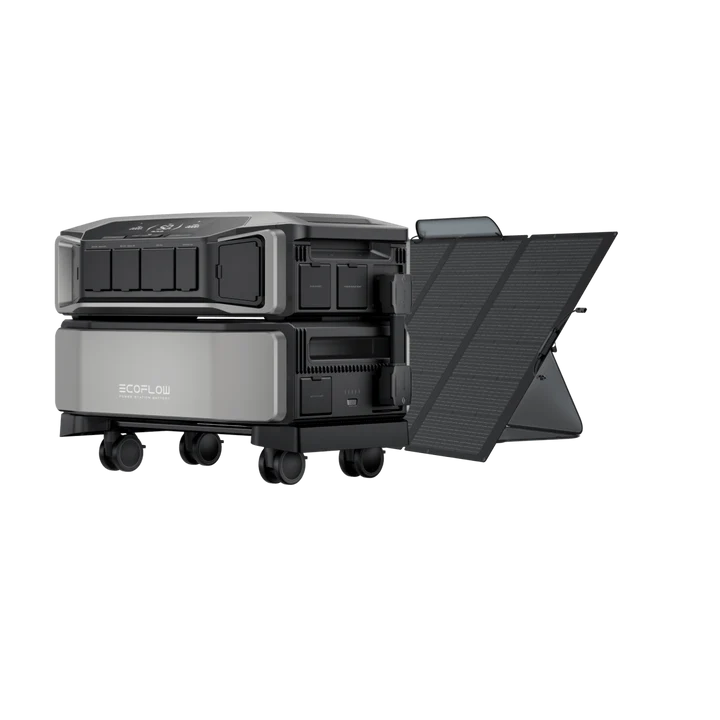
For DIYers looking for a flexible, high-performance solution, the EcoFlow DELTA Pro Ultra + 400W Portable Solar Panel offers an easy way to combine solar generation and portable energy storage, and help keep your off-grid home powered year-round.
Many DIYers also plan for backup power to cover extended periods of low solar output. Integrating a whole home generator can provide peace of mind and keep essential systems running when your solar production can’t keep up.
Battery Storage Considerations for Off-Grid Systems
Battery storage is the backbone of any off-grid solar system, especially in Canada, where sunlight can be inconsistent for long stretches. Your batteries need to store enough energy during productive periods to carry you through nights, cloudy days, and even multiple low-sun days in winter. This makes capacity (measured in kilowatt-hours) just as important as your solar panel output.
Cold weather is one of the biggest factors to consider. Many battery types, particularly lithium-ion, can lose efficiency or even stop charging in freezing temperatures unless they’re properly insulated or heated. That’s why indoor installation or temperature-controlled enclosures are often essential in Canadian climates.
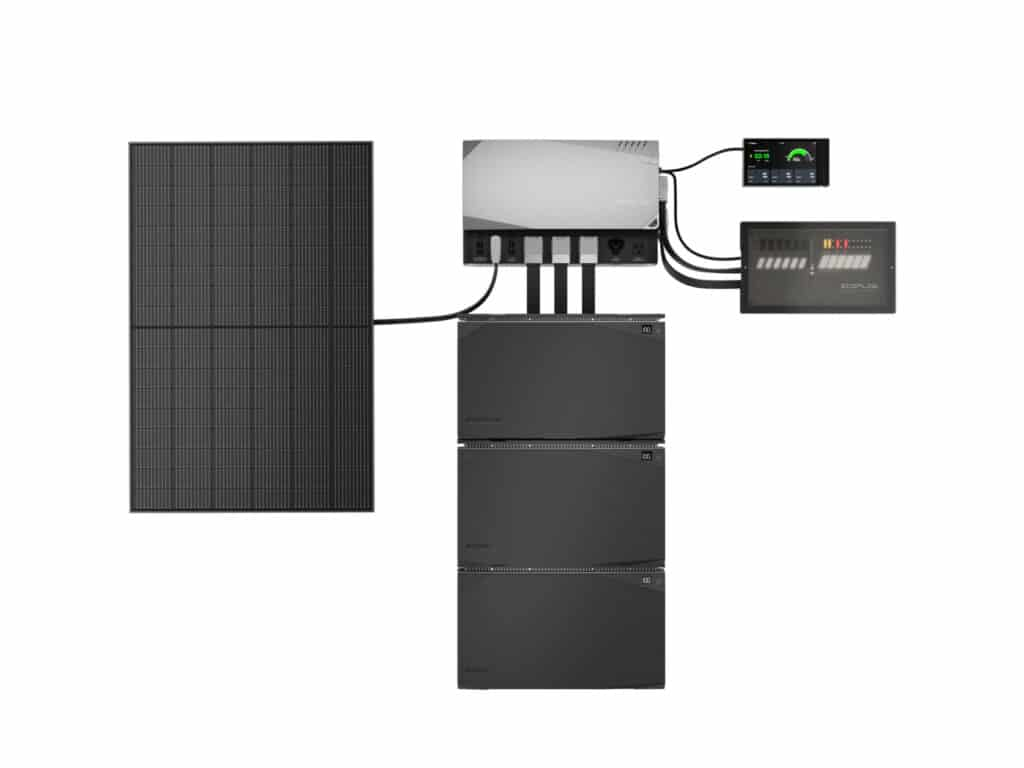
System design and scalability also matter. As your energy needs grow, you may want the option to expand your storage without rebuilding everything from scratch. Modular solutions like EcoFlow power kits are popular with DIYers because they simplify installation and allow for easier upgrades over time.
Finally, it’s important to balance storage capacity with your solar production and backup options.
Permits and Regulations for DIY Solar
Permits and regulations are an important part of any DIY solar project in Canada, even for off-grid systems. While going off-grid means you’re not connecting to a utility, you’re still subject to local building codes, electrical standards, and safety inspections. Requirements can vary by province and municipality, but most jurisdictions follow the Canadian Electrical Code (CEC).
In many cases, you’ll need permits for structural work (like mounting panels on a roof or building a ground array) as well as electrical permits for wiring and battery systems. Some areas may also require inspections at different stages of the installation process. Skipping these steps can lead to fines, insurance issues, or complications.
If your system includes generators or hybrid setups, additional rules may apply. Integrating whole home backup power solutions often comes with specific safety and placement requirements, particularly around fuel storage, ventilation, and transfer switches.
Frequently Asked Questions
Can You Run a Home Completely Off-Grid With Solar in Canada?
Yes, Canadian homes can run entirely off-grid with solar, but winter conditions require larger arrays, substantial battery storage, and often a backup generator. Energy-efficient appliances and heating make off-grid living much more manageable.
How Many Solar Panels Does an Off-Grid Cabin Need in Canada?
It depends on energy use and location. Small seasonal cabins may need 4-8 panels, while year-round cabins often require 10-20+ panels to cover winter demand and shorter daylight hours.
Final Thoughts
Off-grid solar in Canada is both achievable and rewarding, but it comes with some challenges from harsh winters and limited daylight to careful system sizing and battery planning. Whether the aim is for a whole home generator or something smaller, overplanning is the key to success when DIYing your solar system in Canada.
Choosing the right panel capacity, ensuring adequate storage, and following local regulations are all essential for a reliable setup. Don’t forget that even off-grid systems are subject to permit and regulation control, so consider that when planning your solar system too.