How Much Solar Power Do You Need for a Canadian Home?
- Introduction to Solar Sizing for a Canadian Home
- How Much Energy Does a Canadian Home Use?
- Solar Production in Canada: Sunlight, Seasons, and System Constraints
- Sizing the System (Formulae, Losses, and Oversizing)
- Battery Storage and Autonomy: Do You Actually Need It?
- Frequently Asked Questions
- Final Thoughts
As solar energy has become more popular throughout Canada, your interest may be piqued to see if this is something worth investing in for your home. The good news is that solar energy is more accessible than ever before and can help you reduce your monthly electricity costs if installed correctly.
Knowing how much solar power is needed to keep your home running is the first step to take when considering this important investment, and we are here to help you gather all of the data you need to make an informed decision.
Introduction to Solar Sizing for a Canadian Home
When planning to add solar energy systems throughout your home, there is a bit of a learning curve when it comes to terminology. A phrase that is commonly thrown around when discussing cleaner home energy solutions is solar sizing.
Simply put, this measurement helps to define the amount of solar energy needed to meet a home’s electricity requirement based on its overall size.
Solar sizing helps homeowners to determine the size and power of solar panels needed for their specific homes to ensure they are making an informed investment that will work in a reliable and consistent manner. Matching your energy consumption to the production output needed is the best way for you to return on your investment in solar energy, and it takes a bit of legwork to figure out.
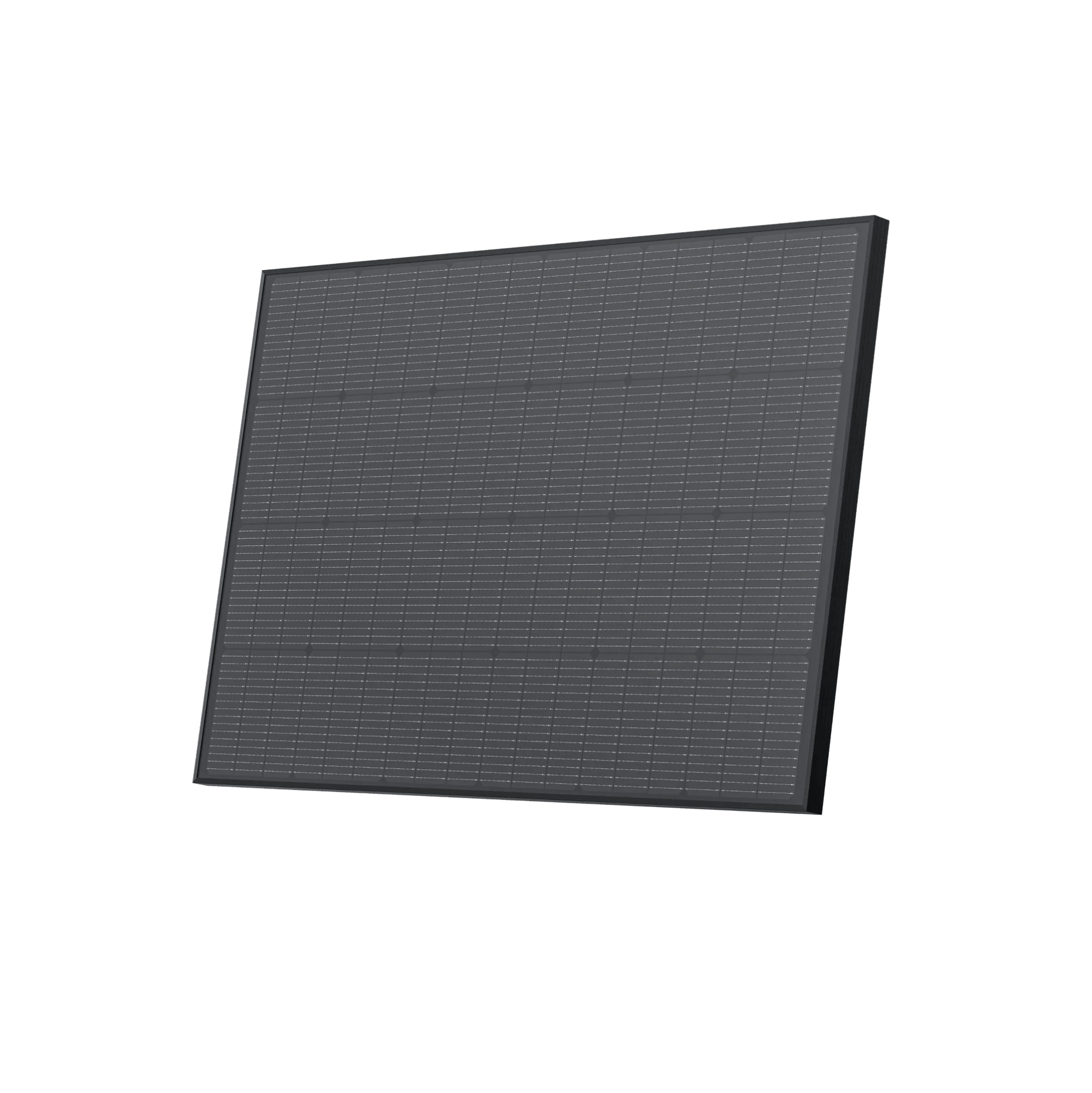
The first step in figuring out your home’s solar sizing is to gather a solid understanding of your energy demand. The amount of electricity your household uses (in kWh) will give you a much better idea of just how much solar energy will actually be needed to power your home. Further down, we discuss other key metrics that will help you to calculate your solar sizing, and how many EcoFlow NextGen 175W Rigid Solar Panels you may need.
How Much Energy Does a Canadian Home Use?
Energy use varies from household to household, but it is generally agreed upon that most Canadian homes use approximately 10,000kWh per year, or 35kWh per day. While this provides a good baseline for energy usage, it is important to note that there are many key factors that can drastically impact the daily and annual usage, including the square footage of the home, the heating unit installed in the home, and the province in which the home is based.
Lifestyle habits, home efficiency, and appliance usage also play a huge role and help to set the baseline for the solar sizing of your household. This is why it is so important to take the time to calculate your specific solar sizing before making any solar panel purchases.
Solar Production in Canada: Sunlight, Seasons, and System Constraints
Due to the lengthy winter season throughout Canada, solar energy is not always readily available. Northern provinces may feel the weight of this more so than southern regions, though the limited sunshine throughout the colder months is certainly an important factor to consider when weighing your solar options.
Summer is the primary season for solar production, with most regions throughout Canada receiving long daylight hours. This sunny season helps to balance out the cloudy and chilly months during the winter, which is beneficial as solar systems are generally sized based on their yearly output requirements.
A well-installed system can also make or break the level of solar production for a specific home. Shade, roof orientation, and roof space are all influential factors that can help or harm your solar panels' ability to work more efficiently throughout peak and off-peak seasons, so be sure to orient them in a way that works in your favor.
Sizing the System (Formulae, Losses, and Oversizing)
To calculate the solar sizing for your home, you’ll need to gather some pertinent information prior to starting. Dig around to find your utility bills from the past 12 months or so, and do some research based on the location you live in to see how many hours of peak sunlight you have in your area.
Once you have your annual energy usage, you will need to divide that number by 365 to gather your daily energy usage. With this information, you can use the following formula to calculate your solar sizing:
Annual kWh / (Peak Sun Hours x 365 Days x .80 System Efficiency)
This calculation should give you a general idea of your solar sizing, though it is generally recommended to oversize or overestimate to ensure the solar systems you install are powerful enough to keep your home energized.
Battery Storage and Autonomy: Do You Actually Need It?
Another thing to take into consideration is whether you will need battery storage for your home. Batteries for solar energy stand alone from solar panels and should be considered only if you are interested in backup power options to help save on your monthly bills.
Investing in battery storage can help you to tap into unused solar energy to lessen your traditional electricity usage, and it can even help you to keep your home fully powered while off the traditional grid system.
Regardless of your reasoning, if you do decide to invest in a battery storage system, it is important that you know how much energy you use per day so that you have enough energy stored for practical use throughout your home.
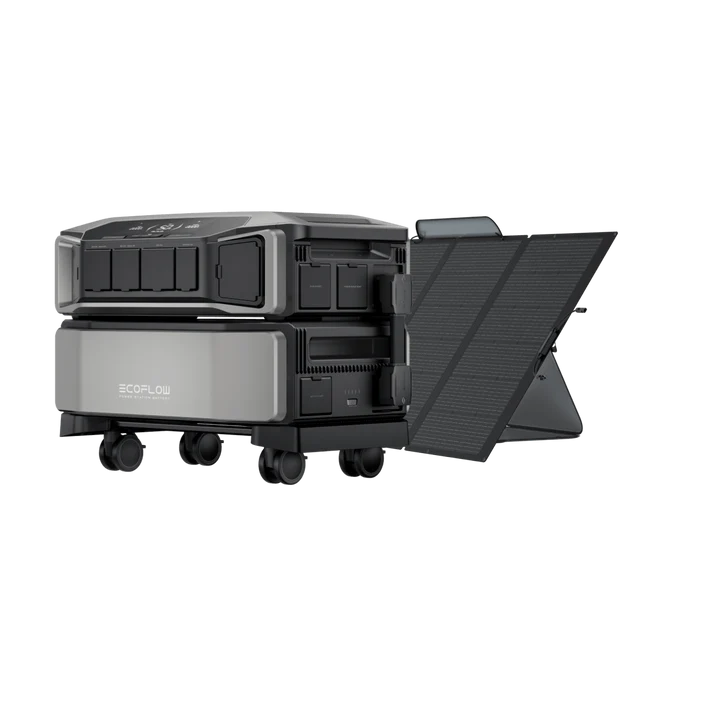
As mentioned above, most homes use an average of 35kWh per day, meaning you would need at least that much stored energy for one day of living on backup power. A solar generator such as EcoFlow DELTA Pro Ultra + 400W Portable Solar Panel, can give you true energy autonomy, even during blackouts and storms.
Frequently Asked Questions
How Many Solar Panels To Run a House in Canada?
While it depends on the size of the home, the average home needs around 20 solar panels to help offset the electricity use throughout the home. This number varies greatly depending on lifestyle, location, and energy consumption.
Why Is My Electric Bill So High if I Have Solar Panels?
Though solar energy solutions can help to cut back on electricity costs, they are not guaranteed to cover all of your energy usage. If you notice your electricity bills are not going down after a few months of use, there is a good chance that the solar sizing of your home was incorrectly calculated and may need to be revisited.
Can a House Run 100% on Solar?
In Canada, it is very difficult for a home to run 100% on solar. Due to the lengthy winter months and limited sunshine, it can be very hard to store enough energy to power an entire home throughout the colder seasons. This is where traditional electricity will come in and help to provide power to the home.
Final Thoughts
Investing in solar is a huge decision that can greatly help you to save on your monthly energy bills. With the tips above, you are one step closer to having everything you need to update your home with solar panels and enjoy the rewards of this renewable energy source.
Done with your research and ready to make the investment? Look no further than the EcoFlow DELTA Pro Ultra + 400W Portable Solar Panel, the perfect starter package for any home.