Off-Grid Appliances in Canada: Choosing Energy Efficient Solutions for Remote Living
- What Are Off-Grid Appliances for Canadian Remote Living?
- Which Appliances Are Essential for an Off-Grid Home?
- Refrigerators
- How Can You Power Off-Grid Home Appliances in Canada?
- Power High-Demand Appliances Off Grid
- How Can You Choose Off-Grid Appliances for a Canadian Cabin?
- What Should You Consider Before Going Off Grid?
- Conclusion
- FAQ
- How Much Does It Cost to Live Off-Grid in Canada?
When you live off grid, an appliance's wattage matters more than its sticker price. A refrigerator may run around the clock, while an electric kettle can draw more than 1,000 watts in just a few minutes. A water pump may use relatively little energy over a day but require a much higher surge when it starts. These differences matter when your home relies on a finite supply of solar power and battery storage.
This comprehensive guide breaks down the essential off-grid appliances tailored for Canada's distinct climate, compares your fuel and electrical options, explores scalable power backup systems, and provides practical sizing strategies to help ensure your remote lifestyle remains comfortable throughout the changing seasons.
What Are Off-Grid Appliances for Canadian Remote Living?
Setting up a remote homestead requires hardware specifically engineered to deliver maximum output with minimal power draw.
Understand Off-Grid Appliance Basics
Off-grid appliances are not necessarily specialized products. When exploring homesteading and self-sufficiency, selecting hardware for an independent property requires choosing standard household appliances engineered for maximum efficiency, low power consumption, manageable startup characteristics, and compatibility with an independent electrical system or portable power station setup.
Compare AC, DC, and Propane Appliances
Balancing your appliance mix often comes down to choosing the right fuel source for each specific task:
| Appliance Type | Primary Power Source | Best Used For | Key Advantages | Trade-Offs |
|---|---|---|---|---|
| DC (12V / 24V / 48V) | Battery bank | Refrigeration, lighting, some pumps | Avoids the inverter conversion step required by AC appliances | Higher wiring currents at lower voltages; fewer appliance choices |
| AC (120V / 240V) | Inverter / power station | Kitchen appliances, electronics, tools | Wide product selection; familiar household equipment | Inverter losses and potentially high startup or operating loads |
| Propane | Cylinders / bulk tank | Cooking, water heating, space heating | Provides heat without drawing from electrical storage | Fuel storage and delivery; ventilation and combustion-safety requirements |
Which Appliances Are Essential for an Off-Grid Home?
Every off-grid setup has a core baseline of daily necessities that maintain food safety, warmth, and reliable communication.
Refrigerators
Refrigeration is one of the most important continuous electrical loads in an off-grid cabin because it can operate around the clock. High-efficiency refrigerators, including some DC models, can reduce the amount of energy your battery system needs to supply each day. If you choose a conventional AC refrigerator, compare its actual annual energy consumption rather than relying only on the appliance’s size or purchase price.
Cooking Appliances
Generating heat purely from electricity requires substantial wattage, making dual-fuel setups a popular choice for remote cabins. Many Canadian homesteaders rely on a combination of propane ranges for primary cooking and an airtight wood cookstove for both winter heating and slow simmering. For quick morning meals, compact low-wattage AC appliances—such as electric kettles or single-burner induction plates—can be powered directly by off grid solar for Canadian cottage weekend setups or year-round battery banks.
Water Heating
Domestic hot water is best handled on demand to avoid the continuous thermal losses of a large holding tank. Propane-powered tankless water heaters work exceptionally well for off-grid cabins, firing up only when a faucet opens. In summer months, evacuated tube solar thermal collectors or hybrid pre-heating coils tied to a wood stove provide reliable hot water without tapping into your electrical reserves.
Lighting and Electronics
Remote work and communications can also become meaningful electrical loads. Satellite internet terminals, laptops, routers, and other networking equipment may run for several hours a day from a power station, so include their actual power consumption in your load calculation rather than treating them as negligible loads. Winter operating conditions can also affect the energy use of some satellite terminals.
How Can You Power Off-Grid Home Appliances in Canada?
Reliable power generation in Canada must accommodate both sunny summer afternoons and sub-zero winter cold snaps.
Generate Solar Power for Daily Use
Solar panels can provide most or all of an off-grid cabin's electricity, but winter performance needs particular attention in Canada. Shorter daylight hours, snow cover, cloudier weather, and low sun angles can significantly reduce winter production.
A steeper array angle can help improve winter solar production and encourage snow shedding, but there is no single ideal tilt for every Canadian property. The appropriate angle depends on latitude, panel orientation, mounting method, snow conditions, and whether the system is optimized for year-round or winter generation.
An MPPT charge controller can help the solar array operate efficiently as sunlight and panel voltage change throughout the day.
Support Essential Cabin Appliances
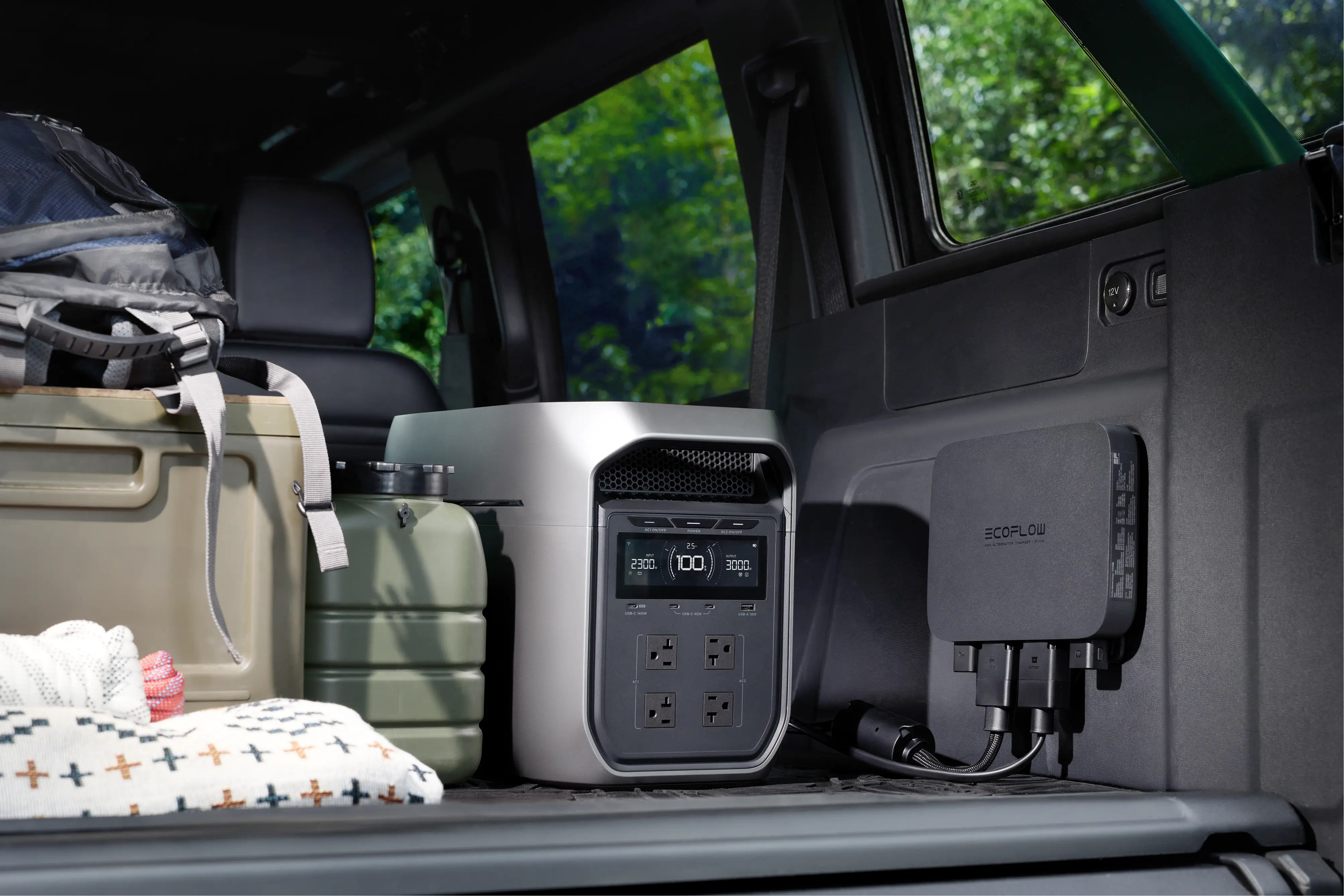
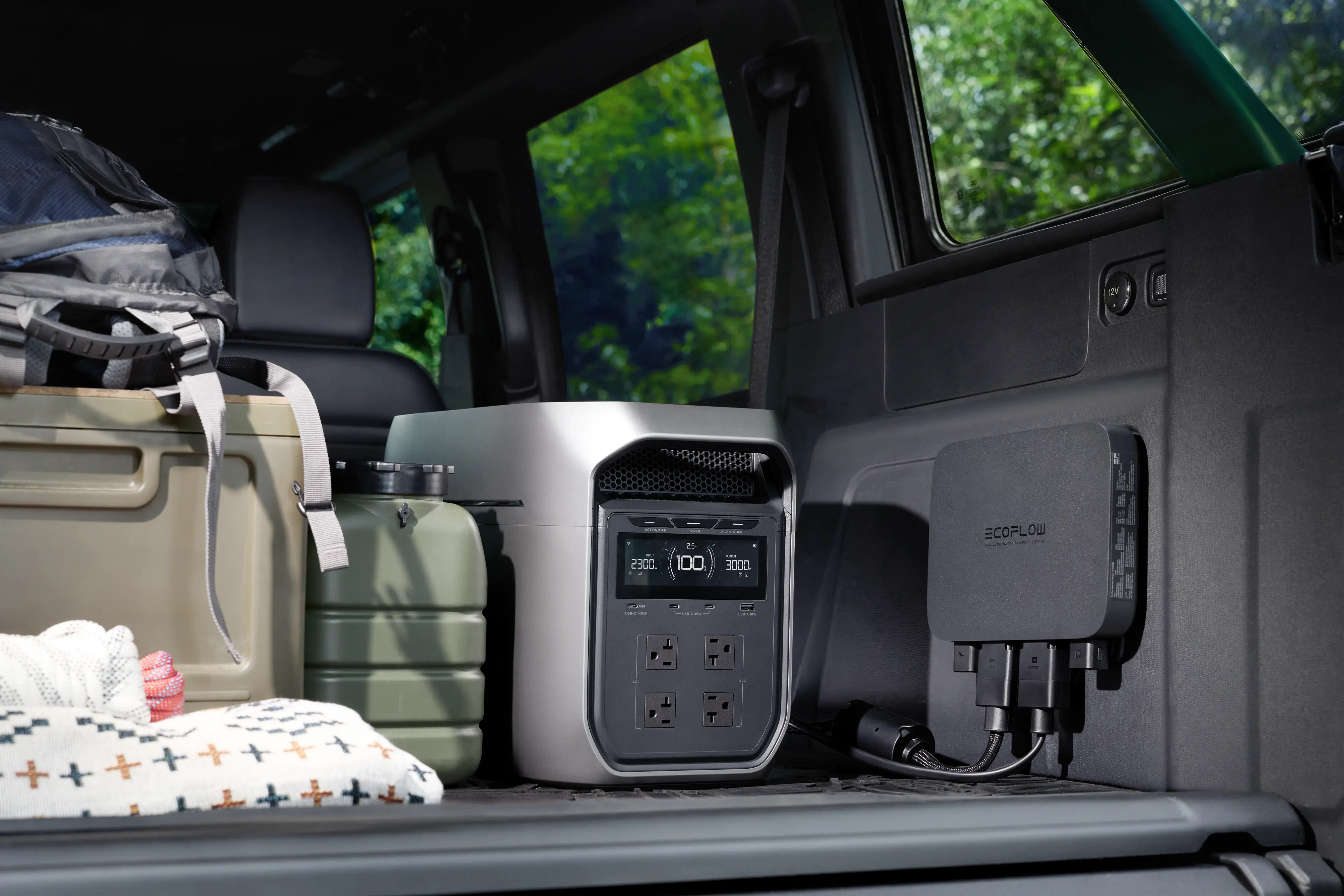
Daily cabin life revolves around keeping communication lines open, food fresh, and living spaces well-lit. The EcoFlow DELTA 3 Max Plus Portable Power Station(2048Wh) delivers a practical energy hub to power these everyday necessities—including refrigerators, LED lighting circuits, Wi-Fi routers, and compact kitchen gear. By linking this system with portable solar panels, cabin owners can maintain steady daily power while cutting back on noisy, fuel-heavy generator runtimes during the shoulder seasons.
Power High-Demand Appliances Off Grid
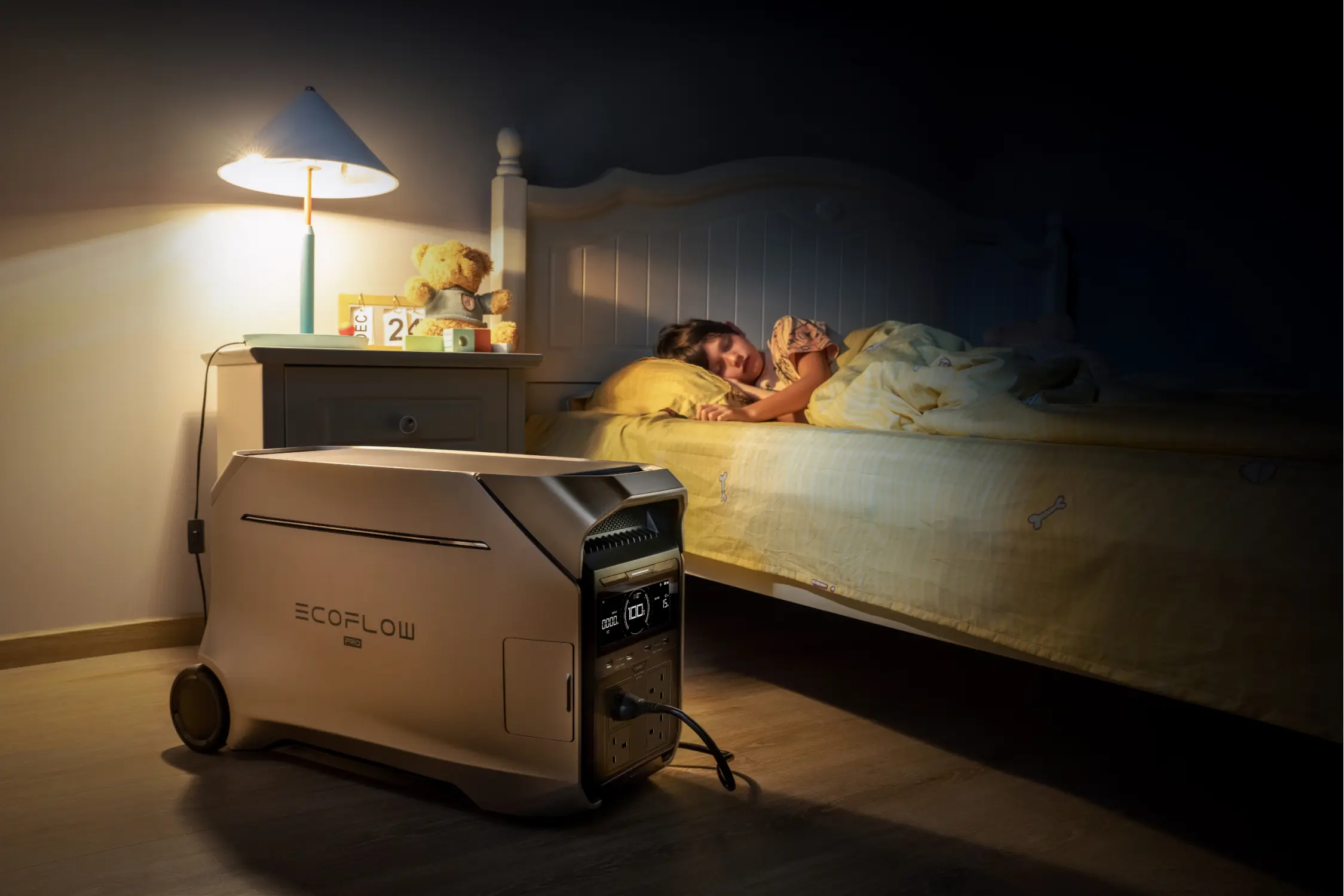
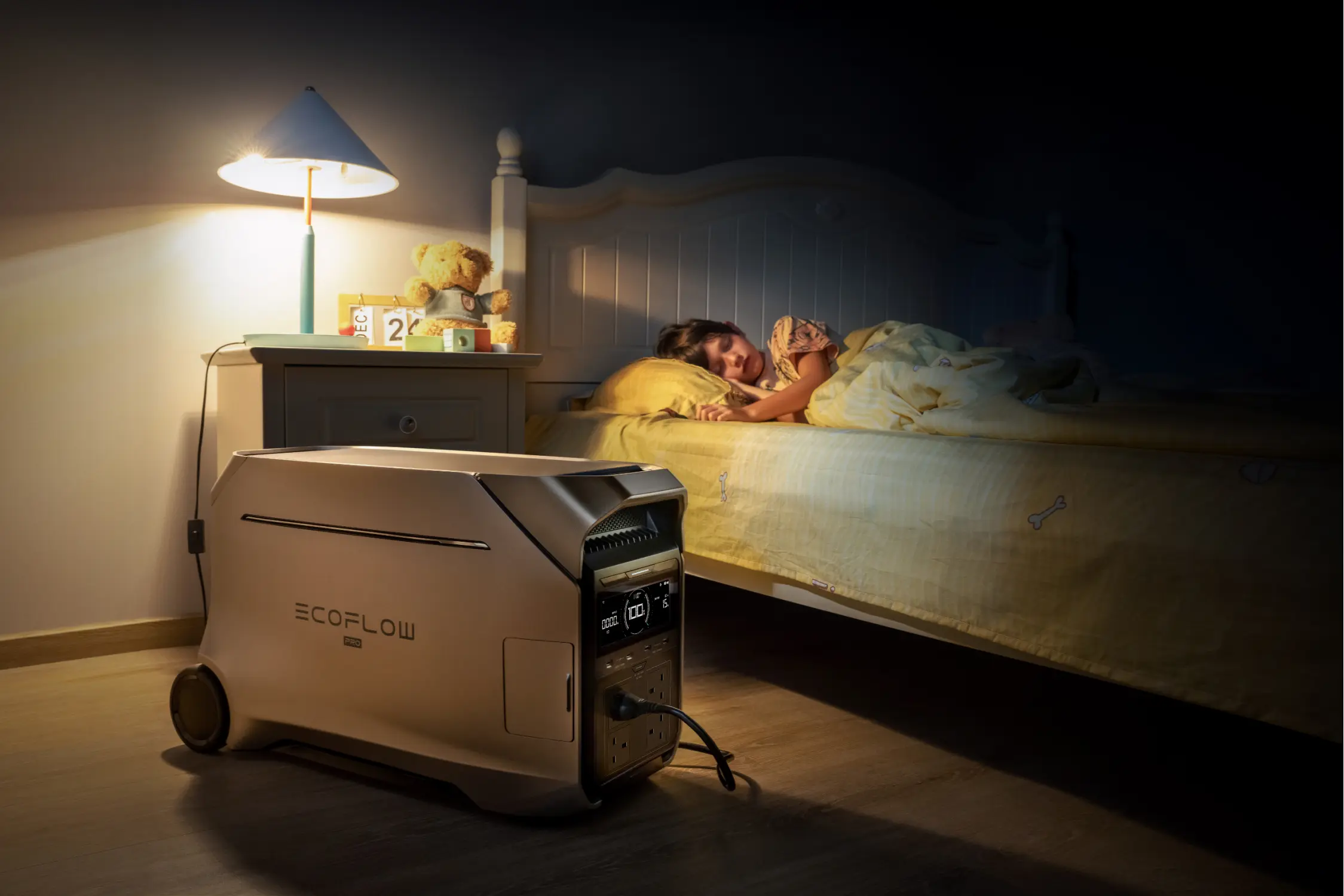
When project days call for power tools, large kitchen appliances, deep well pumps, or high-draw electric heaters, energy demands increase substantially. The EcoFlow DELTA Pro 3 Portable Power Station is engineered for these rigorous scenarios, offering high surge capacity and robust continuous output to manage heavy electrical loads. For full-time off-grid residents running several appliances at once, it provides a quiet, expandable foundation that keeps heavy-duty gear running, provided total power demand stays within system output limits.
How Can You Choose Off-Grid Appliances for a Canadian Cabin?
Selecting the right equipment requires balancing upfront hardware costs against long-term reliability and power consumption.
Compare Appliance Costs and Efficiency
A cheaper appliance often costs more over time if it forces you to double the size of your battery bank and solar array. Spending extra on an ultra-efficient refrigerator or a variable-speed water pump frequently reduces the total number of solar panels and batteries required, lowering your overall system cost.
Consider Performance in Different Conditions
Sub-zero weather affects both appliances and system hardware. Much like choosing essential gear for winter hunting based on thermal tolerance, preparing an off-grid cabin requires checking equipment limits before severe weather arrives. Many lithium-ion batteries should not be charged below 0°C unless they have a suitable low-temperature charging system or manufacturer-approved heating function. Propane vapor pressure also falls as temperatures drop, which can affect high-demand appliances if the tank, regulator, or fuel supply is undersized.
Before installing equipment in a cold-weather cabin, check the manufacturer's specified operating and charging temperature ranges rather than assuming that a product will perform normally in all winter conditions.
Evaluate Installation and Maintenance Needs
Remoteness makes complex repairs difficult and expensive. Simple mechanical controls often outlast complex touchscreens in humid or freezing cabin environments. Ensure any appliance you choose features easily accessible replacement parts, straightforward wiring schematics, and manageable cleaning procedures.
Appliance Selection Checklist:
1. Verify continuous wattage and surge startup multiplier
2. Check low-temperature operating thresholds (sub-zero tolerance)
3. Confirm fuel availability (LPG delivery vs. solar storage)
4. Ensure plug-and-play compatibility with your power bank / inverter
Match Appliances to Your Power System
Before adding any new appliance to your shopping list, double-check your inverter’s continuous output and peak surge limits. Induction cooktops and well pumps draw brief but intense surge currents when their motors or heating elements kick on. Verifying that your battery chemistry and inverter capacity can handle these instantaneous peaks prevents disruptive breaker trips.
What Should You Consider Before Going Off Grid?
Long-term success off the grid comes down to realistic planning and preparing for seasonal changes.
Calculate Your Total Energy Needs
Create a detailed daily load sheet listing every device, its rated wattage, and the estimated hours it will run each day:
Example: Estimating Daily Cabin Energy Use
| Appliance | Estimated Daily Use |
|---|---|
| High-efficiency refrigerator | 600 Wh |
| LED lighting | 150 Wh |
| Laptop | 300 Wh |
| Satellite internet | 400 Wh |
| Water pump | 250 Wh |
| Other small loads | 300 Wh |
| Example total | 2,000 Wh/day |
This is only an example, not a universal target. Actual consumption varies significantly by appliance efficiency, usage habits, weather, and the size of the home.
Once you have a daily energy estimate, account separately for inverter and wiring losses, usable battery capacity, and a planning margin for unexpected demand.
Check Seasonal Solar Availability
Canada experiences dramatic seasonal shifts in daylight. While southern Ontario or the Prairies may enjoy 5 to 6 peak sun hours daily in July, that figure can drop below 1.5 peak sun hours in December.
For winter operation, size storage around your critical loads and the expected periods of poor solar production. How much additional battery reserve you need depends on the property's solar resource, weather, generator availability, heating method, and budget.
A backup generator can provide another layer of resilience during prolonged periods of low solar production.
Prepare for Future Energy Needs
Off-grid homesteads naturally evolve over time. You might begin with basic lighting and a cooler, then later expand to a washing machine, power tools, or an electric water pump. Selecting modular power stations and expandable battery systems allows you to scale up electrical capacity as your lifestyle grows, without replacing your initial setup.
Conclusion
Living comfortably off-grid in Canada is all about matching highly efficient appliances with a robust, weather-ready power system. By leaning on propane or wood for heavy heating tasks and powering essential electronics, refrigeration, and lighting with solar-charged battery systems, you can create a resilient, self-sufficient sanctuary across much of the country.
FAQ
Is It Legal to Live Off-Grid in Canada?
Yes, off-grid living is generally legal in Canada, as there is no single overarching federal or provincial ban against it. However, its feasibility heavily depends on local municipal bylaws. While rural and unorganized areas are generally welcoming, some developed municipalities mandate grid connections for water or electricity before issuing an occupancy permit. Additionally, all dwellings must comply with provincial building codes, electrical safety standards, and regional septic/greywater disposal regulations. It is highly recommended to consult your local planning department or township office before purchasing land or building.
Where Can I Live Off-Grid in Canada?
Unorganized townships in Northern Ontario, rural areas of the British Columbia interior, parts of Nova Scotia, and the Yukon offer some of the most favorable conditions and flexible zoning for off-grid living. Unorganized townships are particularly popular because they typically do not require standard municipal-level building permits and feature lower property taxes. However, structures must still meet provincial safety standards (like the Ontario Building Code) to ensure future insurability, resale value, and structural safety.
How Much Does It Cost to Live Off-Grid in Canada?
Setting up a fully functional off-grid homestead typically costs between $25,000 and $100,000+ CAD beyond the land purchase, depending on your choices for water filtration, septic systems, solar power storage, and insulated structure design. Ongoing annual costs remain relatively low, primarily covering propane refills, firewood harvesting, and periodic equipment maintenance.
What Is the Cheapest Way to Get Off-Grid Electricity?
A small DIY solar setup paired with a portable power station is the most cost-effective and low-maintenance entry point for off-grid electricity. For basic lighting, phone charging, and running a mini 12V fridge, a modest 400W–800W solar panel kit combined with a compact battery power station costs significantly less upfront than running expensive utility power lines to a remote property.