Luxury Home Renovation Ideas for Modern Canadian Homes in 2026
Professional Disclaimer & Advisory
This article is intended as a general guide for educational purposes and does not constitute a legal contract, engineering specification, or licensed professional advice. High-stakes home modifications (structural, electrical, or HVAC) involve significant financial and safety risks. We strongly recommend consulting with a registered engineer, licensed electrician, or certified HVAC professional before signing contracts or commencing any physical work. Ensure all renovations comply with the 2025 National Building Code of Canada and local municipal bylaws.
The new luxury in Canadian homes is not louder finishes or bigger spaces. It is a kitchen that works beautifully, a bathroom that feels warm in cold weather, and a home that stays comfortable through every season. In 2026, the most compelling home renovation ideas are the ones that improve everyday life, not just the ones that photograph well.
What Luxury Home Renovation Really Means in Canada Today
Luxury home renovations in Canada have shifted. The goal is no longer to impress at first glance. It is to build something that feels calm, personal, and easy to live in for years.
Quiet Luxury: Warm, Personal, and Lived In
The clearest design trend in high-end home renovations right now is the move away from showy interiors. Homeowners increasingly want spaces that feel natural and layered rather than formal and staged. That shows up through warm wood tones, textured fabrics, softer lighting, and materials that invite you to stay rather than just look.
In practical terms, quiet luxury means a home that feels designed around the people in it. It is comfortable on an ordinary Tuesday, not just when guests are over.
Comfort and Wellness as Everyday Priorities
Modern luxury is closely tied to how a home supports real life. A spa-like bathroom, a quieter bedroom, a proper home office, or a dedicated fitness space often delivers more day-to-day value than a dramatic statement wall or a trend-driven finish.
Layout is part of this too. Open-plan living is still popular, but many homeowners want a degree of separation as well. Gathering spaces matter, but so do quiet corners for work, rest, or privacy.
Why Energy Performance Is Now Part of the Luxury Standard
In Canada, how a home performs in cold weather matters as much as how it looks. A beautifully finished house that feels drafty, runs expensive, or loses heat unevenly does not feel luxurious once you are actually living in it.
That is why many home renovations in 2026 combine design upgrades with envelope improvements: better windows, stronger insulation, and smarter mechanical systems. Canada's 2025 National Building Code now includes updated energy efficiency requirements that are directly shaping how renovation projects are designed and permitted across provinces.
Luxury Home Renovation Ideas by Room
The strongest home renovation ideas focus first on the rooms that affect daily comfort and routine the most. These are also the spaces that tend to deliver the best combination of personal value and long-term resale appeal.
Kitchen Renovation Ideas That Anchor the Whole Home
The kitchen is the most impactful space in most luxury home renovations. The goal is not just a nicer-looking kitchen. It is one that works harder, feels more organized, and makes both cooking and gathering feel easier.
Large islands remain popular because they serve multiple functions at once. Custom cabinetry with concealed storage keeps the room calm and uncluttered. Integrated appliances, better ventilation, and layered lighting (task, ambient, and decorative) allow the space to shift from a morning routine to an evening dinner party without feeling like a different room.
Layout deserves just as much attention as finishes. Fully open kitchens are still common, but many homeowners are now choosing semi-open designs that maintain connection to the living area while giving the kitchen a bit more visual separation.
Materials to consider: warm stone surfaces like quartzite or honed marble, flat-front cabinetry in muted tones, and brushed metal hardware. These choices tend to age well and avoid the datedness that high-gloss or heavily trendy finishes can develop quickly.
Bathroom Renovation Ideas for Cold Weather Comfort
Bathrooms are where luxury home renovations and practical comfort come together most clearly. Heated floors, walk-in showers, soaking tubs, solid ventilation, and well-planned storage are the features that homeowners notice every single day.
In Canada, the cold-weather angle is real. A bathroom that feels warm and welcoming on a cold morning delivers more value than one that simply looks expensive. Radiant floor heating is one of the most consistently appreciated upgrades in Canadian renovation projects, particularly in bathrooms and entryways.
Finishes that lean calm and timeless tend to hold up better than high-trend choices. Soft stone looks, warm wood vanities, brushed metals, and easy-care surfaces have staying power. Storage planning should be part of the design from the beginning, not an afterthought.
Living Rooms and Bedrooms: Quiet Luxury Details That Last
These rooms benefit most from restraint. Quality seating, layered textiles, considered lighting, and a few strong design elements consistently produce better results than rooms that try to do too much.
Built-ins, fireplace upgrades, and improved window treatments add a tailored quality that feels high-end without being fussy. Acoustic improvements and proper blackout treatments are less visible but often more appreciated. A bedroom that is genuinely quiet and dark supports better sleep, which is as much a wellness upgrade as anything else in the house.
Color and materials: warm neutrals (cream, taupe, mushroom, clay) work especially well in Canadian homes where natural light can feel softer during colder, darker periods of the year. Accent color works better in small moments such as a chair, a piece of art, or painted millwork rather than across entire walls.
Basement Renovation Ideas for Year-Round Living
Basements offer some of the best square-footage value in Canadian home renovations because the space already exists and can be shaped around what the household actually needs: a media room, home gym, guest suite, office, or wellness area.
The performance layer has to come first. Moisture control, proper insulation, ventilation, and soundproofing between floors are not optional. A basement that feels damp, cold, or echoey will never feel like a luxury space regardless of the finishes on top. Get these right and the basement becomes one of the most livable and useful parts of the house.
Energy, Smart Systems, and Home Resilience Upgrades
The systems inside the walls are what determine how a home actually performs season to season. These upgrades are less visible than a kitchen renovation, but they have a significant impact on daily comfort, operating costs, and long-term home value.
Better Insulation, Windows, and Air Sealing
Drafts, uneven temperatures, and outside noise are among the most common complaints in Canadian homes, and envelope upgrades address all three. Improving attic and wall insulation, sealing air leaks, and replacing underperforming windows can make the entire house feel noticeably warmer, quieter, and more consistent.
In colder regions or in rooms exposed to wind and traffic, triple-pane windows are worth considering. These changes rarely generate the same visual excitement as a new kitchen, but homeowners who have done them consistently rate them among the most worthwhile investments in their renovation.
Heating, Cooling, and Smart Climate Control
Cold-climate heat pumps, zoned heating, radiant floors, and improved ventilation are practical upgrades for cold weather performance, particularly in provinces where rebate programs help offset upfront costs. These systems work best when paired with smart thermostats and integrated controls that allow different parts of the home to be managed independently.
For homeowners building a more connected home, it is worth asking contractors about devices that support Matter or Thread, the two open smart-home standards now widely adopted across lighting, thermostats, and security platforms. Choosing compatible devices from the start avoids the fragmentation that makes many smart-home setups frustrating to manage later. The best systems stay in the background: reliable, easy to use, and integrated rather than scattered across separate apps.
Backup Power Can Support Comfort and Resilience
Power outages in Canada are becoming more frequent due to storms, wildfire smoke events, and extreme cold snaps. More homeowners are now treating resilience as a deliberate part of their home renovation planning rather than something to figure out after the fact.
Backup solutions generally fall into three categories, each with different trade-offs:
Backup Option | Best For | Key Trade-off |
Standby generator | Whole-home coverage | Requires gas line and permanent install |
Home battery system | Clean, silent whole-home backup | Higher upfront cost |
Flexible, no-install partial backup | Limited to critical loads only |
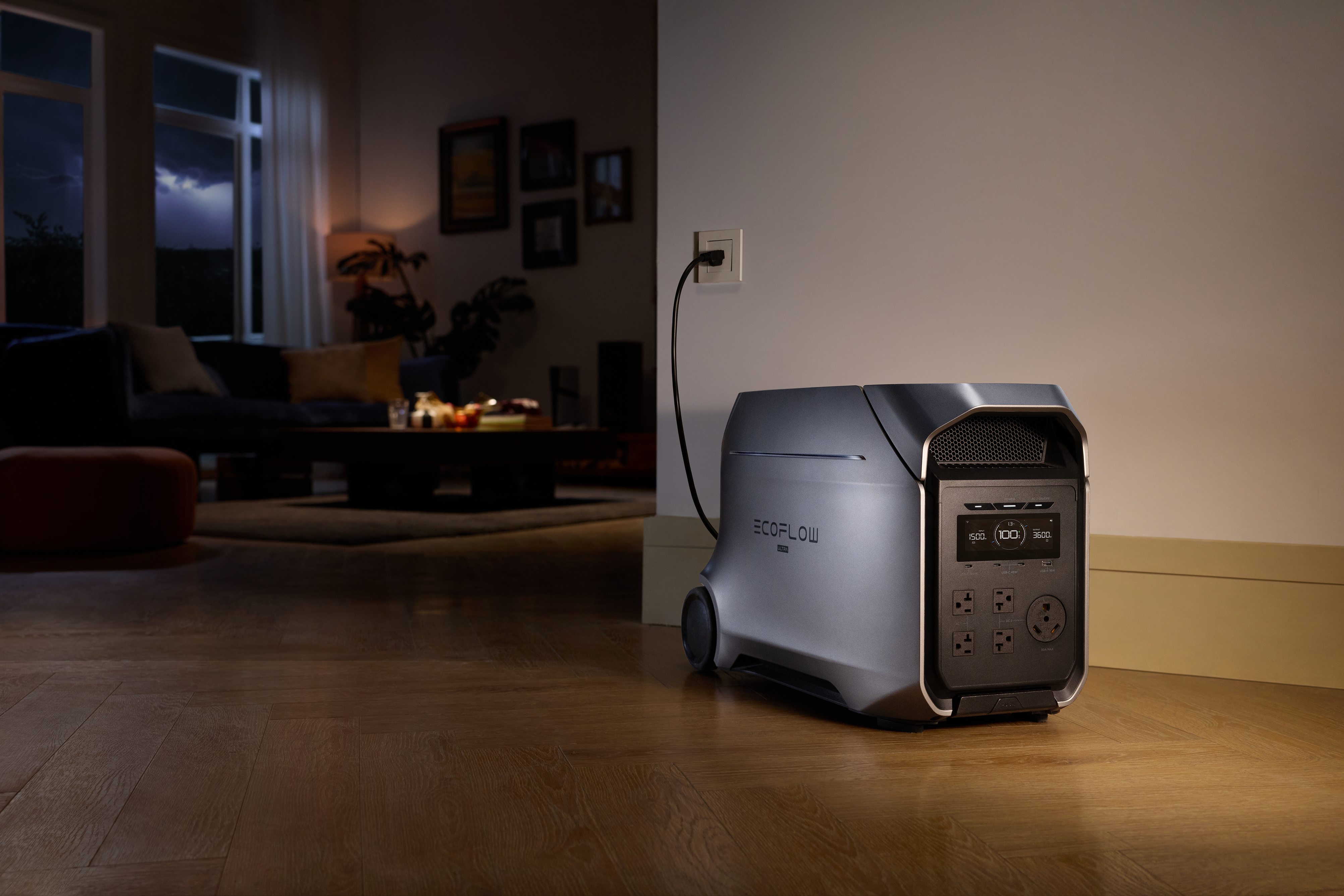
For households that want capable backup without permanent installation, modern high-capacity portable power stations offer a practical middle ground. Units like the EcoFlow DELTA 3 Ultra Plus Portable Power Station represent this category well: with a 3,072Wh base capacity and an expandable, plug-and-play design, they can run a refrigerator, sump pump, essential lighting, internet equipment, and device charging simultaneously, without a gas line or electrician. They also operate quietly and produce no indoor emissions, which matter in a well-designed, airtight home.
Regardless of which solution you choose, the most effective approach is to start by listing the household functions that must stay running during a disruption: refrigeration, heating equipment, a sump pump, security systems, or medical devices. Matching backup capacity to those specific priorities is more practical than trying to power the entire home at once.
How to Plan a Luxury Home Renovation in Canada
Good planning is what separates a renovation that finishes well from one that stalls, overspends, or delivers less than expected. Most problems during construction can be traced back to decisions that were not made clearly enough before work started.
Define Your Renovation Scope and Priorities First
Start with the central question: what is the primary goal of this renovation? Better daily comfort, improved resale value, a layout that fits the family better, stronger energy performance, or some combination of these are all valid starting points. Knowing the answer helps separate must-haves from nice-to-haves before pricing and contractor conversations begin.
Also decide early whether a full renovation or phased home renovations make more sense for your situation. Phasing can spread cost and disruption over time, but it works best when there is a clear long-term vision guiding each stage so earlier decisions still support later ones.
Set a Realistic Home Renovation Budget by Project Type
Costs vary widely depending on scope, city, structural complexity, and the age of the home. The table below gives a practical starting framework.
Project Type | Typical Canadian Cost Range | Key Cost Drivers |
Single luxury bathroom | $20,000 to $40,000+ | Fixtures, heated floors, custom tile, ventilation |
Mid-range kitchen renovation | $25,000 to $55,000 | Cabinetry, appliances, countertops, lighting |
Multi-room renovation | $80,000 to $150,000+ | Scope, structural changes, mechanical upgrades |
Whole-home luxury remodel | $150,000 to $300,000+ | City, size, systems, custom millwork, age of home |
Two principles apply at every level. First, costs rise quickly when work involves moving walls, upgrading plumbing or electrical, or adding custom millwork. Second, always build in a contingency of 10 to 20 percent. Older homes regularly reveal hidden issues once walls are opened, and having that buffer reduces stress and leads to better decisions when surprises come up.
Where to Stay During Home Renovation
Once scope and timeline are settled, living arrangements need to be part of the plan. For smaller or contained projects where at least one kitchen and bathroom remain usable, staying in place is often workable. For renovations that affect multiple bathrooms, the kitchen, major systems, or large portions of the house, moving out temporarily is usually the better choice for everyone involved.
When deciding where to stay during home renovation, use this quick comparison to find the right fit:
| Option | Best For | Typical Cost Level | Watch Out For |
| Stay with family or friends | Short projects, tight budgets | Low | Set a clear move-out date upfront |
| Short-term furnished rental | Medium-length projects needing privacy | Moderate | Availability near your home |
| Extended-stay hotel or serviced apartment | Longer projects, families needing kitchen and laundry | Moderate to high | Weekly rates vary significantly by city |
| On-site RV or temporary unit | Large lots, longer projects, pets | Variable | Local zoning restrictions apply |
Whatever you choose, factor the cost into the total renovation budget from the beginning. It is one of the most commonly overlooked line items in renovation planning.
FAQs
Q1: What Is Considered a Luxury Home Renovation?
A luxury home renovation is defined more by quality and intention than by price alone. It typically involves custom design, premium or long-lasting materials, strong craftsmanship, and upgrades that improve how the home functions day to day: better layouts, quieter rooms, smarter systems, and finishes that hold up well over time.
Q2: How Much Does a Home Renovation Cost in Canada?
Costs vary widely. A mid-range kitchen renovation typically runs between $25,000 and $55,000 in Canada, while a full luxury bathroom can range from $20,000 to $40,000 or more. Whole-home luxury home renovations depend heavily on scope, city, structural complexity, and the age of the home. Always budget a contingency of at least 10 to 20 percent for surprises.
Q3: Is It Cheaper to Renovate or Move?
For many Canadian homeowners in 2026, renovating is more cost-effective than moving. Transaction costs alone, including commissions, land transfer taxes, legal fees, and moving costs, can add up to tens of thousands of dollars before a single upgrade is made. Phased home renovations can also spread investment over time, making the financial impact more manageable.
Q4: Where Do People Stay During Home Renovation?
The most common options are staying with family or friends, short-term furnished rentals, extended-stay hotels or serviced apartments, and temporary on-site housing where zoning permits. The right choice depends on budget, project length, household size, and whether pets are involved. For whole-home or kitchen-heavy projects, planning where to stay during home renovation early is one of the most practical steps a homeowner can take.
Q5: Which Rooms Add the Most Value in a Home Renovation?
Kitchens and bathrooms consistently deliver the strongest combination of daily use and resale return. Envelope improvements such as windows, insulation, and heating systems add both comfort and long-term value that buyers increasingly recognize. The most impactful renovation is usually the one that solves the biggest real problem in the home, whether that is an outdated kitchen, a cold basement, or a layout that no longer fits how the family lives.