Weather-Proofing Your Renovation: Is Your Home Ready for the Next Power Outage?
- Key Takeaway
- Why Plan for Power Outages During Home Renovations?
- First, Assess Your Home's Weather and Outage Risks
- Strengthening the Building Envelope for Extreme Weather
- Electrical Planning: Building an Outage-Ready Infrastructure
- Backup Power Options to Integrate into Your Renovation
- Room-by-Room Renovation Strategies for Outage Resilience
- Safety, Comfort, and Practical Preparedness
- How to Work with Your Renovation Team
- Build a Stronger Home with Smart Renovation
- FAQs about Outage Readiness
Key Takeaway
The best time to prepare your home to withstand extreme weather conditions and power outages is when you are renovating it. By upgrading the building envelope, electrical layout, and backup power options at the same time, you can stay safe, comfortable, and connected when the power goes out.
Extreme weather, such as ice storms, summer heatwaves, and spring rains, is more common today than it used to be. Often, such extreme weather will take down the local power grid, leaving you and your family in the dark for hours or even days. Weather-proofing your renovation involves two main goals. First, you want to protect your house, or structure, from the wind, rain, and temperature changes. Second, you want to make sure you're ready for when the power goes out, so your life doesn't stop. By using your next building project to create a more resilient home, you will be ready for whatever the Canadian climate throws at you.
Why Plan for Power Outages During Home Renovations?
Starting these upgrades during a renovation is smart because your walls are already open. It allows you to change wiring and add insulation with much less effort and lower labor costs. This timing saves money because you only pay for the finishing work once.
A power failure is more than just losing the lights. It stops your furnace from running in the winter, kills the fridge, and shuts off your internet. For many Canadians, a blackout also means the sump pump stops working, which can lead to a flooded basement.
Planning ahead keeps these critical systems running so you avoid property damage and stay comfortable.
First, Assess Your Home's Weather and Outage Risks
Look at the unique threats in your area before you buy anything. Challenges in each state are different, from coastal winds in the East to deep freezes in the Prairies and Ontario.
Identify Local Climate Threats
Think about what happens most in your area. Do you deal with heavy snow that sits on the roof? Are summer storms bringing high winds? If your street floods during heavy rain, your renovation should focus on water management and drainage to keep the foundation dry.
Review Your Outage History
Note how often the power fails and how long it stays off. If you usually lose power for ten minutes, your needs are different than if you lose it for three days every winter. This history helps you decide how much backup power you actually need.
List Your Critical Needs
This might include medical equipment that needs a constant charge, a home office for remote work, or a security system. Don't forget about pets; fish tanks and reptiles need specific temperatures to survive a long Canadian winter night without a heater.
Strengthening the Building Envelope for Extreme Weather
The building envelope is the barrier between your living space and the outdoors. A strong envelope keeps the heat inside during a winter blackout and keeps the house cool during a summer heatwave.
Insulation and Air Sealing
Upgrade the insulation in your walls, roof, and attic. Better insulation acts like a thermos, slowing down how fast your home loses its temperature. While the walls are open, seal every small gap or draft around outlets and pipes. This keeps the wind out and makes your backup heating much more effective.
High-Performance Windows and Doors
Windows are often the weakest point in a house. During your home renovations, consider installing triple-pane glass. This provides a massive boost in holding heat. In areas with high winds, impact-resistant glass adds a layer of safety. New doors with high-quality weatherstripping also prevent water from leaking in during driving rain.
Water and Moisture Management
Check your roof and the metal flashing around chimneys. Ensure your gutters and downspouts are large enough to handle heavy downpours.
The ground around your house should slope away from the walls so water flows toward the street or a drain rather than sitting against your foundation.
Electrical Planning: Building an Outage-Ready Infrastructure
A renovative home should have an electrical system designed for flexibility. This means organizing your power so it is easy to switch from the grid to a backup source without using a dozen extension cords.
Re-think Your Electrical Panel and Circuits
Ask your electrician to group "critical loads" together. These are the things you can't live without, like the fridge, the furnace fan, the sump pump, and a few lights. By putting these on their own dedicated circuits, you can power just the important stuff during an outage, which saves fuel or battery life.
Add Provisions for Backup Power
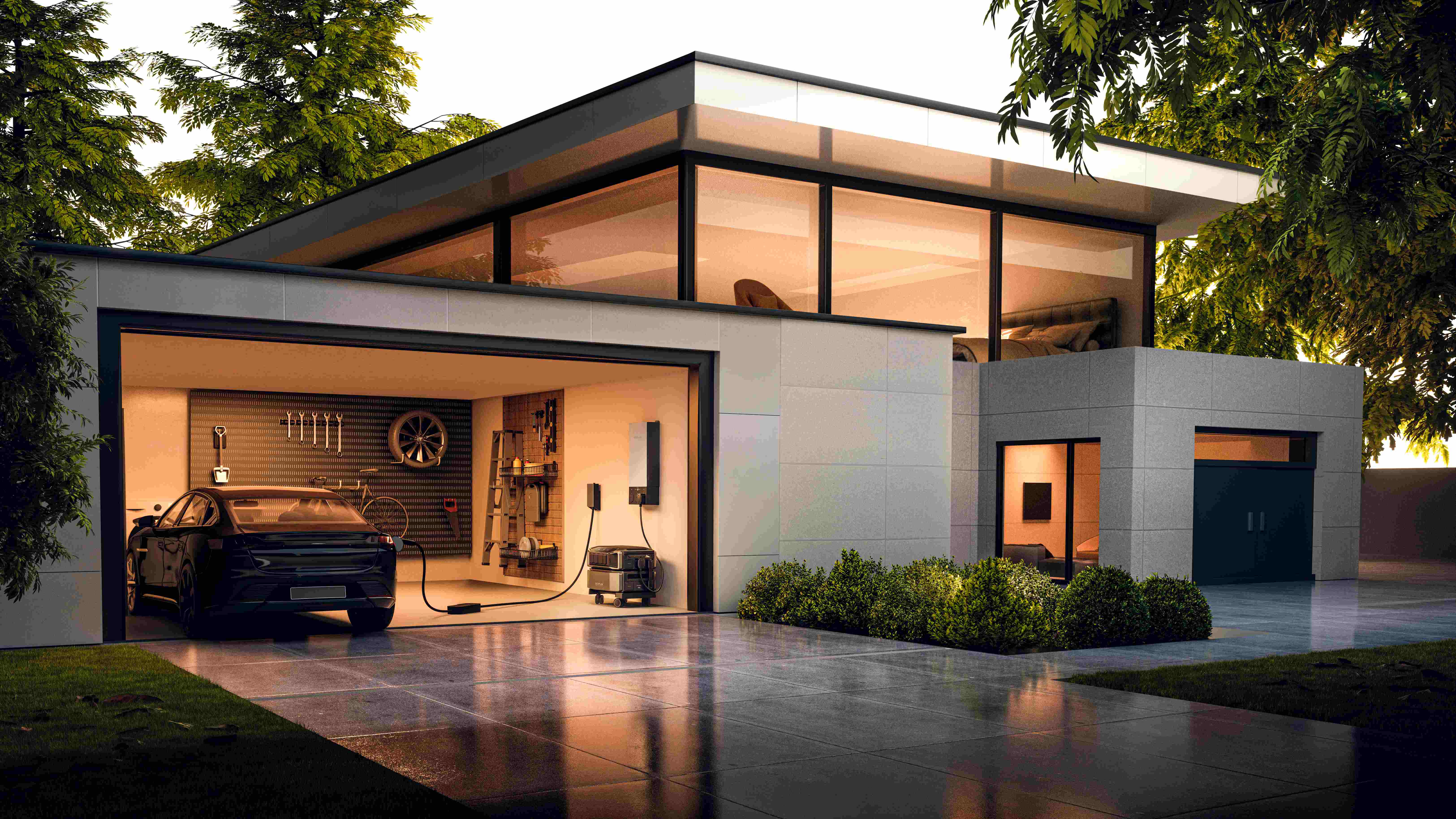
Even if you aren't buying a generator today, do the wiring now. Install a transfer switch or a generator inlet on the outside of the house. You should also pick a spot in the garage or utility room for future batteries. Doing this prep work now is cheap; doing it later is expensive.
Surge Protection and Grounding
When power comes back on after a blackout, it often arrives with a "surge" that can fry your TV or computer. A whole-house surge protector installed at the main panel guards all your electronics. Proper grounding is also vital to make sure your backup systems run safely.
Backup Power Options to Integrate into Your Renovation
There are several ways to keep the lights on, ranging from simple portable engines to advanced battery systems. The right choice depends on your budget and how much work you want to do during a storm.
Portable and Standby Generators
Portable generators are a popular choice because they don't cost a lot upfront. They run on gas or propane and can power your critical loads if you have a transfer switch. However, you have to go outside to start them and keep fuel on hand. Standby generators are permanent units that sit outside like an AC unit. They turn on automatically the moment the power fails. They cost more but offer total peace of mind.
Battery Backup and Home Energy Storage
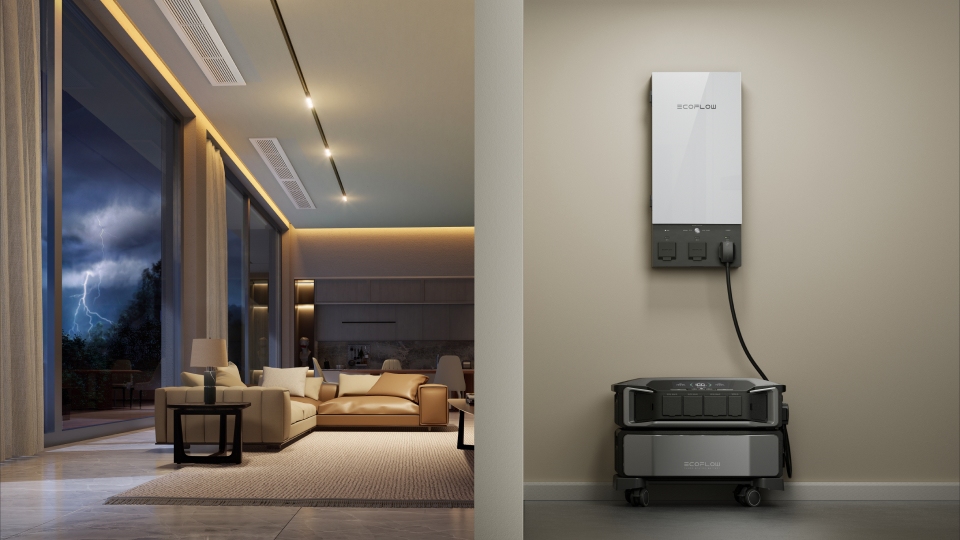
Battery systems are becoming more common in Canadian home renovations. They are silent, don't use fuel, and can be installed inside. A large battery can run your whole house for a while, or a smaller one can just keep your lights and internet going. They are great because there is no "flicker" when the power goes out; the battery takes over instantly.
For whole‑home backup, EcoFlow DELTA Pro Ultra provides 6–90kWh of scalable storage, 7.2–21.6kW output, and fast automatic switchover, keeping critical home circuits running smoothly during extended outages.
Solar and Hybrid Systems
If you are replacing your roof, consider making it solar-ready. A hybrid system uses solar panels and batteries together. It's important to know that most solar systems stop working during a blackout unless they have a battery or a specific type of inverter. This setup allows you to recharge your batteries during the day even if the grid stays down for weeks.
Room-by-Room Renovation Strategies for Outage Resilience
During an emergency, each room in your house has a different job to do. Customizing your design room by room makes sure that even if you lose power, every area can still be used.
Kitchen
The kitchen is the heart of the home, especially in a crisis. Choose energy-efficient appliances that pull less power. If your local laws allow it, a gas stove can be a lifesaver for cooking when the electricity is out. Make sure the outlet behind your fridge is one of the "critical" ones connected to your backup system.
Living and Sleeping Areas
Comfort is key when the HVAC system is off. Install ceiling fans to move air during summer outages. Since these use very little power, they are easy to run on a battery. For lighting, use built-in LED fixtures on your backup circuits so you don't have to stumble around in the dark looking for flashlights.
Home Office
If you work from home, a power outage is a major disruption. Create a dedicated spot for your modem and router with its own small battery backup (UPS). This keeps your internet alive even if the rest of the house is dark. Built-in cable management makes it easier to keep these backup devices tucked away and tidy.
Basement and Utility Spaces
The basement is where the most damage happens during storms. Your sump pump must have a backup power source. If you are installing a battery or a permanent generator, make sure the utility room is well-ventilated and meets all safety codes. This is also a good place to put a dehumidifier to manage moisture after a storm.
Safety, Comfort, and Practical Preparedness
Big machines and wires aren't the only things that affect how you feel during a blackout. Small design choices also play a big role. As you work on your house, safety should always come first.
Safety Systems
Always use hardwired smoke and carbon monoxide detectors that have battery backups.
If you use smart locks, make sure they have a manual key override so you don't get locked out if the battery dies.
Security cameras should also be tied into your backup power so your home remains monitored.
Comfort and Usability
Install permanent emergency lighting in hallways and stairwells. These small lights stay off normally but glow when the power cuts out, preventing falls. In the summer, use thick window shades to block the sun; in the winter, they add an extra layer of insulation to keep the warmth in.
Essential Supplies
During your renovation, build a dedicated cabinet for emergency supplies. Store your flashlights, extra batteries, a first-aid kit, and bottled water here. Having a specific, easy-to-reach spot for these items means you won't be searching through a dark garage when a storm hits.
How to Work with Your Renovation Team
Building a resilient home requires good communication with your pros. They need to know your long-term goals so they can prepare the house correctly.
What to Discuss with Your Designer and Contractor
Tell your team that outage resilience is a priority. Discuss where to put a generator so the noise doesn't bother the neighbors. Talk to your electrician about "future-proofing"—even if you can't afford a battery now, having the wires in place saves you thousands of dollars later.
Getting the Right Permits and Inspections
Any time you touch the electrical panel or install a backup system, you need a permit. This is for your safety. An inspection ensures that your backup power won't "backfeed" into the utility lines, which could hurt workers fixing the grid. Always follow Canadian electrical codes and get the proper paperwork.
Build a Stronger Home with Smart Renovation
Upgrading your house is your chance to build a true fortress. Focus on the walls and the power system together to make your space safer and more efficient. This keeps your family warm and connected, even if the neighborhood loses power. Making these smart choices offers long-term peace of mind and protects your biggest investment for years to come.
FAQs about Outage Readiness
Q1: Do I really need backup power if outages in my area are rare?
Even if blackouts are rare, they usually happen during the worst weather. If it is -20°C outside, even a short outage can cause pipes to freeze or make the home dangerously cold. If you work from home or have a wet basement, even one outage can cost more in lost work or repairs than a basic backup system would cost to install.
Q2: What's the difference between a portable generator and a standby generator?
A portable generator is cheaper (usually $500–$2,000) and can be moved around, but you have to set it up in the rain or snow. A standby generator is permanent, costs more ($5,000–$15,000+), but turns on by itself in seconds. Standby units usually run on your home's natural gas line, so you never have to worry about running out of fuel.
Q3: Can I add solar now and batteries later as part of my renovation plan?
Yes. This is called being "storage ready." You can install the solar panels and a "hybrid inverter" during your renovation. This allows you to plug in a battery later on without changing the main components of the system. It is a great way to spread out the cost of your home renovations.
Q4: Which parts of my home should be on backup power first?
Focus on the "Big Five": the refrigerator, the sump pump, the furnace/heating controls, the internet router, and a few lights. Once those are covered, you can look at adding power for a microwave, a television, or specific bedroom outlets for charging phones.