Lakefront Cottage Guide: What to Know About Lakeside Living in Canada
Owning or renting a lakefront property gives you direct access to Canada’s best water, woods, and open skies. But living by the lake, whether for a quick long weekend or three months straight, comes with real logistical hurdles. Unpaved fire routes, sudden hydro outages, private wells, and seasonal weather maintenance require real work. Here’s what you actually need to consider about access roads, off-grid power, water systems, and seasonal upkeep before committing to a purchase or rental.
What Makes a Lakefront Cottage Popular in Canada?
Cottage living brings together open water, genuine privacy, and a completely different pace from city routines.
Access to Nature and Outdoor Activities
Swimming, fishing, kayaking, paddleboarding, powerboating, the water draws people in. Those trails heading into the woods matter just as much. For many buyers, the appeal goes beyond the property itself. It’s stepping out the door onto a dock, walking grass that rolls right into the water, and waking up to loons calling across the bay, not horns honking on the morning commute.
A Peaceful Escape From Urban Life
City life wears on you. The constant hum, the packed sidewalks, back-to-back meetings that blur into one. Lakefront cottages offer more space, privacy, and time outdoors. There’s room to breathe out there, room to stretch a hammock between two pines, light a fire without bothering the neighbours, and actually hear yourself think. Many owners say the quiet is what keeps them coming back, year after year.
Year-Round and Seasonal Cottage Living
Not every cottage works for every season. A basic three-season cabin, no insulation, no heat, just walls and a roof, handles summer weekends just fine. Fire up the BBQ, roll out the sleeping bags, and call it a trip. But staying through February? That takes serious work. Going the four-season route? That means upgrading insulation, installing a furnace tough enough for -30°C nights, winter-proofing every pipe, and having a snowplow contact saved in the phone.
Where Are Popular Lakefront Cottage Regions in Canada?
There are great lakefront properties in every province, but the feel of each region is distinctly different. The granite shield of Ontario doesn’t resemble BC’s mountain-framed lakes, and Alberta’s prairie waters are in a category of their own.
Muskoka Lakefront Cottages
Muskoka has earned its reputation as one of Canada’s premier cottage destinations. Clear water, pink granite outcrops, towering pines, the landscape sells itself. Families and seasonal residents return year after year, for the dependable boating, for swimming straight off the dock, and for fishing that actually lands dinner on the table.
The area features a mix of traditional wooden cabins alongside modern cottage rentals. What draws people in? The balance. Secluded enough to feel like an escape, but close enough to town that grabbing a jug of milk or a bag of ice doesn’t turn into an errand. It works well for short weekend visits and longer summer stays.
Other Popular Cottage Areas
Muskoka gets the spotlight, but Canada has plenty more waterfront worth knowing:
Kawarthas, Ontario: A chain of lakes that seems to go on forever. Boat through one, into the next, then another. Never the same shoreline twice.
Haliburton, Ontario: Thicker woods, steeper granite, quieter water. The bass fishing here is consistently good, and so is the solitude.
Lake of the Woods, Ontario: Over 14,000 islands and endless open water. Feels more like the Canadian Shield than almost anywhere else.
Okanagan Lake, British Columbia: Hot summers, long boating seasons, and wineries on the hillsides. Beach weather meets wine country.
Alberta Lake Regions: Prairie favourites for powerboating, summer camping, and family getaways.
Ontario sits at the heart of Canada’s cottage tradition. Quiet bays, gentle paddling routes, weekends that unfold at their own pace. For those exploring options across the province, these top cottages in Ontario provide a useful starting point.
What Should You Consider Before Choosing a Lakefront Cottage?
Buying or leasing a lakefront property involves more than falling in love with a view. Budget matters. So does spare time and tolerance for physical labour, because cottage maintenance requires ongoing attention. Check the road ownership, test the water pump, inspect the electrical panel, and see if your phone gets a bar of service. Skipping those steps now means costly surprises later.
Location and Accessibility
How often the cottage gets used often comes down to one thing: how hard it is to get there. Distance matters, sure. But so does the road itself. Some properties sit along private lanes where neighbours split the plowing bill. Others can only be reached by boat once the ice clears. Then there’s the everyday practicality, is there a hardware store within 20 minutes? A gas dock? A grocery store that doesn’t close at 5? Longer stays depend on those details.
Water Access and Property Conditions
A beautiful lake view doesn’t guarantee a swimmable shoreline. A good shoreline walk tells plenty. Wade in to check the depth off the dock, see if weeds are taking over, and grab a post to test for wobble. Before starting any building or renovation project, check with the local conservation authority, shoreline modification rules vary, and so do shore road allowances. Inside, same deal, look up at the roofline, peer at the foundation for any hairline cracks, give the deck piers a once-over, and don’t ignore walls that show water staining or paint that’s gone bubbly. Those signs can point to moisture problems or freeze-related damage. Fix it when it’s small and it’s practically nothing.
Water, Septic, and Waste Systems
Most rural waterfront properties rely on private wells or lake-draw pumps, paired with independent septic systems. Before signing anything, request a current water purity test. Ask about the septic tank’s age and pumping history, and confirm the system meets current municipal setback requirements from the shoreline.
Utilities and Power Availability
Check whether the cottage is connected to the local electricity grid and verify the main breaker capacity. Some older cottages still have 60-amp electrical panels, which may not provide enough capacity for modern appliances and equipment. Refrigerators, water pumps, space heaters, and power tools can place higher demands on the electrical system, increasing the risk of overloads. For off-grid properties or cottages located in areas prone to severe weather-related outages, a battery backup or portable power station can provide additional flexibility for managing essential power needs.
Internet and Mobile Connectivity
Test cellular signal strength in multiple spots on the lot. Not just by the door, walk down to the dock, over by the shed, inside the bedroom. Rural internet options vary widely; satellite and fixed wireless are common, but speed and reliability differ. Confirming available internet and mobile options helps prevent connectivity issues during remote work, while keeping communication and emergency updates accessible during severe weather.
How Can You Make a Lakefront Cottage More Comfortable?
A comfortable stay at the cottage really hinges on solid infrastructure. Electrical demands swing all over the place, one weekend it’s just charging phones, the next it’s keeping a full-sized fridge running for a two-week stretch. Add in unpredictable weather, remote locations, and rural hydro lines that aren’t exactly reliable, and a well-thought-out power setup stops being optional.
Plan Reliable Electricity for Weekend Cottage Visits
Most seasonal cottages connect to the hydro grid, but rural power lines can be affected by high winds, ice storms, and falling branches. A power outage on a Friday evening can quickly disrupt a weekend trip, leaving you without lights, Wi-Fi, or charged devices when you need them most.
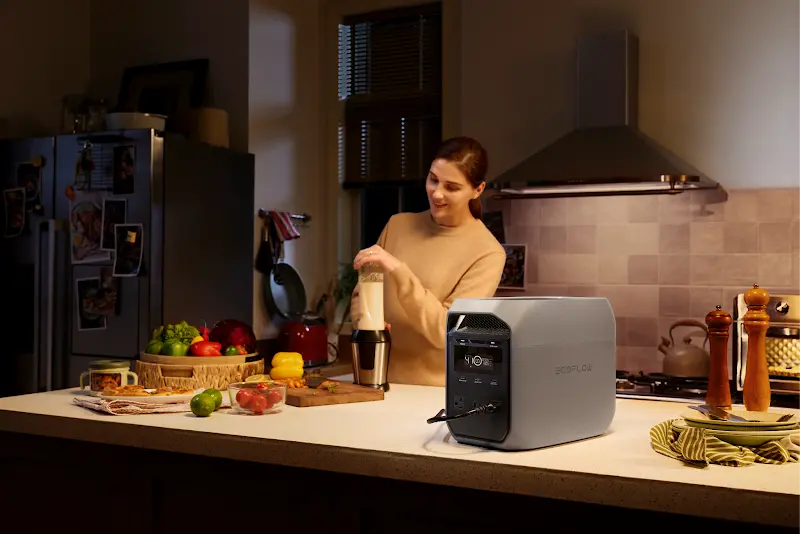
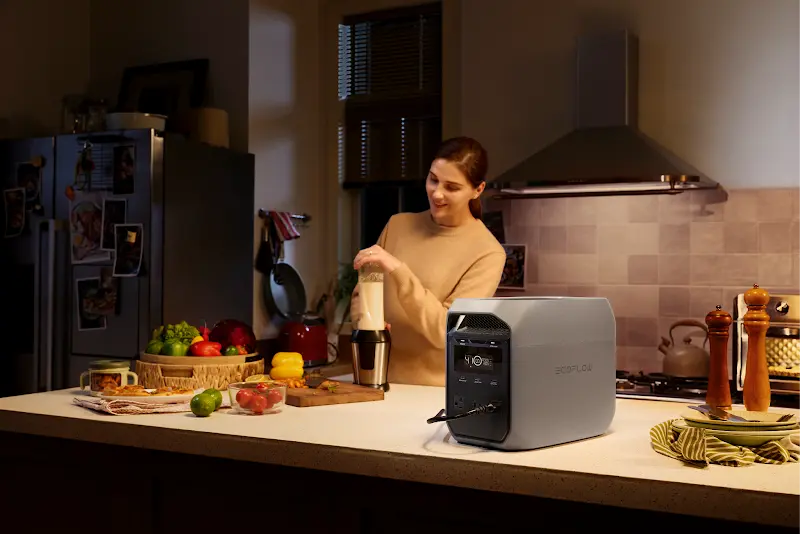
Traditional generators can provide backup power, but they require fuel storage, outdoor operation, and regular maintenance. A unit like the EcoFlow DELTA 3 Classic Portable Power Station can provide a convenient backup option for keeping essential devices powered. With 1024Wh capacity and 1800W output, it can support LED lights, routers, laptops, and phones, while avoiding the fuel storage, outdoor operation, and routine maintenance required by traditional generators.
Support Longer Cottage Stays With Solar Power
Heading out to a remote cabin for a few weeks changes your energy draw fast. It’s no longer just about topping off phones. Longer stays often involve running a fridge, water pump, coffee maker, and occasional power tools for dock or property maintenance, which can quickly add up. Without a reliable power plan, keeping essential appliances running becomes more challenging.
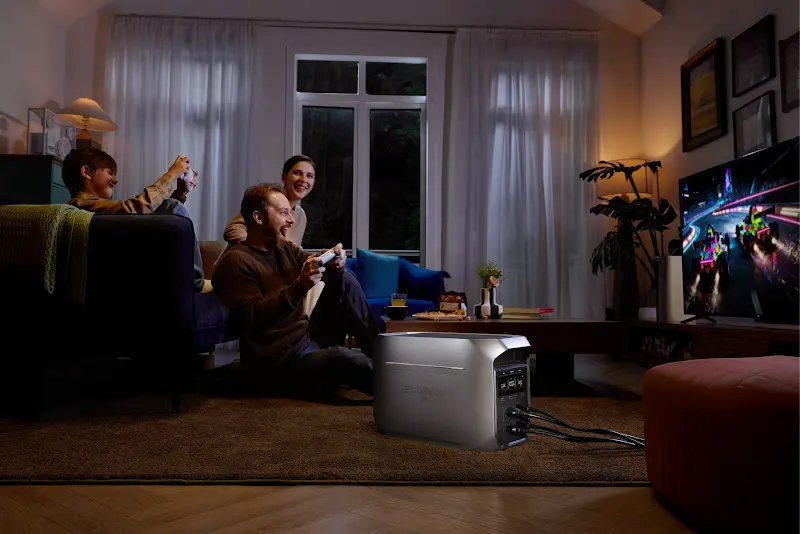
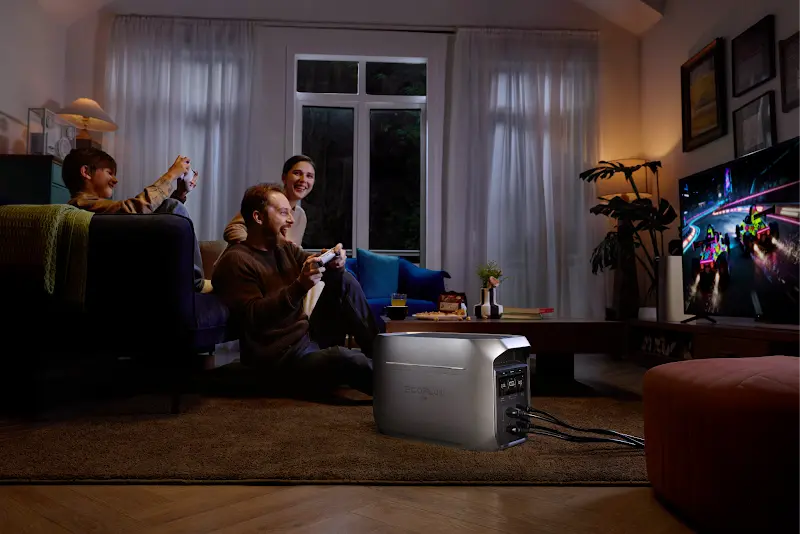
A system like the EcoFlow DELTA 3 Max Plus + 400W Solar Panel goes a long way toward meeting those off-grid demands. The 2048Wh battery provides extended runtime, and its output handles appliances like full-size fridges depending on what they draw. The solar panel can recharge the battery during daylight hours, helping extend power availability during longer summer trips in locations with limited access to traditional utilities.
Prepare for Different Seasons
Living on the water means adapting to changing seasons. Summer focuses on docks, boats, and outdoor upkeep, while colder months require more attention to heating, winter preparation, and weather protection. Regular seasonal maintenance helps prevent small issues from becoming larger repairs.
How Can You Maintain a Lakefront Cottage?
Keeping a lake property in good shape means staying one step ahead of the weather. Find that small leak or foundation crack early enough and it’s nothing more than a quick fix. Leave it alone and that little problem has a way of growing into something that costs real money.
Seasonal Opening and Closing Tasks
Spring opening always starts with the water system. Prime the pump, fill the hot water tank before flipping the breaker, and give the electrical connections a good once-over. Then head outside, check the roof for wear, look for loose seals, and see if any mice decided to winter inside. And don’t forget to test the smoke alarms before anything gets unpacked.
Shutting things down at season’s end takes discipline. Every water line and pump gets drained so leftover moisture can’t freeze and burst the pipes. Don’t forget the fridge, clear it out and seal everything up. The dock needs to come out before the water gets too cold to work in. Stack the patio furniture somewhere dry and unplug anything that’s not essential for keeping the place safe over the winter. Keeping a quick notebook log of what you did makes spring setup way easier.
Protect Your Cottage During Winter
When deep freezes hit, they put real stress on plumbing, pumps, and building materials. Wrapping exposed pipes in foam insulation is essential. If the heat stays on, keep the thermostat at a safe baseline. Clear out any standing water to stop mold from taking hold before locking the place up.
Before the first heavy snowfall, walk the property. Check the gutters, inspect deck footings, and make sure docks are secured against ice pressure. Power tools, lawn gear, and portable battery stations should all be stored in a dry, temperature controlled space, extreme cold drains battery life and speeds up rust on metal parts.
Prepare for Weather Changes
Winds sweeping across open water can snap dead branches and erode shorelines in a hurry. Walk around the property and look up, any branches getting too close to the roof need to go. Patio umbrellas have a habit of catching wind and taking off, so tie those down tight. And those drainage ditches? Keep them clear or water’s going to pool where it shouldn’t. After a storm, the only way to really know what happened is to lace up your boots and walk the whole shoreline.
Inside the cabin, keep an emergency bin stocked and easy to grab. From flashlights and a fresh first-aid kit to bottled water and a reliable power station, having these basics on hand means a sudden storm or a localized power outage doesn’t catch anyone off guard.
Conclusion
There’s nothing quite like a Canadian summer at the cottage. But comfort doesn’t happen by accident, it takes a little planning. Spring opening, proper winterizing, a backup power source within reach, many tasks are manageable with regular planning. A little effort upfront means a sudden storm or a blown transformer doesn’t have to turn the weekend into a write-off. And here’s something worth thinking about: independent off-grid power makes longer stays noticeably easier. Maybe it’s just a compact battery station to keep phones alive during a storm. Or maybe it’s a full solar setup for a month away from the grid. Either way, having reliable backup power helps keep essential devices powered when grid electricity is unavailable.
FAQs
Can You Live Off-Grid in a Canadian Cottage?
Yes, get the power, water, and waste systems right and it’s completely doable. Building codes, zoning laws, environmental rules, they shift from one township to the next. What flies in one place might not fly in another. So before turning that summer spot into a year-round residence, checking with the local municipality isn’t optional, it’s essential.
What Causes Solar Systems to Lose Efficiency?
Output drops for a few reasons, shade from trees, dust buildup, snow covering the panels, shorter days, and heavy cloud cover. Tilting panels properly, trimming back overhanging branches, and clearing off fresh snow all help maintain steady production. It’s also worth factoring in local weather patterns and the seasons when power demand is highest.
Can Solar Panels Charge During Canadian Winters?
Cold temperatures themselves do not prevent solar panels from generating electricity. The real challenges are shorter days, snow piling up on the glass, and cloudy skies. Setting panels at a steeper angle helps snow slide off and catches the lower winter sun. Planning for higher winter usage, or adding extra battery storage, helps offset those shorter daylight hours.
How Long Can a Portable Power Station Last?
Runtime depends on battery capacity, measured in watt-hours, and what’s plugged in. Phones, LED lamps, Wi-Fi routers, those barely make a dent and can keep going for days. Pumps and microwaves? Different story. They chew through power fast. Battery lifespan depends on a few things. Storage temperature matters. So does the age of the unit. And how deep the discharge goes on a regular basis. Sizing up just a bit beyond what daily use typically demands, that extra cushion means never stressing about hitting empty when it matters most.
What Size Solar Generator Works for a Cottage?
That depends entirely on what needs power. Phones, laptops, and a few lights, modest capacity does the job. A full-sized fridge, water pump, or power tools? That calls for a high-output unit with bigger solar panels. Start with the main appliances, add up what they draw when running and what they need to kick on. That basic number tells you how much battery and solar input is required to keep everything running without a hitch.