A Guide to the Lake Louise Ice Skating Adventure
Ice skating on Lake Louise doesn’t feel like skating at all. It feels like stepping into the middle of the Rockies in winter and realizing the lake beneath your feet is frozen solid. When the ice sets in and the Victoria Glacier hangs quietly above the valley, the entire place slows down. There’s no music, no boards, no walls. Just cold air, open space, and the sound of blades cutting into ice. This guide isn’t about hype. It’s about what actually makes skating here special, what you should bring so the cold doesn’t ruin it, and how to enjoy the experience safely without rushing through it.
Why Lake Louise Is the Most Iconic Ice Skating Destination in Canada?
What really sets Lake Louise apart from a neighbourhood rink isn’t polish or convenience, it’s the setting. Skating here feels tied to the land in a way that’s hard to explain until you experience it. You’re not stepping onto prepared ice inside boards and glass; you’re entering a winter landscape that feels unmistakably Canadian.
1. Natural Mountain Lake Setting
Lake Louise isn’t a rink built to look scenic, it’s a real mountain lake that happens to freeze solid each winter. As you skate, you’re gliding over a frozen ecosystem, surrounded by the steep peaks and wide open space of Banff National Park. The scale alone changes how the experience feels, transforming this ice skating outdoor rink into something much more immersive and expansive than any man-made facility.
2. Open-Air Ice Skating Experience
There’s a quiet stillness on the lake that’s hard to find elsewhere. Without walls or crowds pressing in, the alpine air feels sharper and cleaner. Each breath carries that familiar mountain scent, and on clear days the winter sun reflects off the snow covered slopes, adding warmth even when the temperature stays well below freezing.
3. Scenic Alpine Winter Views
No matter which direction you skate, the views pull your attention away from your feet. On one side sits the historic Fairmont Chateau Lake Louise, and on the other, sheer cliffs and frozen waterfalls frame the valley. It’s the kind of scenery that makes you stop mid-lap, simply to look around.
4. Maintained Natural Ice Surface
Although the lake itself is completely natural, the skating area is carefully looked after. Staff regularly clear snow to keep a wide section smooth and safe. During winter, especially around the annual Ice Magic Festival, large ice sculptures and even an ice castle are set up on or near the skating area, adding to the magical atmosphere as you glide across Lake Louise’s groomed surface. The result is a surface that feels wild but welcoming, balancing nature with just enough care to make skating accessible.
5. Remote Yet Accessible Location
Lake Louise feels far removed from daily life, yet it’s surprisingly easy to reach. Sitting just off the Trans Canada Highway, it’s an easy drive from Banff or even a manageable day trip from Calgary. That mix of remoteness and accessibility is part of what makes skating here so special, you feel like you’ve gone far, without actually going far at all.
Essential Gear Checklist for Ice Skating at Lake Louise
The Rockies are beautiful, but they don’t make things easy. Cold here isn’t just chilly; it’s the kind that creeps in quietly and cuts a good day short if you’re not prepared. Much like a ski trip packing guide, your priority should be high-quality warm layers to trap heat. A bit of planning goes a long way toward staying comfortable on the ice and avoiding the frustration of numb toes or losing power to your essential devices in the freezing temperatures.
1. Cold-Weather Clothing and Layering Essentials
Layering properly matters more here than anywhere else. The usual Canadian three-layer approach works best: a base layer that pulls moisture away from your skin, a warm mid layer like fleece or wool, and an outer shell that blocks wind and snow. Good wool socks are worth the investment. Cold feet are usually the first reason people head back to shore.
2. Ice Skates and Safety Accessories
Skate rentals are available at the Chateau, but if you have your own skates, you’ll likely be more comfortable, especially if they’re already broken in. Natural ice can feel harder and less forgiving than an indoor rink, so a helmet is a smart choice for beginners or anyone skating with kids.
3. Power Backup for Cameras and Hand Warmers
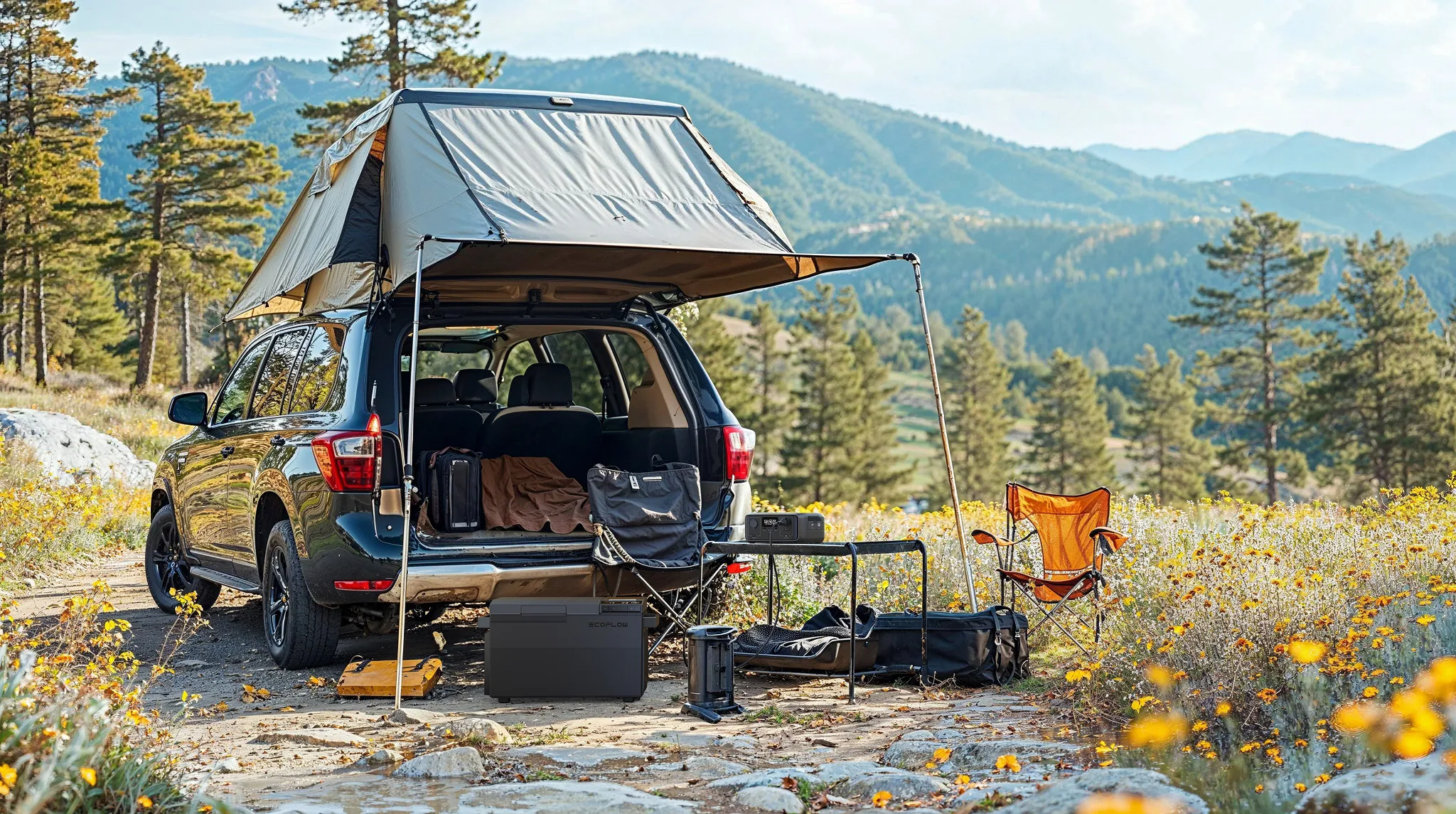
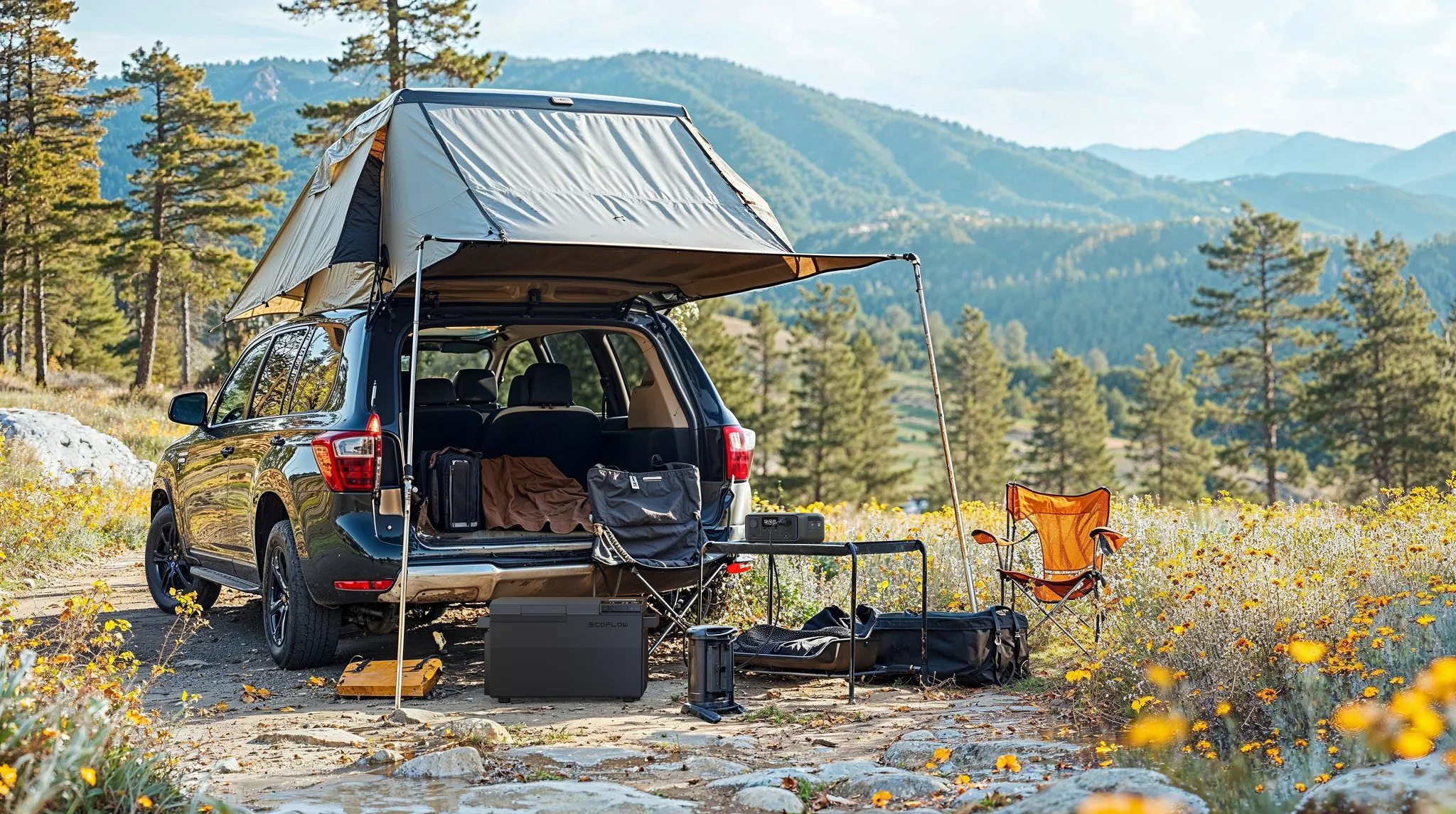
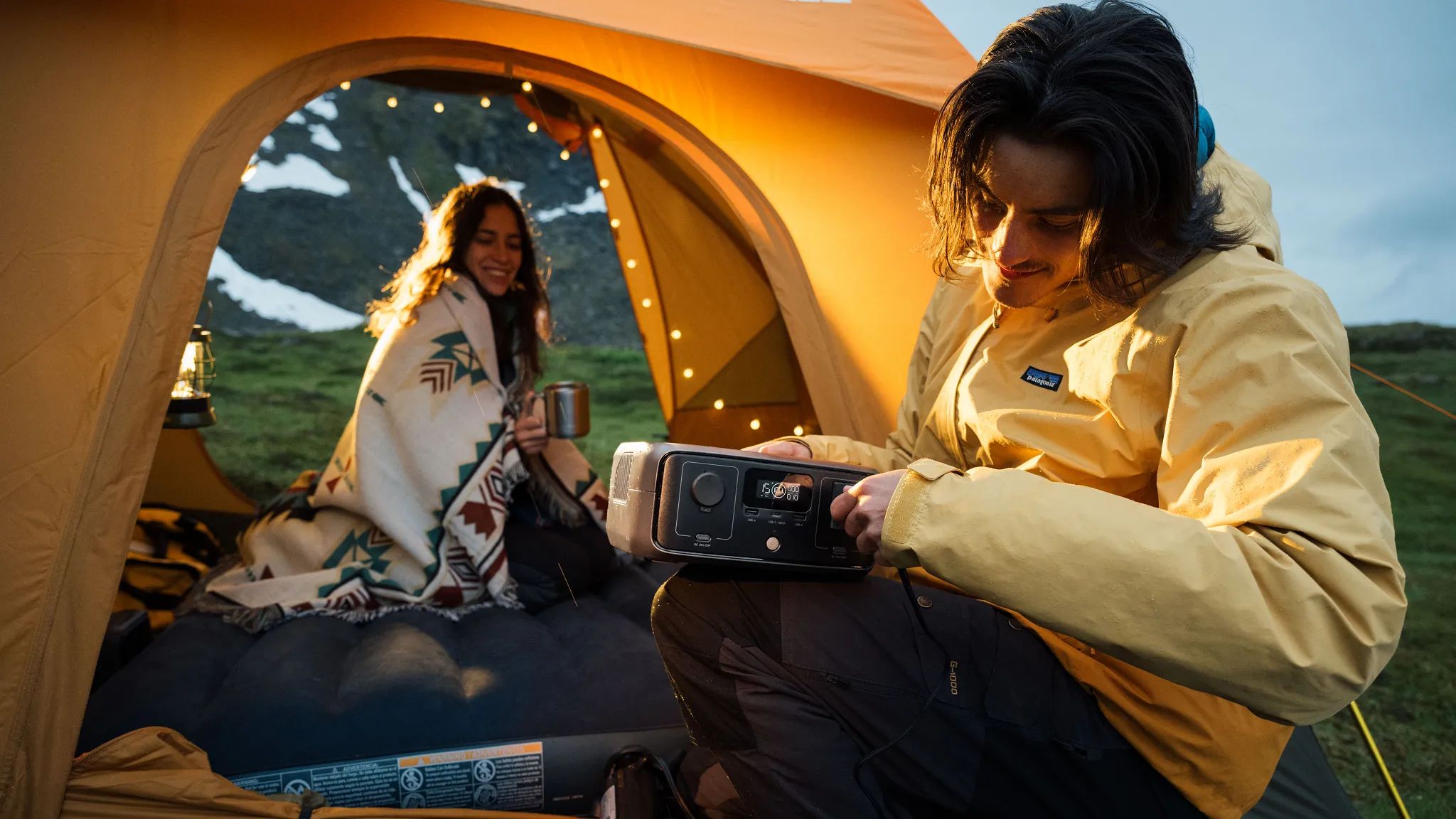
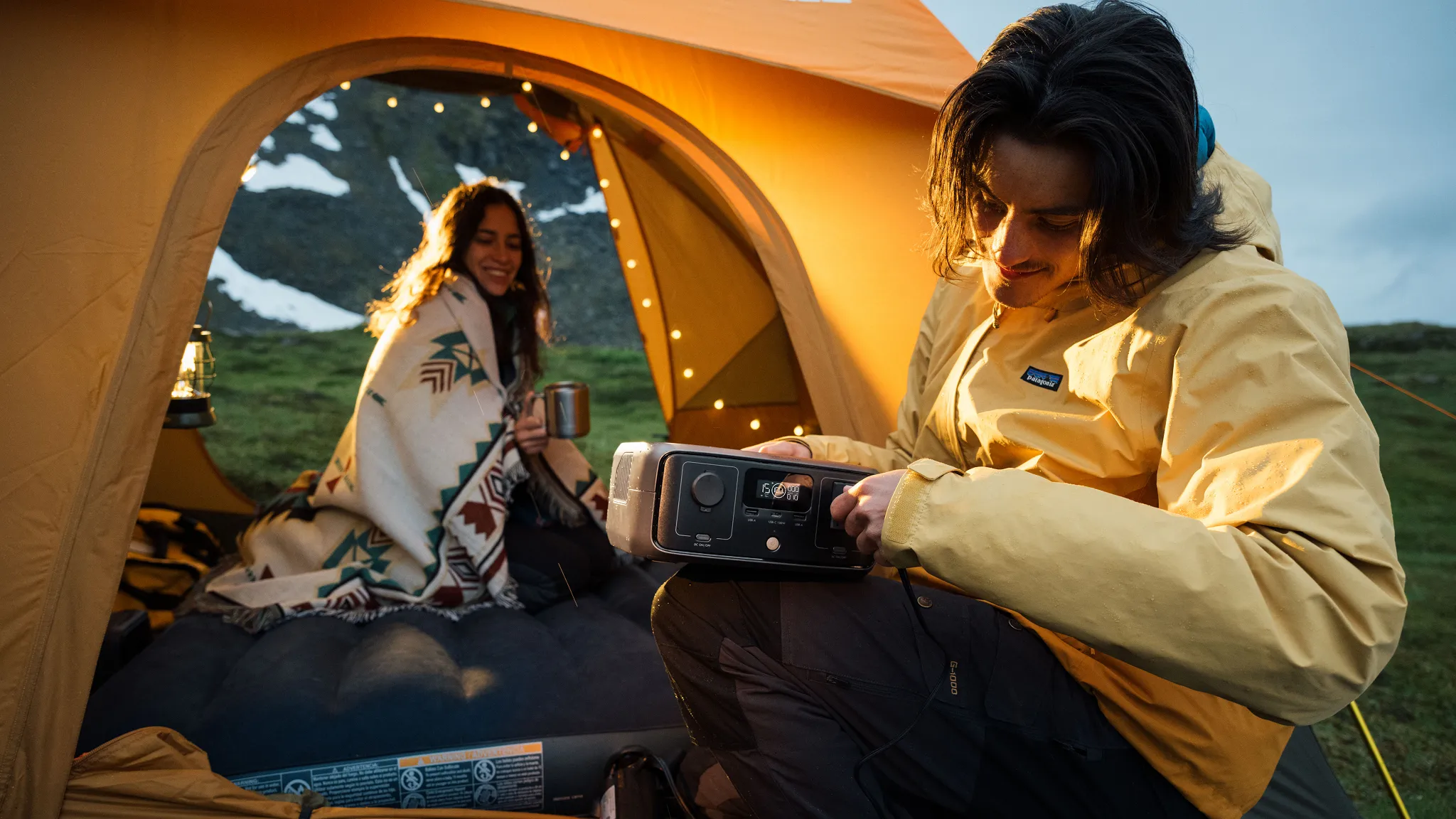
Cold temperatures drain batteries far faster than most people expect. Phones, cameras, and electric hand warmers can lose power in minutes once they’re exposed. Keeping something like the EcoFlow RIVER 3 Portable Power Station in your car or nearby gives you a reliable place to recharge. It means you can take photos, warm your hands, and stay out longer without worrying about everything shutting down at once.
4. Reliable Power Solutions for Winter Road Trips
Winter drives in the Rockies put extra strain on a vehicle, especially when temperatures drop well below -20°C. Cold starts, longer heater use, and shorter daylight hours all add up. For anyone driving in from Calgary or Banff, having a way to recharge gear while on the road makes a real difference. The EcoFlow 800W Alternator Charger lets you do exactly that, topping up portable power stations or spare batteries directly from your vehicle as you drive. It works far faster than a standard cigarette lighter outlet, so by the time you pull into Lake Louise, your power setup is ready to go instead of already running low.
5. Protective Storage for Electronics in Sub-Zero Conditions
When devices aren’t in use, keep them insulated or close to your body heat. Thermal pouches help, but even a jacket pocket can make a difference. Pairing insulated storage with a small power bank reduces the risk of being stuck with a dead phone just as the light fades or the cold sets in.
Core Techniques for a Better Ice Skating Experience
Skating on a frozen mountain lake isn’t the same as skating indoors, and it’s best not to expect it to be. The ice moves, shifts, and reacts to the cold, and that’s part of the experience. Instead of trying to skate “perfectly,” the goal is to stay relaxed and adjust as the surface changes beneath you.
1. Maintaining Balance on Natural Ice
Natural ice isn’t flat in the way a rink is. You’ll feel small bumps or raised areas where the lake has frozen and expanded. Keeping your knees loose makes a big difference here. Think of them as suspension rather than something locked straight. Try to stay centred over your skates. Leaning back, even slightly, makes it much easier to lose your footing when the surface isn’t even.
2. Controlling Speed and Direction
On a lake this big, speed builds without you noticing. One stretch of ice grips, the next suddenly doesn’t, and that’s where people get caught off guard. Sudden stops don’t work well when the surface changes under you. It’s safer to slow things down gradually and let yourself coast to a stop. When you turn, give yourself space. Wide, relaxed arcs feel far more stable than quick, sharp pivots on natural ice.
3. Using Proper Skating Posture
What you look at makes a bigger difference than most people realize. Staring down at your skates usually throws your balance off. Keeping your head up helps your body stay centred and relaxed. A slight forward lean feels more natural on uneven ice and gives you a better chance of recovering if your blade clips a crack or rough patch. Looking a few steps ahead lets you react before the ice surprises you.
4. Adapting to Uneven Ice Surfaces
Even on well maintained sections of Lake Louise, the ice doesn’t feel the same everywhere. One area might be smooth and fast, while another feels rough from wind blown snow. When that happens, widening your stance a bit helps you stay steady. It’s a simple adjustment, but it keeps your skates from catching and gives you more control when the surface changes suddenly.
5. Conserving Energy in Cold Conditions
Cold air and elevation wear you down faster than you expect. Short bursts of speed might feel fun at first, but they take a lot out of you. Longer, slower strides are easier to maintain and help keep your body warm without burning through your energy. Take breaks when you need them, drink some water, and don’t rush. Moving at a steady pace lets you stay out longer and actually enjoy where you are.
Safety Tips for Ice Skating on a Natural Frozen Lake
Even though the skating area at Lake Louise is well maintained, it’s still a frozen mountain lake, not an indoor rink. Conditions can change quickly, and staying safe comes down to paying attention and knowing when to slow down or call it a day.
1. Understanding Ice Thickness and Stability
Ice safety isn’t guesswork. While many casual guides note that about 10 cm (4 inches) of clear, solid ice can support a single person on foot, official safety recommendations from organizations like Parks Canada and the Canadian Red Cross advise thicker ice for skating. For example, Parks Canada states that natural ice should generally be at least ~15 cm (6 inches) thick before walking or skating on it, and thicker still for groups or activities involving more people. The skating area at Lake Louise is monitored closely, but it’s still important to know what you’re looking at. White or snow-covered ice often contains trapped air and is much weaker than it looks, so it should always be treated with caution.
2. Staying Within Designated Skating Areas
The lake is massive, and it’s tempting to wander farther out, especially on quiet days. Stick to the cleared and maintained area near the Chateau, where ice conditions are checked regularly. Other parts of the lake can be unpredictable, particularly near inlets from mountain creeks, where thinner ice can hide under a layer of snow even in mid winter.
3. Monitoring Weather and Temperature Changes
Weather in the Rockies can turn on you fast, sometimes within the same hour. A Chinook wind can roll through and raise temperatures suddenly, which can soften the ice before you realize what’s happening. On the flip side, snow squalls can move in just as quickly, cutting visibility down to almost nothing. Before you head out, check the local forecast, and once you’re on the lake, keep paying attention. If the wind picks up or the light starts to disappear, that’s your cue to get off the ice and warm up.
4. Preventing Cold-Related Injuries and Fatigue
Moving air makes the cold bite harder. Frostbite can set in quickly when skin is exposed, especially on the face. Keep an eye on the people you’re skating with and watch for pale or waxy skin on cheeks or noses. If fingers or toes start to feel numb, that’s not something to push through. Take a break, warm up gradually, and give your body time to recover.
5. Knowing When to Stop and Leave the Ice
Dusk is when conditions on the lake change the fastest. Once the sun slips behind the mountains, the temperature drops quickly, and the light shifts in a way that makes cracks and rough patches harder to see. It’s best to plan your skating earlier in the day and head off the ice while there’s still good daylight. Leaving with energy to spare makes the walk back easier and keeps a great day from ending on a risky note.
Conclusion
Skating on Lake Louise isn’t really about exercise or technique. It’s about being out there, surrounded by mountains, feeling the cold air on your face while your skates cut across a frozen lake that looks almost unreal. With the right layers, a bit of awareness about how natural ice behaves, and dependable portable power stations like EcoFlow to keep phones, cameras, and safety gear running in the cold, the experience stays enjoyable instead of stressful. Whether you grew up skating on outdoor rinks or you’re stepping onto the ice for the first time, the view of the Victoria Glacier and the quiet of the valley tend to stick with you. Dress for the cold, take your time, and enjoy what might be the most memorable skate you’ll ever have.
FAQ
1. What months can you ice skate on Lake Louise?
In most years, skating at Lake Louise runs from about mid December through mid April. The lake usually starts freezing earlier, sometimes as early as November, but the skating area isn’t opened until the ice is thick enough to safely support grooming equipment. Late January and February are often the best months to go, especially if you want to see the ice sculptures left behind after the Ice Magic Festival, as long as the cold holds.
2. In what months is Lake Louise frozen?
Lake Louise is usually frozen from November through late May. Its high elevation means the water cools quickly once fall arrives, and by mid winter, especially January and February, the ice is typically thick and solid. That said, frozen doesn’t always mean safe. As spring approaches, the lake can still look white and firm while the edges begin to soften. By May, those slushy conditions make walking or skating risky, even though the surface may appear frozen at a glance.
3. Which is nicer, Banff or Lake Louise?
It really comes down to the kind of experience you’re after. Banff feels like a lively mountain town, with plenty of restaurants, shops, and places to go in the evening. It’s convenient, busy, and a good base if you like having options close at hand. Lake Louise is quieter and more dramatic, especially in winter. Once the day winds down, it feels calm and remote, like you’ve stepped deeper into the mountains. Many visitors end up staying in Banff for the amenities and heading to Lake Louise for the scenery and outdoor experiences that make the area famous.
4. Is it worth going to Lake Louise in winter?
For many people, winter is actually the best time to see Lake Louise. The crowds thin out, the landscape feels quieter, and everything takes on a storybook look once the lake freezes over. Instead of turquoise water, you get snow covered peaks, sleigh rides across the ice, and skiing just minutes away at the Lake Louise Ski Resort. Skating on the frozen lake alone is enough to make the trip worthwhile. As long as you’re ready for the cold with proper layers, and have a dependable way to keep phones and cameras powered, such as a power station from EcoFlow, winter at Lake Louise tends to be less hectic, more atmospheric, and genuinely memorable.
5. Is Lake Louise colder than Banff?
Yes, it usually is. Lake Louise sits higher than Banff, by roughly 350 metres, and that elevation difference shows up in the temperature. On most winter days, Lake Louise is about 5°C to 10°C colder than Banff. The lake is also tucked into a glacial valley, which tends to trap cold air and keep it from moving on quickly. If you’re heading up from Banff, packing an extra layer isn’t being cautious, it’s just practical.