Best Ice Fishing Rods for Canadian Winters: What Actually Matters in Extreme Cold
- Why Ice Fishing Rod Choice Matters in Extreme Cold
- Key Rod Features to Consider for Winter Ice Fishing
- Choosing Rods for Different Species: Panfish, Walleye, and Lake Trout
- Budget and Value Considerations for Ice Fishing Rods
- Ontario Ice Fishing Regulations and Safety Guidelines
- Using Portable Power to Support Ice Fishing in Extreme Cold
- Preparing Your Ice Fishing Setup with EcoFlow Backup Power
- Frequently Asked Questions
- Preparing Your Ice Fishing Setup with EcoFlow Backup Power
Canadian winter ice fishing is the perfect opportunity to catch walleye, lake trout, and panfish in world-class frozen lakes. While the fishing itself is amazing, the freezing temperatures create some unique equipment challenges that anglers in the south don't face.
Your rod selection is key. But that's not the only equipment that matters when you're preparing for Canadian ice fishing in the winter. Learn more about how power solutions can support ice fishing in extreme cold to make sure your winter fishing trip is the best one yet.
Why Ice Fishing Rod Choice Matters in Extreme Cold
Did you realize that the metal from your rod can be impacted by freezing weather? Temperatures below -20ºC can cause brittle rod materials to snap under normal pressure, making material choice absolutely critical. Carbon fibre and fibreglass, two of the more common rod materials, both respond differently to extreme temperatures. Carbon fibre is more sensitive to sudden impacts when frozen, so fibreglass is often a better choice in these extreme conditions.
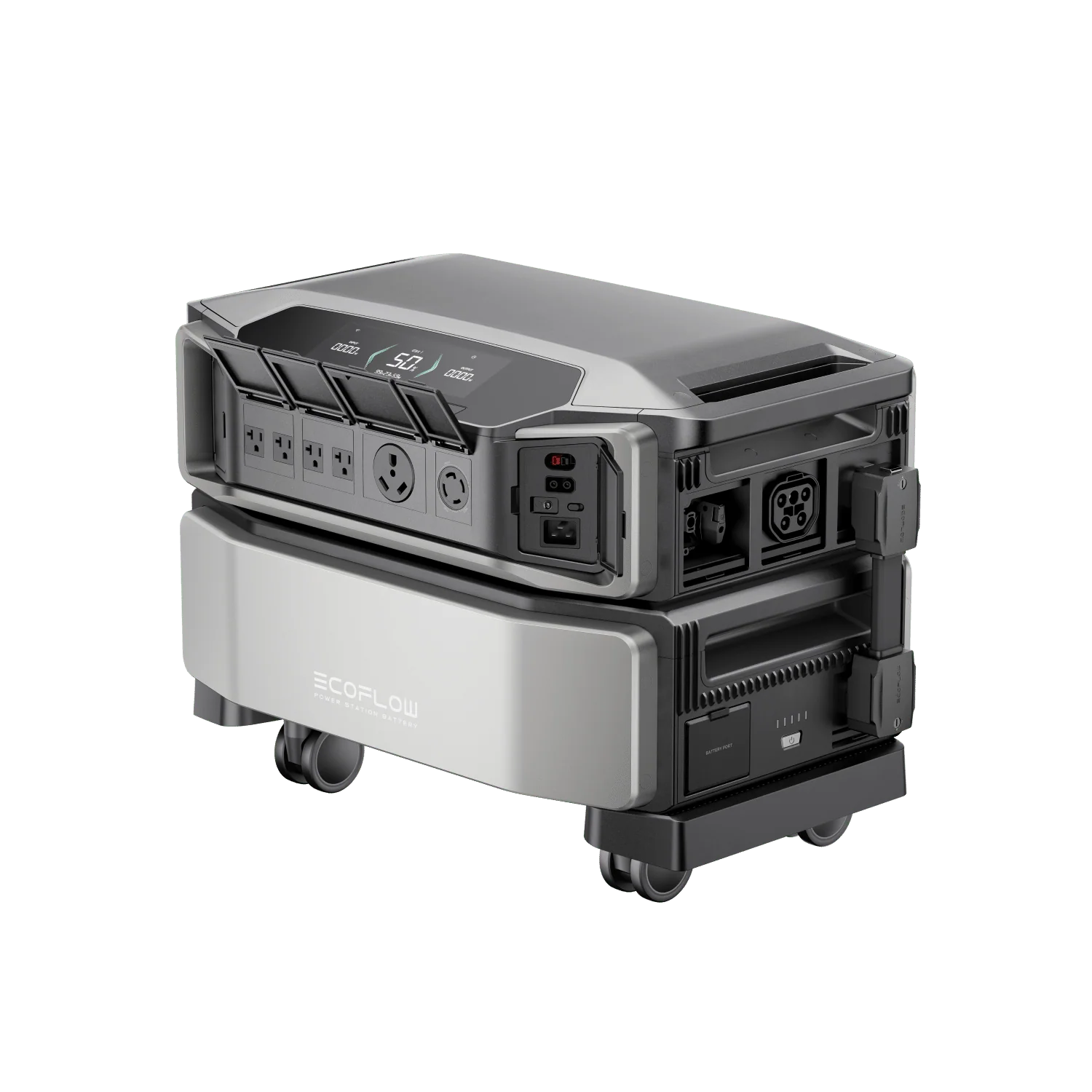
When you choose the right rod, including components that are rated for certain temperatures, you can avoid equipment failure and extend your fishing window deeper into the winter months when prized trophy fish are their most active. Be sure to bring your EcoFlow DELTA Pro Ultra when you head out, which ensures you have reliable, off-grid power for your fishing gear and devices.
Key Rod Features to Consider for Winter Ice Fishing
Length: Typically 24–36 inches for ice shanty fishing and a longer rod for open ice angling.
Power: Medium-light power can handle most walleye and panfish, and maintain sensitivity for other lighter bites.
Responsive tips: Fast-action tips can detect even subtle bites in winter, when fish are more lethargic in such cold water.
Guide material: Ceramic or stainless steel guides are more resistant to ice buildup than cheaper alternatives.
Handle material: Cork handles offer better insulation than EVA foam when you’re in sub-zero conditions.
Two-piece versus one-piece design: A one-piece design will be more sensitive, but two-piece designs allow for much easier transport.
Choosing Rods for Different Species: Panfish, Walleye, and Lake Trout
For panfish, crappie, or perch, go with an ultralight rod 24 to 28 inches with sensitive tips to detect nibbles.
If walleye is your goal, choose a medium-to-light 28 to 32-inch rod that can balance both sensitivity and backbone for 6 to 10-pound lines and jigging spoons.
A medium to heavy 32 to 36-inch rod works well for lake trout, as they can handle heavy jigs and aggressive strikes from fish.
Selecting your rod based on the species improves your hookup ratios, which matters when fish are finicky in cold water.
Budget and Value Considerations for Ice Fishing Rods
Entry-level rods typically run about $30 to $50 each and are ideal for occasional anglers who are targeting panfish. Mid-range rods are about $50 to $120 and offer better sensitivity and durability if you regularly go on weekend trips. Serious anglers can get good use out of premium rods priced between $120 and $300, which feature cold-weather-specific materials and lifetime warranties for peace of mind.
Carefully inspect used rods for any hairline cracks from previous cold-weather stress. And if you're working within a set budget, consider investing in two to three rods for different species rather than investing in one single high-end rod. You'll get more versatility, more use, and less wear on each rod.
Ontario Ice Fishing Regulations and Safety Guidelines
Ice fishing in Ontario requires a valid fishing license if you are a resident or non-resident over 18 years old. Ice must be 4 inches minimum for walking and 5 to 7 inches thick for snowmobiles.
Portable shelters, tip-ups, and ice augers are all legal, but always check regulations for your specific lake for limits.
Your daily catch limits will vary depending on the species you’re after and the management zone you're in. Always verify current regulations as well as ice conditions before fishing.
Make sure someone knows where you're going and your expected return time in case of an emergency. Bring rope, ice safety picks, and a flotation suit if you're on remote lakes.
Using Portable Power to Support Ice Fishing in Extreme Cold
Using portable power when ice fishing in extreme cold can keep you warm and create a comfortable environment for long days on the ice. Gears such as LED lighting systems, fish finders, underwater cameras, and heated ice shelters all require power. Phone and GPS batteries can also drain quickly in extreme cold, so it's essential to have backup charging for safety.
A whole-home generator system can provide multi-day power for extended trips and give you peace of mind that you can run everything you need for comfort, warmth, and safety.
Preparing Your Ice Fishing Setup with EcoFlow Backup Power
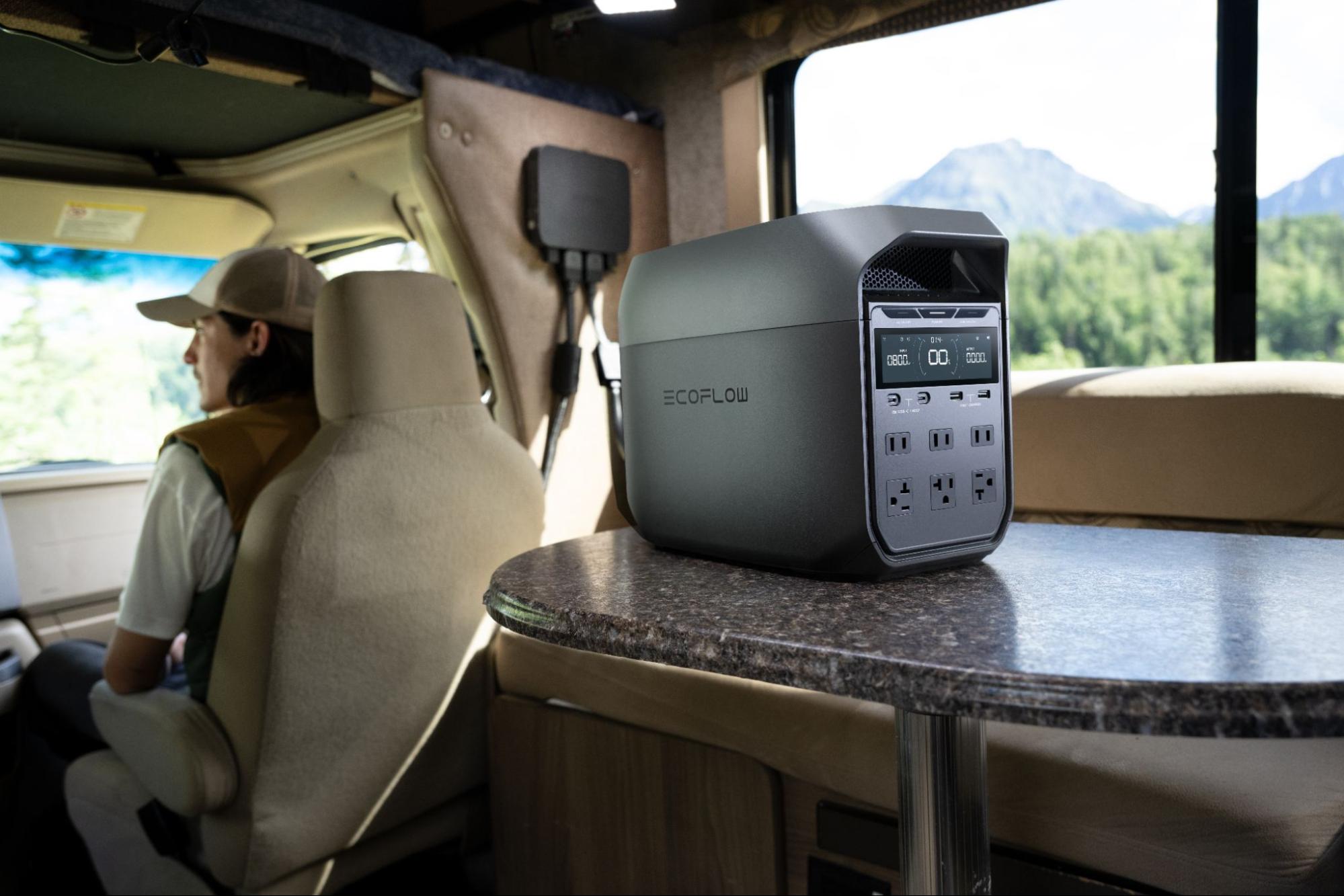
Once you've invested in the right ice rod, your next step is choosing a backup power solution. We recommend a model from the EcoFlow DELTA 3 Series, perfect for weekend trips. You'll enjoy fast charging capabilities, multiple outlets and ports, and a weatherproof design that can handle both snow and moisture common in these environments.
The series’ quiet operation also maintains a peaceful atmosphere, unlike noisy and emissions-producing gas generators.
Frequently Asked Questions
What Is the Best Length for an Ice Fishing Rod?
A 28 to 32-inch rod is an optimal length for most situations. It fits well in ice shanties while still providing adequate leverage. However, shorter rods are better for tight shelter spaces and pan fish targeting, and longer rods are more useful when fishing for lake trout and open ice fishing when you have more casting distance.
How Cold Is Too Cold for Fishing?
Fish are active as low as -30ºC, but at this point, anglers face a risk of hypothermia and frostbite. Most anglers stop at -25ºC because equipment can fail, and safety becomes a concern.
How Can Portable Backup Power Improve Ice Fishing Trips?
Portable backup power can extend your hours into the early morning and late evening with reliable lighting, heat, and enough power for your personal devices, such as phones and GPS. It also allows you to run fish finders continuously and eliminates the need to carry fuel or maintain a generator.
Preparing Your Ice Fishing Setup with EcoFlow Backup Power
When you pair the proper ice fishing rod and a reliable power system, what you get is a safe and comfortable winter fishing experience, even in sub-zero conditions. The extreme Canadian cold demands equipment that won't fail you when you're miles from shore on frozen lakes, and the EcoFlow DELTA Pro Ultra is the reliable, powerful, and convenient energy source you need.