Ice Storm Power Outage Guide: How EcoFlow Keeps Your Home Running
Ice storms are common across Canada, particularly in provinces like Ontario and Quebec, and can quickly lead to unexpected power outages as ice accumulates on power lines. Because of this unpredictability, preparation is essential.
Learn what happens during outages, why backup power matters, and how EcoFlow can help keep your home running with this Ice Storm Power Outage Guide.
Why Ice Storms Cause Severe Power Outages
When freezing rain accumulates on power lines and tree branches, the added weight can strain infrastructure until lines sag or break. Falling branches can further damage electrical lines, often across large areas.
The outside conditions are often too slick and dangerous for restoration teams to reach affected areas for repairs, so outages can last days, even weeks.
Not to mention, people use more electricity to heat their homes in colder temperatures. This increased electricity demand can also strain the grid and contribute to outages in extreme conditions.
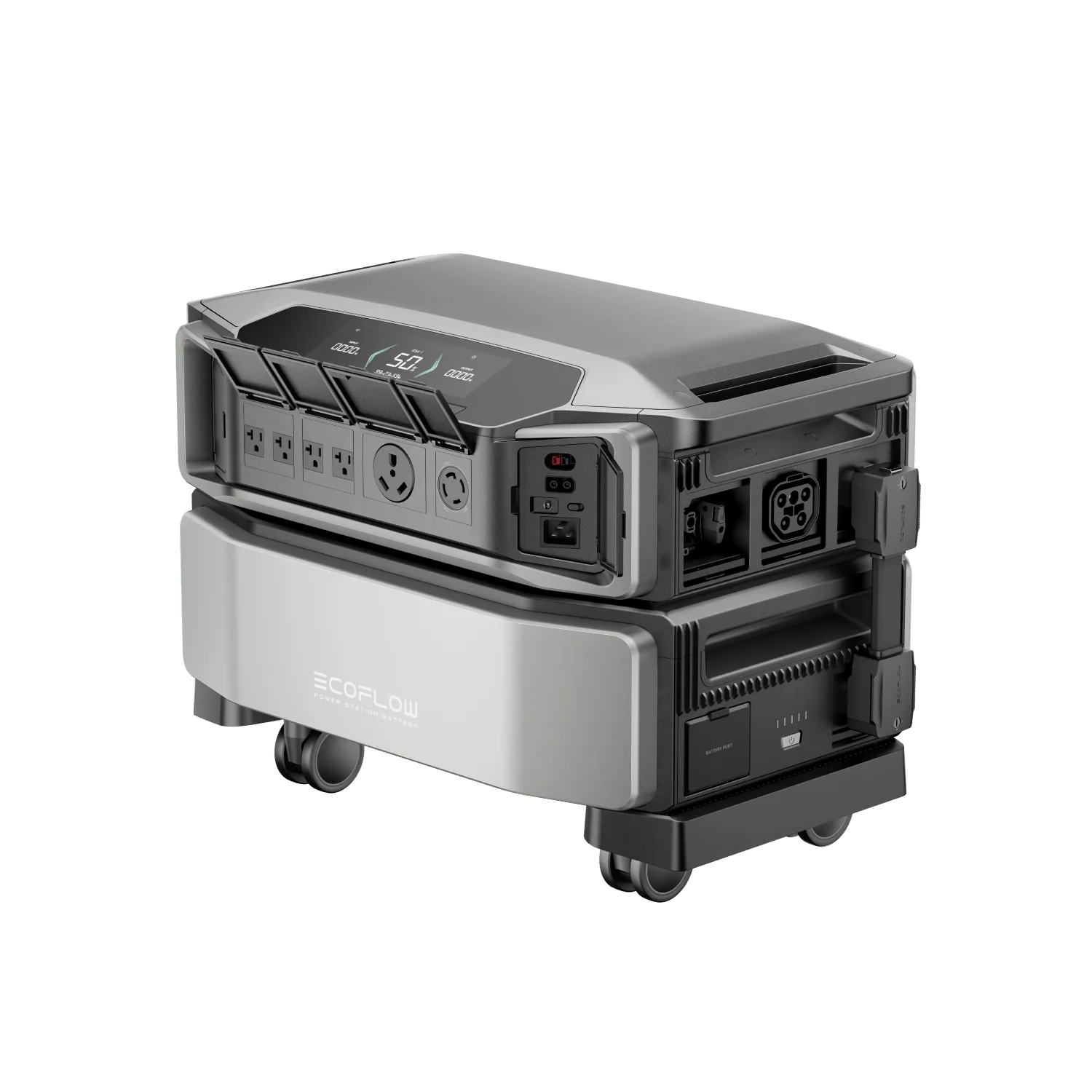
Outages can be prolonged and unpredictable, which is why many homeowners prepare well in advance with backup power systems like the EcoFlow DELTA Pro Ultra. It allows them, and you, to maintain essential electricity during severe winter conditions, such as an ice storm.
What Happens Inside a Home During an Ice Storm Outage?
As soon as the electrical grid goes down, power is cut to your house if you’re in an affected area. Everything in your home that relies on electricity won’t work (the central heat system, refrigerator, stove, lights, chargers, and other electronics).
Once the outage starts, your home will begin to lose heat, potentially dropping to unsafe temperatures over time, depending on your home’s insulation and the severity of the conditions outside. It can put you and your family at risk of cold-weather injuries.
Loss of central heat also puts your pipes at risk of freezing and bursting.
A well-insulated house will still lose heat in a winter storm after a few hours. Close blinds and curtains around windows, place towels at door bottoms, and circulate warm air with a ceiling fan to retain heat best.
Why Backup Power Is Essential During Ice Storms
Losing power is disruptive anytime, but during an ice storm, an outage is dangerous without a backup power solution.
Home backup batteries store excess energy to be discharged when the electricity goes out, so your home never truly loses power.
Backup power can support key heating components such as furnace fans, circulation pumps, or space heaters. In many Canadian homes, heating systems rely on electricity to power blowers, circulation pumps, and thermostats, even when the primary heat source is gas or propane.
Whole-home backup protects your family from outside freezing temperatures. That’s key during prolonged outages, where you’re at risk of no heating source for weeks. Plus, with a Wi-Fi connection, everyone can stay updated on the storm conditions.
How EcoFlow Keeps Your Home Running
Traditional gas generators rely on fuel, which can become difficult to access before or during an ice storm. They must also be operated outdoors due to the carbon monoxide risks, and that isn’t practical during ice or freezing rain conditions.
Battery-based backup power stations are the better option.
EcoFlow offers quieter, indoor-safe power stations that can run just the essentials up to your whole home.
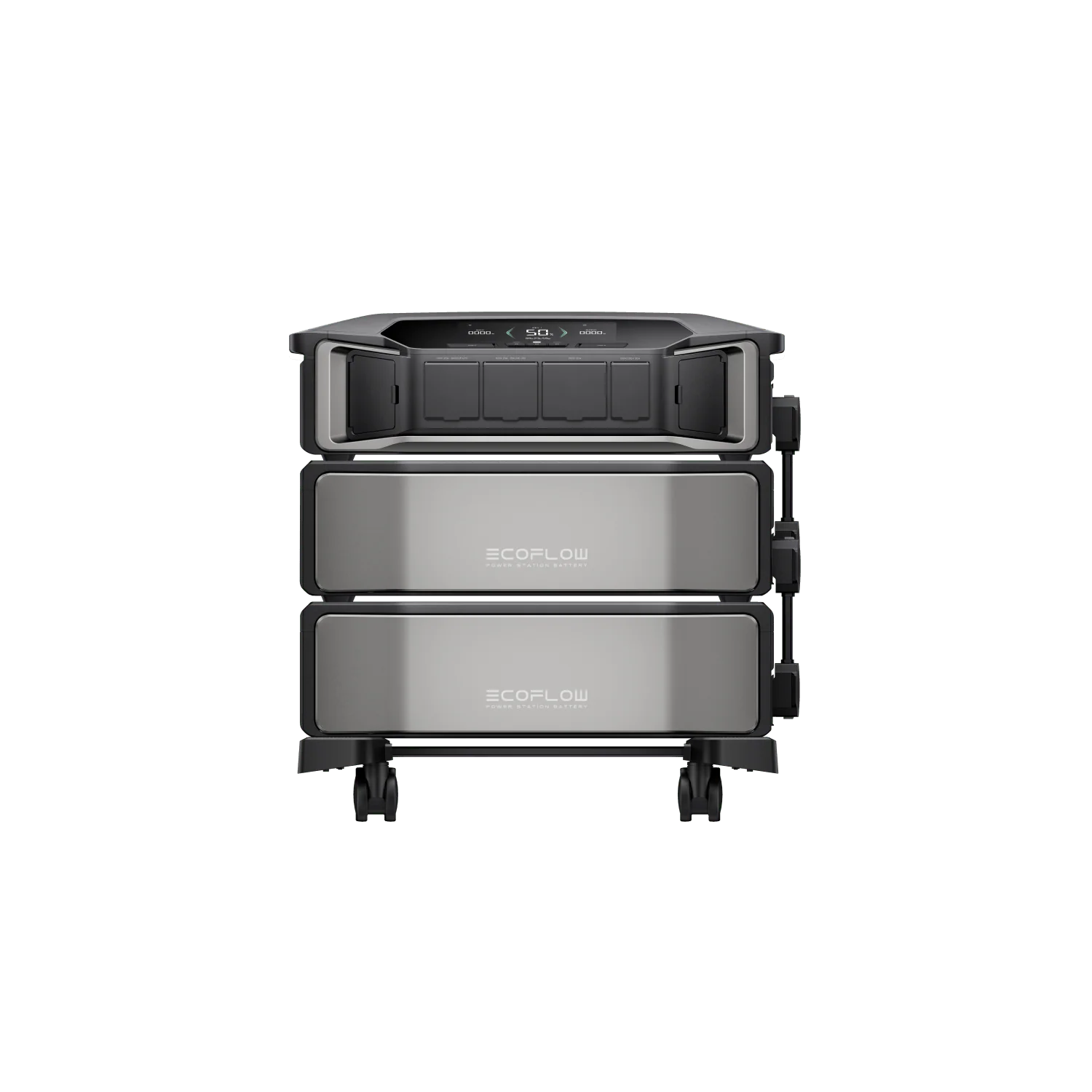
Whole-home backup power systems like the EcoFlow DELTA Pro Ultra can be integrated with your home’s electrical panel to provide critical backup power during these outages. With expandable capacity up to 90kWh when used as a full system or 30kWh as a single unit, they can supply electricity to key household systems whilst you ride out the ice storm.
What to Power First During an Ice Storm Outage
Core Essentials: This includes medical equipment, minimal lighting, carbon monoxide detectors if using generators for gas-heaters, and communication devices.
Heating Systems: The indoor temperature must be safe for occupants and sufficient for the pipes. Prioritise systems such as furnace fans, boiler circulation pumps, or appropriately rated space heaters, depending on your setup. With space heaters, choose a common room for everyone to stay in to maximize efficiency.
Refrigerator: Keeps perishable foods from spoiling. Keep the refrigerator and freezer doors closed as much as possible.
Pumping: A well pump should be the first priority to keep a steady water supply, and then power the water heater.
Non-Essentials: These are appliances and electronics that are not a priority and consume a lot of electricity. It includes electric ranges, ovens, clothes dryer, dishwasher, and entertainment systems. You can connect these temporarily, but disconnect when not needed.
Frequently Asked Questions
How Long Do Ice Storm Power Outages Usually Last?
It depends on why the outage happened and how widespread it is. They could last from days to weeks. Downed power lines and equipment failures take time to repair. With the icy, unsafe conditions, the normal repair is extended so workers aren’t put into dangerous situations.
Are Battery Backup Systems Safe During Ice Storms?
Yes, backup battery systems are safe during a winter storm. They are emission-free, so they can be run indoors (following proper protocol) without carbon monoxide risk. Many modern systems use Lithium Iron Phosphate (LiFePO4) battery chemistry, designed for reliable performance in colder conditions, although efficiency may vary depending on temperature.
Final Thoughts
Ice storms often cause prolonged outages from ice accumulation on power lines and falling tree branches. It’s dangerous and difficult for restoration crews to reach and fix affected areas. When the power goes out during the ice storm, homes quickly lose heat, opening up residents to cold-related illnesses and pipes to burst.
Backup batteries keep your home running, including your central heat, during the outage.
Explore EcoFlow’s whole-home generators for a smoother transition from grid reliance to stored battery power during an outage