EcoFlow Home Power Solutions for Heat Pump Water Heater Systems
Heat pump water heaters are a popular choice for homeowners. Federal climate policy, increasing electricity costs, and better cold-weather technology make this style of heater more alluring and practical than traditional water heaters.
However, heat pumps depend on electricity differently, and they perform best with a steady supply. Independent electrical components for the heater are helpful to meet its needs, and save money on utility bills.
Keep reading to learn how to integrate a home power system with a heat pump setup, including the necessary components, installation, and maintenance.
What is a Home Power System for Heat Pump Water Heater Setups?
A home power system designed for a heat pump water heater setup is an energy system that manages when the heat pump is on to minimize costs and energy usage.
Heat pumps don’t generate heat from coils like traditional water heaters. Instead, it moves heat from the surroundings into a condenser that applies it to the water, making it two to three times more energy efficient. The setup provides a lower carbon footprint, but not without a small cost. Heating the water takes longer than a traditional pump.
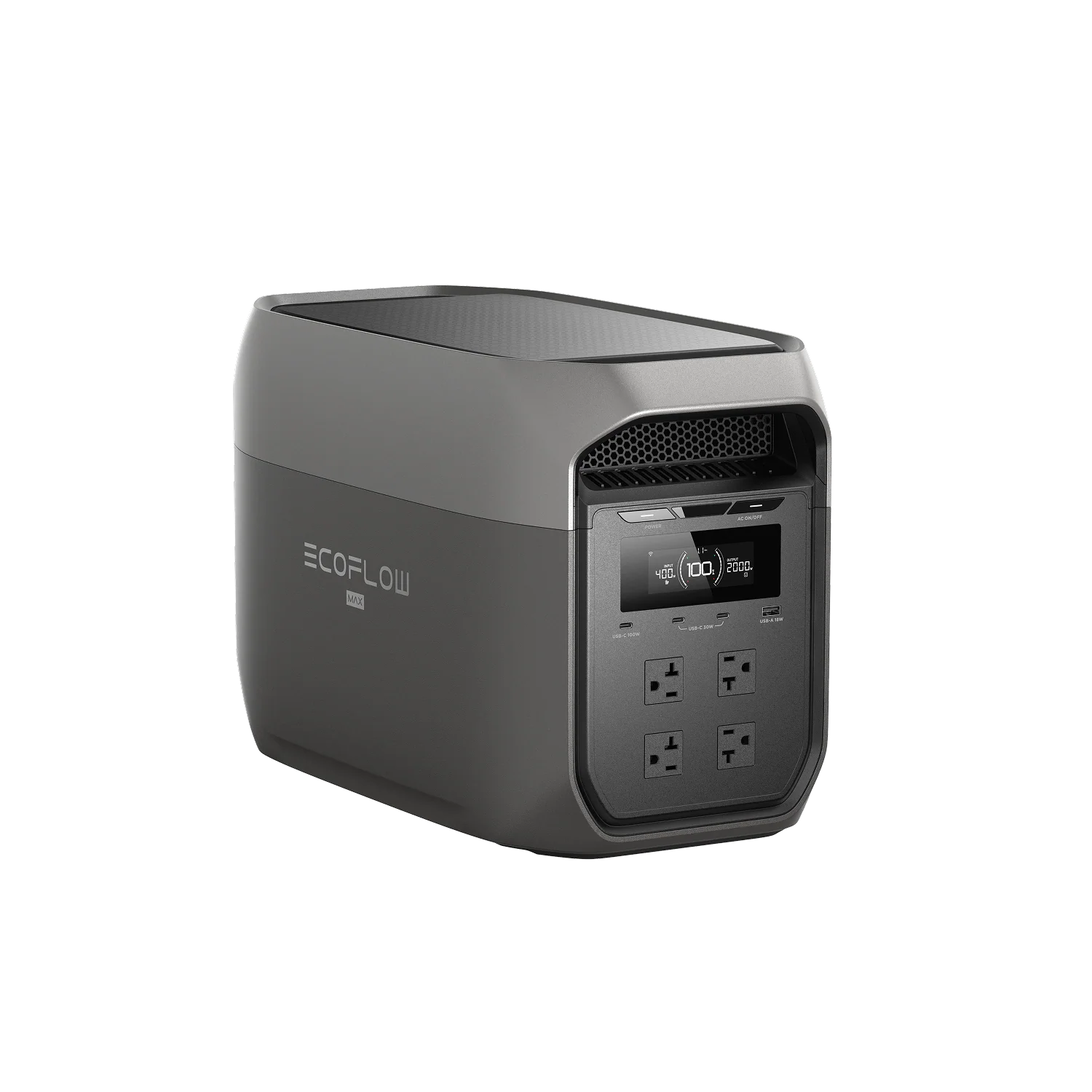
That’s why this appliance needs a home power system. Most heat pumps work best when running steadily rather than in short bursts. A home power system provides reliable electricity when the pump needs it, to reduce wait times, lower energy costs, and increase its lifespan. You can also gain greater independence from the grid by adopting a portable power station, like the EcoFlow DELTA 3 Max Plus.
Core Components & How They Work
There are three main components for any home power system. As time goes on, you can upgrade the components and add more parts to meet your energy needs.
Solar Panels: Convert sunlight into direct current (DC) electricity using photovoltaic cells. Efficiency depends on sunlight intensity, orientation, and the type of panels. It’s the energy generation source for the system.
Inverter: May household appliances need alternating current (AC) electricity. The inverter converts DC from the panels or battery into compatible AC. EcoFlow solar panels have a built-in inverter.
Battery: Store excess DC energy for later use, or for backup power. The battery charges when electricity generation exceeds what is needed, and discharges based on household demand.
Heat Pump Water Heating & Thermal Storage
Once the hot water is generated, it needs to go somewhere. Every heat pump comes with a tank, but additional storage keeps excess hot water readily available.
Heat Pump Water Heaters
Water Tank: This is the main storage tank. Hot water comes out when you shower, wash dishes, etc.
Buffer Tank: This tank is an additional storage option. It’s not necessary, but helps the pump run longer and steadier. You’ll have a reliable hot water supply, on demand rather than needing to wait for the heat pump to generate more.

Installation & Maintenance
Most heat pumps have strict installation and maintenance requirements. It’s best to have a contractor and plumber install the system. DIY installation becomes complex with local building codes, safety issues, fuel systems, and climate considerations. Because the system relies on air as a thermal energy source, the space around it needs sufficient air flow and a room with a warm temperature.
The pump also requires a dedicated electrical circuit. Some pumps need a higher voltage, 240V, compared to traditional ones, 140V.
After installation, the maintenance is easy, consisting of filter replacement and regular cleaning. The big areas to check are the condensation drains and air circulation. Staying on top prevents operation issues and extends the lifespan of your system.
The Smarter Solution
Increasing energy efficiency at home with efficient appliances like the heat pump water heater is a big step towards holistic home energy control.
You can take a bigger step with a modern home energy system for the pump and your home, combining two highly energy-efficient technologies. This approach combines solar panels, battery storage, and an energy management system (EMS) for optimized whole-home power.
Solar panels generate electricity independent of the grid, the batteries store excess during the day, and the EMS optimizes when and how that energy is used. The EMS coordinates energy loads with off-peak times, prioritizes self-consumption, and coordinates with major appliance use.
Your heat pump can be set to run when energy is cheapest or most available, increasing energy efficiency and lowering your carbon footprint.
Frequently Asked Questions
What Are the Downsides of Heat Pump Water Heaters?
Heat pump water heaters have a higher initial cost, don’t work well in colder environments, and heat slowly. However, they are highly energy efficient when placed in a warm room. A dedicated home battery for the pump can help alleviate the slow hot water generation.
Why Does My House Feel Cold With a Heat Pump?
A heat pump pulls water from the surrounding air, so the immediate area can feel cooler. If it’s installed inside a home, it can lower the room temperature slightly, especially during extended operation. Proper installation and placement, like in a garage or large space, can help minimize the cooling effect.
What Is the Life Expectancy of a Heat Pump Hot Water System?
A heat pump water heater will last from 10 to 15 years. With proper care and maintenance, the lifespan is longer, but it all depends on the type and brand. Usage patterns, maintenance, water quality, and installation conditions are the biggest contributors to lifespan. Initial costs for a heat pump are high, but they last a long time.
Final Thoughts
Heat pump hot water systems are an ideal option to upgrade your home’s energy efficiency and lower utility bills. They work by pulling heat from the air and transferring it to the water, which uses much less electricity than traditional heaters that rely on heating coils.
Heat pump styles require less energy, but they need to run for longer to generate enough hot water. Home power systems leverage solar panels, backup batteries, and energy management systems to ensure the heat pump runs smoothly.
If you’re ready to step into home power systems, the EcoFlow DELTA 3 Max Plus provides reliable and consistent solar generated energy for your whole home.