What If a Winter Storm Warning Has Been Issued for the Area
A winter storm warning means dangerous conditions are expected within 24 to 48 hours. You need to act fast. Check your supplies, secure your home against power loss, prepare your vehicle, and monitor official updates constantly. The warning gives you a narrow window to protect your household from heavy snow, freezing rain, and potential multi-day outages.
What Is a Winter Storm Warning
A winter storm warning indicates that severe winter conditions are imminent or already occurring in your area. Environment Canada issues these warnings when significant snowfall (25+ cm in 24 hours), ice accumulation, or blizzard conditions are forecast.
The difference matters. A winter storm watch suggests conditions are possible but not certain. A warning means the threat is real and timing is clear. You typically have 12 to 48 hours before conditions deteriorate, though sometimes less.
These warnings signal potential dangers:
Whiteout visibility that makes driving impossible
Impassable roads cutting off entire communities
Downed power lines leaving homes dark for days
Temperatures that can freeze exposed skin in minutes
Canadian winters already demand respect, but a warning means conditions will exceed normal winter challenges.
Where Can You Get Winter Storm Warning Updates
Reliable information sources become your lifeline once a warning is issued.
Official government channels provide the most accurate forecasts. Environment Canada delivers alerts through their website and WeatherCAN app, offering location-specific forecasts and timeline updates. These sources update every few hours as storm tracks shift.
Your smartphone likely supports Alert Ready, Canada's emergency alert system that sends critical warnings directly to compatible devices. Enable location services and notifications to receive these bulletins immediately. The loud alert sound can be jarring, but it alerts you to critical conditions.
Traditional media still plays a vital role. Local radio and television stations broadcast continuous updates during severe weather events. Battery-powered or hand-crank emergency radios maintain this connection even during power failures.
Community systems offer hyperlocal information. Many municipalities operate emergency notification services through text or email. Verify your community offers this service and register your contact information now, before the next warning arrives.
Check these sources regularly as conditions evolve. Storm intensity can increase or decrease faster than initially predicted, and your response needs to adapt accordingly.
What to Do Immediately After Receiving the Warning
The clock starts ticking the moment you receive a winter storm warning. Your actions during this brief window determine how well you weather the storm.
Stock Essential Supplies Within 48 Hours
Shop early. Shelves empty quickly when warnings are issued, and you don't want to compete for the last flashlight batteries or bread loaves.
Focus on items you'll need if trapped indoors for several days:
| Category | Must-Have Items |
| Food & Water | Non-perishable foods, manual can opener, bottled water (4 liters per person per day for 3 days) |
| Medical | Prescription medications (7-day supply), first aid kit, any mobility aids |
| Power & Light | Flashlights, extra batteries, candles, waterproof matches |
| Communication | Fully charged power banks, battery-powered radio |
| Sanitation | Toilet paper, hygiene products, hand sanitizer, garbage bags |
Don't forget special needs. Stock up on pet food and supplies. Infants require diapers, formula, and any specialized items. Anyone in your household with specific dietary or medical requirements should be your priority.
Cash matters during outages. Withdraw some money, as ATMs and card readers fail without electricity. Keep bills in smaller denominations for easier transactions.
Prepare Your Home for Power Outages
Power failures represent the most common and disruptive consequence of winter storms. Falling ice and heavy snow snap power lines, sometimes leaving communities dark for days.
Charge everything now. Phones, tablets, laptops, and portable batteries all need full charges. Fill bathtubs and large containers with water before the storm arrives. Electric pumps stop working without power, cutting off your water supply in many areas.
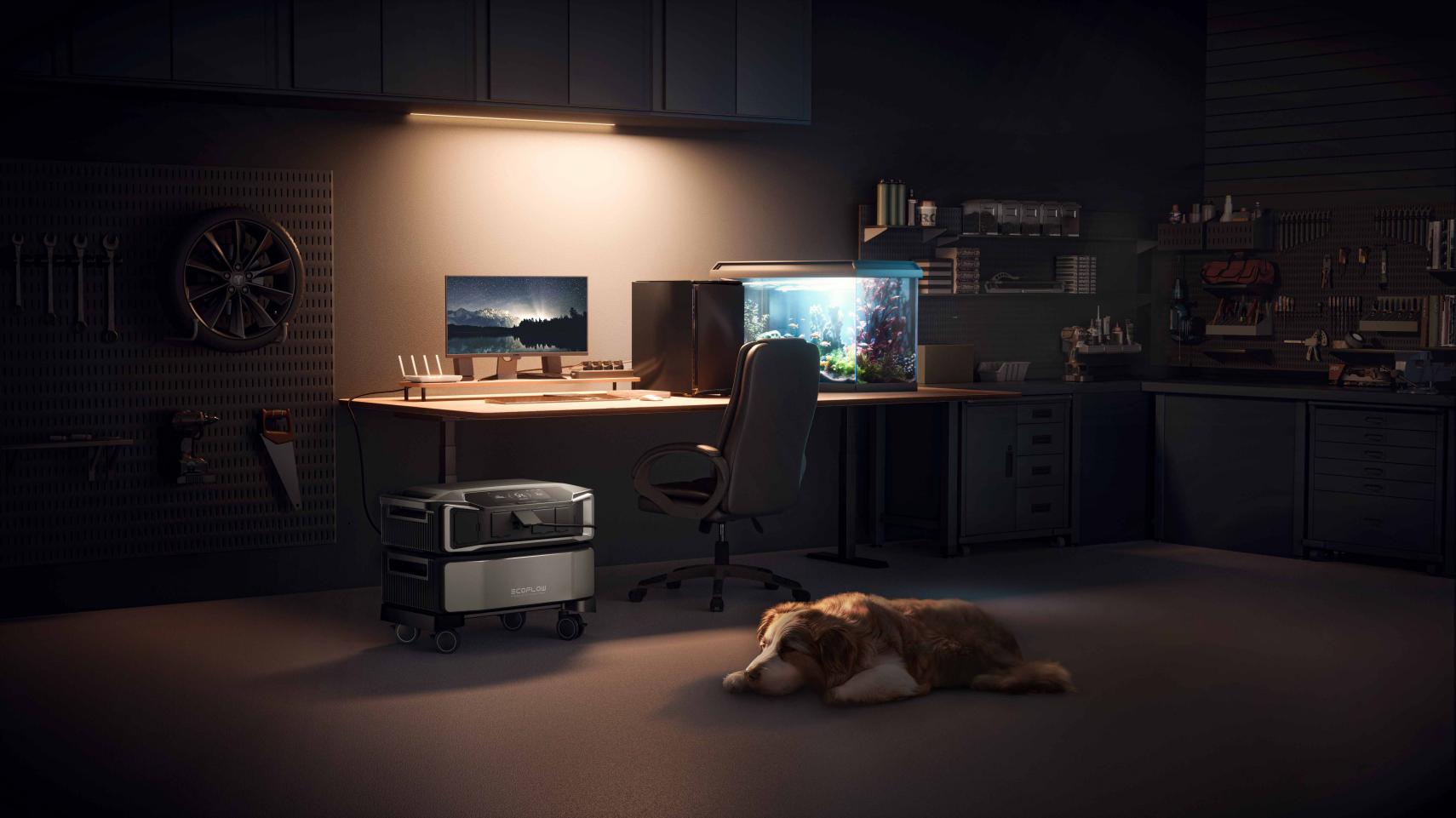
Consider backup power solutions. The EcoFlow DELTA Pro Ultra keeps critical systems running when the grid fails. With 6kWh to 90kWh of expandable capacity, you can power essential appliances for weeks. The 7.2kW output handles high-draw items like refrigerators and sump pumps. The system automatically switches over during outages without any interruption, so you won't lose a single second of power to vulnerable electronics. The battery self-heats in freezing temperatures, maintaining performance even when outdoor conditions drop well below zero. Five different charging options, including solar input, give you power independence throughout extended storms.
Protect your plumbing. Let faucets drip slightly—moving water resists freezing. Open cabinet doors under sinks to allow warm air circulation around pipes. Know where your main water shutoff valve is located in case pipes burst.
Test safety equipment. Check your carbon monoxide detector and replace batteries if needed. Never use generators, grills, or camping stoves indoors. These produce deadly carbon monoxide gas that you can't see or smell. Keep generators at least 6 metres from windows and doors.
Maximize food preservation. Set your refrigerator and freezer to their coldest settings before the storm. If power fails, avoid opening doors unnecessarily. A full freezer maintains safe temperatures for 48 hours if unopened. A half-full freezer lasts about 24 hours.
Get Your Vehicle Winter-Ready
Your vehicle might become a temporary shelter or your only escape route. Prepare it before roads become impassable.
Fill up your tank. Get gas to at least three-quarters full. Fuel lines can freeze in extreme cold, and you may need to run the engine periodically for heat if stranded.
Build an emergency kit with these items:
Ice scraper and snow brush
Folding shovel
Sand or kitty litter for traction
Jumper cables
Blankets and extra winter clothing
High-energy snacks and water bottles
Road flares or reflective triangles
Basic toolkit and duct tape
Check vital systems. Verify tire pressure, as cold air causes pressure to drop. Confirm that antifreeze levels are adequate for the predicted temperatures. Top up windshield washer fluid rated for winter conditions.
Park strategically. Position vehicles away from trees and power lines that might collapse under ice and snow weight. If you park outside, face your vehicle away from the prevailing wind to reduce snow accumulation on the windshield.
How to Stay Safe During Winter Storms
Once the storm arrives, your primary goal is avoiding unnecessary risks while maintaining household safety.
Stay indoors. Most winter storm injuries and deaths occur during travel or outdoor exposure. If you must go outside, dress in layers and cover all exposed skin. Frostbite can develop in under 30 minutes when wind chills reach extreme levels.
Recognize cold-related emergencies. Hypothermia shows up as shivering, confusion, drowsiness, slurred speech, and fumbling hands. Frostbite appears as numbness and white or grayish-yellow skin. Both conditions require immediate medical attention, but storms may delay emergency response significantly.
Avoid travel unless absolutely necessary. If you must drive:
- Inform someone of your route and expected arrival time
- Keep your phone charged and accessible
- Drive slowly and increase following distance
- Avoid sudden braking or acceleration
- If stuck, stay inside and run the engine only periodically for heat
- Ensure the exhaust pipe remains clear of snow
During power outages, use flashlights instead of candles when possible to reduce fire risk. If using candles, never leave them unattended and keep them away from flammable materials.
Conserve resources. Preserve phone battery by reducing screen brightness and closing unnecessary apps. Stay in one room and block drafts with towels or blankets to conserve body heat. Eat regularly and stay hydrated—your body burns more calories maintaining warmth in cold conditions.
Check on others. Look in on neighbors, particularly elderly individuals or those with medical conditions who may need assistance.
Build Long-Term Storm Resilience
Winter storm warnings will come again. Each storm teaches lessons about your preparedness gaps and household vulnerabilities.
Review what worked and what failed after each weather event. Did you have enough supplies? Did backup systems perform as expected? Were there items you wished you had? Use these insights to strengthen your emergency plans and stockpiles before the next warning arrives. Investing in reliable backup power means future storms disrupt your routine less, keeping your household comfortable and safe regardless of grid conditions. EcoFlow's solutions help Canadian families maintain power security through the harshest winter challenges.
FAQs
Q1: How can I tell if my pipes have already frozen?
Open all the faucets in your house. If there is little or no water flow, it's likely because ice is blocking the pipe. Check pipes that are visible in crawl spaces, basements, and outside walls for frost or bulging. When you turn on the faucets, listen for strange sounds like clanking or bubbling. When pipes freeze, they can burst due to ice expansion creating pressure inside the pipe. While the water thaws, leave the faucet open to ease pressure and let the water drain.
Q2: What backup heating options work without electricity or gas?
Battery-powered backup power systems are the safest way to go because they can run electric lights without releasing pollution or needing to be ventilated. Propane or kerosene heaters that are made to be used inside and have proper ventilation are other options, but they need carbon monoxide monitors and windows that are cracked. Some passive ways are blocking off rooms that aren't being used, hanging heavy blankets over windows, and using body heat by putting everyone in the family in one insulated room. Don't use candles to heat your home; they don't give off much heat and can start fires.
Q3: Should I remove snow from my roof during a storm?
If there is more than 100 kilograms per square metre of snow on the roof or if you hear cracking sounds, see sagging ceilings, doors that won't open, or notice obvious roof deformation, you should remove the snow. Fresh snow weighs about 25 kilograms per square metre for every 25 centimetres, while packed snow weighs about 25 kilograms per square metre for every 8-13 centimetres. Wet snow can weigh 3 times more than dry snow of the same depth. Don't climb up to use roof rakes; do it from the ground. Don't work alone, and don't stand right below where snow could slide. If your roof is steep or high, you should hire professionals who have the right safety gear.
Q4: How do I restart my home safely after extended outages?
Before you turn on the power again, check for gas leaks. Check visible wiring for damage caused by ice, water, or falling objects. To avoid damage from a power surge, turn off all gadgets and appliances before turning on the main power. First, turn off the main breaker. Next, restart each circuit one at a time, giving them a few minutes to stabilize between each one. Running cold water faucets for a while will flush out the pipes. Follow the manufacturer's restart instructions to check your water heater and boiler before you use them regularly.
Q5: What winter storm supplies expire and need regular replacement?
Unopened bottled water can last 2 years or more when properly stored in a cool, dark place, though manufacturers recommend replacing emergency water supplies every 6-12 months for optimal freshness. Every three months, check the expiration dates on medicines, batteries, and packaged foods. Check flashlights and radios every few months—batteries corrode even when they're not being used. After each use or every two to three years, first aid items should be thrown away and replaced. Chemical light sticks and hand warmers go bad after two to four years. When you rotate canned goods, use the oldest ones first. Every year, go through your emergency contact list and add any new phone numbers or addresses that come up.