Winter Storm Preparation Checklist: How to Keep Your Home Powered During Outages
- Understanding Winter Power Outages in Canada
- Step 1: Identify Your Essential Power Needs
- Step 2: Build a Reliable Backup Power Plan
- Step 3: Prepare Your Home and Devices Before the Storm
- Step 4: Use Backup Power Safely During an Outage
- Why Modern Backup Power Makes Winter Preparedness Easier
- Frequently Asked Questions
- Preparing for the Next Winter Storm
Winter storms in Canada bring more than snow or ice; they bring the risk of extended electrical outages that can leave homes without light, heat, or refrigeration at the most difficult times. The only way to ensure safety is with proper preparation. Knowing what you need to run, how to calculate your energy needs, and having a reliable indoor-safe backup power plan in place can help prevent life-threatening situations. This checklist walks you through simple steps to help you prepare so you can ride out the next winter storm in comfort.
Understanding Winter Power Outages in Canada
Winter power outages are common in Canada when snow or ice builds up on the lines or nearby trees or branches, and they fall, damaging the lines and causing outages. Even without snow or ice, powerful winds and heavy rain can do the same.
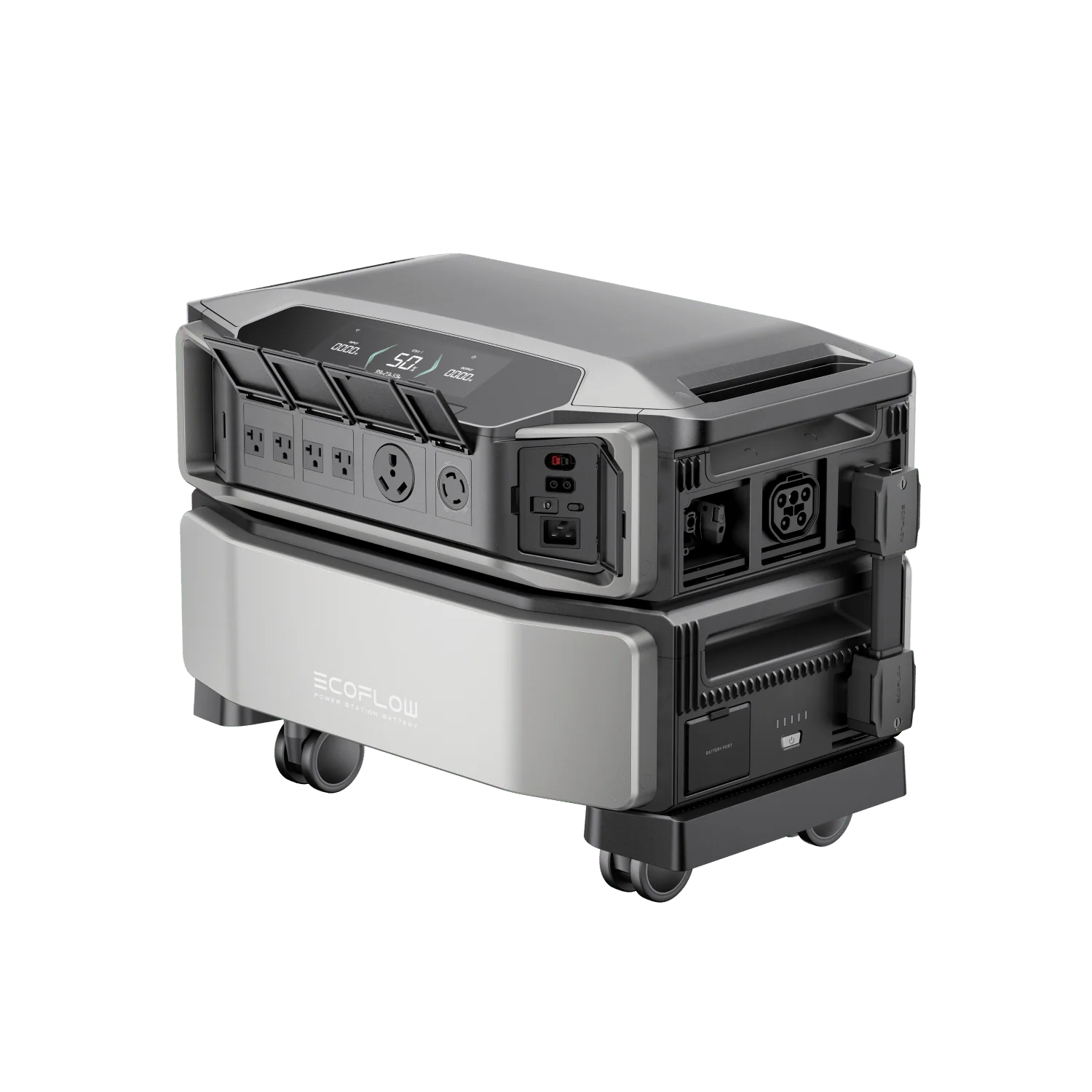
Being without electricity is always an inconvenience, but during winter storms, it could quickly turn into a dangerous situation. This is why so many Canadians are turning to whole home backup power solutions like the EcoFlow DELTA Pro Ultra to help keep their families safe.
Step 1: Identify Your Essential Power Needs
The first step in preparing for outages is to assess your essential power needs. Many homeowners start with a generator large enough to power their fridge, freezer, medical equipment, computers, or other devices deemed essential to them.
To identify your energy needs, find the watts that all your essential appliances need and multiply each by the number of hours it runs each day to get watt-hours (Wh). Then, add up all your watt-hours, and that’s the minimum capacity you need to last one day.
Alternatively, if you want a whole-home generator, calculate your average daily kWh (1kWh = 1000Wh) from your power bill to determine your minimum capacity.
Step 2: Build a Reliable Backup Power Plan
Next, choose your backup power. Most homeowners are saying goodbye to loud, smelly traditional generators that can never be used indoors due to lethal carbon monoxide poisoning, among other health concerns from their toxic emissions.
This is where battery-operated backups like the EcoFlow DELTA Pro Series excel. They can be used indoors or out, they produce zero emissions, and they operate at barely a whisper, so you can even run them in your bedroom at night while you sleep.
Step 3: Prepare Your Home and Devices Before the Storm
Make sure your household emergency kit is stocked with first aid items, emergency radios, blankets, warm clothes, and at least three days’ worth of non-perishable food and water for each family member, including pets.
If you rely on electric heat, close all doors and draw blinds or curtains over windows, block drafts, and do anything you can to keep the heat inside.
If the power goes out, immediately unplug your sensitive appliances and electronics so they don’t get damaged by a power surge when the electricity returns.
Step 4: Use Backup Power Safely During an Outage
If you’re using a traditional generator, never bring it indoors, and never use a gas or propane stove for heat either, as both can result in death. When using a traditional generator outdoors, it must be kept away from all doors, windows, and vents to prevent fumes from entering your or your neighbors' homes.
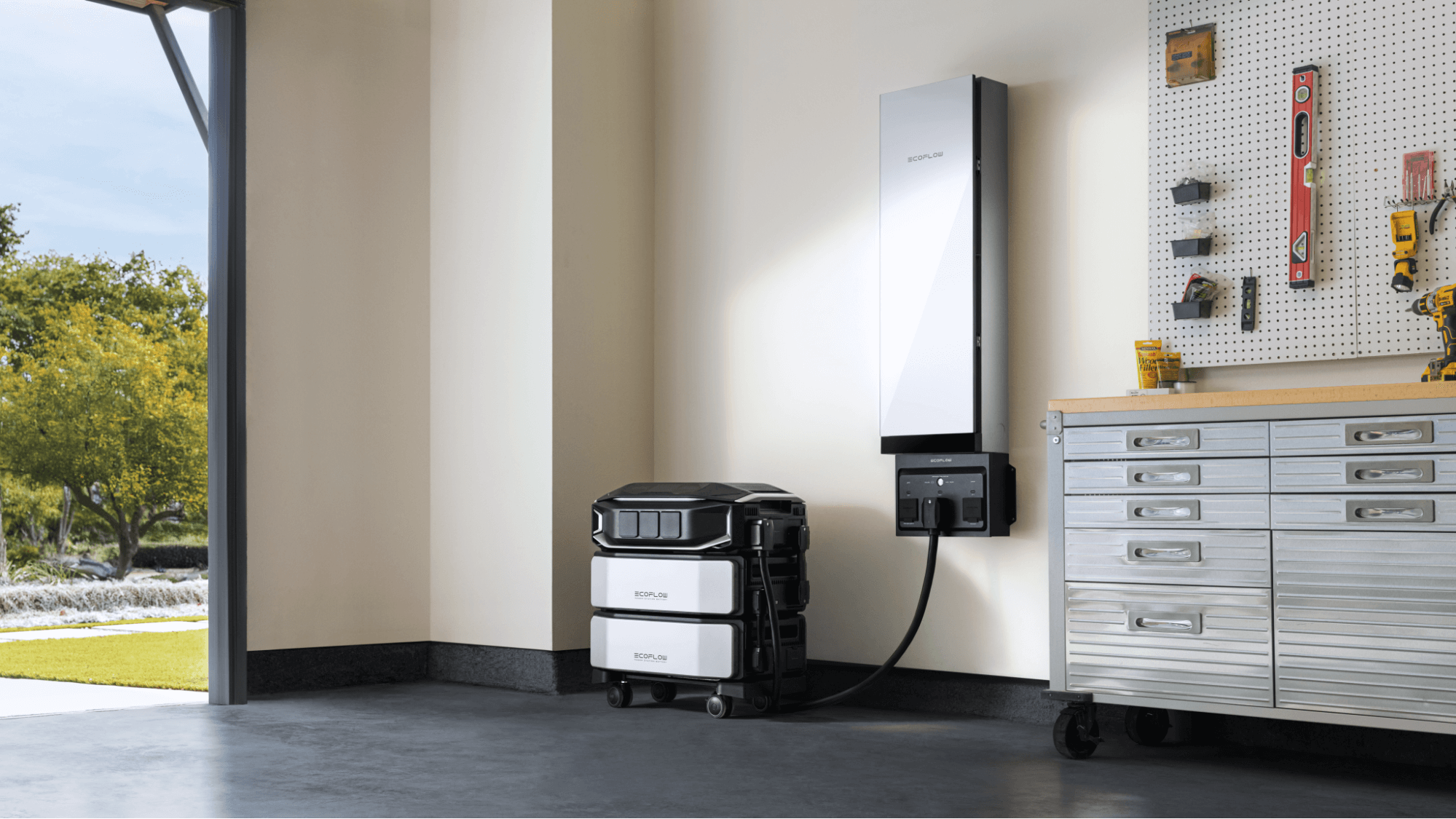
A simpler and safer solution is indoor-safe battery backups like the EcoFlow DELTA Pro Ultra. Starting at 6kWh capacity, it will run virtually any appliance. It’s also expandable up to 90kWh with additional batteries, plenty enough to run even large homes for weeks at a time. You can use it as a standalone system or tie it into your household electrical and set it up to act as an uninterruptible power supply (UPS) so you don’t even have to worry about those sensitive electronics ever again.
Why Modern Backup Power Makes Winter Preparedness Easier
Gone are the days of hauling out the noisy gas generator and gas jugs when the power goes out and then finding a heavy-duty outdoor extension cord to run electricity inside. Then you’d need heavy-duty power bars so you can run more than one device at a time. The fuels and all those cords create not only complications but also present health and fire hazards.
Modern battery-powered backup power solutions can sit inside at all times since they use no fossil fuels and create no emissions. If the power goes out, simply plug your freezer or other essential appliances into their numerous output ports. They make virtually no noise and present no health risks to your family.
Frequently Asked Questions
What Do I Need During a Winter Storm?
The most important things during a winter storm are heat, food, and water. If you use electric heat, you’ll need an indoor-safe battery-powered generator to run it. Also, make sure you have three days’ worth of non-perishable foods and water and extra warm clothes and blankets handy.
Is It a Good Idea To Put Salt Down Before an Ice Storm?
Yes, putting down salt before an ice storm starts is a good idea. Even if the ice still builds up, the salt prevents it from bonding to the pavement, which makes it easier to remove.
How To Survive a Freeze Warning?
To survive a freeze warning, stay indoors, dress in warm layers, and have extra blankets and a small electric heater and a battery-operated generator to run it. Then have your family stay in the same heated room with the doors closed.
Preparing for the Next Winter Storm
Preparing for a winter storm is about planning ahead and reducing risk. Identifying essential loads, preparing your emergency kit, and planning how to heat your home are critical. Modern battery-operated backup systems like the EcoFlow DELTA Pro Ultra simplify your preparation with indoor-safe power that produces zero emissions. It can be used as a backup for essential appliances or expanded and tied into your home as a whole-home backup solution, providing you with safe options to ride out any winter storm in comfort.