How to Keep Food Cold for an Outdoor BBQ
Picture this: you've planned the perfect backyard BBQ party, but halfway through, your steaks are sitting in lukewarm water, and your drinks are barely cool. Keeping BBQ food properly chilled outdoors means holding temps at or below 40°F (4°C), and the game-changer here is pairing a portable fridge with a reliable power station.
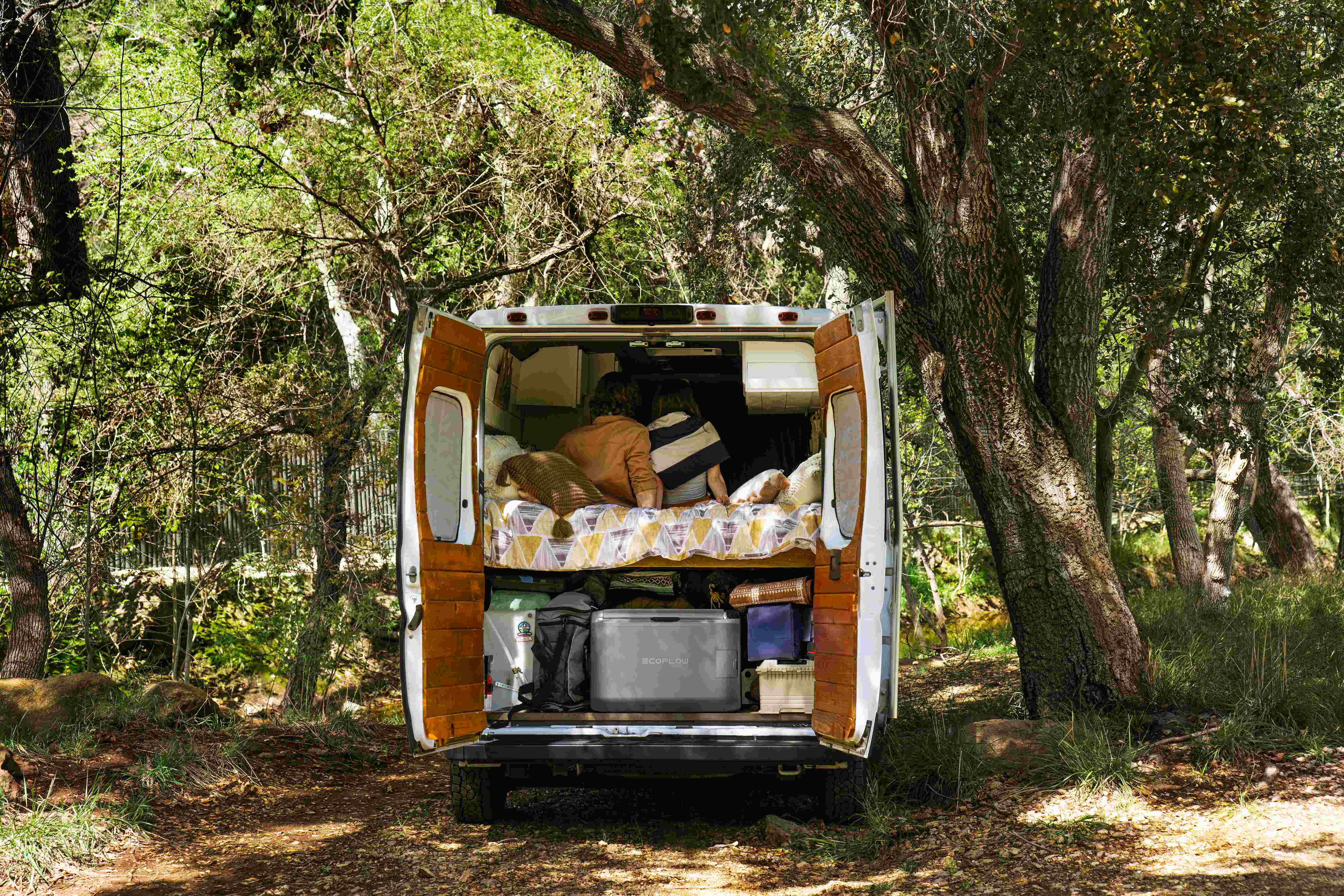
How Do You Power a Portable Fridge Without Outlets at Your Outdoor BBQ?
The problem with being outdoors at a BBQ grill location is that they rarely have power readily available. This is true for a home to use a BBQ, a park, or a tailgater BBQ pre-game event. Finding a power source can be a lot more difficult than you might think. Having extension cords running out to the lawn is not only not visually appealing, but it also restricts how you use your outdoor BBQ kitchen.
The Supply Challenge for BBQ Food Storage
Good BBQ spots are not right up against buildings. Parks aren't littered with electrical outlets, and the same goes for beaches and many backyards. It's simple to think that ice in a cooler is a good way to keep food cool, but ice melts rather quickly, and that's particularly noticeable when grilling, when the sun is out.
Importance of Portable Power Stations
One of the biggest advantages is convenience. Instead of running your car engine just to power a portable fridge, lights, or speakers, you can simply plug your gear into a portable power station and enjoy steady output for hours. This makes outdoor gatherings more comfortable and stress-free, especially when you want drinks chilled, food fresh, and phones charged without constantly worrying about power access.
Portable power stations also shine because they’re highly versatile. Most models come with both DC ports (similar to a car’s cigarette-lighter outlet) and standard AC outlets, making them compatible with everything from car fridges to small appliances and chargers.
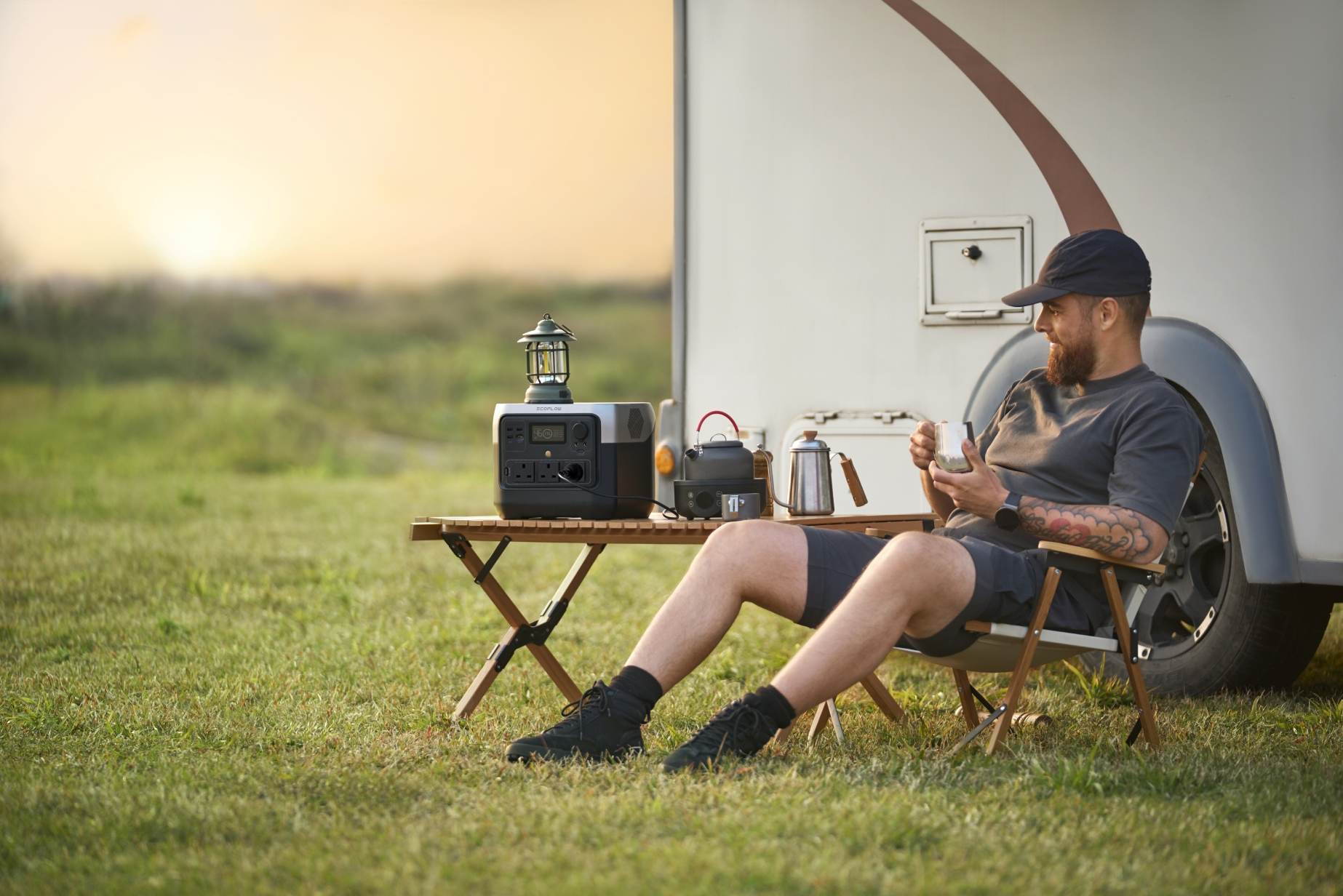
For quick grab-and-go use, a compact option like the EcoFlow RIVER 3 Plus (286Wh, with a 600W rated output) is well-suited for short trips, drink cooling, and smaller fridge setups—easy to carry, easy to use, and powerful enough for everyday outdoor needs.
Most importantly, these stations improve the overall experience. They allow you to run your devices quietly and cleanly, so you can focus on the moment instead of dealing with gas, engine noise, or unpleasant smells. That comfort and simplicity are exactly why portable power stations have become an essential piece of gear for modern outdoor lifestyles and emergency readiness.
Looking Beyond Conventional Generators
Generators can get the job done, but they’re often loud, fuel-dependent, and inconvenient for casual backyard use.
The power stations are quiet; you can recharge them at home overnight, not to mention that you can connect them to solar panels if you are seriously off the grid. As far as people who are going to have a basic outdoor barbecue, a medium-sized power station outperforms any generator hands down.
What Type of Portable Fridge Should I Purchase for BBQ Food?
But not all camping fridges are made equal, especially if you are keeping raw meats and seafood that have to be chilled. The difference between a perfectly chilled barbecue and a food-safety disaster was all about getting the right camping fridge.
Determining Your Needs for Capacity
Begin with the size of the BBQ party that you normally have. Start with how much food and how many drinks you actually need to store. For smaller BBQs, a compact fridge size can handle essentials like proteins, sides, and a drink stack. For bigger gatherings, stepping up to a larger-capacity option makes it easier to separate raw items from ready-to-eat food and keep everything organized.
Compressor vs. Thermoelectric Designs
Compressor fridges cost more upfront, but they can cool to true fridge and freezer temps (often down to around -20°C, depending on the model) and tend to hold temp better in heat. Many run in the “tens of watts” range while cycling, though real draw varies with settings and conditions. GLACIER Classic, for instance, is a compressor-based unit with a rated power of 55W, and the 45L/55L versions can run a dual-zone setup so you can keep drinks “fridge-cold” while freezing ice cream or storing frozen items separately.
Thermoelectric models are cheaper but struggle in hot weather. When it's 30°C outside, a thermoelectric unit may only cool a limited amount below ambient temperature, leaving your BBQ food above the safe cold-holding range. For serious outdoor BBQ use, go compressor.
Important Characteristics that Count
It should have digital temperature control; this is because temperatures have to be quite exact for storing fish products.
Battery protection is essential, too; a good refrigerator will turn off automatically before exhausting your power bank.
As far as portability, the wheels and handles are definitely clutch when you’re lugging it all from the car to the outdoor set.
Quality matters, and cheap devices leak cold air, resulting in wasted power.
How Long Will Your Power Station Keep BBQ Food Cold?
The math here isn't complicated, but it's crucial for planning your outdoor BBQ party. Nobody wants their power to die two hours into an eight-hour event.
Matching Battery Size to Fridge Draw
Many portable compressor fridges draw power in the tens-of-watts range while cycling, and the exact average depends on ambient heat, set temperature, and how often the lid is opened. A simple planning method is: battery capacity (Wh) ÷ your fridge’s average watts ≈ estimated hours, then subtract an extra margin for real-world losses.
Here's a quick reference:
| Power Station | Fridge Power | Realistic Runtime |
| 300Wh | 50W | Varies; often several hours, depending on usable capacity and conditions |
| 500Wh | 50W | Varies; often close to a full afternoon/evening, depending on conditions |
| 1000Wh | 50W | Varies; often around a day for many BBQ use cases |
| 2000Wh | 50W | Varies; often multi-day potential depending on conditions |
Real-World BBQ Scenarios
Planning an afternoon BBQ party from noon to 8 PM? A 500Wh station often works, but confirm with your fridge’s average draw and your station’s usable capacity.
Full-day outdoor BBQ from 10 AM to midnight? Go 1000Wh or bigger.
Multi-day camping with fresh BBQ food? You're looking at 2000Wh units or adding solar panels to recharge daily.
What Affects Your Runtime
Temperature kills batteries. On a scorching 35°C day, your fridge works harder, draining power faster. Every time someone opens the lid for another beer, warm air rushes in. Pre-cooling your BBQ food at home before loading helps hugely—your portable fridge maintains temp way easier than bringing warm stuff down to 4°C.
How Should You Set Up Your Cold Chain System for Outdoor BBQ?
It is one thing to have the equipment; it is quite another to use it correctly. Doing so helps ensure that your BBQ foods stay safe and that your power supply lasts.
Getting Everything Connected
Shade your power station, for the batteries don’t like direct sunlight. Position the portable fridge in a level spot and within cable reach. DC power cords are usually provided with car fridges; plug them right into the 12V output on the power station. Set your fridge to 40°F (4°C) or below for perishable BBQ food, and use 0°F (-18°C) for frozen items.
Smart Food Organization
This is where food safety really begins.
Raw chicken is on the bottom shelf away from ready-to-eat food like potato salad.
Pack in airtight containers or ziplock bags, as having meat juice leak everywhere is both disgusting and potentially hazardous.
If possible, seafood should have a separate section.
Layer the beverages on top since they get reached for a lot; to keep the cold air from escaping every time someone grabs a drink, don’t layer them under the steak.
Your Backup Plan
Some old-fashioned ice packs are good to have on hand for emergencies. Most power stations provide low-battery alerts as capacity drops, so keep an eye on the remaining charge during the BBQ and adjust settings early if needed. When you find yourself getting tight, adjust the temp in the fridge a bit to conserve the juice, or condense the loads. It’s good to have a plan B, which in this case might be the next-door neighbor’s outside plug.
Keep It Cold, Keep It Simple
A quality portable fridge paired with the right-sized power station keeps BBQ food properly chilled for hours without outlets, generators, or hassle. Calculate your needs (party length × fridge watts = required Wh), invest in decent gear, and you'll never stress about food safety again.
Ready to upgrade your BBQ game? If you want a clean, BBQ-friendly combo, the EcoFlow GLACIER Classic Portable Fridge Freezer covers the “real cold chain” side (with compressor cooling and size options for different party counts).
FAQs
Q1. Can I Power My Portable Fridge and Other Devices With My Power Station During My BBQ Party?
Of course, but be aware of your total power draw. What matters is your station’s rated output (W), not just its capacity (Wh). You’re using 50W for your fridge, charging phones (10W) along with LED light use (20W); that’s a total of 80W. Many mid-size stations can handle that load easily, but always check your model’s continuous output rating. It’s essential to consider that the more devices, the faster they'll drain batteries. In a day-long outdoor BBQ, give priority to your fridge and charge phones using portable USB batteries.
Q2. What Happens if I Continuously Open My Portable Fridge Throughout the BBQ?
Every time you open a lid, it releases cold air and puts extra pressure on the compressor. In a busy BBQ with people reaching for refreshments every few minutes, you can expect a significant difference in operating time between keeping it closed and keeping it ajar. Mitigate this by arranging things inside in an organized manner, with things you often need easy access to, like beverages, placed near the top. Some people even go to the extreme of having two fridges: one for beverages they access all the time and one for BBQ foods they haven't touched yet until BBQ time.
Q3. Is It Worthwhile to Install Solar Panels to Extend Grillouts?
For regular BBQs that last 4-8 hours, likely not needed, simply charge your station completely before leaving. For BBQs that stretch into multi-day use, adding a portable solar panel can help top up your station during peak sunlight hours. Actual gains depend heavily on sun angle, shading, and weather. On a sunny day, a tangible amount of energy could be harvested over several peak-sun hours, depending on sunlight, panel efficiency, and your station’s charge controller. Setup is quick: open the panels, angle them toward the sun, and plug them into the solar input on your station.