How to Improve an Old Home Without Remodeling
- What Should You Update First Before You Remodel Your Home?
- How Can Paint and Surface Changes Instantly Improve an Old Home?
- Which DIY Home Improvement Projects Make the Biggest Difference?
- Better Lighting, Better Flow: Simple Ways to Make Your Home Feel Improved
- How Can Storage and Layout Updates Improve Everyday Living Without Remodeling?
- When Should Home Improvement Also Include Energy Storage and Backup Power?
- The Smartest Way to Improve an Old Home Is to Work on Friction Points
- FAQs
An older home can feel frustrating in ways that add up quickly. Drafty rooms, dim lighting, tired finishes, and limited storage can make everyday life less comfortable, especially during long Canadian winters. The good news is that meaningful home improvement does not always require major construction. With the right updates, you can improve comfort, refresh the look of your space, and solve common problems without the cost, mess, and disruption that come with a full remodel.
What Should You Update First Before You Remodel Your Home?
In many older homes, drafty windows, poor lighting, worn surfaces, and weak storage deserve attention before larger cosmetic updates.
| Area | Common Problem | Why It Matters |
| Walls and trim | Scuffs, chipped paint, dated colours | Makes the whole room look tired |
| Doors and windows | Drafts, worn weatherstripping, small gaps | Affects warmth and comfort |
| Lighting | Dim corners, flat overhead light | Changes how the room feels immediately |
| Entry and storage zones | Clutter, shoes, coats, loose items | Adds daily stress |
| Small finishes | Old hardware, outlet covers, worn mirrors | Gives the home a dated look |
These practical fixes often make a noticeable difference without the need for major renovation.
How Can Paint and Surface Changes Instantly Improve an Old Home?
Fresh paint is one of the easiest ways to improve an old home without changing its layout. In many Canadian homes, lighter neutrals, warm whites, muted earth tones, and soft greiges can make older rooms feel cleaner, brighter, and more current while still working well with original trim and wood floors.
Surface Updates Worth Considering
Repaint walls in rooms that always look dim or flat
Refresh trim and interior doors that show years of wear
Refinish or repaint built-ins that make a room feel visually heavy
Update a bathroom vanity if the cabinet itself is still in good condition
Replace tired mirrors or wall-mounted accessories that age the space
These choices make sense because they improve the biggest surfaces first. When the walls, trim, and cabinetry feel fresh, everything else in the room starts to look better too. That is often enough to delay larger renovation plans.
One detail deserves extra care in older homes. If the house was built before 1991, old painted surfaces may contain lead-based paint or lead in earlier layers beneath newer finishes. Any sanding, scraping, or aggressive prep should be handled thoughtfully before a paint-heavy home improvement project begins.
Which DIY Home Improvement Projects Make the Biggest Difference?
The most effective DIY home improvement projects are usually the simplest ones. Small upgrades can improve how a home looks and functions without taking much time or money.
A few projects that often make an older home feel more updated include:
replacing dated cabinet pulls and knobs
swapping old switch plates and outlet covers
recaulking tubs, sinks, and backsplashes
adding hooks, baskets, or a narrow bench near the entry
upgrading an old ceiling fixture
sealing gaps around drafty windows and exterior doors
installing simple shelving where clutter tends to collect
In Canada, sealing drafts is especially worthwhile. Weatherstripping and caulking can improve comfort quickly, especially in older homes where windows and doors often let heat escape.
Better Lighting, Better Flow: Simple Ways to Make Your Home Feel Improved
Lighting has an outsized effect on old interiors. A single overhead fixture often leaves corners dim and makes the room feel flat by late afternoon. That kind of lighting can make a good room look tired, especially in winter when natural light fades early.
A better setup usually comes from layering light in a more intentional way.
Ambient light: This is the general light for the room, usually from a ceiling fixture.
Task light: This supports everyday activities such as reading, cooking, desk work, or getting ready in front of a mirror.
Accent light: This adds warmth and depth, often through a floor lamp or table lamp.
Lighting is one of the simplest home improvement upgrades because it changes both appearance and function. A room feels more comfortable in the evening, surfaces look softer, and the space becomes easier to use. LED lighting also makes sense for older homes because it is efficient, long-lasting, and easy to incorporate without major work.
Flow matters just as much as lighting. If furniture interrupts the natural path through the room, the house will always feel more cramped than it really is. Pull larger pieces away from key pathways, give entry points room to breathe, and let each room have a clearer purpose. Even one layout change can make an older home feel calmer.
How Can Storage and Layout Updates Improve Everyday Living Without Remodeling?
Older homes often offer character but not enough practical storage for modern life. A small coat closet, limited kitchen storage, or an awkward spare room can quickly lead to clutter and make the whole house feel less functional. That is why storage and layout improvements can have such a noticeable impact.
Focus on High-Clutter Areas
Pay attention to the spaces where mess builds up most easily:
the front entry, where coats, boots, and bags tend to collect
kitchen counters, where paper, chargers, and small items pile up
bathroom surfaces, where daily essentials take over
spare rooms that gradually become overflow storage
Closed storage usually works best because it reduces visual clutter and helps a room feel calmer. A slim cabinet, storage bench, or wall-mounted shelf can add function without taking up too much space.
Improve Flow with Simple Layout Changes
Layout matters just as much as storage. Removing one oversized piece of furniture or moving it to a better spot can make a room feel more open and easier to use. In many older homes, small layout changes improve everyday living faster than decorative updates.
When Should Home Improvement Also Include Energy Storage and Backup Power?
Most old-home updates focus on paint, lighting, and storage, but reliability can matter just as much. In some households, backup power becomes part of the conversation because an outage affects more than comfort. It can interrupt internet access, refrigeration, lighting, device charging, and other daily essentials.
That is where energy storage can fit into a broader home improvement plan. It does not need to be the main focus. In most homes, basic upgrades still come first, such as sealing air leaks, improving lighting, and making storage and layout work better for daily life. After that, backup power becomes worth considering if outages are disruptive or if the household depends on powered essentials.
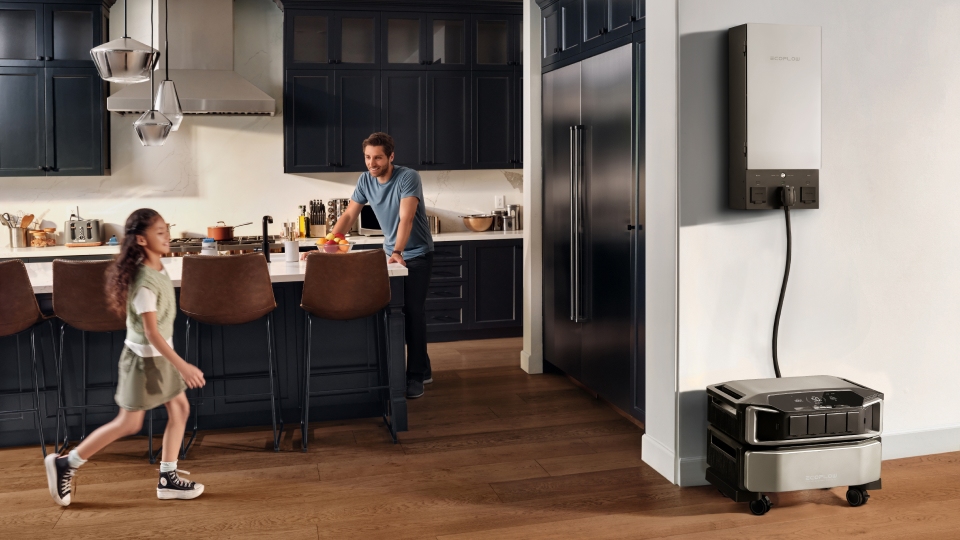
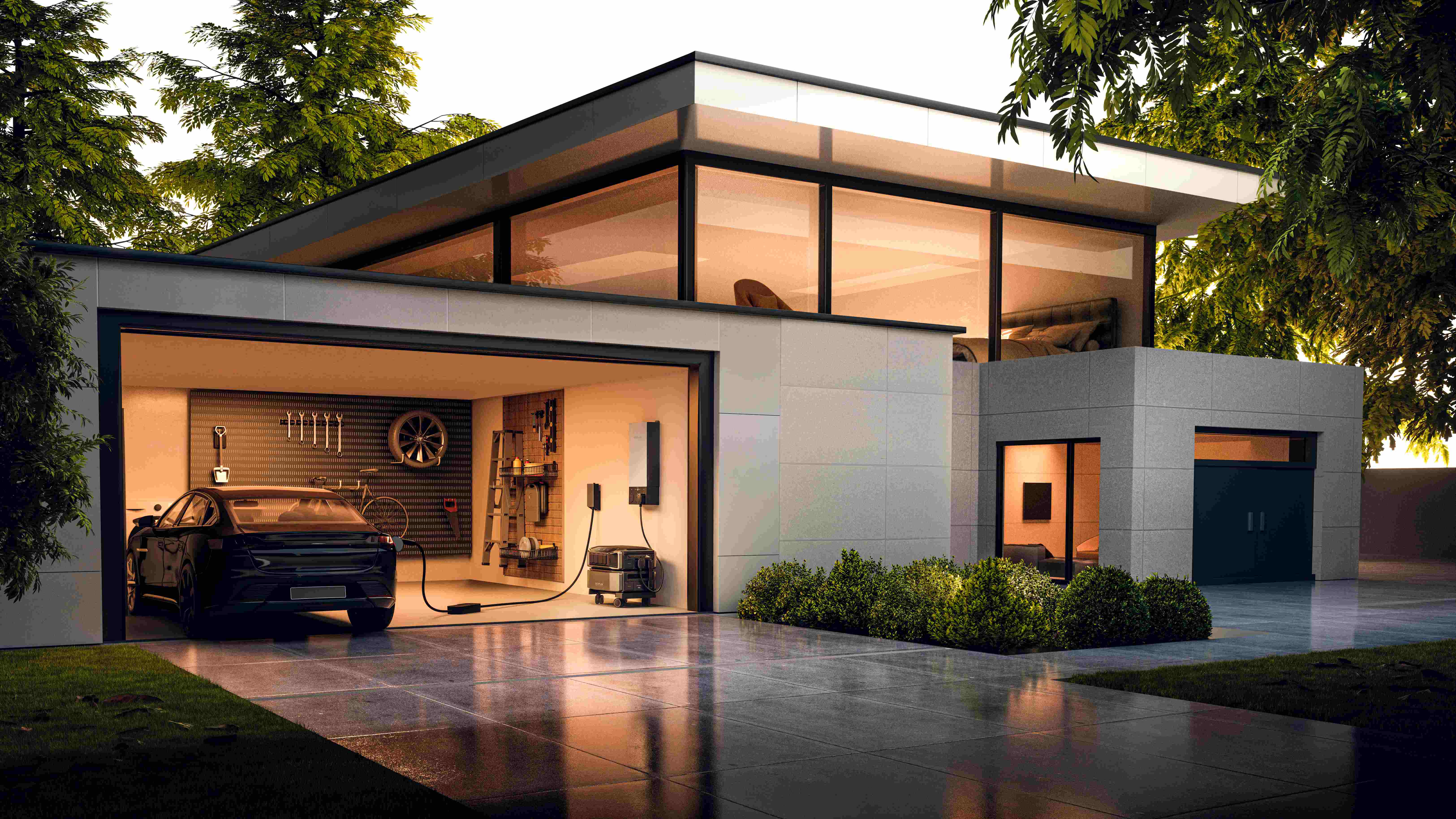
EcoFlow DELTA Pro Ultra Whole-Home Backup Power is one example, offering seamless whole-home backup with 20 ms automatic switchover during outages for greater peace of mind.
The Smartest Way to Improve an Old Home Is to Work on Friction Points
An old home usually does not need a full transformation all at once. In many cases, the most effective home improvement choices are the ones that solve everyday frustrations first, from drafty windows and weak lighting to clutter and worn surfaces. Small, practical updates can make an older house feel more comfortable, functional, and current. If you want to improve an old home without remodeling, thoughtful changes often go further than major disruption.
FAQs
Q1. Can you make an old home feel newer without changing its original character?
Yes. The key is to refresh what feels worn while keeping the details that give the home personality. Original trim, wood floors, panel doors, and older millwork often look better after careful cleaning, paint updates, improved lighting, and simpler styling. The goal is to reduce visual fatigue, not erase the home’s identity.
Q2. Should you update one room at a time or make small changes throughout the house?
One room at a time is usually the better choice. It helps you control costs, see clear progress, and avoid turning the whole house into an unfinished project. For most homeowners, starting with the room that causes the most daily frustration creates the fastest sense of improvement and makes the next decisions easier.
Q3. Do older homes need professional help for small improvement projects?
Not always. Cosmetic updates like painting, recaulking, replacing hardware, and adding storage are often manageable for homeowners. Professional help makes more sense when a project involves electrical work, hidden moisture, damaged materials, or old paint that may need special handling. A small job can become complicated quickly in an older house.
Q4. How do you keep an old home from looking mismatched after several updates?
Use a simple visual plan before making changes. Choose a small colour palette, repeat a few finishes, and keep hardware, lighting, and decorative choices consistent from room to room. That approach helps newer updates feel connected instead of random. Even modest improvements look more polished when the house has a clear overall direction.
Q5. Is it worth improving an old home if you may sell in a few years?
Yes. Practical upgrades can still be worthwhile because they improve daily living now and make the home more appealing later. Buyers tend to respond well to bright rooms, better storage, updated finishes, and a home that feels cared for. You do not need a full remodel to make the property feel more functional and inviting.