Canada's Gas Tax Suspension Starts April 20 — But EV Drivers Already Don't Care
- What Is the Gas Tax Suspension, and Why Is It Happening?
- How Much Will Drivers Actually Save at the Pump?
- How Do Gas Prices Typically Respond to Tax Cuts?
- How Do EV Operating Costs Compare to Gas Vehicles?
- Frequently Asked Questions
- Save Money, Strengthen Resilience, and Reduce Energy Risk With Home Storage
Canada’s federal fuel excise tax suspension, which will run through summer 2026, was triggered by the global oil disruption from the Middle East conflict and rising prices at the pump across Canada.
While the savings are modest for gas vehicle drivers, EV drivers are largely unimpacted by the new policy because their fuel costs are already a fraction of what gas drivers pay.
What Is the Gas Tax Suspension, and Why Is It Happening?
The gas tax suspension began on April 20th, 2026, and will last until September 7th, 2026. The change took place due to price pressure from the disruptions in the Strait of Hormuz, which drove global crude oil prices sharply higher.
The suspension sets the federal excise tax on gasoline and diesel at zero cents per litre, a reduction from the $0.10 per litre tax on gasoline since 1995, and the $0.04 per litre tax on diesel since 1987.
The change applies to gasoline, diesel, and aviation fuels, and is collected at the wholesale level, embedded in the pump price.
This is estimated to cost the federal treasury roughly $2.4B over five months, a large expense for modest savings that Canadians will see at the pumps.
How Much Will Drivers Actually Save at the Pump?
Drivers are projected to save roughly $6 per 60-litre fill-up for the average gas car, which comes out to about $77 total over the suspension period, or $17 per month.
These savings are quite modest, especially when you compare the savings that EV owners enjoy when they pair their electric vehicle with battery storage and solar, and skip the pump altogether.
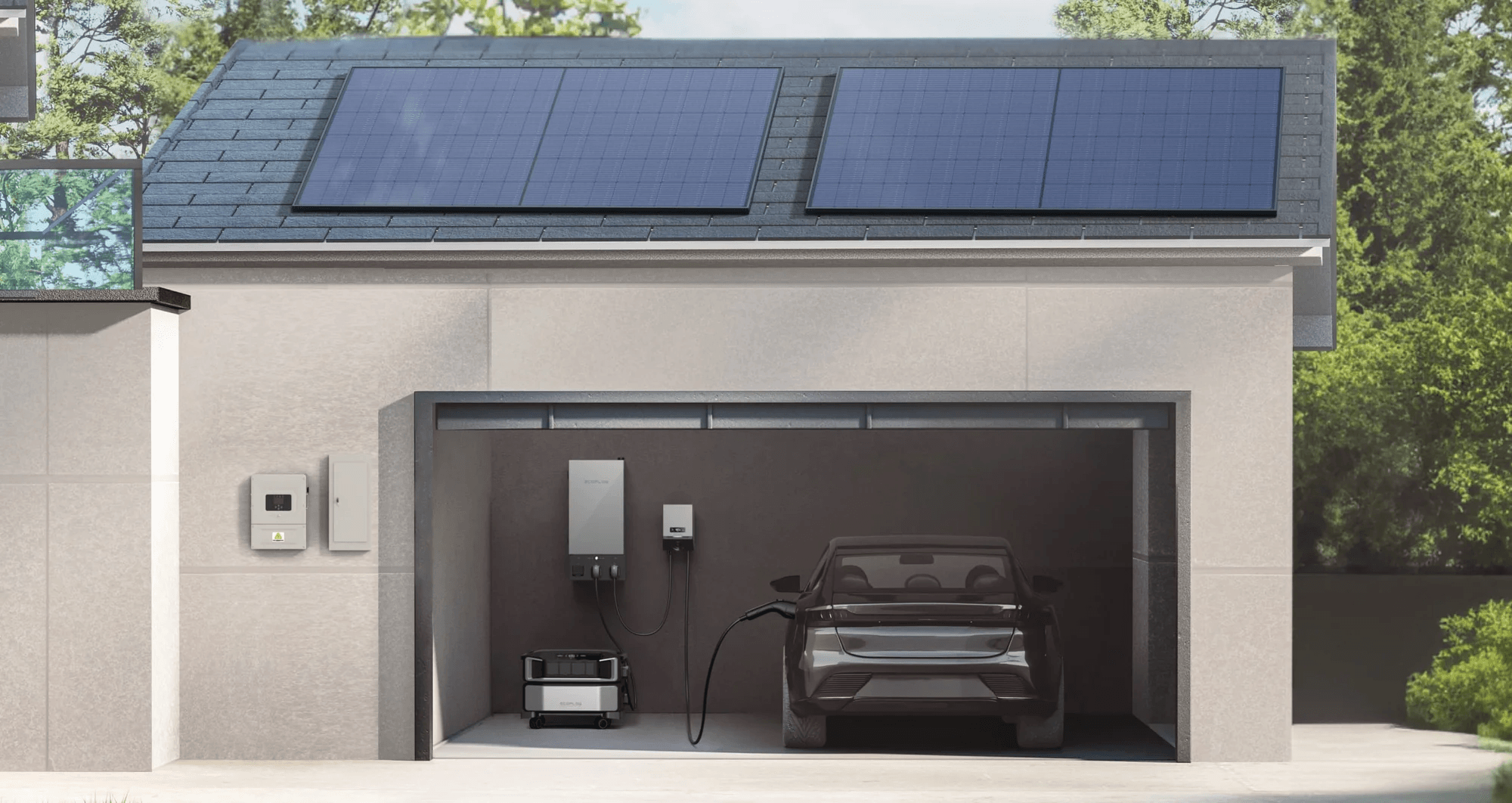
By avoiding fluctuating gas prices entirely, and instead charging with a home battery and solar system like the EcoFlow DELTA Pro Ultra + EV Charger, the ongoing fuel cost can drop dramatically — and with solar input, potentially close to zero for many households.
Compared to the $77 total savings projected over five months for gas drivers, the structural cost advantage of EV ownership is substantially larger.
How Do Gas Prices Typically Respond to Tax Cuts?
Historically, savings like these are often partially absorbed by refiners or retailers, and not always passed down to consumers at the pump.
Federal excise tax is collected at the wholesale level, so savings depend on whether retailers actually pass the full reduction to consumers, which is not guaranteed.
One report showed that within a week of the suspension taking effect, gas prices in Ontario and throughout Canada had risen back toward pre-suspension levels due to the rising cost of crude oil.
Other factors creating higher gas prices include the mandated switch to summer blend gasoline, which typically adds $0.08–$0.12 per litre in refining costs, offsetting the 10-cent sales-tax savings.
The cost you pay at the pump tends to more closely reflect global crude fluctuations than it does tax policy changes, especially during periods of supply disruption like the one we're currently in.
How Do EV Operating Costs Compare to Gas Vehicles?
In 2024, Clean Energy Canada found that Canadian EV drivers pay the equivalent of about $0.40/L, whereas gas vehicle drivers pay $1.70–$2.00/L for gas.
Consider that within the context of the ~$2,600 a year that most Canadian households spend on gas per year, and that's a massive annual savings opportunity when you own an EV instead.
Gas prices often fluctuate and are more susceptible to changes due to supply, demand, and global disruptions. Electricity, on the other hand, changes much more slowly and is provincially regulated. When gas prices spike, it widens the gap between what gas vehicle owners and EV owners pay, and EV owners stand to save even more.
EV maintenance costs are also lower. They don't require any oil changes, only need a few brake replacements, and have a much simpler drivetrain. That can add up to hundreds saved per year versus gas vehicles.
Understanding EV charger wattage allows you to maximize your savings. A Level 2 home charger delivers the lowest cost per km when using off-peak electricity rates. By optimizing your charging schedule, EV owners can drive down ownership costs even more. Switching to a whole-home generator that captures solar energy during the day can even mean you can charge your EV with free energy at night.
That's not to say there aren't things that can increase EV costs, such as charging in cold weather, which can increase energy consumption and reduce range. But these impacts are minimal in the grand scheme.
Frequently Asked Questions
What Fuels Are Included in the Federal Pause?
Gasoline, diesel, and aviation fuel are all included in Canada's federal excise tax pause. However, the pause does not affect provincial fuel taxes, GST/HST, or any other fuel surcharges. Heating oil, natural gas, and propane are unaffected. The suspension runs from April 20th to September 7th, 2026.
Does This Affect EV Charging Costs?
This change will not affect EV charging costs because EV charging is powered by electricity rather than diesel or gasoline, and carries no federal fuel excise tax normally. Home electricity rates are set provincially and remain unchanged by this policy as well. EV drivers continue to benefit from electricity costs at a fraction of equivalent gasoline costs.
Save Money, Strengthen Resilience, and Reduce Energy Risk With Home Storage
Canada's temporary gas tax relief is noteworthy yet modest, especially when you compare it to the structural cost advantage that EV owners have over gasoline vehicle owners, an advantage which is permanent and growing over time. When you pair EV ownership with a home battery system and solar capability, you can maximize year-round energy savings and insulate yourself from fuel price volatility.
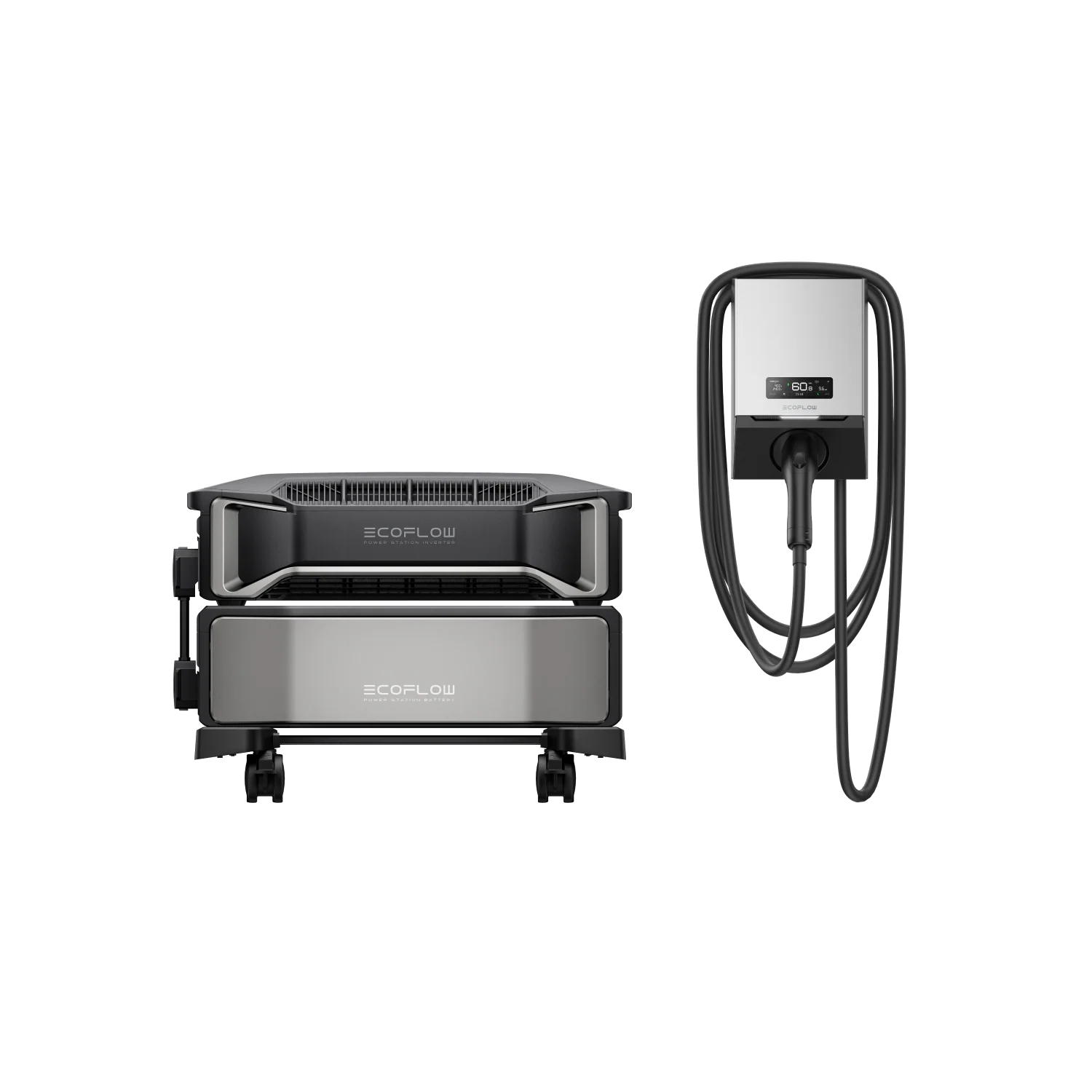
Charge your EV battery with the EcoFlow DELTA Pro Ultra + EV Charger, which integrates a 7.2 kW home battery, a PowerPulse EV charger with up to 9.6 kW output, and solar input into one. This integrated system supports both home backup power and low-cost EV charging.
Learn more about the EcoFlow DELTA Pro Ultra + EV Charger and start cutting your home energy costs today.