How to Celebrate a Hot Chocolate Festival: Your Ultimate 2026 Guide
There is nothing quite like the comfort of a steaming mug of cocoa as the winter chill settles across Canada. Whether you are a connoisseur of rich, dark cacao or someone who leans toward marshmallow topped classics, a hot chocolate festival feels like a true winter ritual. These events turn cold afternoons into something worth lingering over. In this guide, we will walk you through the best festival locations, with a special focus on iconic Canadian winter settings, how to prepare like a seasoned attendee, and the practical essentials that help you stay warm and enjoy every sip from morning to evening.
Hot Chocolate Festival Map: Key Cities for Hot Chocolate Festivals
Finding the right hot chocolate festival often starts with geography. Across Canada, these events typically run through January and February, turning the harshest stretch of winter into something people actively look forward to. Whether rooted in long running local traditions or organized as limited time pop ups, hot chocolate festivals elevate a simple winter drink into a shared seasonal ritual, drawing communities together when staying indoors would otherwise feel tempting.
Coastal Cities With Strong Café Scenes
Vancouver has long been a trailblazer in Canada’s hot chocolate scene. The Vancouver Hot Chocolate Festival is a well established annual event that taps into the city’s independent café culture, encouraging creativity and experimentation. Many coastal flavours lean modern and unexpected, with combinations like sea salt, lavender, or citrus notes that suit Vancouver’s damp, mild winter weather and slower paced cafe hopping lifestyle.
Cold-Climate Urban Centers
In colder cities such as Calgary and Ottawa, hot chocolate festivals are shaped by the weather itself. Events often overlap with outdoor winter attractions, from skating along the Rideau Canal to ice sculpture displays downtown. Vendors tend to favour bold, warming recipes, adding spices like cayenne, cinnamon, or ginger to create a drink that offers comfort and heat long after you’ve stepped back into the cold.
Walkable Downtown Festival Areas
Neighbourhoods like Toronto’s Distillery District and the historic quarters of Montreal provide an ideal setting for festival style tasting. These pedestrian friendly areas make it easy to explore multiple stops in one afternoon, moving between chocolatiers, bakeries, and cafés without rushing. This is where you’ll often find distinctly Canadian interpretations, especially maple infused hot chocolate that blends locally sourced syrup with high quality cocoa for a flavour that feels both familiar and elevated.
Cities Known for Seasonal Food Events
Beyond the largest metro areas, smaller cities such as Victoria and Quebec City also play an important role in Canada’s winter food culture. Quebec City, in particular, draws on strong French culinary traditions, favouring high percentage dark cacao and generous cream content. The result is an intensely rich, almost spoonable hot chocolate that pairs naturally with the city’s stone streets, historic architecture, and snow-covered winter atmosphere.
Preparation Tips Before Attending a Hot Chocolate Festival
A great hot chocolate festival experience starts well before your first sip. With winter conditions, crowds, and limited time offerings to consider, a bit of planning helps you focus on enjoying the flavours instead of dealing with avoidable hassles. These preparation tips will help you stay comfortable, organized, and fully present throughout the day.
Check the Weather and Dress Accordingly
Winter weather can shift quickly, even within the same afternoon, particularly during sudden cold waves in Canada. Dressing in layers allows you to adjust as you move between warm cafes and outdoor tasting stations. Waterproof boots are essential for slushy sidewalks, while insulated gloves make a real difference when you’re holding hot cups outdoors. Staying warm keeps the focus on tasting, not rushing inside to thaw your hands.
Review the Festival Map and Event Schedule
Most festivals publish a digital map, tasting guide, or passport outlining participating vendors and featured drinks. Taking a few minutes to review it ahead of time helps you prioritize must-try flavours and avoid backtracking across busy neighbourhoods. Pay attention to time-specific events, such as live demonstrations, guest chocolatier appearances, or small-batch releases that may sell out early.
Plan a Tasting Budget in Advance
With dozens of creative options available, it’s easy to overspend without realizing it. Setting a tasting budget beforehand helps you pace yourself and make more intentional choices. Leave room for extras such as specialty marshmallows, artisanal cocoa mixes, or bars to enjoy later at home, especially if you come across something truly memorable.
Prepare for Dietary Needs and Allergies
If you follow a vegan, dairy free, or gluten free diet, checking the vendor list in advance can save time and disappointment. Many Canadian festivals now offer oat, almond, or coconut milk alternatives, but availability varies by location. Knowing which stops cater to your needs allows you to focus on enjoying the experience rather than scanning menus in the cold.
Ensure Mobile Payment and Phone Battery Readiness
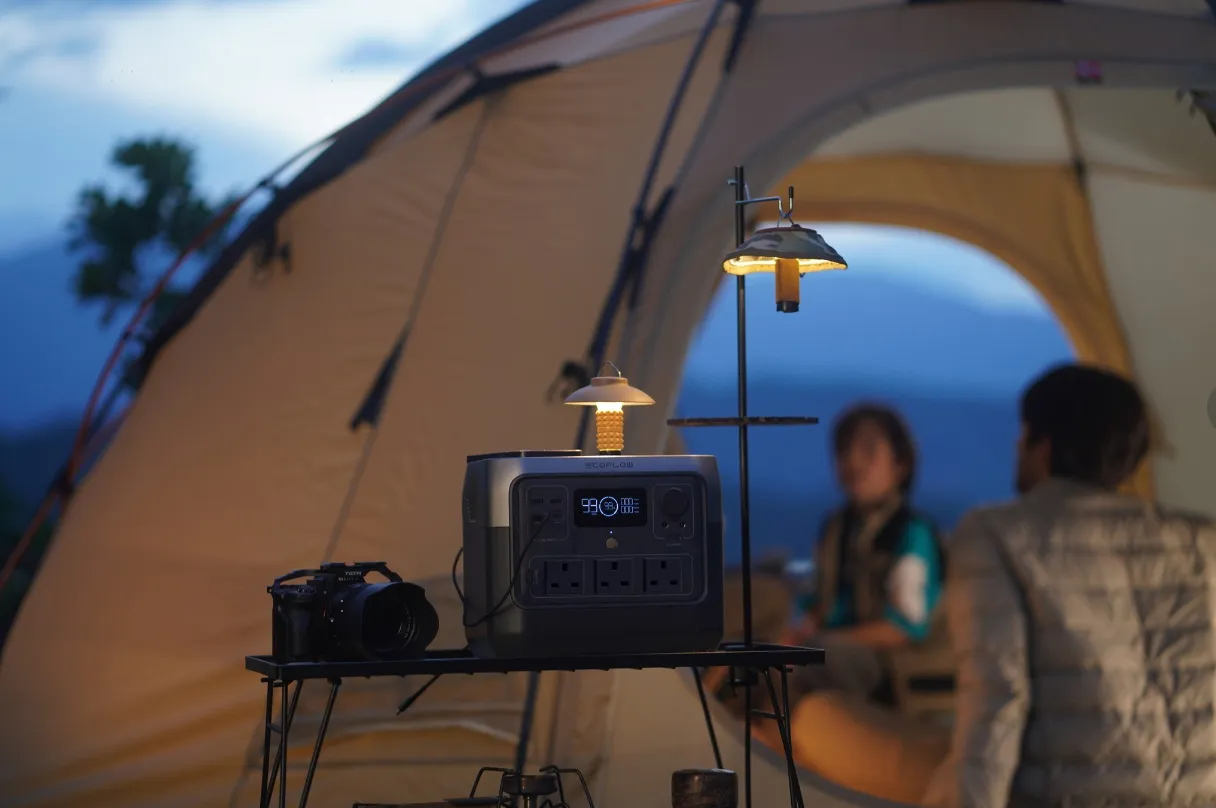
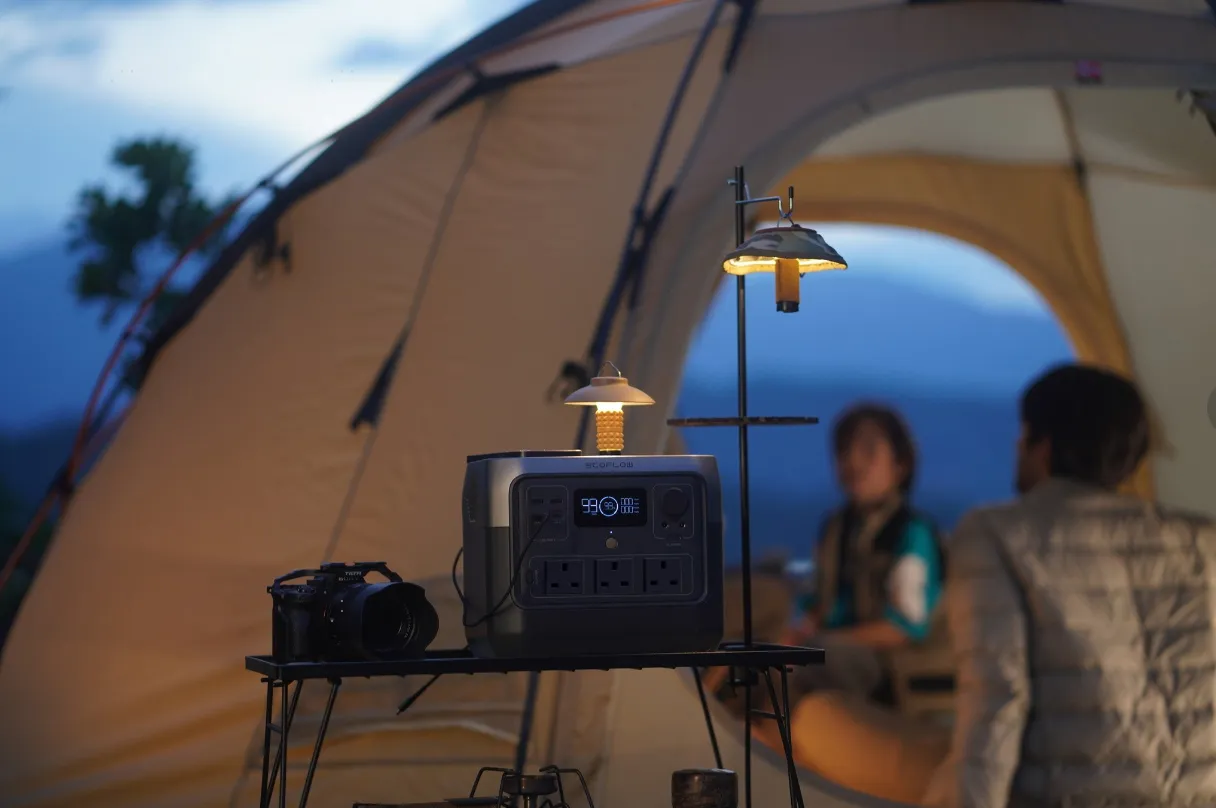
Contactless payment is now standard at most festivals, but winter temperatures can drain phone batteries faster than expected. Bringing a portable charger or power bank ensures you can access digital tickets, maps, and vendor information throughout the day. It also means you won’t miss the chance to capture photos of standout drinks or share recommendations with friends in real time.
Hot Chocolate Tasting Techniques Used by Festival Regulars
Enjoying high end hot chocolate goes well beyond simply warming your hands. Seasoned festival goers approach each cup the way sommeliers approach wine, slowing down to notice how ingredients, technique, and balance come together. Engaging all your senses helps you spot the difference between a good cocoa and one that’s truly memorable.
Assessing Aroma and Appearance
Before you take your first sip, pause and let the steam rise. Aroma sets expectations, revealing whether the chocolate leans nutty, fruity, earthy, or gently sweet. Notes of toasted hazelnut, dried cherry, or vanilla often hint at the cacao’s origin. Visually, colour matters too. A deep, almost mahogany tone usually signals a higher cacao content, while lighter shades suggest more milk, cream, or added flavourings.
Evaluating Texture and Mouthfeel
Texture is where craftsmanship really shows. Some hot chocolates are light and drinkable, closer to flavoured milk, while others are intentionally thick and slow sipping, similar to traditional European styles. A well made cup should feel smooth and cohesive, coating the tongue evenly without separating or leaving a heavy, greasy film behind. Balance is key, especially in colder outdoor settings where temperature drops quickly.
Deciphering the Flavour Profile
The first sip introduces sweetness, but the second reveals complexity. Pay attention to how flavours develop as the chocolate cools slightly. A good hot chocolate often has a clean finish that lingers pleasantly rather than fading abruptly. You may notice subtle layers like sea salt, gentle spice, roasted cacao, or floral accents that emerge gradually, rewarding anyone willing to slow down between sips.
Top Activities to Experience at a Hot Chocolate Festival 2026
Hot chocolate festivals in 2026 are no longer just about grabbing a quick cup and moving on. Across Canada, these events have evolved into full winter experiences that blend flavour, craftsmanship, and outdoor culture. From hands-on workshops to curated tastings, they invite visitors to slow down and fully embrace the season rather than rushing back indoors.
Unique Hot Chocolate Brews
Creativity takes centre stage at modern festivals. Expect inventive offerings that go far beyond classic milk chocolate, including “Spicy Mayan” blends with chilli and cinnamon, smoky cacao with charcoal accents, or herbal infusions featuring rosemary and thyme. These limited run recipes are often exclusive to the festival window, making them a major reason locals return year after year to sample what’s new.
Chocolate-Making Workshops
Many festivals now include small group workshops that explore the chocolate-making process from start to finish. “Bean to bar” sessions walk participants through roasting, grinding, and tempering cacao, while guided demonstrations explain how texture and flavour develop. These experiences appeal to anyone curious about what separates everyday cocoa from artisan chocolate, and they often inspire at-home experimentation long after winter ends.
DIY Hot Chocolate Bars


Outdoor festivals, especially in places like the Rideau Canal in Ottawa or along the snowy paths of Mont Royal, reward visitors who like a bit of independence. Setting up a personal hot chocolate station away from the busiest booths can turn a cold afternoon into a relaxed winter ritual. A compact power solution like the EcoFlow RIVER 2 Pro Portable Power Station makes this possible, easily running a small electric kettle or milk frother so you can prepare a fresh cup on demand while enjoying quiet views and crisp air.
Chocolate and Wine Pairings
For those looking to elevate the experience, chocolate and wine pairings add a refined layer to festival exploration. Booths often match rich cocoa with BC ice wines or full bodied Ontario reds, highlighting how sweetness, acidity, and tannins interact. Keeping ingredients at the right temperature matters, especially when crowds and fluctuating outdoor conditions come into play. The EcoFlow Glacier Classic Portable Fridge Freezer helps maintain balance by chilling wine in one zone while protecting chocolate fillings and dairy in another, all powered conveniently from a vehicle.
Rare and Savoury Chocolate Treats
Beyond drinks, some of the most memorable finds are savoury chocolate-based snacks tucked between dessert stands. Chocolate-dipped bacon, cacao-rubbed cheeses, or warm churros coated in spiced cocoa offer a welcome contrast and depth after several sweet tastings. These unexpected combinations are often overlooked, yet they tend to become festival favourites for those willing to explore beyond the obvious choices.
Conclusion
A hot chocolate festival is far more than a simple sugar fix; it’s a celebration of creativity, comfort, and winter resilience. In the middle of a Canadian winter, these gatherings turn sharp winds and snowy streets into an inviting backdrop for shared warmth, conversation, and discovery. With the right destination and a bit of thoughtful preparation, what starts as a casual outing can feel more like a slow, indulgent winter retreat.
The difference between a good experience and a memorable one often comes down to small details. Having the freedom to keep ingredients fresh, stay powered outdoors, and linger in a snowy park lets you move beyond being a passerby and become part of the festival’s rhythm. For ultimate convenience, bring the best portable power station to keep your devices charged and stay connected all day. Whether you’re enjoying a spiced historical recipe or a modern nitrogen-infused creation, the best cup is always the one savoured under a clear, cold sky. Bring your favourite mug, dress for the weather, and let winter do the rest.
FAQ
1. Which country is famous for hot chocolate?
Several countries are closely associated with hot chocolate, but their reputations come from very different traditions. While Switzerland and Belgium are globally admired for refined milk chocolate and precision craftsmanship, Mexico is widely recognized as the birthplace of hot chocolate as a drink. The Maya and Aztec civilizations first consumed cacao as a frothy, bitter beverage blended with spices and sometimes cornmeal, long before sugar entered the picture. Modern Mexican hot chocolate still reflects those roots, often featuring cinnamon and almond for a rustic, comforting profile. In Europe, Spain is famous for chocolate a la taza, an exceptionally thick style meant for dipping churros, while Italy’s cioccolata calda is known for its rich, almost custard-like texture that feels closer to dessert than a drink.
2. Do I need to buy tickets in advance for a hot chocolate festival?
That depends largely on how the festival is structured. Many Canadian city wide festivals, including the well known Vancouver Hot Chocolate Festival, operate on a pay as you go model, meaning there’s no admission fee and you simply purchase drinks directly from participating cafes. However, festivals hosted in enclosed venues such as convention centres, heritage districts, or botanical gardens often require advance tickets. Even when general entry is free, it’s smart to book early for ticketed add ons like chocolate making workshops, guided tastings, or wine and chocolate pairings, as these limited capacity events tend to sell out quickly.
3. What is the golden rule of hot chocolate?
The single most important rule is simple but often overlooked: never let the milk boil. When milk or cream reaches a rolling boil, the proteins can scorch and separate, forming an unpleasant skin and dull, burnt flavours that overpower the chocolate itself. For a smooth, cafe quality result, heat your milk gently to a low simmer, ideally around 80°C (176°F). At this temperature, the chocolate melts evenly and emulsifies properly, preserving the nuanced aromas and flavour notes of the cacao rather than masking them.
4. How long does hot chocolate stay fresh?
Hot chocolate made with fresh dairy or plant-based milk is best enjoyed soon after preparation. At room temperature, it should be consumed within two hours for food safety. If you’re preparing a larger batch for a winter gathering, outdoor event, or festival day, it can be refrigerated for three to five days in an airtight container. For extended outdoor outings, keeping milk or prepared chocolate at a stable 4°C (39°F) in a portable cooling unit helps maintain freshness and safety, especially during long Canadian winter days spent outdoors.