How Many Volts Is a Car Battery? Complete Guide to Car Battery Voltage
Starting your car on a freezing Toronto morning can be unpredictable, especially if your battery is weak. Or you might be heading out on a long road trip through the Canadian Rockies. Either way, it helps to know how your vehicle’s electrical system is holding up. This guide covers normal car battery voltage, what causes sudden drops, and practical tips for dealing with cold-weather breakdowns and keeping your vehicle running reliably on the road.
What Is the Normal Voltage for a Healthy Car Battery?
If you’re starting your car on a freezing morning, battery voltage matters more than you might think. Here are the standard voltage ranges for a properly working car battery at different stages of operation.
A Car Battery Is Usually 12 Volts
A car electrical system is commonly described as a "12-volt system." However, this value is only a nominal reference. A standard lead-acid battery consists of six individual cells, each producing approximately 2.1 volts. As a result, a "12-volt" battery is a classification label rather than an exact operating voltage.
Fully Charged Batteries Read 12.6 Volts
When the engine is off and the vehicle is at rest, a healthy fully charged battery should read 12.6 volts or slightly higher. A reading of around 12.0 volts indicates that the battery is approximately 50% discharged. If the voltage drops below 11.8 volts, the battery is considered fully discharged and requires immediate attention.
Engine Running Voltage Reaches 14.7
Once you turn the key and the engine fires up, the alternator takes over from the battery. With the engine running, the alternator actively sends power back into the system. It recharges the battery and runs your onboard electronics. During this charging phase, a normal voltage reading climbs noticeably, usually sitting between 13.5 and 14.7 volts.
Why Does Your Car Battery Voltage Drop so Fast?
A dead battery on a cold morning is one of the most frustrating ways to start the day. Knowing what usually causes a rapid voltage drop can help you catch problems early and avoid a dead battery.
Run the AC While Engine Idles
When you’re stuck in traffic on a hot day with the AC turned all the way up, your car’s electrical system has to work harder than usual. Because the engine is idling at low RPM, the alternator doesn’t generate as much power, so the battery may need to step in to support the AC and cooling fans. Over time, this can lead to a slight drop in battery voltage.
Leave Portable Car Devices Plugged in
Modern vehicles are often treated as mobile tech hubs, packed with phones, tablets, and GPS units. Learning how to charge a car battery properly using dynamic accessory ports is crucial, as leaving multiple portable devices plugged into your 12V power outlet when the engine is off can quietly bleed your battery dry.
Extreme Heat or Cold Drains Battery
Weather plays a huge role in battery performance across Canada. Hot summer heat speeds up internal chemical corrosion and evaporates the liquid electrolytes inside the battery. Extreme winter cold slows down the chemical reactions that generate electricity. When temperatures drop below freezing, your battery's starting capacity can fall by as much as 50%.
Parasitic Drain Caused by Dash Cams
Parasitic drain happens when electrical parts keep drawing power long after you shut down and lock the vehicle. A common culprit in Canadian driving conditions is an improperly configured hardwired dash cam with parking mode. It keeps pulling power from your battery overnight, slowly draining the voltage until the engine fails to crank.
How to Deal With a Dead Car Battery in an Emergency?
Getting stuck with a dead battery in the middle of a harsh winter can be highly inconvenient. Waiting for roadside assistance may take a long time. So it is important to have a backup plan to get you back on the road quickly and safely, which is why keeping a portable power station in your vehicle can be a reliable backup energy source during roadside emergencies or winter breakdowns.
Use Traditional Jumper Cables from Family Vehicles
The classic way to bring a dead battery back to life is to clamp a set of heavy-duty jumper cables to a running donor car. That donor usually belongs to a family member or a helpful stranger. This method connects the two electrical systems. The healthy car's alternator then delivers the surge of cranking amps needed to start your stalled engine.
Keep Compact Jump Starter Box in Garage
If you prefer to resolve the situation without waiting for roadside assistance, keep a portable lithium-ion jump starter in your garage or trunk. A compact jump starter lets you handle the situation on your own by delivering a short burst of high-amperage power directly to your battery terminals, allowing you to safely get back on the road without waiting for backup.
Getting stranded with a dead battery in freezing Canadian winters can become a serious safety issue. For drivers who frequently face dead battery issues in extreme winter conditions, portable and home-based backup power systems are becoming increasingly common.
Connect Heavy High-Capacity EV Backup Power
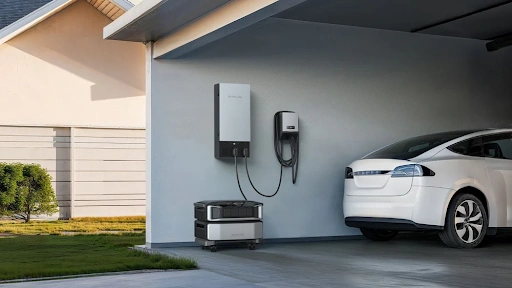
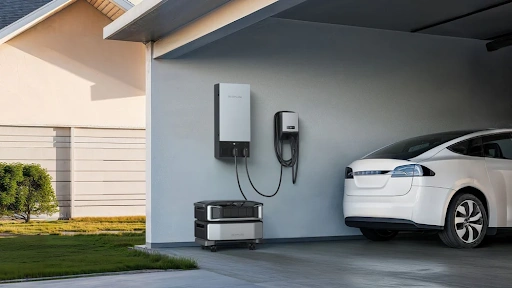
In Canadian winters, a dead battery is more than a minor inconvenience—it can be a safety hazard, especially if a standard jump pack becomes ineffective in freezing temperatures. This is why many homeowners are upgrading their garages with residential backup power solutions like the EcoFlow DELTA Pro Ultra + EcoFlow Power Pulse EV Charger (9.6kW). This system is built to keep your whole home running during extended blackouts. But it can also send high-capacity emergency power straight to your garage. You can recharge a dead vehicle and run heavy equipment during extreme winter emergencies. This allows you to operate without relying on roadside assistance.
How Can You Keep Your Battery Charged During Long Road Trips?
Heading out on a long cross province trip takes some careful energy planning, especially when you leave the major cities behind. Let's look at how to keep your battery at a good charge level while driving long distances across the vast Canadian landscape.
Run the Engine to Recharge Batteries
The most basic and natural way to keep your car battery charged is to let the engine run on the open highway. Long distance driving gives your alternator plenty of time at optimal RPMs. It efficiently replaces any power lost during startup and handles the continuous load from your headlights, wipers, and infotainment system.
Use Traditional Solar Trickle Chargers
For overland enthusiasts and camper van owners who like to park off grid for days at a time, traditional solar trickle chargers offer a solid passive option. Place one on your dashboard or mount it on the roof. These small solar panels convert sunlight into a slow, steady stream of milliamps. That steady charge counteracts natural self discharge and keeps your battery topped up while you are parked.
Install High-Efficiency Alternator Charging Systems
On long Canadian road trips or cross country excursions, drivers face a real problem. Your vehicle does more than just move itself. It also powers dash cams, portable fridges, phones, tablets, camping gear, and external backup batteries. Travel through remote northern areas or camp deep in a provincial park, and relying on your standard car battery for all those extra loads becomes a risky situation. It often leaves you stranded.
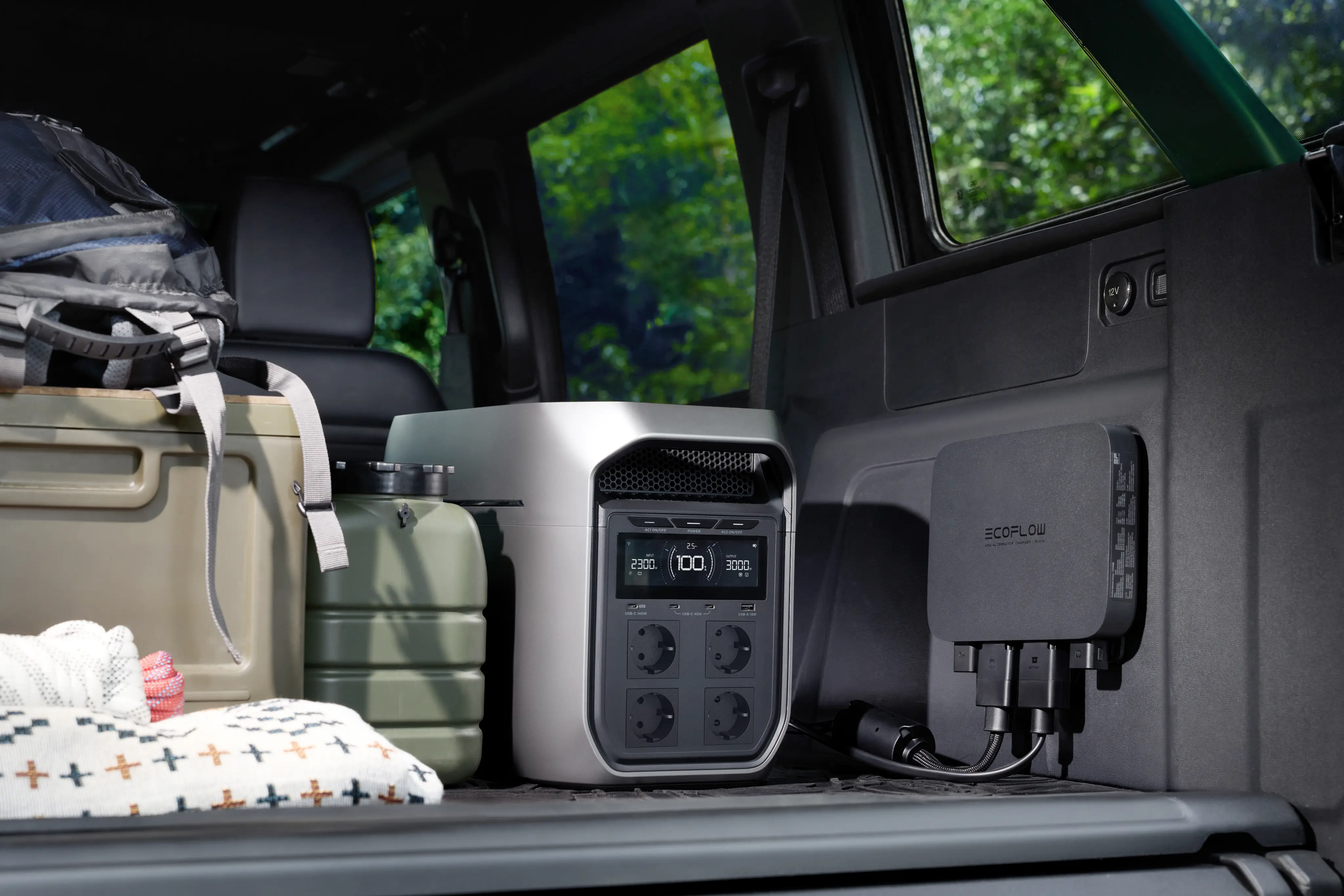
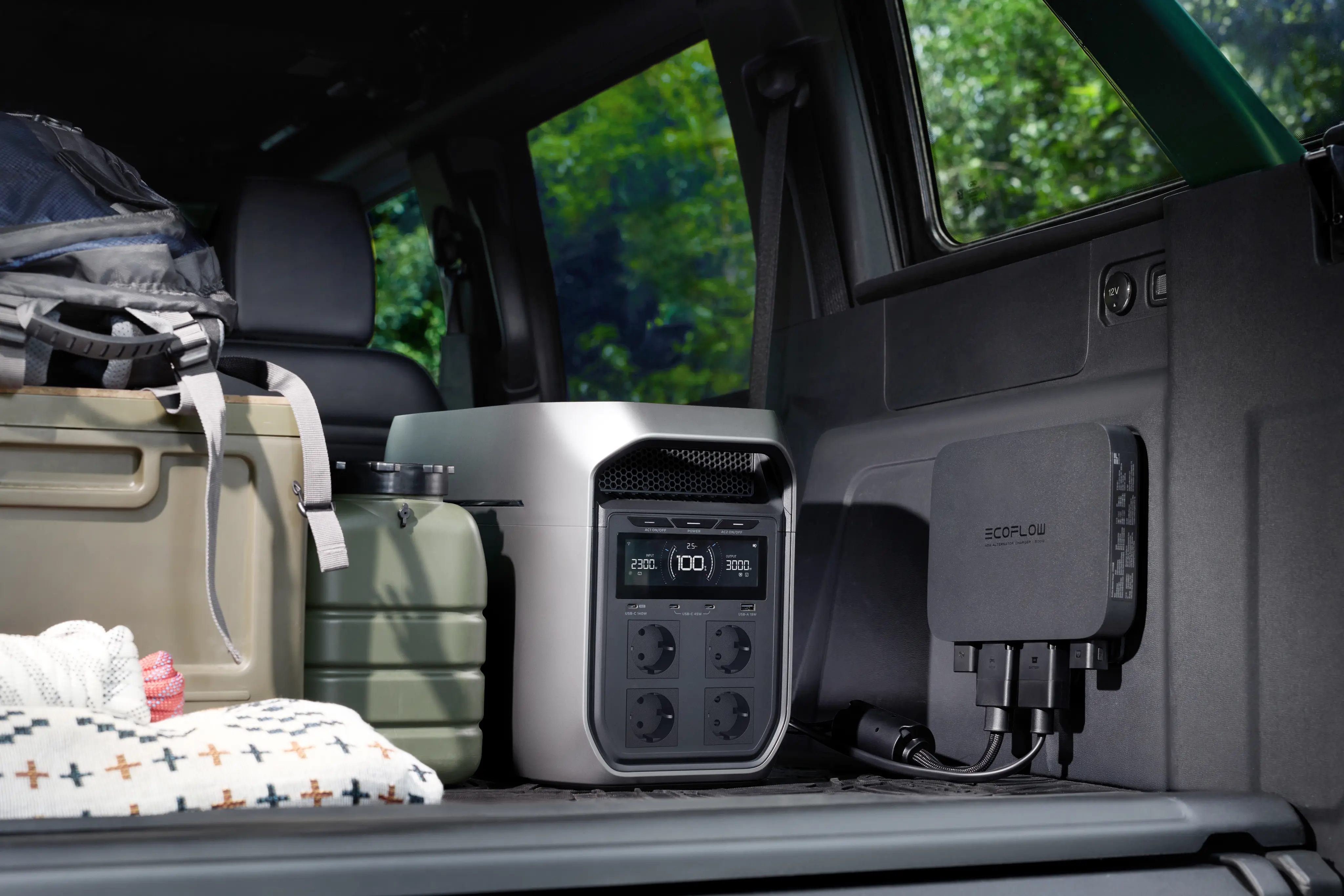
Experienced travelers now add on the go charging systems to avoid that risk. The EcoFlow DELTA 3 Max Plus (2048Wh) + 800W Alternator Charger gives you a mobile energy hub built for the Canadian wilderness. The system safely pulls excess mechanical energy from your vehicle while you drive. It can deliver up to 800W of charging power, which is significantly faster than a standard 12V accessory outlet, depending on driving conditions and vehicle setup. Once you park for the night, the DELTA 3 Max Plus takes over. It runs all your gear and provides a stable emergency power reserve. Your car battery stays untouched and ready to start the next morning.
How to Monitor Your Battery Voltage to Prevent Sudden Breakdowns?
Preventative maintenance is your best defense against getting stranded in the cold. Stay proactive and learn how to monitor your battery's health. You can catch low voltage issues long before they turn into a complete breakdown.
Read Dashboard Battery Warning Lights
Your car's instrument cluster gives you the simplest line of defense. If your vehicle detects that charging system voltage has dropped below a critical threshold, a red or amber battery shaped warning light will pop up on your dashboard. That means your charging system is failing and you need to get the vehicle serviced right away.
Watch For Slow Engine Cranking
Pay attention to how your car sounds when you turn the key. If the engine cranks slowly, groans, or takes noticeably longer to start than usual, that is a clear sign your battery voltage has dropped critically low. The battery simply does not have enough power to spin the starter motor efficiently.
Conduct a Visual Under-Hood Inspection
Inspect the battery compartment monthly for loose cables, case fractures, or crystalline corrosion. Check for loose cables, cracks in the case, or any white, blue, or green crusty buildup around the terminals. That corrosion causes serious electrical resistance. It blocks the flow of power and drops your voltage.
Check Voltage With A Simple Battery Monitor
For real-time data you can watch continuously, plug a simple digital battery monitor into your car's 12V accessory socket or cigarette lighter port. This small tool gives you a constant, easy to read voltage display right from the driver's seat. You can spot charging problems while you drive.
Test Voltage Using A Multimeter
For the most accurate diagnostic reading, nothing works better than a standard digital multimeter. Set it to the DC voltage setting. Touch the red positive probe to the positive battery terminal. Touch the black negative probe to the negative terminal. Then read the exact voltage instantly. Keeping a multimeter handy is just one part of vehicle preparedness; ensuring this diagnostic tool is included in your essential items to keep in the car for emergencies will keep you one step ahead of unexpected winter breakdowns.
Conclusion
Your car battery sits at the heart of your vehicle's electrical system. Keeping an eye on its voltage is one of the easiest ways to get reliable performance all year long. Know that a healthy resting reading sits at 12.6 volts. Understand what causes parasitic drains, like dash cams and harsh Canadian winters. That knowledge saves you from unexpected headaches. Equip your home garage or your adventure rig with a good auxiliary backup power system. Then you can hit the open road and handle any cold weather emergency with confidence.
FAQ
Does a 15 Minute Drive Charge a Car Battery?
No, a 15-minute drive is generally not long enough to fully charge a car battery, especially during cold Canadian winters. While a short drive will replace a fraction of the energy used to start the engine, it typically takes at least 30 to 45 minutes of continuous highway driving to adequately replenish a weak or partially discharged battery.
Can a Car Battery Charge Itself While Driving?
Yes, your car battery charges itself while driving because the engine spins the alternator, which generates electricity to power the vehicle and recharge the battery. As long as your alternator and serpentine belt are functioning correctly, your vehicle will continuously supply voltage back into the battery while you are on the road.
Will a Bad Alternator Drain a Battery When the Car Is Off?
Yes, a malfunctioning alternator can absolutely drain your battery even when the vehicle is completely turned off. This typically happens if the internal diodes inside the alternator fail, allowing an electrical current to leak backward through the circuit overnight, creating a severe parasitic drain that empties your battery.
How Low Can a Car Battery Voltage Go Before It Dies?
A car battery is considered completely discharged or "dead" once its resting voltage drops down to 11.8 volts or lower. While some modern vehicle electronics might still function at this level, the battery will no longer possess enough cranking amps to turn over the starter motor and fire up the engine.
Can a Totally Dead Car Battery Be Jump Started?
Yes, a completely dead car battery can usually be jump-started using external power, provided the battery has not suffered catastrophic internal structural damage or frozen solid. Once the vehicle is successfully jump-started, you must leave the engine running for an extended period to allow the alternator to rebuild the internal charge.