Outdoor Backyard Playsets: How to Choose the Right Playset for Your Kids and Backyard Space
- What Should You Consider Before Buying an Outdoor Backyard Playset?
- What Safety Features Are Important for a Backyard Playset?
- Which Types of Backyard Playsets Are Right for Your Family?
- How Can You Create a Family-Friendly Backyard Space?
- How Can You Make Your Playset Last Through Canadian Weather?
- Conclusion
- FAQs
Choosing a backyard playset boils down to two things: how your kids actually play, and how much yard you can realistically give up. Plan the layout well, and the backyard can become a space where kids naturally want to spend time, climbing, swinging, and staying active for hours. This guide covers materials, safety clearances, installation logistics, and the seasonal maintenance Canadian weather makes non-negotiable, all while keeping your budget in check.
What Should You Consider Before Buying an Outdoor Backyard Playset?
The right playset balances three things: the square footage you actually have, the budget you are comfortable with, and the activities your kids gravitate toward at the park. Overlooking any of these factors can create problems during installation or long-term use.
Measure Your Backyard Space
Measuring only the base frame can lead to problems. Swings need clearance at full arc, slide exits require landing zones, and kids running around the perimeter need at least six feet of buffer space on all sides. Always measure for the manufacturer’s recommended safety boundary rather than just the posts. Without enough clearance, the playset may feel cramped or interfere with other backyard features.
Choose Activities Your Kids Will Enjoy
Watch what your kids line up for at the park. Swings, monkey bars, climbing walls, and slides are usually the features kids use most and turn your yard into a spot for playdates and backyard parties. Decorative extras like plastic telescopes, steering wheels, or toy phones? Some tend to lose their appeal over time.
Plan Your Backyard Play Budget
Bigger is not always better. Durable, weather-resistant materials pay off over time, far more than loading up on decorative add-ons you can grab later. Set aside a chunk of the budget for shock-absorbing ground cover under the swings and slide exits. Once the essentials are covered, some families add outdoor lighting, misting fans for hot days, or a power station to keep devices charged through long afternoons outside.
Consider the Installation Requirements
Assembly demands vary widely across different brands and materials. Check the estimated build time, tool requirements, and the clearance width of your side gate before placing an order. Hauling long wooden beams or wide molded slides through a narrow side gate is the kind of headache you don’t want to discover on delivery day. Check the gate width before you order.
What Safety Features Are Important for a Backyard Playset?
A well-designed frame is only half the safety equation. Anchoring and ground cover do the other half of the work. Pay attention to a few key structural points and injury risks drop significantly.
Age-Appropriate Safety Features
Safety starts with equipment sized to your child’s actual motor skills and height. Toddlers need low decks, bucket swings, and enclosed steps. Tall towers, open belt swings, and steep climbing walls belong in the “later” category. Choosing equipment designed for an older age group can increase the risk of falls and may not provide the right level of support for younger children.
Safe Ground Surfaces
Falls top the list of playground injuries, so what’s underfoot matters as much as the structure itself. Grass and packed dirt don’t absorb much. Engineered wood fiber, rubber mulch, and thick rubber tiles do, and they should extend past the swing arcs and slide landing zones, not stop right at the frame.
Secure Connections and Anchors
A quality set should remain stable during normal use. Heavy-duty brackets, tight hardware, and concrete-sunk ground anchors or other manufacturer-approved anchoring systems keep the frame from racking or tipping. Make a habit of checking bolts every spring and fall. Canadian freeze-thaw cycles can gradually loosen hardware over time.
Which Types of Backyard Playsets Are Right for Your Family?
Choosing the right backyard playground setup comes down to three key factors: yard size, budget, and what your kids are actually into. Pick the combination that matches how long you want the set to last and how much lawn you’re prepared to hand over.
Wooden Playsets for Larger Backyards
A well-crafted wooden swing set suits larger yards and families seeking a durable, multi-level structure that grows with their children. Most designs pack elevated decks, a clubhouse, rock walls, and several swing positions into one footprint, enough for multiple kids to spread out without tripping over each other. Cedar and other rot-resistant species handle tough weather, but they’re not zero-maintenance. A quality stain or sealant applied every couple of years keeps moisture out and prevents rot from creeping into the joints.
Plastic Playsets for Younger Children
Plastic sets are built for toddlers and preschoolers. Low platforms, short slides, and soft steps mean small kids can climb and slide without hovering adult help. The lightweight frame shifts easily around the yard and tucks into the garage for winter storage. Compared to wood, plastic requires minimal upkeep, making it a practical choice if you are not ready for a permanent backyard build.
Metal Swing Sets for Long-Term Use
Steel sets give you an ultra-sturdy frame without taking over the whole lawn. If you want a durable swing set for kids that skips the bulk, it’s easily your best option. Instead of massive clubhouse towers, they focus strictly on swinging and climbing. Look for powder-coated steel tubes, that extra coating helps protect the steel from moisture exposure.
Multi-Activity Playsets With Slides and Climbers
Slides, swings, rock walls, and elevated decks crammed into one structure let three or four kids play simultaneously without queueing for turns. The footprint requires significant yard space and the upfront cost runs higher, but the payoff is longevity, your kids may continue using it for many years. For families who spend full afternoons outside, practical add-ons like shaded seating, outdoor storage bins, or a portable power station make the yard more comfortable for adults and kids alike.
How Can You Create a Family-Friendly Backyard Space?
A playset fits best into a yard designed for the whole household. Comfortable seating, smart storage, and a few practical extras shift the lawn from a kid-only zone into a space where everyone wants to spend time.
Create an Outdoor Workspace for Parents
Putting in a backyard playset often turns the lawn into a shared family space rather than an area used only by the kids. Many parents spend hours nearby while their children climb and swing, using that outdoor time to catch up on emails, read a book, reply to messages, or handle light laptop work. A dedicated patio workspace lets you enjoy the fresh air and stay close to your family without heading indoors every time you need to get something done.
Working outside sounds great until your laptop drops to 15% and bright sunlight pushes you to increase screen brightness, draining the battery even faster. Instead of running extension cords across the lawn, keep a portable power source like the EcoFlow DELTA 3 Classic Portable Power Station beside your patio chair. With 1024Wh capacity and 1800W output, it can help keep laptops, tablets, and phones powered through longer outdoor sessions without repeated trips back inside.
Set Up a Drink and Snack Area
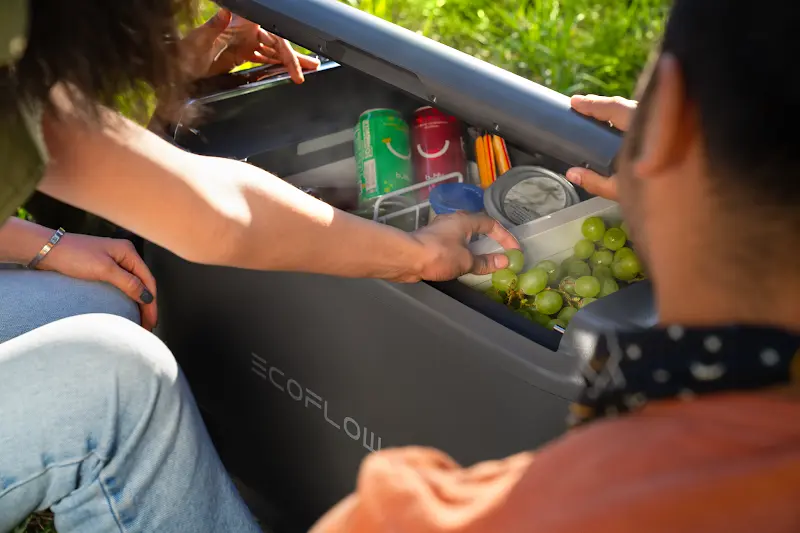
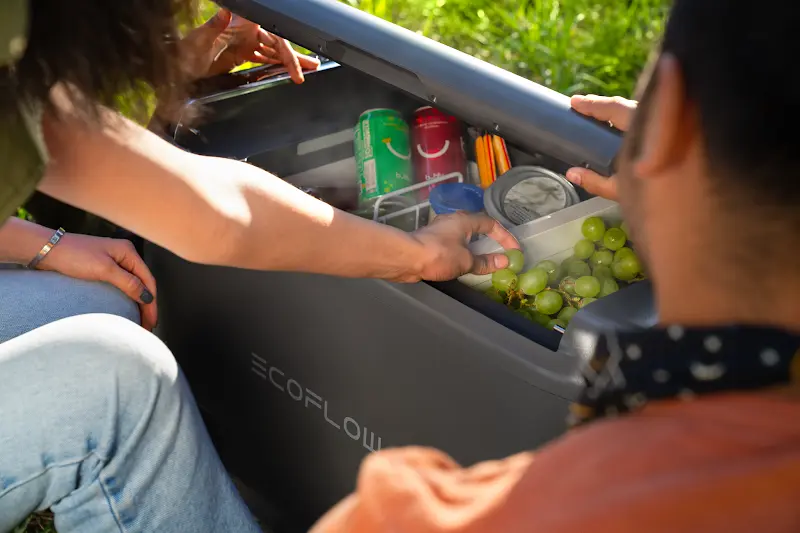
A playset often turns the backyard into the main gathering space for barbecues, playdates, and birthday parties. Once everyone starts spending more time outside, cold drinks and fresh snacks need to stay within reach too. Frequent trips indoors for snacks can quickly bring dirt and mud back into the kitchen. A cooler stationed outside solves the convenience problem, but traditional ice chests come with their own mess: drinks sitting in melted ice water and snacks getting damp as the day goes on. A cooler that runs without ice keeps everything cleaner and easier to manage, while letting kids grab their own drinks without needing help with a heavy lid full of water.
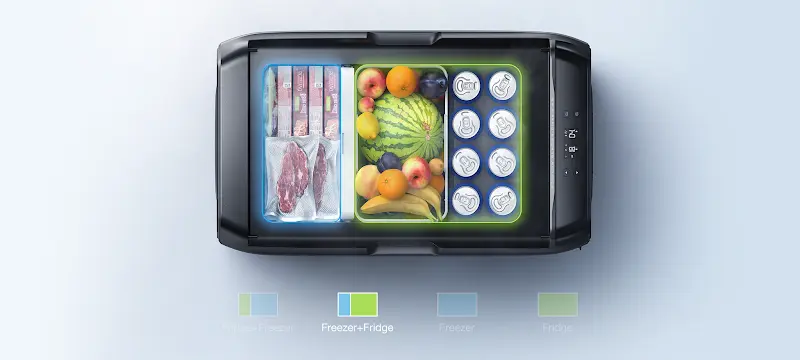
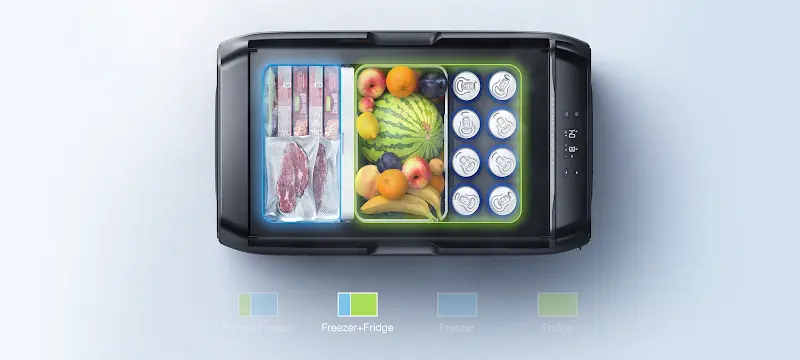
Setting up a battery-powered cooler like the EcoFlow GLACIER Classic Portable Fridge Freezer beside your patio seating provides dual-zone cooling without the need to buy ice. Keep freeze pops solid on one side while storing juice boxes and other drinks on the other, reducing repeated trips back to the kitchen during busy weekend playdates. The snack station stays simple and ready to go, without dealing with soggy wrappers or melted ice at the end of the afternoon.
Add Lighting for Evening Backyard Activities
Outdoor lighting stretches playtime past sunset and keeps pathways visible. Solar stakes and low-voltage path lights outline walkways cleanly. Overhead string lights add warmth to patio seating without electrical work. The same ambient glow works well for backyard bonfire night after the kids head inside. Just be sure to keep light fixtures well away from swing paths and climbing towers. Also, make sure all cables are tucked away completely off the grass so nobody trips during late night games of tag.
Create Separate Play and Rest Zones
Keep the playset in an open stretch of lawn, away from patio furniture, hot grills, and main walkways. That buffer zone helps separate active play areas from relaxation spaces. A shaded chair or bench set back from the play area puts parents in view of the action without sitting in the middle of it. Tuck a couple of weather-resistant bins or a small outdoor cabinet nearby for balls, sports gear, and lawn toys. At the end of the day, everything can be stored away and ready for tomorrow. Cleanup shrinks to a few minutes.
How Can You Make Your Playset Last Through Canadian Weather?
Spring rain, winter snow, summer UV, and relentless freeze-thaw cycles — Canadian weather dismantles untreated playsets fast. A basic seasonal routine protects the investment and keeps the structure safe through every weather swing.
Protect Your Playset From Rain Damage
Moisture leads to rot, surface rust, and joints that soften over time. The ground beneath the set should drain well, with no pooling water around support posts. Every autumn, clear trapped leaves out of timber joints. Every couple of years, apply a fresh coat of water sealant to stop rain from working into the grain.
Prevent Sun Damage During Summer
Summer UV dries wood, fades paint, and turns plastic slides brittle with enough exposure. A naturally shaded spot helps. No natural shade? A canopy stretched over the deck does the same job. Bonus: it keeps plastic slides from heating up enough to burn skin on hot afternoons.
Prepare Your Playset for Snow Conditions
Heavy snow sitting on elevated decks stresses joints and metal fittings over time. Freeze-thaw cycles work bolts loose and widen small cracks. After a major storm, clear the thick snow off platforms before it hardens. Keep kids off icy surfaces until things thaw and dry out.
Check Your Playset After Seasonal Changes
A thorough inspection every spring and fall catches problems before they compound. Loose bolts, surface rust on metal fittings, wood splinters, stretched chain links, all minor fixes when spotted early, all major headaches when ignored.
Conclusion
A well-placed playset changes how the whole family uses the yard. Build the space to work for parents as much as kids, and long afternoons outside stop feeling like a chore. Shaded seating, weatherproof storage, a drink station that lives outdoors, small additions that cut down on indoor trips. A bit of prep early on turns the lawn into a hub where kids burn energy and adults get to sit back and actually enjoy it.
FAQs
How Much Space Do You Need for a Playset?
The posts aren’t the boundary. Swings arc outward, slides need a landing zone, and kids tear around the perimeter constantly. A six-foot buffer on every side is standard in most manufacturer guidelines. Measure the full play zone, not the frame.
Is It Cheaper to Build a Playset or Buy One?
Building from scratch costs less upfront, assuming a basic design and a willingness to do the work yourself. The trade-off is time. Pre-packaged kits arrive with pre-cut lumber, engineered hardware, and safety-tested layouts, higher upfront cost, far fewer hours spent assembling and troubleshooting.
What Type of Swing Set Is Best for Uneven Ground?
Swing sets need level ground, there’s no model built specifically for slopes. If the yard has a grade, level the area before installation. For smaller bumps and dips, adjustable ground anchors or a professional leveling job locks the frame down securely without hunting for a specialized set that doesn’t exist.
What to Look for When Buying a Swing Set?
Frame strength, recessed hardware that won’t catch clothing, realistic weight limits, and features your kids will actually use, those are the priorities. Steer clear of sets overloaded with plastic extras. Telescopes, steering wheels, toy phones, most of it snaps or gets abandoned. A strong frame with swings, a slide, and monkey bars holds attention and lasts years longer.
What Is the Average Lifespan of a Swing Set?
Build quality, local weather, and how consistently you maintain it determine how long a set lasts. A well-built wooden or metal swing set can last around 10 to 15 years, and can extend even longer with seasonal bolt checks, rust inspection, and fresh sealant on the timber every few years.