Home Battery Backup vs Standby Generator: Which Is More Cost-Effective in 2026 and Beyond
- Home Battery Backups vs. Standby Generators: What Are the Costs?
- How Much Do Home Battery Backup Systems Cost to Operate?
- Would it be More Economical in the Long Run to consider a whole-home battery backup?
- How to Choose the Best Backup Battery for Home or Generators?
- Deciding Your Energy Future
- Frequently Asked Questions
If you’re trying to decide what type of battery solution you want, chances are you’re deciding between a home battery backup solution and a standby generator solution. Battery pricing has generally trended downward in recent years, but the best backup choice still depends on outage frequency, fuel access, and your home’s load requirements. But if you have a lot of power outages in your area or if you’re looking for a solution that will last longer, a standby generator may be a better solution for you.
Home Battery Backups vs. Standby Generators: What Are the Costs?
Let’s talk about money, the question everyone wants answered first.
2026 Equipment Prices
The price for a whole-house battery backup system usually varies widely. Most whole-house systems within this price range are usually quoted in terms of “equipment + installation + electrical,” so it really is very dependent upon your home's electrical infrastructure and the amount of backup power required.
The cost for this type of solar panel energy system in Canada has been trending downwards in recent years, mainly because the availability of supply and the availability of solar panel installers are increasing, though pricing still varies considerably by province and project complexity.
Standby generators, on the other hand, have a different tale altogether. For an average house in Canada, the price of installing a standby generator will depend on its capacity and could vary significantly, depending on how difficult the installation turns out to be and the type of fuel that will be utilized in the standby generator. Smaller standby units will cost less, while larger whole-home-capable units can cost substantially more, especially with more complex installations.
Installation Requirements
A home backup battery typically involves some electrical work and possibly a sub-panel upgrade. If you are doing the solar as well, it's a little more complex, but you can package the expenses.
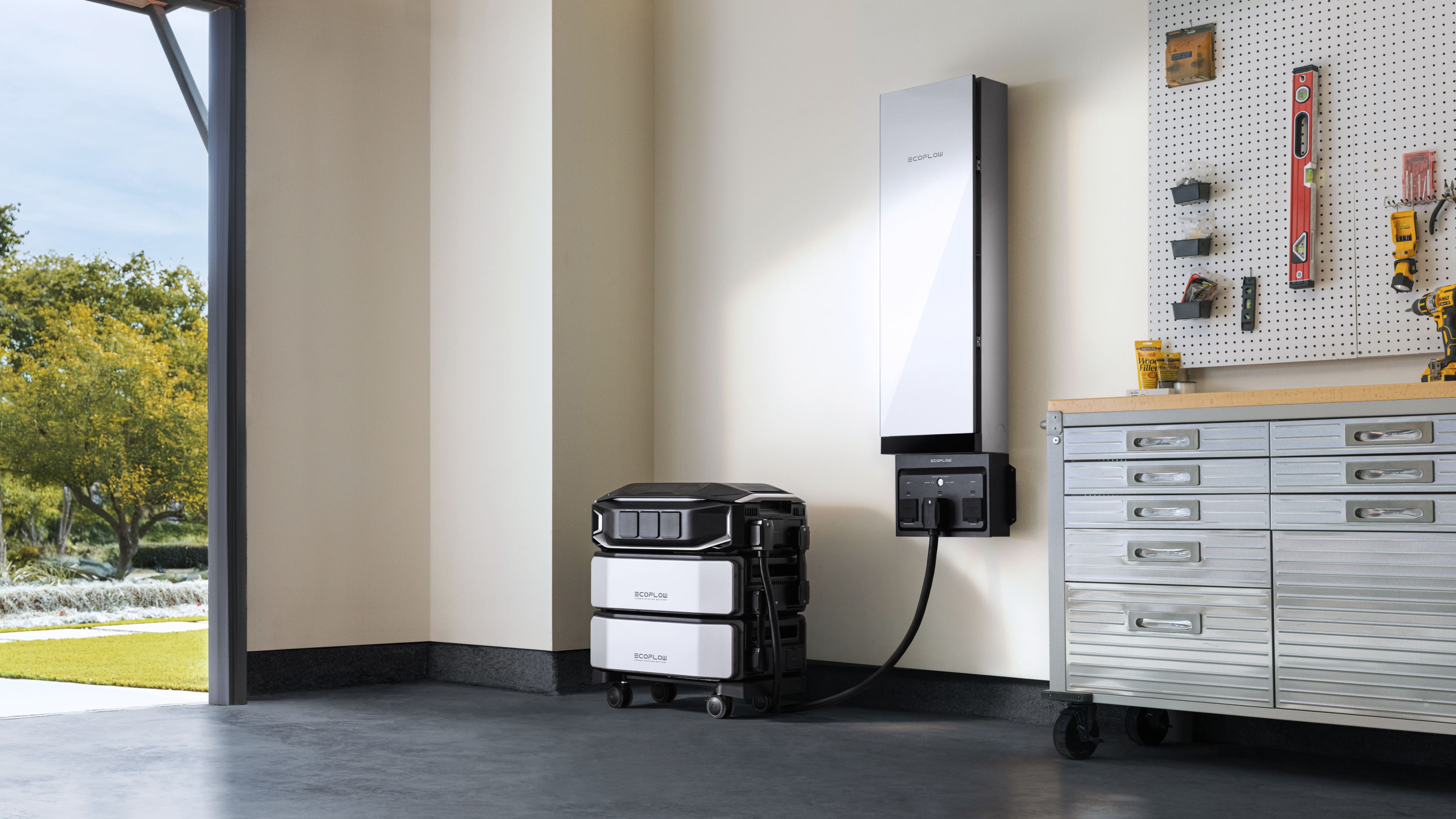
If you want to power your entire home in the usual manner, the integration part of the process can matter just as much as the battery itself. Some systems come with split-phase 120V/240V and provide easy access for whole-home panels or gateways. For example, EcoFlow’s DELTA Pro Ultra X is positioned as a whole-home system with 12kW output, and it pairs with a 200A smart panel for circuit-level control.
A concrete pad is required for a generator installation, as well as a gas hookup (for natural gas) and a transfer switch. If propane storage is needed, a tank and delivery setup may add additional costs depending on size and site conditions.
For Canada, you will need to plan for municipal permits if necessary, as well as electrical notifications and inspections under your provincial authority (such as ESA in Ontario, Technical Safety BC in B.C., and similar in other provinces). You will also want equipment that complies with Canadian standards (CSA/ULC certification) and electrical work that is in accordance with the Canadian Electrical Code (CEC).
Permits and inspections vary by province and municipality, so confirm local requirements before budgeting. Generator pricing can be relatively steady, while battery costs have generally trended downward in recent years, but real-world installed pricing depends heavily on the local market and installation scope
Battery backups designed for home systems differ in their costs of operation. Some are more expensive in operation, while others are not.
How Much Do Home Battery Backup Systems Cost to Operate?
Daily Operating Costs
Recharging your battery system from the power grid will typically cost you an amount that depends on your electricity rate and how much energy you’re putting back into the battery. If you are utilizing solar power, then you are essentially storing free sunlight, which means you are utilizing free energy storage.
Generators need fuel. For Canada, the cost of natural gas changes by region and by time of year, so it's more useful to consider costs in terms of ‘fuel burn per hour’ than an average cost. Propane costs are considerably higher, and even for prolonged power outages, the cost incurred can be significant.
Maintenance Requirements
Batteries are generally lower-maintenance than generators, though some systems still benefit from periodic inspections depending on your installer’s requirements.
Generators require routine service such as oil changes, inspections, and periodic testing. Costs depend on model, usage, and whether the service is DIY or contracted. Transfer switch service life varies by quality, usage, and maintenance, and should be checked during regular electrical inspections.
Battery Life & Degradation
Battery warranties vary by manufacturer and are often defined by years, cycles, or capacity-retention terms. Always verify the specific warranty and operating temperature requirements for the model you choose.
The lifespan of standby generators will range from “a decade-plus” in many homes when maintained, though this is not a guaranteed lifespan if the generators are not well taken care of.
Would it be More Economical in the Long Run to consider a whole-home battery backup?
Total Cost for Many Years
Over a long ownership period, total cost depends on installation complexity, maintenance needs, fuel use during outages, and how often you cycle the system for rate savings.
If outages are rare, fuel costs may be minimal; if outages are frequent or prolonged, fuel costs can become a meaningful part of generator ownership.
The Solar Advantage
This is where home battery back-ups truly come into their own, even without power outages. For the majority of Canadian provinces, solar-powered back-ups will provide the greatest economic benefit, particularly when time-of-use rates (if available) are maximized, as well as self-consumption, which is how much you use versus how much you export. Some consumers may be able to realize monthly savings as well.
Rebates, Loans, and Incentives in Canada
Instead of a federal tax credit, Canada has a variety of federal credits (if available), provincial credits, or utility energy credits. Incentives are evolving in 2026. For instance, BC Hydro's new battery rebates starting April 1, 2026, offer up to $5,000, but may require you to enroll in demand-response programs like "Peak Saver."
Home Value Effect
This refers to the data in the real estate market, where homes that have solar and battery capabilities can command a small price premium in areas where the community demands reliability and lower operating costs. Although generators have the benefit of providing power during outages, batteries have the appeal of being modern and noise-free, especially in many Canadian residential areas.
How to Choose the Best Backup Battery for Home or Generators?
Ultimately, the choice of the best portable power supply for the home or generator is yours.
Why Outage Patterns Matter
If power outages frequently occur in your locality, then the easiest solution for you would be a battery backup system for your home, which will turn on immediately, function noiselessly, and will be able to power through the day.
If you can go without power for several days in the case of ice storms, hurricanes, and snowstorms, then having a generator is definitely a good investment. It will continue working as long as you have fuel in your tank. Batteries can last hours to a couple of days, depending on usable capacity and load, while solar will give you power in the daytime.
Budget and Power Requirements
For basic requirements such as refrigeration, lighting, and Wi-Fi, a mid-range battery solution might be sufficient.
If what is desired is all of the above, a higher-capacity setup (possibly multiple batteries), or a generator will probably be required.
Combining Both Approaches
Some households combine a battery for short outages with a generator for extended backup.

Deciding Your Energy Future
Want the smart choice? Make your estimate based on the frequency of power outages per year and your solar usage. Many will cut their expenses by the year 2026 using a battery backup system, but in places that experience frequent power outages, don’t count out generators. Obtain quotes from Canadian installers and check the Canadian Electrical Code/CSA regulations in your location for the total CAD cost.
If you’re leaning battery and your goal is true whole-home coverage, not just “keep the fridge on”: EcoFlow DELTA Pro Ultra X is worth putting on your short list. It’s built around 12kW split-phase 120V/240V output and whole-home integration options, and it scales by adding battery packs for longer runtime.
Frequently Asked Questions
Q1. Can I install a home battery backup system myself to save money?
Not really. Mainly for safety reasons. It needs to be connected to your electrical panel, and most likely, you will need a permit for this installation. The electrician's installation might be required according to local fire codes and electric regulations, which will help you save money in the long run if properly installed.
Q2. Are Home Battery Backup Systems Effective During Winter?
Yes. Low temperatures may impact range and performance. Most lithium batteries generally charge less effectively at and below freezing, so performance limits depend on the specific product’s thermal management. Systems come with heat management solutions to maintain safe temperatures. Battery heating or storage inside when it is cold may be required. Low temperatures can make generators starting harder (oil viscosity), but this may raise fuel consumption.
Q3. What Will Happen to My Battery Once the Warranty Has Expired?
After the warranty period, the battery will usually still operate, but usable capacity may gradually decline over time. Actual retention depends on chemistry, temperature exposure, and how deeply and frequently you cycle the system. Capacity fade is usually gradual rather than sudden, so you can plan for replacement or expansion.