Heat Dome Preparedness: Lessons for the Summer of 2026
Heat domes are high-pressure systems that trap hot air in an area for consecutive days, and climate change is only making them more frequent. While they used to occur once in a millennium, they now happen every 5-10 years, and climate experts predict that 2026 will be one of the hottest years on record.
Thankfully, we have the heat dome of 2021 to draw on for learned lessons, as well as new bylaws to protect residents and improved power solutions to keep us cool indoors. Using a three-pronged approach (policy framework, backup power, and personal preparedness), you’ll be ready for any potential heat dome that comes your way in 2026.
The 2021 Heat Dome: A Wake-Up Call
In June 2021, a record-breaking heatwave struck the Pacific Northwest, with some areas in Canada reaching their highest-ever temperature. This heat dome broke the previous record by 4.6ºC. Geographically, much of British Columbia, Alberta, Washington, Oregon, and Northern California was affected.
In a heat dome, the temperature can be 16-20ºC above normal seasonal temperatures, with a duration of several consecutive days above 40ºC in typically temperate regions.
The timing of this heat dome was also significant, as it occurred an entire month before the climatological peak of summer heat.
Vulnerable Populations Affected
There were 619 total confirmed deaths in British Columbia, with most deaths occurring in private residences. Victims were predominantly located in buildings without air conditioning. Other factors, such as high-rise apartments that create urban heat islands, exacerbated the issues.
Key Lessons Learned from 2021
Thankfully, we learned a few things from the 2021 heat dome disaster. We discovered just how vital early warning systems are to prepare the public. Weather forecasting accuracy provided a 10-20 day advanced warning, but it was challenging to convey the magnitude of the impending heat. We also discovered that communities with heat response plans in place fared better, underscoring the importance of advanced preparation.
Other lessons include key safety features in building design and location. While outdoor heat exposure was brutal, more deaths occurred from excessive indoor heat, with the upper floors of apartment buildings becoming death traps. Older buildings lacked adequate cooling infrastructure, and a lack of natural ventilation systems created the most danger.
The concept of a “cool room” emerged, highlighting how a single air-conditioned space in each residence could have prevented many deaths.
The 2021 heat dome also highlighted the vulnerability of the electrical grid due to the simultaneous use of air conditioning, resulting in cascading power outages. Few residents had alternative power sources available for cooling equipment, and the long duration of the event exhausted many of the backup battery systems people did have.
Canada’s New Cool Room Bylaws for 2026
In response to the extreme summer heat of 2021, British Columbia introduced a maximum design temperature limit for single living spaces in each unit to minimize the risk of overheating. The maximum indoor design temperature is 26°C, and spaces such as unfinished basements, service rooms, and crawl spaces are not considered living spaces. The space temperature may be reached via passive cooling strategies or mechanical cooling.
Other areas in Canada have similar initiatives in place, including Toronto’s Indoor Temperature Standards bylaw, which is enforced annually between June 1 and September 30. Municipalities are also adopting their own bylaws to require or enable cooling.
Essential Equipment for Heat Dome Survival
Building on the lessons learned from 2021, Canadian residents living near the Pacific Coast can prepare for potential heatwaves or heat domes with the right equipment.
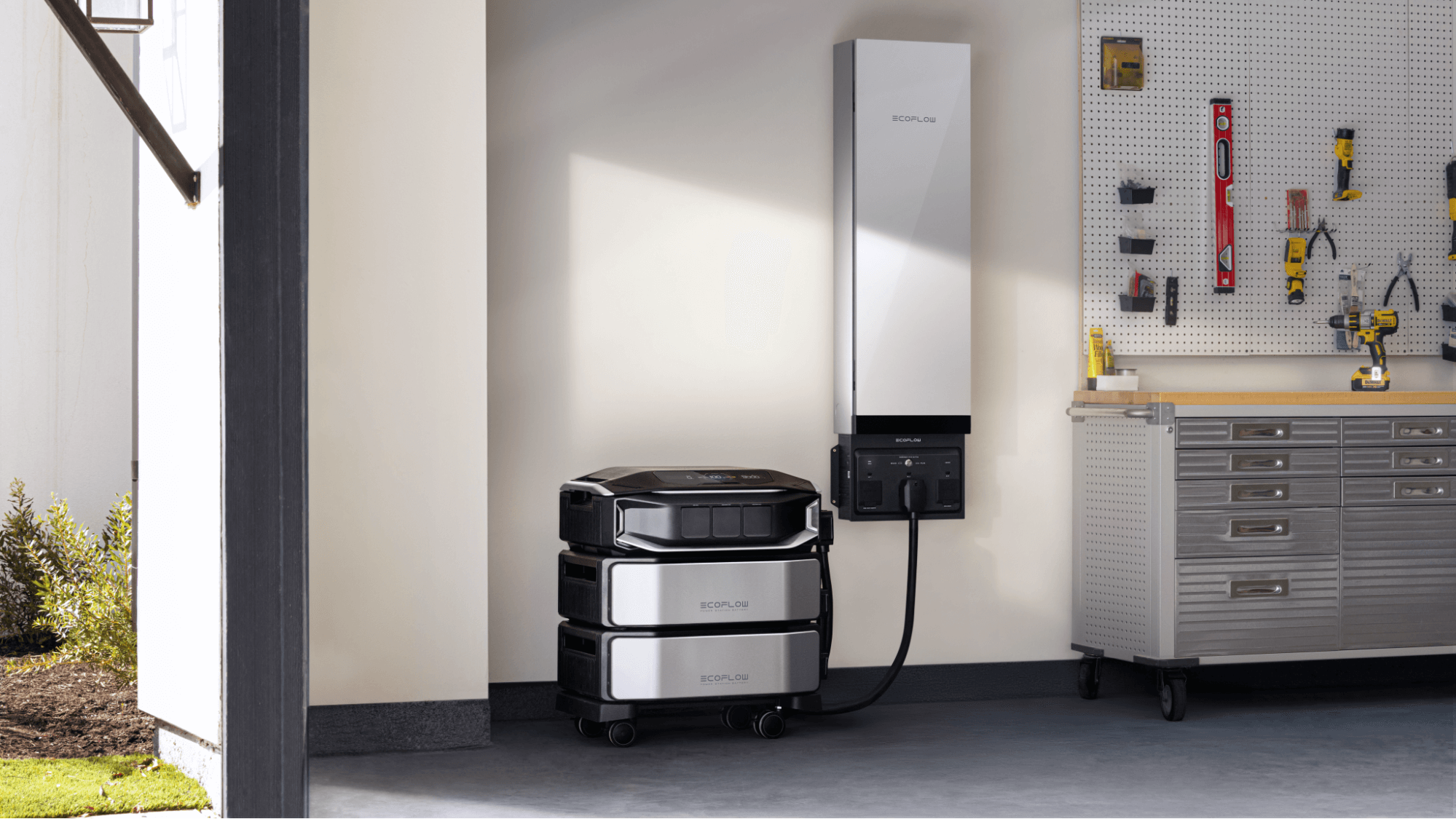
The electrical grid is unreliable, so having your own alternative power source at home will keep you and your family cool when the heat is unbearable. An EcoFlow Whole-Home Backup Generator is a fully integrated option that can utilize solar power as soon as the system detects a power outage on the grid. It will also help you save on utility costs throughout the year.
If you prefer to have something in storage that you can use when necessary, consider the EcoFlow DELTA Pro Ultra X. It boasts a high storage capacity, enabling you to power your entire home, and can be paired with other generators for extended backup runtime. That peace of mind during a heat dome is invaluable.
A solar generator or portable power station (PPS) has the advantage of silent operation. Additionally, you won’t have to use them outdoors, as they are safe for indoor use and do not produce carbon monoxide.
Creating Your Home “Cool Room”
Designating a “cool room” in your home can help you prioritize your space and contain your cooling efforts to one area. Some optimal room characteristics include a small space with few windows and north-facing exposure. A basement is naturally cooler, but it would require ventilation and proper moisture control.
Once you've chosen your space, select window treatments to block solar heat gain, inspect for air leaks, and add weather stripping around doors and windows. Additionally, arrange your furniture to allow for air circulation.
Ensure you have the correct extension cords and sufficient space for your backup power equipment. Conduct a test run to identify any flaws in your emergency protocol before the summer arrives.
Heat Dome Risks Demand Proactive Home Preparedness
Unfortunately, in our current climate reality, heat domes are becoming more frequent, turning from rare occurrences to regular events. Policy changes are already underway to protect residents from an infrastructure standpoint, so your focus should be on personal planning and procuring backup power systems.
Invest now in your backup solar power equipment, like the EcoFlow DELTA Pro Ultra X, and create your “cool room” plan before the summer of 2026 and the next major heat event. Taking action now will give you confidence that your health and safety won’t be at risk when the next heat dome strikes.