The Gas Tax Cut Saves You $77. Driving Electric Saves You $32,000. Here's the Math
- Gas Tax Cut And EV Savings: What It Means For Drivers
- How Much Does The Gas Tax Pause Save The Average Driver?
- How Much Can Driving Electric Save Per Month And Over 10 Years?
- Why EV Savings Are More Stable Than Fuel Savings
- What The Numbers Say About Gas Tax Cuts And EVs
- Frequently Asked Questions
- Save Money, Gain Energy Independence, Boost Home Resilience
Gas prices have been brutal this spring due to geopolitical disruption in the Middle East. The Canadian federal government has responded to help its residents save at the gas pump by establishing a temporary gas tax cut, and it’s gotten a lot of attention.
In reality, the modest savings are nowhere near the massive potential savings available if you switch to driving electric. Here's how the math shakes out, and how you could save much more by powering an EV with solar.
Gas Tax Cut And EV Savings: What It Means For Drivers
On April 20, 2026, the federal government suspended the 10 cents/L excise tax on regular gasoline and the four cents/L excise tax on diesel through September 7th, 2026. For the average gas car driver, Clean Energy Canada estimates roughly $77 saved over the entire pause period, which breaks down to $17 per month.
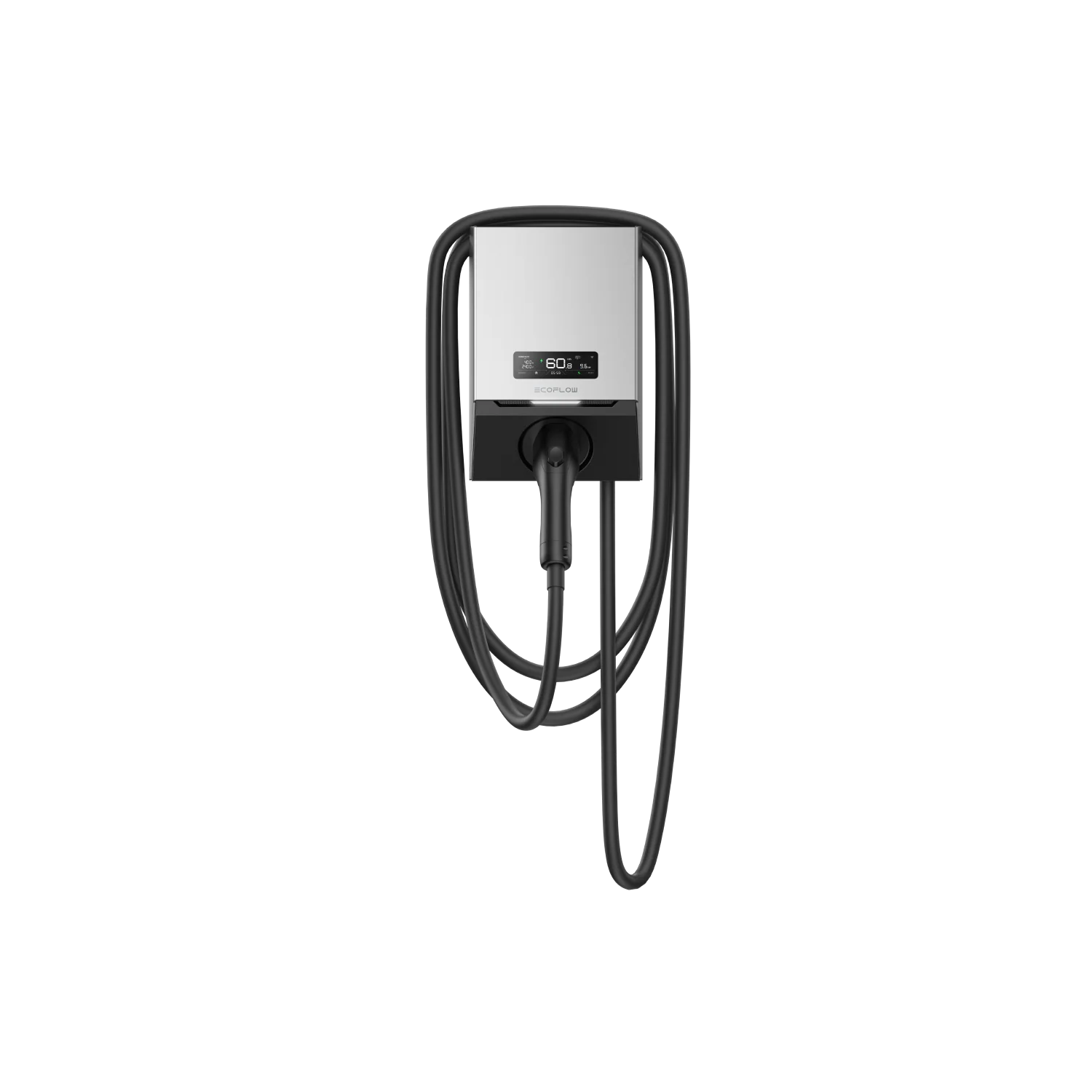
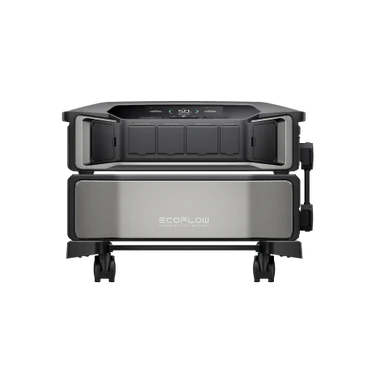
Meanwhile, EV drivers save around $250 per month indefinitely by skipping the pump altogether. For drivers who have already made that switch, switching to solar can make the savings go even further. Using the EcoFlow DELTA Pro Ultra + EV Charger can replace the need for grid power to charge your EV altogether, cutting the cost of charging on top of the fuel savings that are already built into EV ownership.
How Much Does The Gas Tax Pause Save The Average Driver?
The federal excise tax on gasoline has sat at 10¢/L since 1995. Suspending it to 0¢/L through Labour Day is the largest single-item fuel tax cut in recent memory, but the savings are still modest at the individual level.
Clean Energy Canada's calculation assumes an average driving rate and a full pass-through of the cut to the customers. However, this isn't guaranteed across all markets, as there's no embedded requirement for the savings to get passed down.
How Do Per‑Liter And Per‑Gallon Savings Compare?
A reduction of 10¢/L translates to about five to six dollars per fill on a 50-60 litre tank once the Goods and Services Tax and Harmonized Sales Tax are factored in. If you make weekly fill-ups, that could be around $20-25 a month, which is meaningful but not transformative.
To get a clear picture of your actual exposure, compare your local costs, such as Ontario gas prices, against your vehicle's rated fuel consumption.
If you have a summer road trip planned, you could also run the numbers through a gas price calculator before you leave to see exactly what you'll save on that specific route, which can help you compare the cost of driving versus other options.
How Much Can Driving Electric Save Per Month And Over 10 Years?
The fuel savings from an EV operate on a different scale.Choosing an electric vehicle over a comparable gas model saves $23,000 to $32,000 over 10 years of ownership, or about $250/month.
The $32,000 figure assumes gas prices remain near current elevated levels; if prices settle lower, savings trend toward the bottom of that range. Either way, the 10-year total dwarfs what a gas tax pause can deliver.
The savings come from three directions at once. Charging an EV costs 5 to 10 times less than filling up with gas or diesel for an equivalent distance. Maintenance costs run 40–50% lower than a gas vehicle, per CAA data, because there are no oil changes, no exhaust system repairs, and fewer mechanical components overall. And with purchase incentives still available, some EVs hit a total cost break-even with gas counterparts in under a year.
Why EV Savings Are More Stable Than Fuel Savings
The gas tax pause was only created because global oil prices are currently spiked due to the disrupted oil supply through the Strait of Hormuz. Global oil prices are volatile, but electricity rates are provincially regulated and change much more slowly.
Home charging costs can be reduced further with time-of-use pricing, and with the right solar setup. The recent EVAP incentive, combined with current elevated gas prices, has reduced the EV break-even point from roughly five years down to just over two.
If you're looking to extend that stability further into your overall energy costs, whole-home backup power solutions that use solar power can offset grid draw for both home use and vehicle charging.
What The Numbers Say About Gas Tax Cuts And EVs
You could save approximately $77 through temporary relief when driving a gas-powered vehicle, or $23,000 to $32,000 in the long-term with EV ownership. The difference is significant.
Plus, EV incentives extend far beyond the gas savings. The Electric Vehicle Affordability Program replaces the now-closed carbon tax rebate and provides up to $5,000 on a qualifying battery electric vehicle. However, the rebate amounts will begin declining in 2027, making this year the highest value window in the program's run.
Frequently Asked Questions
How Much Will The Gas Tax Pause Save Me?
The average Canadian driver saves approximately $77 total over the pause period, based on an estimate of 7,700 km driven at 10 L/100km. Higher-mileage drivers or those with less fuel-efficient vehicles will see more. Savings also depend on whether retailers fully pass the 10¢/L cut through to the pump.
How Much Can I Save By Switching To An EV?
Ten-year ownership savings come to $23k-$32k, around $250 per month. Actual figures vary by province, vehicle pairing, and charging setup. With EVAP currently offering up to $5,000 at point of sale, the upfront cost gap with gas vehicles is narrowing fast.
Save Money, Gain Energy Independence, Boost Home Resilience
The gas tax pause is only a short-term measure, putting a small amount of money back in your pocket this summer. Compared to the 10-year ownership period of an EV, the savings are in a completely different category. Combine that with Canada's current federal incentives, and the case for making the switch to an EV is strong, especially if you act now while incentives are at their peak.
To take the savings further, the EcoFlow DELTA Pro Ultra + PowerPulse EV Charger lets you charge your EV from solar rather than the grid, adding another layer of cost reduction on top of what EV ownership already delivers.