Fundy National Park Camping Guide: What to Know Before Your Outdoor Adventure
Fundy National Park, one of Atlantic Canada’s most unique outdoor destinations, sits on New Brunswick’s Bay of Fundy coast. Forest trails, dramatic tides, and oceanfront camping all come together in this park. Maybe you’re pulling a campervan into Headquarters Campground, setting up a backcountry pop-up tent near Point Wolfe, or road-tripping along the scenic Bay of Fundy. Thoughtful preparation makes all the difference.
This comprehensive guide covers different campsite types, what the weather is actually like, what to include in your essential packing list, how to smartly keep your gear powered off-grid, and a few tips that tend to make the trip smoother.
What Should You Know Before Camping at Fundy National Park?
Camping here isn’t quite like your average weekend at a provincial campground. You’ve got coastal weather, big tide swings, forest terrain, and a few different site layouts to think about — so where you stay and how you prepare both matter more than you’d expect. Before you head out, it’s worth getting a handle on your options, when to book, and the kind of conditions you might run into.
Camping Options and Site Types
When deciding where to camp in Fundy National Park, Parks Canada lays out a well-curated mix of accommodations across five main frontcountry campgrounds plus a handful of backcountry spots:
Headquarters Campground: It looks out over the busy little village of Alma and comes with full hookups — 30/50 amp power, water, and sewer — plus heated washrooms and a quick walk to local seafood spots. This campground is ideal for RVers and family trailers.
Chignecto Campground: Nestled deep within the forested high plateau, Chignecto is built for families. You’ll find unserviced tent pads, electrical hookups, direct access onto the trail network, and the park’s well-loved outdoor theatre.
Point Wolfe Campground: Head past the famous covered bridge and you’re at Point Wolfe, which has classic rugged coastal vibes. It suits tent campers and smaller campervans looking for proximity to coastal trails and river estuaries.
Cannontown Campground: Right by the park playground, swimming pool, and golf course, Cannontown is really for families and modern RV travelers wanting maximum convenience.
oTENTik & Rustic Cabin Glamping: Perfect for visitors wanting a hassle-free trip without lugging heavy gear, blending the charm of a cabin or yurt with the feel of a tent.
Reservation and Seasonal Planning
Timing matters significantly when planning a Fundy getaway. The park’s main season runs mid-May to mid-October, and July and August are by far the busiest. Securing Fundy National Park camping reservations early in the year through Parks Canada’s online portal is essential. Try showing up on a summer weekend without booking ahead and you’ll likely be out of luck — Point Wolfe and Headquarters spots often sell out months in advance. Late spring (June) and early autumn (September to early October) are quieter, the fall colors are something else, and you’ll have a much easier time finding a site.
Weather Conditions and Preparation
When camping in Fundy National Park, keep in mind that Maritime weather is famously unpredictable and can change within minutes. Sea fog can drift in from Chignecto Bay and cause temperatures to drop by 5°C to 10°C, even on a warm July afternoon. Rainfall can also be sudden and localized. Packing layered clothing, including a merino wool base layer, a fleece mid-layer, and a reliable waterproof rain jacket, is essential for camping near the coast.
| Campground Area | Primary Site Types | Hookups Available | Best For |
|---|---|---|---|
| Headquarters | RV & Tent Sites | Full Hookup / Electric / Unserviced | Convenience, ocean views, Alma proximity |
| Chignecto | Tent & RV Sites, oTENTiks | Electrical / Unserviced | Families, trail access, wooded privacy |
| Point Wolfe | Tent & Small RV Sites | Unserviced / Water nearby | Coastal hiking, rustic atmosphere |
| Cannontown | RV Sites | Full Hookup | Recreational access, families |
What Can You Explore at Fundy National Park?
There’s a lot more to a Fundy trip than the spot where you pitch your tent. Once your tent is set up or your RV is parked, the park gives you plenty of ways to experience the Bay of Fundy, including dramatic coastal scenery, forest trails, waterfalls, swimming areas, and activities that change with the season.
Discover Bay of Fundy Coastal Views
Experiencing the extreme tidal shift is an unforgettable spectacle: dramatic tides rise and fall twice a day, completely transforming the coastline. At low tide, you can walk right out onto the mudflats and rocky seabed at Alma Beach or Herring Cove and poke around the sea caves, barnacles, and tidal pools. Just six hours later, watch those same rock formations disappear beneath churning waters.
Explore Hiking Trails and Lookouts
There are over 100 kilometers of interconnected trails, making it an ideal destination for exploring hiking trails near you. Matthews Head Trail winds through mossy coastal spruce out to breathtaking cliffside vistas over the bay. Want the big panorama shots? Drive up to Caribou Plains Lookout, or just pull off the coastal highway where it looks down on Alma’s tidal harbor.
Visit Waterfalls and Natural Attractions
Interior river valleys hide dozens of cascading waterfalls. Dickson Falls is the most accessible and popular short waterfall loop, featuring a well-maintained boardwalk system alongside a ferny brook that stays green and lush. If you are seeking a longer adventure, you can tackle the trek to Third Vault Falls, one of the park’s largest waterfalls, which features an impressive 16-meter drop deep in an old-growth valley.
Enjoy Seasonal Outdoor Activities
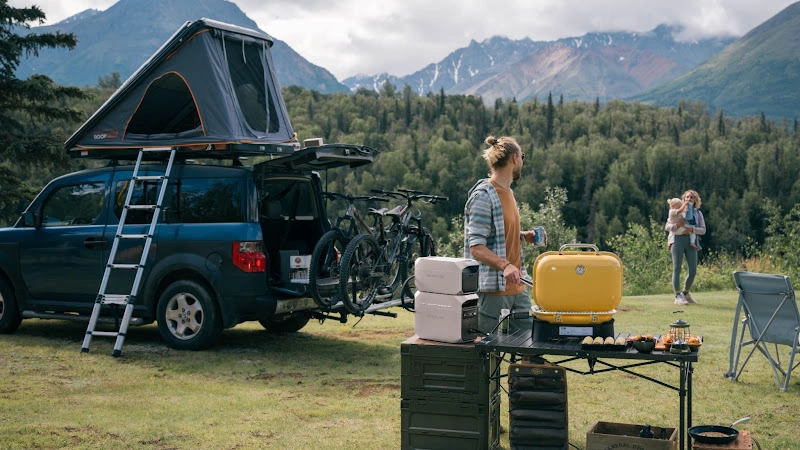
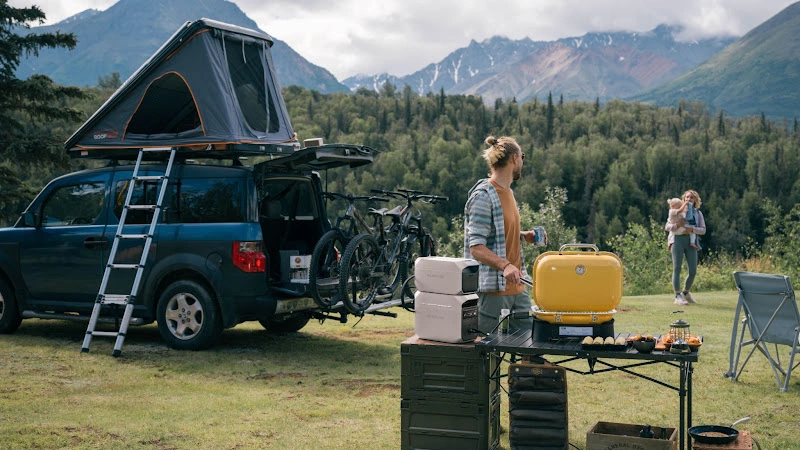
In summer, there’s the heated saltwater pool, road cycling, and sea kayaking when the tide’s high. In winter, the landscape transforms, with parts of the park going quiet and providing good ground for cross-country skiing, snowshoeing, and fat biking along the snowy trails. If you are staying at an unserviced site for multiple days, carrying a quiet solar generator can keep your cameras, phones, and campsite lighting powered without disturbing the peaceful wilderness atmosphere.
What Camping Gear Do You Need for Fundy National Park?
Get the gear right and Fundy gets a lot more comfortable — especially with the coastal rain, cool nights, and weather that won’t sit still. Knowing what to take with you for camping keeps you dry and warm and ready to enjoy the place, without hauling stuff you won’t use.
Shelter and Sleeping Essentials
High humidity near the coastline means moisture control is critical. Bring a tent with a full rainfly, solid aluminum stakes for the gravelly ground, and a tough footprint or tarp under it. For summer, a sleeping bag should be rated to at least 0°C –5°C, as the nighttime ocean breeze gets crisp. An insulated sleeping pad also helps keep the damp ground chill off you.
Cooking and Outdoor Equipment
A double-burner propane stove is ideal for cooking regional treats like fresh Atlantic lobster or a campfire-style breakfast. Bring sealable containers, a heavy-duty cooler, and wash basins without scent. One rule that’s not optional: buy firewood inside the park to prevent invasive pest infestation. Moving outside wood into Parks Canada boundaries is banned, since it can carry pests that damage the forest.
Navigation and Safety Gear
Your phone signal can drop in the steep river valleys and backcountry around Point Wolfe. Carry paper maps, which are available at the Visitor Centre, along with a charged headlamp and spare batteries, a compact first-aid kit, insect repellent, and bear spray. Black bears live in the interior Acadian forest, so it is worth being prepared. To maintain backup power for your GPS devices, emergency lights, and phones off-grid, tucking a compact portable power station into your vehicle or pack is a practical safety measure.
How Can You Stay Powered During Outdoor Adventures?
Spending time outdoors often means relying on your own power setup, especially once you’re away from traditional hookups. Whether it’s keeping cameras charged, your phone alive for map navigation, or running a small appliance during a longer RV trip, a dependable portable power setup just makes off-grid camping less of a hassle.
Support Lightweight Camping With Portable Power
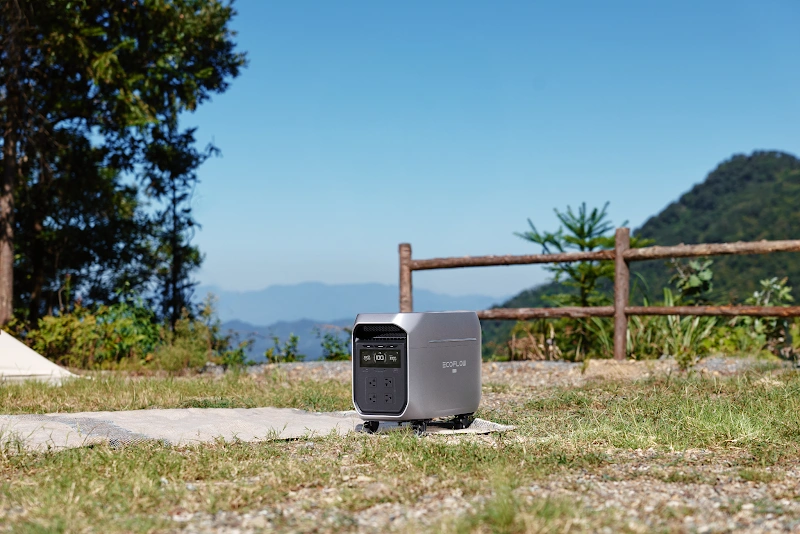
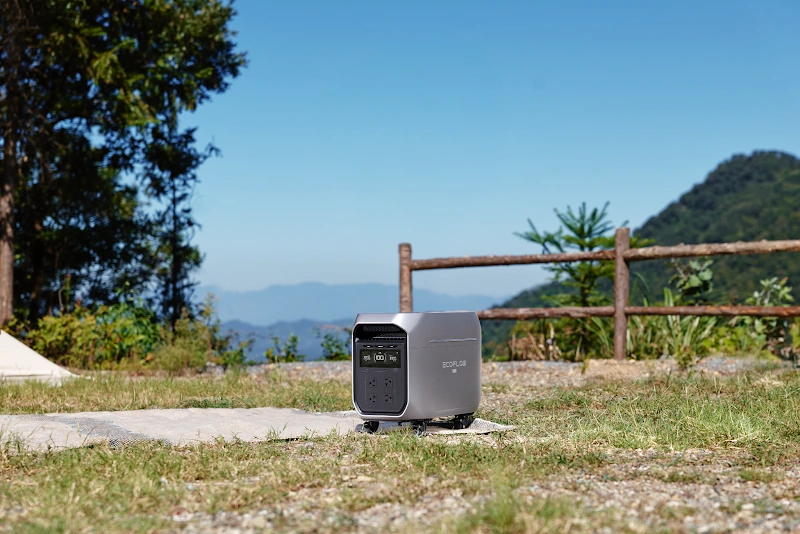
For a short camping trip, a weekend away, or lighter outings in the park, portable power keeps your everyday electronics going. The EcoFlow DELTA 3 Plus Portable Power Station is a practical and compact choice for light camping, delivering versatile energy support. It’s compact enough to tuck into an RV, your tent area, or the trunk, and it’ll top up phones, cameras, lights, and small gadgets whenever you need.
Handle High-Power Needs for Extended Trips
If you’re staying longer in an unserviced spot, or you’ve got a bigger group on a road trip, you’ll want something with more robust power support. Standard power banks may struggle to support heavy appliances. The EcoFlow DELTA 3 Max Plus Portable Power Station (2048Wh) is built for that — longer camping, RV trips, and high-demand outdoor setups, capable of powering appliances such as a portable fridge, an electric kettle, or a heated blanket without much fuss. Flexible off-grid power extends device runtime away from standard hookups, lessening reliance on fixed charging posts and making multi-day Fundy explorations far more stress-free.
Essential Tips for a Comfortable Camping Experience
Small choices made ahead of time have a big impact on how the whole trip feels. Plan your meals, keep an eye on power use, and follow Leave No Trace practices — do those and you’ll spend less time firefighting and more time actually enjoying the outdoors.
Pack According to Trip Length
Avoid overpacking clutter while ensuring core comfort. Sorting your clothing layers and meal prep before you leave saves real time, and quick-drying microfibre towels handle that damp coastal fog better than you’d think.
Reduce Camping Power Waste
Optimize energy use by switching devices to battery-saver mode. Let solar panels top up your power station during the sunny midday hours, and switch camp lamps to low-lumen LED settings at night.
Enjoy Sustainable Outdoor Travel
Stick to Leave No Trace principles. Pack out all trash, stay on the marked trails so the coastal moss survives, keep your distance from wildlife, and respect fire bans when it’s dry.
Conclusion
Fundy National Park is one of those Canadian spots that is a uniquely captivating destination, where dramatic ocean tides meet pristine forest wilderness. Pick the right campsite, plan for weather that moves fast, pack proper shelter, and power the camp with something reliable like the EcoFlow DELTA series, and you’ve got the makings of a comfortable, memorable trip along New Brunswick’s incredible coastline.
FAQ
What Is Fundy National Park Famous For?
Fundy National Park is famous for having the highest tides in the world, dramatic sea cliffs, pristine wilderness trails, and lush Acadian forest ecosystems along New Brunswick’s coastline.
Do You Have to Pay to Drive Through Fundy National Park?
No, you do not need to pay if you are strictly driving through Route 114 without stopping. However, a valid Parks Canada entry pass is required if you plan to park, use park facilities, hike, or camp within park boundaries.
How Much Does It Cost to Camp at Fundy National Park?
Nightly campsite fees at Fundy National Park vary by campground and site type. Unserviced campsites are generally the most affordable option, while serviced RV sites and roofed accommodations such as oTENTiks cost more. Check the latest Parks Canada fees when planning your stay, as rates can change by season and accommodation type.
Where Can I Swim in Fundy National Park?
You can swim safely at the heated saltwater pool near Headquarters or freshwater spots like Bennett Lake and Wolfe Lake. Ocean swimming at Alma Beach is cold and subject to strong tidal currents.
How Many Days Do You Need in Fundy National Park?
You need two to three full days to experience the core highlights, including witnessing high and low tide cycles, hiking major waterfall trails like Dickson Falls, and exploring the coastal lookouts.