EV Incentives in Canada 2026: Federal & Provincial Rebates Guide for New EV Buyers
- EV incentives in 2026: what’s available and what changed
- Federal EVAP rebate basics: amounts, eligibility, and the $50,000 rule
- Provincial and territorial rebates: where you can stack savings in 2026
- Home charging rebates and real installation considerations
- Frequently Asked Questions
- Use incentives to lower your total cost of EV ownership and charge with confidence
Buying an electric vehicle has never been more rewarding, as federal EV incentives are at their peak in 2026. A new rebate program has replaced the old one, and provincial incentives can add to the savings.
Whether you’re considering a battery-electric vehicle or a plug-in hybrid, understanding how these programs work and how to layer them can save you thousands at the point of sale.
EV incentives in 2026: what’s available and what changed
The biggest change for EV buyers is the shift from the Incentives for Zero-Emission Vehicles (iZEV) program to the Electric Vehicle Affordability Program (EVAP). The iZEV program closed on March 31, 2025, and its replacement launched exactly a year later.
EVAP offers similar incentives to those of its predecessor: up to $5,000 for battery-electric (BEVs) and hydrogen fuel cell vehicles (FCEVs), and up to $2,500 for plug-in hybrid electric vehicles (PHEVs).
EVAP incentives are available to Canadians who buy or lease (12 months or more) new eligible EVs between February 16, 2026, and March 31, 2031. The program offers its highest incentive amounts in 2026 and will decline over the course of the program’s lifespan, with the $5,000 BEV rebate dropping to $4,000 in 2027, $3,000 in 2028, and $2,000 in 2030.
Buying early in the program locks in the most savings. Like iZEV, EVAP is a capped program. It plans to invest up to $2.3B across the five years, which means funding could be exhausted before its 2031 end date if demand surges.
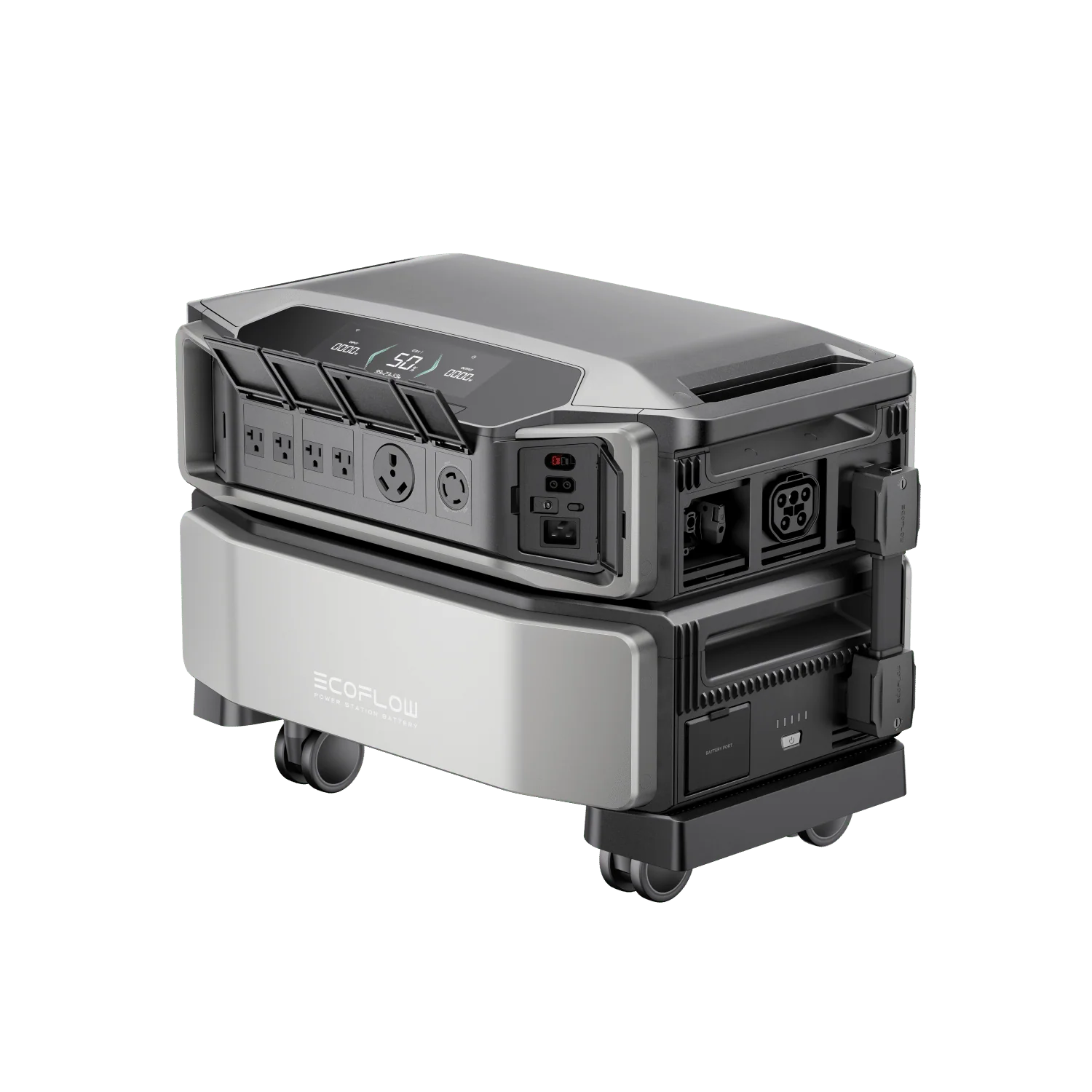
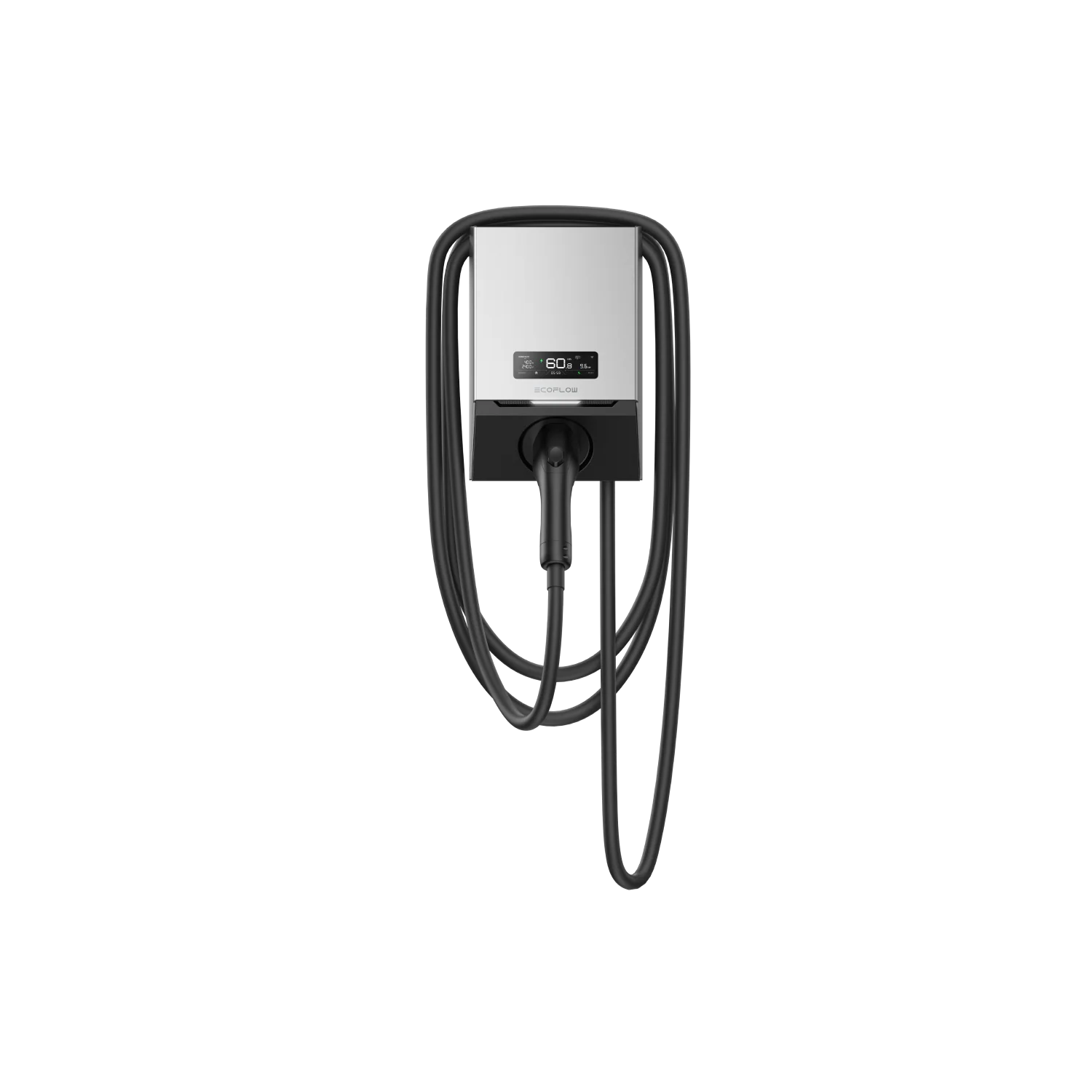
The EcoFlow PowerPulse EV Charger pairs with the EcoFlow DELTA Pro Ultra for a convenient plug-and-play option for charging your EV. With minimal setup, this charger allows you to charge at home without complex installation.
Federal EVAP rebate basics: amounts, eligibility, and the $50,000 rule
EVAP offers two levels of incentives that decrease over the program’s five-year span: BEVs and FCEVs are eligible for up to $5,000, while PHEVs are eligible for up to $2,500. The incentives apply to new, light-duty vehicles under 8,500 pounds that are made in Canada or in countries that have a free-trade agreement with Canada. Individuals can only receive one EVAP incentive over the five-year program.
Eligible EVs must have a final transaction value of up to $50,000 unless it’s made in Canada, in which case there is no cap. The final transaction price does not refer to MSRP, but rather the negotiated purchase price between the buyer and the dealership, including the base price of the vehicle trim, optional features, and dealership fees related to the sale.
Individuals leasing an EV must be aware of an important caveat: the incentive amount depends on the length of the lease. A 48-month lease warrants the full incentive amount. If the lease is shorter, the incentive will be adjusted based on the length of the lease.
Provincial and territorial rebates: where you can stack savings in 2026
The EVAP rebate is available across Canada, but your province or territory may offer additional incentives you can layer on top. Provincial incentives vary widely, as many provinces have recently phased out their EV programs. Available provincial incentives include:
Quebec offers up to $2,000 for purchasing a BEV or FCEV, and PHEVs are eligible for up to $1,000, depending on the battery size. Quebec’s Roulez vert program is set to end on December 31, 2026.
Manitoba’s EV rebate program was scheduled to end on March 31, 2026, but has been extended. It provides $4,000 on the purchase of a new EV, $2,500 on the purchase of a used EV, up to $4,000 on leasing a new EV, and up to $2,500 on leasing a used EV.
British Columbia and Prince Edward Island have paused their incentive programs, while New Brunswick, Yukon, and Nova Scotia have ended their programs.
Because program status can change with little notice, always verify the program’s current status on its official page before you sign a purchase or lease agreement.
Home charging rebates and real installation considerations
Rebates don’t stop after an EV purchase. Installing a home charger gets the most out of your vehicle, and some provinces offer incentives to offset those costs, too. A Level 2 charger (240V) at home is the most convenient and cost-effective way to charge your EV. In most jurisdictions, they must be installed by a licensed electrician.
EV charger incentives vary by province and utility provider rather than a single federal program. Rebates of up to 50% of the installation cost per home charger are available in some provinces, including Quebec and British Columbia.
Frequently Asked Questions
What is the federal EV rebate in Canada for 2026, and how much can I get?
Canada’s Electric Vehicle Affordability Program (EVAP) offers incentives of up to $5,000 for battery-electric and hydrogen fuel cell vehicles, or up to $2,500 for plug-in hybrid electric vehicles.
Does the $50,000 final transaction value include fees, options, and taxes?
The price cap includes dealer fees and add-ons, but does not include taxes.
Can I combine the federal EVAP rebate with provincial rebates and home charger incentives?
You can typically stack the federal EVAP rebate with your local provincial rebate and home charger incentives. Confirm the exact terms before any purchase or lease.
Are used EVs or demo vehicles eligible for 2026 incentives?
The federal EVAP rebate is aimed at new electric vehicles. However, your provincial rebate programs may offer incentives for used options.
Use incentives to lower your total cost of EV ownership and charge with confidence
Canada’s 2026 EV incentive programs reward buyers who do their research. The federal EVAP program is at its highest incentive amount before annual reductions kick in. Paired with provincial rebate programs, EV buyers can save even more.
Maximize savings on charging your EV by investing in a Level 2 home charger. The EcoFlow PowerPulse EV Charger provides a simple method of charging your EV at home without the complex installation.