What Is Inside a Lithium-Ion Battery?
From the phone in your pocket to the EV driving through a snowy Toronto morning, lithium-ion batteries quietly power daily life in Canada. We use them every day, but most of us never think about what is inside a lithium-ion battery.
It’s more than just stored electricity. Inside is a tightly controlled chemical system that moves energy back and forth safely. Understanding the basics isn’t just for engineers, it helps you choose better home backup power and avoid problems during long, cold winters.
In this guide, we’ll break down what’s actually inside a lithium-ion battery, why the materials matter, and how built-in safety features protect your home when the grid goes down.
What Are the Main Components Inside a Lithium-Ion Battery?
Think of a lithium-ion battery like a controlled back and forth exchange. To power your lights or charge your phone, lithium ions move between two sides. For that to happen safely, five core components have to work together.
Lithium-Based Cathode Materials
The cathode is the positive side and the source of lithium ions. It’s commonly made from materials like Lithium Cobalt Oxide or Lithium Iron Phosphate (LiFePO4). The type of cathode largely determines how much energy the battery can store and what voltage it delivers, in simple terms, how much usable power you get.
Graphite or Silicon Anode Structure
The anode is the negative side. Most lithium-ion batteries use graphite because its layered structure allows lithium ions to settle in during charging. Some newer batteries add silicon to increase storage capacity, though this can add stress over time if not engineered properly.
Liquid or Gel Electrolyte Solution
The electrolyte is the medium that allows lithium ions to travel between the cathode and anode. It’s typically a liquid or gel containing lithium salts. Temperature plays a big role here, in very cold Canadian conditions, the electrolyte slows down, which is why battery performance drops in freezing weather.
Separator Preventing Internal Short Circuit
Between the anode and cathode sits a thin, porous separator made from materials like polyethylene or polypropylene. Its job is critical: allow ions to pass through while keeping the two electrodes from touching. If they make contact, it creates a short circuit.
Protective Metal Casing
All of these components are sealed inside a durable metal casing. This outer shell protects the internal chemistry from physical damage and helps contain pressure during normal operation, keeping the battery stable even under heavy use.
Lithium-Ion Chemistries Compared
| Chemistry | Energy Density | Safety | Lifespan | Typical Use |
|---|---|---|---|---|
| NMC | High | Moderate | Medium | EVs |
| LCO | Very High | Lower | Short | Phones |
| LiFePO4 | Medium | Excellent | Very Long | Home backup |
LiFePO4 batteries are widely used in home and portable energy systems due to their long lifespan and high safety.
Why Lithium-Ion Batteries Store So Much Energy
Lithium is the lightest metal on Earth and has a very high electrochemical potential. That combination allows lithium-ion batteries to store a lot of energy in a small, lightweight package.
Inside the battery, lithium isn’t in solid metal form. It exists as lithium ions that move back and forth between the electrodes during charging and discharging. This controlled movement at a relatively high voltage is what gives lithium-ion its strong energy density.
Compared to traditional lead-acid batteries, lithium-ion packs can store roughly three to five times more energy per kilogram. That’s why a compact unit can power everything from a laptop to a home backup system during a Canadian winter outage.
Why Can Lithium-Ion Batteries Become Dangerous?
Lithium-ion batteries are efficient and powerful, but that high energy density means problems can escalate quickly if something goes wrong, especially with poor design, damage, or misuse.
Thermal Runaway from Internal Short Circuits
Thermal runaway happens when an internal short circuit creates heat, which triggers more chemical reactions, producing even more heat. It’s a chain reaction that can lead to fire and is very difficult to stop once it starts. That’s why the internal separator and overall build quality matter so much.
Damage Caused by Moisture or Dust Exposure
Moisture and dust might not seem dramatic, but over time they can corrode internal components and increase the risk of failure. In Canada, many backup systems sit in garages or basements where humidity can fluctuate.
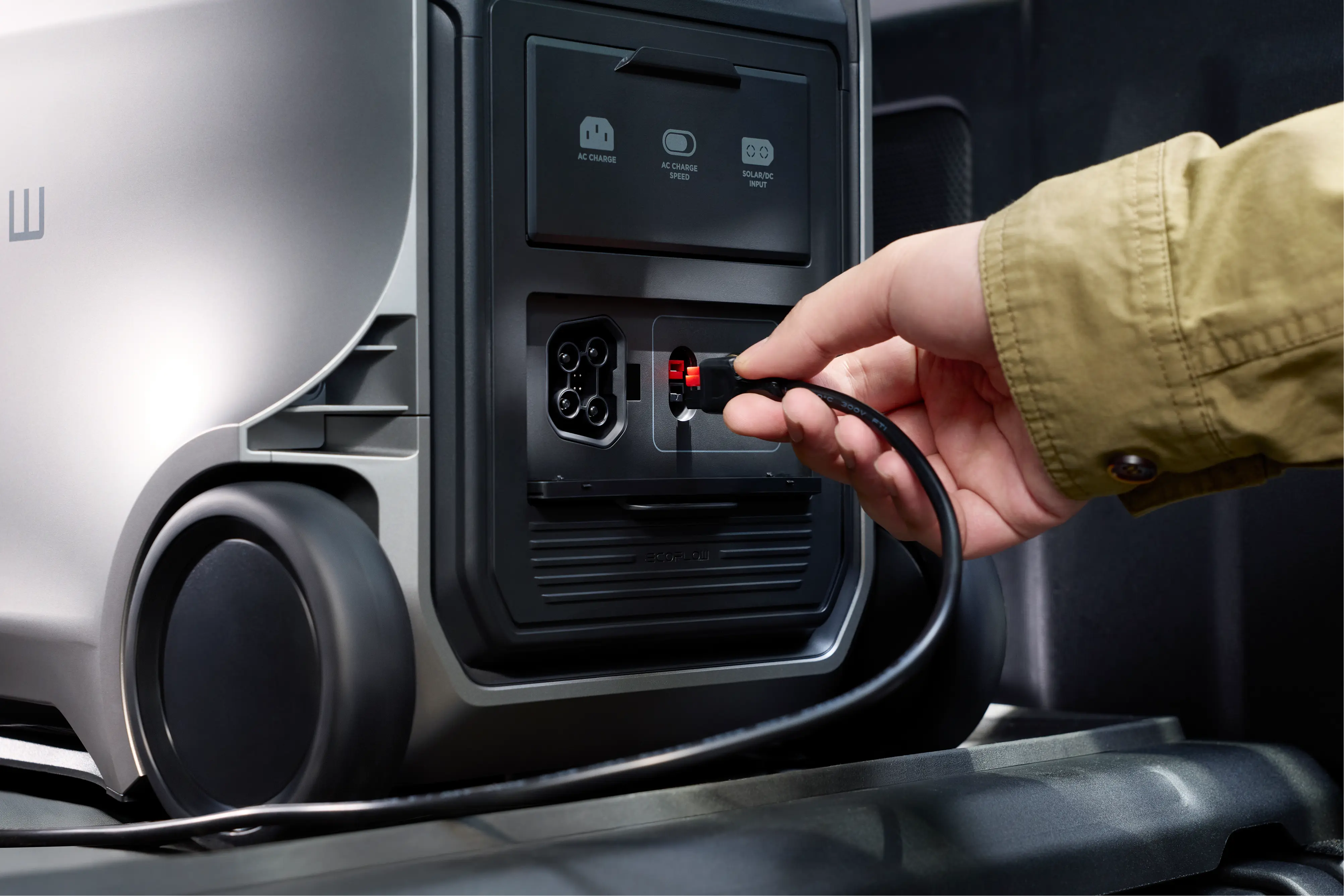
Units with proper sealing make a difference. For example, the EcoFlow DELTA 3 Ultra Plus Portable Power Station (3072Wh) can keep dust and water vapour out of the battery compartment. That kind of environmental shielding reduces the chance of corrosion-related issues and helps maintain long term reliability.
Overcharging and Poor Battery Management
Overcharging or forcing too much current into a battery can cause lithium to plate onto the anode. Over time, this can form tiny structures called dendrites that may pierce the separator and create an internal short. A quality Battery Management System helps prevent this by controlling voltage and current precisely.
Extreme Cold and Heat Stress
Canadian weather is tough on batteries. High heat accelerates chemical breakdown, while freezing temperatures slow internal reactions. Charging a lithium battery below 0°C can cause permanent damage. That’s why proper temperature management is critical, especially for home backup systems stored in unheated spaces. If you choose a lithium battery power station, pay attention to the recommended charge and discharge temperature ranges.
How to Ensure a Lithium Battery Is Safe for Home Backup Use?
If you’re counting on a battery to keep the furnace running during a January blackout, safety has to be built in, not assumed. Well designed home backup systems rely on multiple protection layers to reduce risk.
Using Advanced Battery Management Systems
A Battery Management System, or BMS, is the control centre of the battery. It monitors voltage, current, and temperature at the cell level and makes constant adjustments to keep everything within safe limits.
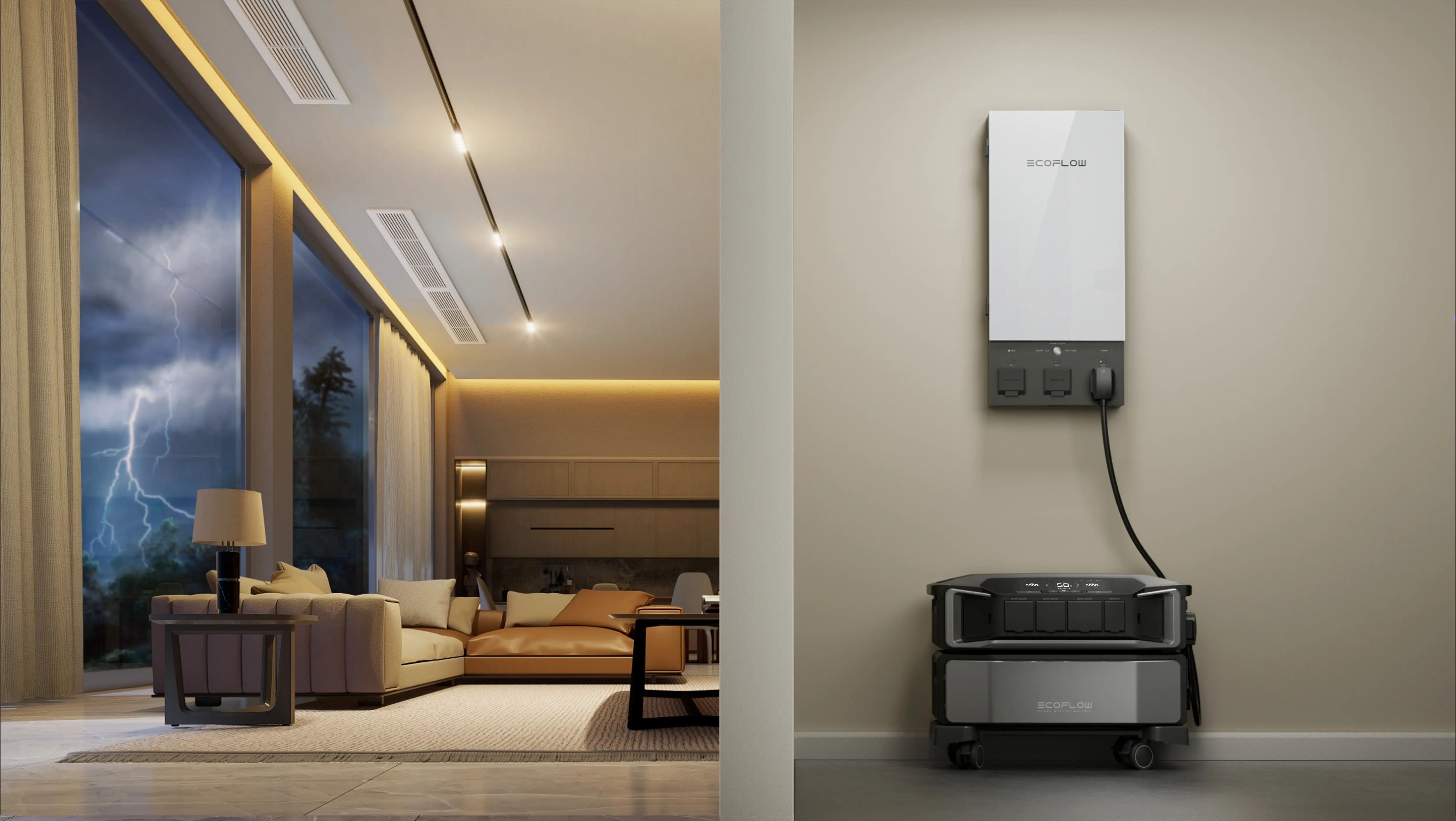
For example, the EcoFlow DELTA Pro Ultra Whole-Home Backup Power uses an advanced BMS that tracks each cell in real time. If something drifts out of range, the system responds immediately, limiting output or shutting down if needed. That kind of active control is critical during heavy loads like running a furnace or sump pump.
Monitoring Temperature with Sensors
Quality backup systems include internal thermal sensors. If temperatures rise too high, the system can automatically reduce performance or power off before damage occurs. This built-in response helps prevent overheating during extended use.
Reinforcing the Internal Structure
Certifications like UL and IP ratings indicate that a battery has been tested under strict safety standards. These aren’t marketing labels, they reflect real world testing for electrical safety, dust protection, and environmental resistance. When it comes to home backup in Canada, layered protection isn’t a bonus. It’s a necessity.
How to Dispose of a Lithium Battery?
Across Canada, lithium batteries power everything from ice fishing sonar to full home backup systems. But once they reach the end of life, you can’t just toss them in the blue bin. These batteries contain reactive materials and need proper handling.
Avoiding Household Trash Disposal
Never throw lithium-ion batteries in the regular garbage. Inside a compactor truck, they can get crushed, puncture, and ignite. These “trash fires” are dangerous for sanitation workers and extremely hard to put out.
Using Designated E-Waste Drop-Off Locations
Canada has a strong recycling network through programs like Call2Recycle.
Retailers: Stores such as Best Buy, Home Depot, Staples, and Canadian Tire have battery drop-off bins near the entrance.
Depots: Many local recycling depots and electronics centres accept lithium batteries free of charge. You can find the closest location by entering your postal code on the Call2Recycle Canada website.
Preventing Fire Risk During Disposal
Even a dead battery can hold some charge. Before dropping it off, tape the terminals with electrical or packing tape. This prevents accidental sparks if batteries touch inside the collection bin.
Following Municipal Hazardous Waste Guidelines
In cities like Vancouver, Toronto, and Calgary, lithium batteries are treated as Household Hazardous Waste.
Eco-Stations: Many municipalities operate permanent collection sites for larger batteries from e-bikes or power tools.
Collection Events: Some cities run seasonal pickup programs or hazardous waste roundup days. These programs help recover valuable materials like lithium and cobalt instead of letting them end up in landfill.
Knowing how to properly dispose a lithium-ion power bank isn’t complicated; it just takes a few extra minutes. And in Canada, the options are already there.
Conclusion
Once you understand what is inside a lithium-ion battery, the technology feels a lot less mysterious. Yes, the chemistry is complex, but the big takeaway is straightforward: build quality and protection make all the difference.
When you choose a system designed with proper sealing, smart battery management, and layered safety features like the EcoFlow DELTA series, you’re not just buying stored power. A reliable portable power station can provide that power safely and efficiently. You’re choosing reliability when the lights go out and peace of mind during a long Canadian winter.
FAQ
1. Is it safe to touch a lithium-ion battery?
Yes. It’s completely safe to touch the outside of a lithium-ion battery under normal conditions. The casing is designed to be non-conductive and sealed. The only time to be cautious is if the battery looks damaged, cracked, leaking, swollen, or unusually hot.
2. What is the liquid in a lithium-ion battery?
Inside the battery is an electrolyte solution made of lithium salts dissolved in an organic solvent. This liquid allows lithium ions to move between the anode and cathode during charging and discharging. It’s flammable, which is why proper design and sealing matter.
3. Do lithium-ion batteries catch fire when not in use?
It’s very rare for a healthy battery to ignite while sitting idle. Most incidents are linked to internal damage, manufacturing defects, or improper charging. A properly built and maintained battery is stable when not in use.
4. What is the lifespan of a lithium battery?
Most lithium-ion batteries last between 3 and 10 years, depending on the chemistry and usage. LiFePO4 batteries commonly last over 3,000 charge cycles before dropping to around 80% capacity, which often translates to a decade of regular use.
5. Is it bad to keep lithium batteries fully charged?
Keeping a lithium battery at 100% for long stretches can speed up wear slightly. For storage, it’s better to leave it around 50% to 80%. That range reduces stress on the cells and helps maintain long term health.