Portable Power Stations and Electric Vehicles: The Perfect Match for Auto Shows
- EV Charging Basics at Auto Shows
- Why Electric Car Charger Infrastructure Isn't Enough
- How Portable Power Stations Support Flexible Charging
- Portable Charging vs Fixed Car Charger Electrical Setup
- Making Auto Show Exhibits More Engaging
- Sustainability and Green Showcase with Portable Solutions
- Quick Tips for On‑Site Portable EV Charging
- Powering the Future of Auto Shows
- FAQs
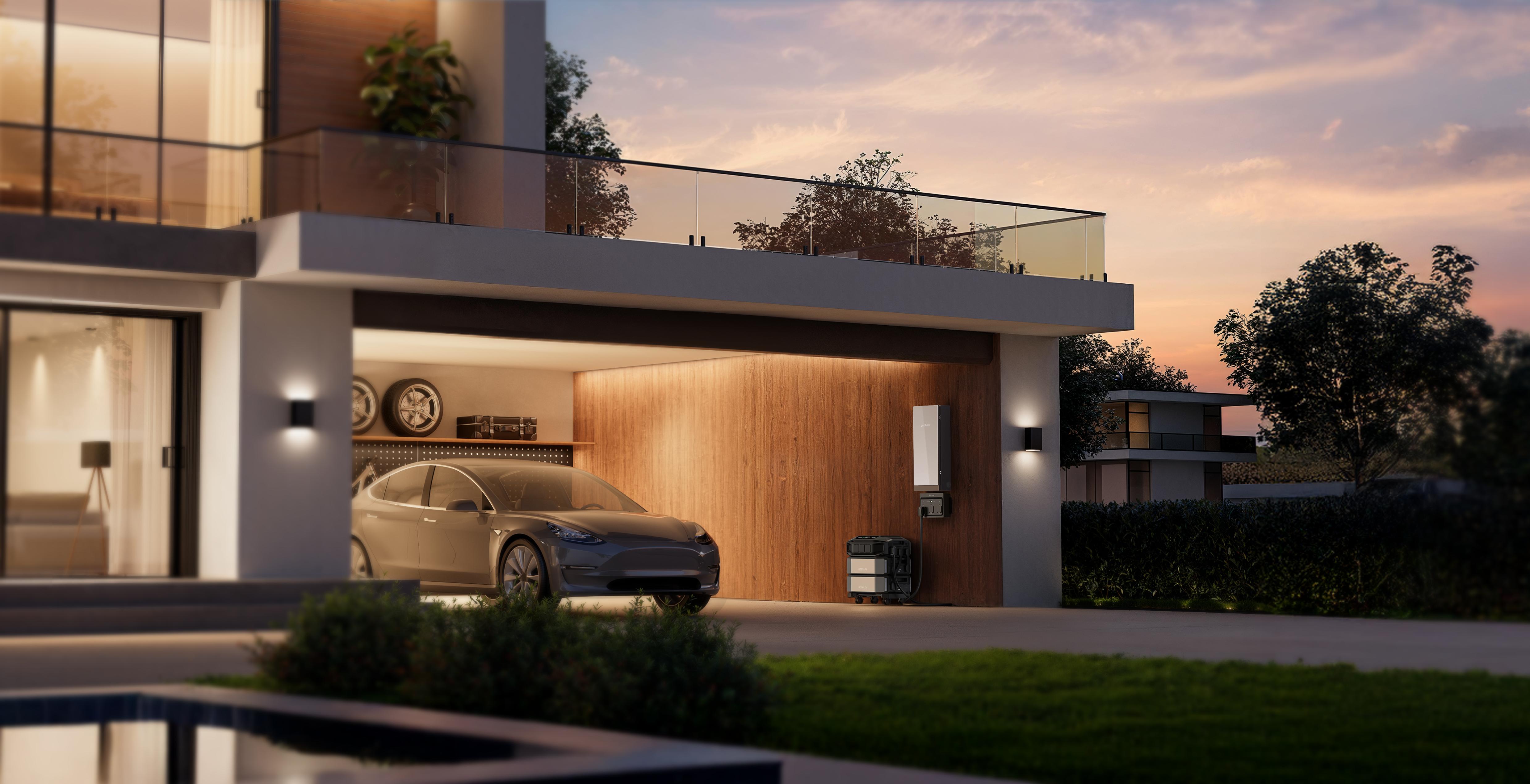
It takes a lot of power to keep infotainment systems and dashboards going while showcasing an electric vehicle, but most convention centres lack the electrical infrastructure optimized for EV charging needs. Due to this infrastructure gap, exhibitors must rely on bulky cables and pricey electrical service drops to keep a static car "alive." High-capacity portable power stations fill in this infrastructure gap, so brands can now control how their electric vehicles are charged and how much power their booths have without relying on the venue's grid.
EV Charging Basics at Auto Shows
Static display vehicles require consistent power to operate on the showroom floor, requiring careful planning to meet business needs while also following strict safety rules for the venue.
The Power Drain of Static Displays
Even when it's not moving, an electric car uses power. The car's high-voltage battery needs to power the 12V system so that the dash lights, entertainment system, or automatic doors can operate. These constant drains can significantly reduce battery levels over a full day of display. Electric cars need to be charged reliably so that potential buyers aren't let down if a demo car runs out of power in the middle of the day.
Venue Constraints
Convention halls usually don't have many electrical outlets to choose from. Installing electrical service drops can be expensive, and they are often located in suboptimal positions. Exhibitors often have to build their whole booth around where the power drop is, limiting options for optimal vehicle angles. Dependence on the building's grid restricts creative freedom while significantly increasing event budgets.
Safety Protocols
Indoor venues have strict rules about fire safety. Running hundreds of feet of extension cords can create tripping hazards. Because of this, safety marshals often place restrictions on where and how EV charging can happen, giving exhibitors limited options for charging their vehicles properly using normal grid power.
Why Electric Car Charger Infrastructure Isn't Enough
More and more electric cars are showing up at events, which makes it harder to rely on the venue's electrical infrastructure alone. The flexibility of a standard wall outlet or an industrial drop is not enough for today's shows.
Limited Accessibility: Most venues were built many years ago, before the demand for Level 2 EV charging (240V charging, the standard for home and commercial use) really took off. It's unlikely that you'll be able to find a 240V outlet close to your booth.
Installation Costs Add Up: Level 2 EV charger installations typically require temporary electrical service drops and certified electricians, significantly increasing event budgets.
Inflexibility: A hardwired charger stays where it was placed. You can't move the vehicle's power source, even if you want to get a better view or make room for a VIP guest.
It Doesn't Look Neat: Heavy-duty black cables lying around on a pristine white show floor detract from the modern look that EV makers are trying to achieve.
When you use standard equipment, you have to make concessions. Portable power options reduce these problems so that the focus stays on the car and its technologies.
How Portable Power Stations Support Flexible Charging
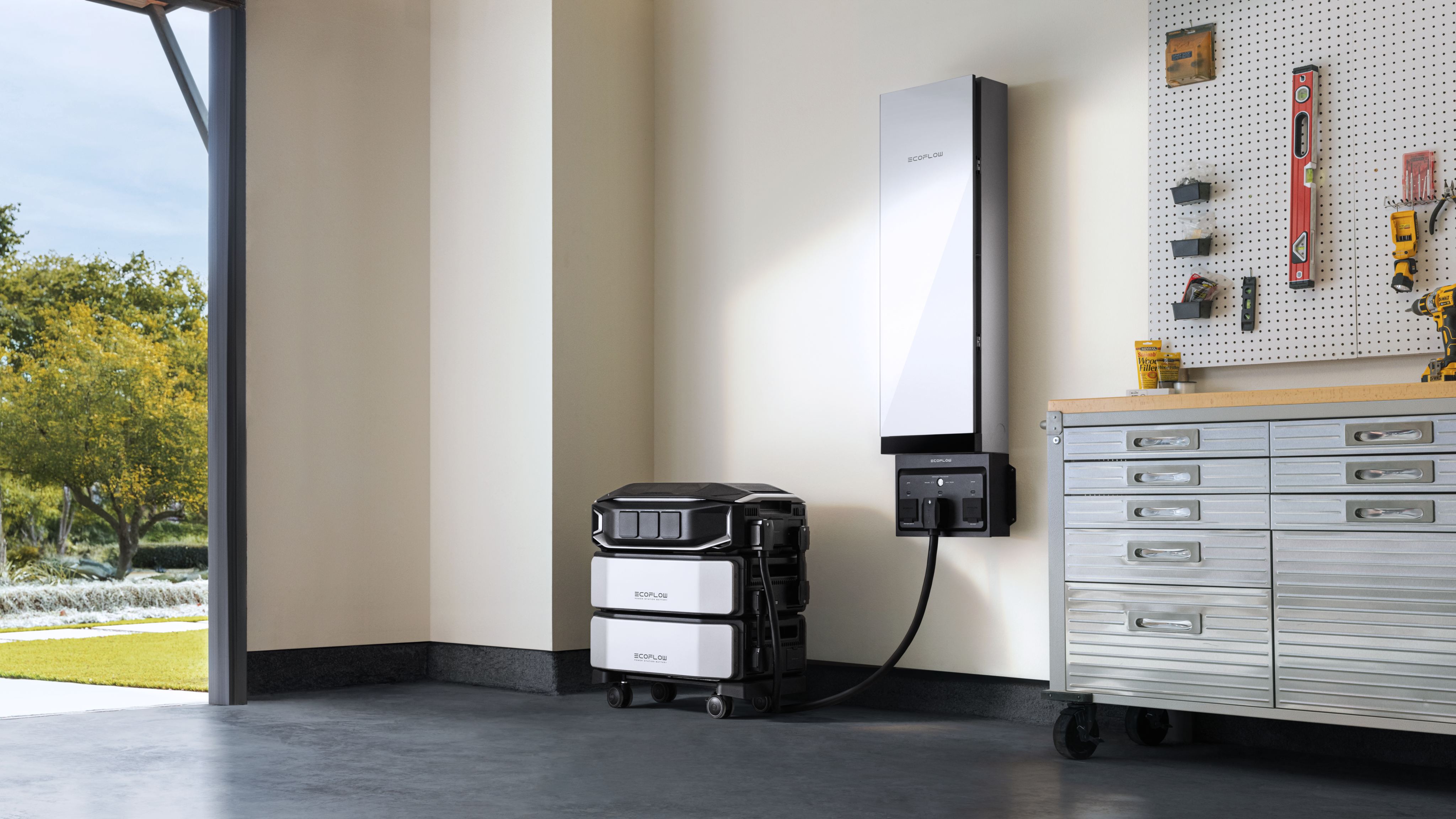
Now that portable power units with higher capacity are available, exhibitors can reduce cable dependency. These units deliver power directly where it is needed, without tethering the car to a distant wall outlet.
On-Demand Top-Ups
You can easily wheel the portable unit to your vehicle whenever the battery life starts to run low. "Topping up" the car with a standard mobile connector (EVSE) is helpful before a big press show. You can use EV charging whenever you need to.
Emergency Backup
At car shows, unexpected things happen. Breakers trip and venue grids fail. Having a high-capacity power station on hand at all times is an extra layer of protection. Even if the power goes out or the circuit gets overloaded, your booth will still work. Your booth remains fully operational even during power disruptions.
Simplifying Logistics
With portable stations, you don't need to request complex venue electricity arrangements, which cuts down on paperwork and wait times. You bring your power with you. Booth designers can create open, airy plans because they don't have to hide conduit pipes or position the electric car charger close to a support pillar.
Portable Charging vs Fixed Car Charger Electrical Setup
When you look at how a portable unit is used versus how the venue's permanent electrical setup is used, you can better understand the benefits of switching to portable power.
| Feature | Portable Power Station | Fixed Venue Electrical Setup |
| Flexibility | High. Position anywhere in the booth. | Very Low. Limited to fixed power drop locations. |
| Setup Speed | Fast. Roll in and connect. | Slow. Requires booking technicians days in advance. |
| Cost | One-time investment. | Recurring fees for each show. |
| Aesthetics | Clean. Hide short cables close to the car. | Messy. Often requires tape and visible cable ramps. |
| Scalability | Easy. Add batteries to expand capacity. | Hard. New work orders needed to increase power. |
Making Auto Show Exhibits More Engaging
The most important thing about a well-run auto show display is not the car itself, but the experience. Portable power sources provide the power needed to run interactive elements that keep visitors lingering longer.
Interactive Displays: The large touchscreens in modern booths let customers build their own cars. These screens need stable, flicker-free power.
Virtual Reality (VR): Many brands use VR to demonstrate their driving experiences. A clean, portable power source with a pure sine wave is best for these headsets and the equipment that processes them.
Hospitality: A tried-and-true way to attract visitors is to offer coffee or cold drinks. With your vehicle's power needs handled, you can use a portable power station to run an espresso machine or a mini-fridge.
Lighting Effects: To make the car stand out in photographs, you can use portable power units to run accent lighting or under-car glow effects.
Sustainability and Green Showcase with Portable Solutions
One of the best things about electric cars is that they will help make transportation cleaner in the future. Using a loud gas generator to power an electric car booth goes against that message. This is where portable power stations come in; they make sure that the energy source for the product aligns with its vision.
Silent Operation
Because they make noise and produce fumes, gas generators are typically unsuitable for indoor use at convention centres. Portable power stations allow quiet operation. The sales staff can talk to potential customers without being bothered by engine noise.
Zero Emissions at Point of Use
Battery-powered stations don't pollute the surrounding area. For indoor car shows, this is essential. It demonstrates that the company cares about the environment, not just the vehicle's exhaust pipe.
Solar Integration Possibilities
Portable stations used at outdoor car shows often work with solar panels. When the station is charged by solar energy and then used to charge electric cars, it creates a striking picture of a sustainable, self-sufficient energy loop. This resonates strongly with environmentally conscious consumers.
Quick Tips for On‑Site Portable EV Charging
Being smart about how you use portable power at your next event can make the process go more smoothly. Here are some quick tips.
Think About Your Demand: Calculate how much power your lights, screens, and the car itself use during static display. Verify that your power station can handle the peak surge.
Cable Management: Even with a portable unit, ensure cables are neat and short. Use the fact that the station is close to the car to reduce tripping risks.
Choose High Capacity: Electric vehicles require substantial power banks, so higher-capacity units are recommended for reliable all-day operation. Select a system with ample storage and high output (Level 2 capability).
Versatility: Look for a system with multiple outlet types (NEMA 14-50, USB, AC) that can charge both the vehicle and your team's equipment simultaneously.
Check the Level: Designate someone on your team to regularly monitor the power station's battery level. It takes longer to deal with a dead booth than to recharge or swap batteries proactively.
For exhibitors who need a robust unit to charge Level 2 electric vehicles or run high-demand appliances without dealing with complicated wiring, the EcoFlow DELTA Pro Ultra X offers a reliable power solution. With a base output of 12kW (expandable to 36kW with additional inverter units) and capacity starting at 12kWh (expandable up to 180kWh with expansion batteries), it provides reliable power for your display, supplying energy to your vehicle and any connected screens.
Powering the Future of Auto Shows
The auto show landscape is evolving. As cars get smarter, the infrastructure that supports them needs to evolve too. Portable power stations provide the power, safety, and flexibility that modern electric vehicles need for effective display charging. They open up the space and make it more welcoming for visitors. This lets exhibitors operate without being tethered to the grid, potentially lowering recurring costs. By using these portable energy solutions, EV manufacturers can ensure their vehicles operate reliably throughout each event. EcoFlow has the technology to support successful energy management for every display.
FAQs
Q1: Can a portable power station fully charge an EV at a show?
A portable power station is typically better for "topping up" the battery of an electric car rather than performing a complete charge before a show. At an auto show, the main goal is to offset the power consumption from lights, screens, and accessories so that the car can be displayed all day. High-capacity units can provide substantial range when needed.
Q2: Is it safe to use portable power stations inside convention centres?
Yes, battery-powered stations are designed to meet common indoor venue safety standards because they operate quietly and produce no emissions.
But requirements vary by province and venue. We strongly recommend verifying compliance with your specific event hall's fire and safety regulations (including local fire codes and electrical standards) regarding battery storage and positioning before the event.
Q3: How much money will I save if I use portable power instead of the venue's power?
Electrical service installations at convention centers can range from hundreds to thousands of dollars per event, depending on the venue and your power requirements. For exhibitors attending multiple shows annually, a portable unit may help reduce these recurring fees. We recommend calculating your specific usage patterns and comparing them to venue electrical costs to determine potential ROI for your situation.
Q4: Can the power source handle both the car and my booth's electronics?
If the station has sufficient capacity and outlets, yes. Modern high-capacity units can handle multiple large loads simultaneously. Use the standard AC outlets for LED lights and displays, and connect your mobile connector to the 240V outlet for EV charging. Be careful when calculating total wattage to avoid exceeding the unit's maximum continuous output.
Q5: How practical is it to transport these power stations to events?
The DELTA Pro Ultra X is designed with modularity in mind. Each component (inverter and batteries) can be transported separately, though their combined weight requires a cargo van or truck. The wheeled battery units facilitate on-site positioning. For exhibitors attending multiple shows per year, the investment in a robust power solution significantly reduces recurring venue electrical fees. Setting up at the venue typically takes a few hours with a small team.