How Long Will a House Stay Warm Without Power? House Temp in Winter Tips for Canada
- How Fast Does House Temperature in Winter Drop Without Power?
- What Temperature Should You Keep Your House in Winter for Comfort and Safety?
- Why Your House Temp in Winter Drops Faster Than You Expect
- How to Stay Warm Without Power Using a One-Room Plan
- How to Create Heat in a House Without Power Safely in Canada
- Use Backup Power Wisely to Keep Your House Warm During Winter Outages
- Stay Warm and Ready for the Next Winter Outage
- FAQs
A winter outage in Canada can feel calm for the first hour, then suddenly turn into a real problem. The furnace stops, the air gets still, and cold spots creep in near windows and exterior walls. Most homes do not lose heat instantly, but your house temp in winter can drop faster than people expect, especially overnight.
This article helps you estimate how long your home will stay warm, what indoor temperatures make sense in winter, and what steps actually work when the power is out.
How Fast Does House Temperature in Winter Drop Without Power?
Your home cools in stages. At the beginning, the walls, floors, and furniture hold stored heat. After that buffer fades, the indoor temperature starts sliding down more steadily.
Many HVAC sources estimate that a typical home can stay reasonably warm for about 8 to 12 hours without power, then the drop becomes much more noticeable. The real number depends on insulation quality, draftiness, outdoor temperature, and how often doors open.
A practical way to read the situation:
Hour 1 to 2: You might still feel comfortable in the center of the home.
Hour 3 to 8: Drafty rooms cool quickly, and basements can feel harsh.
Overnight: This is when house temperature in winter can slip into an uncomfortable range, especially in older houses.
Want a simple “reality check” during the outage? Put a thermometer in your main warm room and check it once per hour. If your house temp in winter is dropping around 1°C per hour, it is time to tighten your warm-room setup immediately.
What Temperature Should You Keep Your House in Winter for Comfort and Safety?
A common search is what temperature to keep the house in winter, and Canadians are usually balancing comfort, costs, and safety.
Natural Resources Canada offers a clear baseline for most households:
20°C when you are home and awake
17°C when you are asleep or away
Those settings work well for day-to-day living. Many indoor comfort references also place winter comfort in the low 20s. Health Canada’s indoor environment guidance for winter conditions often sits around 20°C to 23.5°C.
During a blackout, the goal shifts from comfort tuning to risk control. Here is a useful way to think about it:
Comfort target: around 20°C when life is normal
Overnight outage target: keep the warm room as stable as you can, then protect people with clothing and bedding
Home protection target: avoid deep cold in plumbing areas and exterior-wall rooms
For families with extra needs (young children, older adults, or anyone sensitive to cold), it helps to plan for a warmer “sleep environment” even if the house itself cools down.
Why Your House Temp in Winter Drops Faster Than You Expect
Two homes on the same street can cool at totally different speeds. The gap comes down to heat loss and air leakage.
Drafts Can Beat Insulation
Even with decent insulation, cold air sneaking in around door frames, window edges, and attic hatches can drain warmth fast. A small draft can make a room feel colder than the thermometer suggests.
Windows Create Cold Zones
Glass loses heat quickly compared with a solid wall. A living room might still read 18°C, but anyone sitting near a large window may feel chilled. This is one reason house temp in winter can “feel wrong” even when the number looks okay.
Open Layouts Cool Faster
Open-concept spaces are harder to manage without a working HVAC system. Warm air spreads out, and you lose the advantage of closing doors to contain heat.
If your home is older, has big windows, or feels drafty on normal winter nights, assume your house temperature in winter will fall sooner than you want. That mindset helps you act early, when solutions still feel easy.
How to Stay Warm Without Power Using a One-Room Plan
When people search for how to stay warm without power, the best answer is usually a one-room plan. It saves energy, reduces stress, and keeps everyone safer.
Pick a Warm Room
Choose a room that is:
Small or medium-sized
Away from exterior doors
Easy to close off with a door
Comfortable for resting and sleeping
Bedrooms often work well. A living room can also work if you can close it off from the hallways.
Seal the Weak Points Quickly
The first 10 minutes matter a lot. Do a quick sweep:
Close doors to unused rooms
Hang heavy curtains or blankets over windows
Use a rolled towel or draft stopper at the bottom of the door
Add a rug or extra blanket over cold floors
This slows heat loss and stretches the time your house temp in winter stays in a livable zone.
Build Warmth Around People
If the power stays out into the evening, comfort comes from smart layering:
Dry base layer
Warm mid-layer (fleece or wool)
Thick socks and slippers
A toque for sleeping if needed
For sleeping, a sleeping bag inside a blanket setup can feel warmer than blankets alone. Body heat becomes the heating source, which reduces how much the room itself needs to stay warm.
A quick comfort boost that many people overlook: keep everyone in the same warm room. When you spread across the house, every room feels cold, and your house temp in winter drops faster in the areas you keep visiting.
How to Create Heat in a House Without Power Safely in Canada
People also search for how to create heat in a house without power, and winter is exactly when unsafe heating choices can become dangerous. Carbon monoxide risk is the biggest issue to take seriously.
Safe Ways to Add Heat
If your home has a properly vented fireplace or wood stove, it can provide strong warmth during an outage. Keep flammable items well away from the heat source and follow the safety instructions for your unit.
Other low-risk options include:
Hot water bottles (great for hands and feet)
Warm drinks and hot meals
Extra blankets and a warmer sleep setup
These steps help your body stay comfortable even as the house temperature in winter drops.
What to Avoid Indoors
The Canadian Red Cross warns against using charcoal or gas barbecues, camping heating gear, or generators indoors because they can release deadly carbon monoxide.
Health Canada adds an important generator safety rule: operate generators outdoors and at least 6 metres (20 feet) from buildings, with exhaust pointed away from doors and windows.
If you have a CO alarm, make sure it is working before winter arrives. It is one of the best safety tools in a cold-weather outage plan.
Use Backup Power Wisely to Keep Your House Warm During Winter Outages
Backup power works best when it supports comfort, instead of trying to run high-watt heating all night. If your furnace or boiler needs electricity for controls or airflow, a battery backup may keep it operating and slow the drop in house temp in winter.
Skip heavy loads like most space heaters whenever possible. Heated blankets, basic lighting, and phone charging usually deliver more comfort per watt.
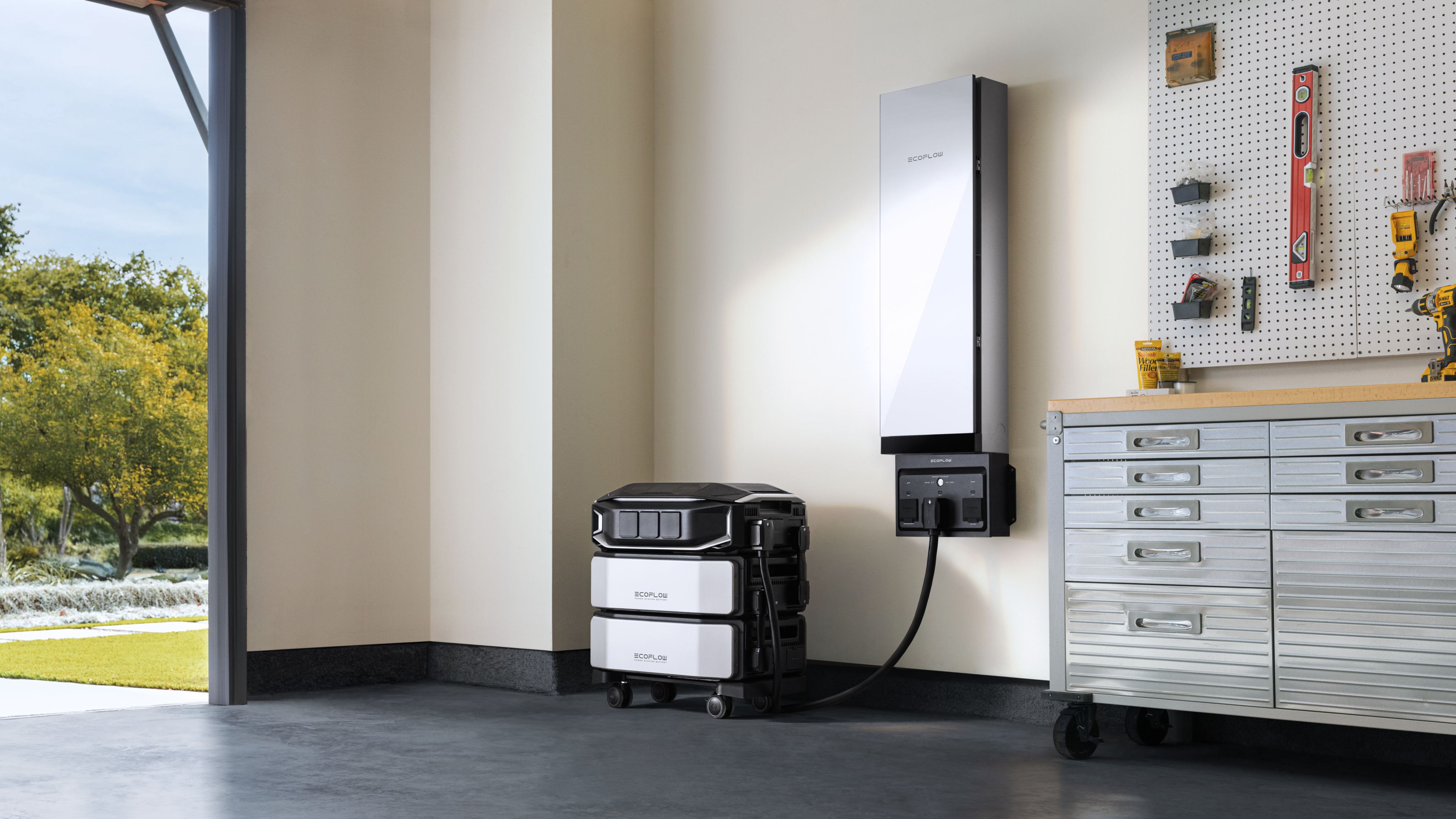
For a whole-home backup option, EcoFlow DELTA Pro Ultra X offers automatic switchover in as little as 20 ms, so essential circuits can regain power almost instantly when the grid goes down.
Stay Warm and Ready for the Next Winter Outage
Winter outages are easier to handle when you already know what to do. Your home may stay warm for a few hours, but house temp in winter can fall quickly once drafts and window loss take over. Keep your usual winter settings practical, like 20°C when awake and 17°C when asleep, and switch to a one-room setup as soon as the power goes out. Seal gaps, close doors, and focus on layers and bedding. If outages are common, backup power can keep essentials running and make the night feel far more manageable.
FAQs
Q1: How long can food be kept safe in a fridge and a freezer when there is a power outage?
When the fridge is unopened, the food can last safely for a period of about four hours. For the freezer, the food can remain safely for a period of 24 to 48 hours, depending on the level of fullness of the freezer. It is recommended that one should close the fridge door whenever possible. If the power outage takes longer than the recommended four hours, high-risk foods like meat products, dairy products, and prepared foods should be stored in a cooler filled with ice.
Q2: Should drips in faucets during a power outage prevent pipes from freezing?
Yes. In many homes, a small drip may help to ensure against freezing in pipes located in cooler parts of the house, like basements or along the perimeter walls. Leaking hot air into areas around pipes in the kitchen may be accomplished by opening cabinet doors. Notifying family members of the location of the main water cutoff in the house may be helpful in planning for long-term power outages.
Q3: Will a gas fireplace function if there's no electricity?
The functional ability of gas fireplaces during power outages will depend on the type of gas fireplace owned. For instance, a standing pilot gas fireplace will still be usable, since the pilot light doesn't need any power to burn, but for the intermittent pilot ignition type, power will be needed each time the pilot light is turned on before the fireplace can be used. Before using the fireplace during bad weather, check the manual for details on battery backup or standing pilots.
Q4: Can solar panels help with power supply during winter blackouts in Canada?
Solar panels can help during winter blackouts in Canada, but only if your system can operate off-grid or has battery backup. Solar panels are able to generate power in low-temperature conditions, although power production will decrease for short and cloudy days and, to a greater extent, if they are covered by snow. If possible, cleaning solar panels will increase their efficiency, and higher-angle mounts will promote snow shedding. Care is required to avoid hazardous access to roofs, especially in inclement weather.
Q5: Can a backup battery be charged at a temperature lower than freezing?
No. Charging lithium batteries below 0°C (32°F) can damage them. If the portable power station is to be used in cold weather, it would be best to keep it in a warm spot indoors, if possible, or let it warm up before charging. The cold weather will also affect the runtime performance. This must be taken into consideration when operating in cold weather.