12V Battery: What It Is, Types, and Application
Have you ever wondered what powers the engine of your car, keeps your RV lights on during a weekend trip to Banff National Park, or stores the energy generated by your rooftop solar panels? The unsung hero behind these essential functions is often the versatile 12V battery. Whether you’re exploring the wilderness of British Columbia, enjoying the comforts of an off grid cabin in the Rockies, or relying on solar power during a power outage in Toronto, understanding what a 12V battery is, how it works, and the different types available in Canada is key to choosing the right solution for your vehicle, RV, boat, or off grid system.
What Is a 12V Battery
At its core, a 12V battery is a device designed to store chemical energy and convert it into electrical energy at a nominal voltage of 12 volts. This voltage has become the standard in many Canadian applications, from powering vehicle starter motors during the harsh winters of Manitoba to running sensitive off grid electronics in remote areas of Northern Ontario. The 12-volt standard is achieved by connecting multiple smaller cells in series within a single casing. For instance, a typical lead acid battery contains six cells, each generating around 2.1 volts, which adds up to over 12.6 volts when fully charged. This reliable power output is why 12V systems are the backbone of most DC (Direct Current) electrical setups, from small RVs on Vancouver Island to large solar systems in rural Quebec.
How Does a 12V Battery Work
Understanding how a 12V battery functions requires delving into the fundamental principles of electrochemistry, where a controlled, reversible chemical reaction generates electrical current. This process is the foundation of the battery’s ability to power everything from your vehicle to off grid systems in remote parts of Canada.
Charging Process of a 12V Battery
The charging process is essentially the reversal of the chemical reaction that occurs during discharge. When an external power source, such as your vehicle’s alternator, a wall charger, or a solar panel array set up high in the Rocky Mountains, is connected, it forces current back into the battery. This flow of current reverses the chemical changes on the battery plates, effectively storing energy for later use. Maintaining the correct charging voltage is crucial to prevent damage and ensure the battery reaches its full capacity. For example, solar panel setups on farms in rural Saskatchewan rely on proper charging to keep systems running during the long winters.
Discharging and Energy Delivery
When a load, like a light bulb, a winch on a fishing boat off the coast of British Columbia, or a power inverter, is connected to the battery, the stored chemical energy is released. The internal chemical reaction generates electrons, creating a flow of direct current (DC) at a steady 12-volt output. This continues until the battery’s charge is depleted, at which point it requires recharging. Whether you're lighting up a cabin in Quebec or powering tools for a construction project in Toronto, the battery’s ability to consistently deliver energy makes it a vital component of your power system.
The Main Types of 12V Batteries
While all 12V batteries deliver the same voltage, they vary significantly in terms of chemistry, construction, and performance. These differences impact their longevity, cost, and suitability for various applications across Canada, from powering your car on a frigid winter morning in Calgary to keeping your off-grid cabin running in the remote wilderness of British Columbia.


Lead-Acid 12V Batteries
Lead acid batteries are the oldest rechargeable battery technology and remain widely used today, particularly as starter batteries (SLI) in cars, trucks, and even boats. They are reliable and cost effective but tend to be heavier and require maintenance, such as adding distilled water to flooded versions. These batteries are ideal for applications that need a high burst of starting power, such as turning over an engine during cold Canadian winters. However, their performance can decline in extreme temperatures, making them less ideal for deep cycle applications in remote areas.
12-Volt Lithium Battery
Modern technology has ushered in the age of the 12-volt lithium battery, often using Lithium Iron Phosphate (LiFePO4) chemistry. These batteries are becoming the go to choice for deep cycle applications in Canada, especially for RVs, off grid solar systems, and marine vessels. They offer high energy density, lighter weight, and a significantly longer cycle life compared to lead acid batteries. In addition, lithium batteries maintain a higher voltage throughout the discharge cycle, ensuring more consistent power, whether you’re camping in the Yukon or living off the grid in Ontario.
Deep Cycle 12V Batteries
Deep cycle batteries are specifically designed to provide a steady flow of power over an extended period and withstand repeated deep discharges without damage. They are essential for sustained power needs in applications such as RVs, boats, and off grid solar systems. In Canada's vast, often remote regions, deep cycle batteries are critical for powering systems that need to be reliable in challenging conditions. For example, the EcoFlow 12V 100Ah LiFePO4 Deep Cycle Battery is an excellent choice for off grid setups. Built with robust LiFePO4 cells, it ensures safe and stable 12V output and works seamlessly with solar charge controllers, making it perfect for a resilient solar power system, whether you're at a cottage on Lake Ontario or living off the grid in the Rockies.
AGM (Absorbent Glass Mat) 12V Batteries
AGM batteries are a type of valve-regulated lead-acid (VRLA) battery where the electrolyte is held in fiberglass mats. These batteries are maintenance-free, spill proof, and highly resistant to vibration, making them perfect for demanding applications like high performance vehicles or installations that require a sealed battery. AGM batteries are well suited for Canadian winters due to their durability and ability to function in extreme temperatures. Whether you’re powering your snowmobile in Manitoba or a boat on the Great Lakes, AGM batteries offer reliable performance in challenging conditions.
Gel 12V Batteries
Gel batteries are another variant of VRLA technology, where the electrolyte is mixed with a gelling agent. These batteries provide excellent deep cycle performance and are less prone to sulfation than traditional flooded lead acid batteries. They are often preferred for applications in high temperature environments or where additional protection against vibration and shock is needed. Gel batteries are a good choice for off grid systems or recreational vehicles in Canada, especially in areas with frequent temperature fluctuations, such as Northern Ontario or the rugged terrains of the Yukon.
| Battery Type | Pros | Cons | Best For |
|---|---|---|---|
| Lead-Acid | Affordable, reliable | Heavy, shorter lifespan | Car starter batteries |
| AGM | Maintenance free, spill proof | More expensive | Marine, RV |
| Lithium LiFePO4 | Long lifespan, lightweight, efficient | Higher upfront cost | Solar, off-grid |
| Gel | Good performance in heat, resistant to sulfation | Slow charging rate | Industrial, mobility, hot climate |
Practical Applications of 12V Batteries
The versatility of the 12V battery means it’s integrated into nearly every aspect of modern power needs, from large scale solar farms to compact portable devices, across Canadian landscapes and lifestyles.
Solar and Renewable Energy Systems
In Canada, where many homeowners, cottagers, and rural residents are shifting to renewable energy sources to power modern living, 12V batteries serve as the backbone of solar energy storage. They efficiently capture and store energy from photovoltaic panels, ensuring that users can draw power day or night. This energy independence is especially valuable during harsh winters or snowstorms in Quebec, where access to grid power can be limited for days.
RV Backup Power
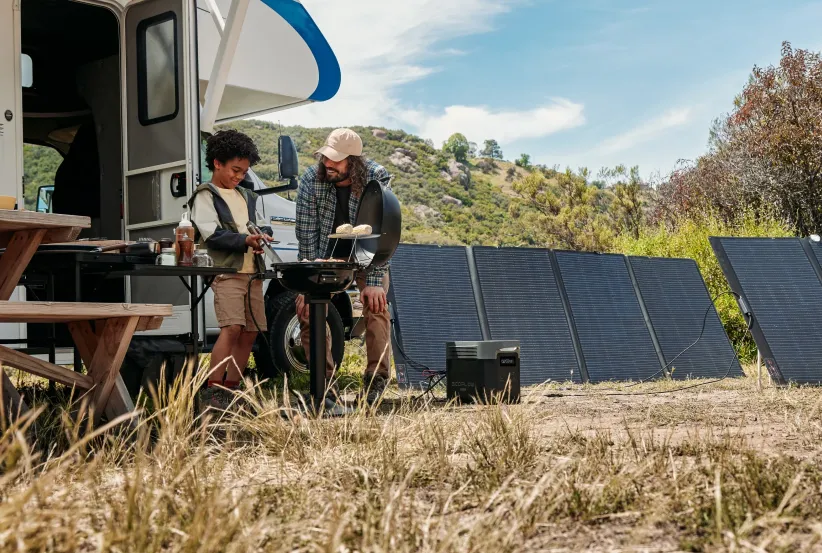
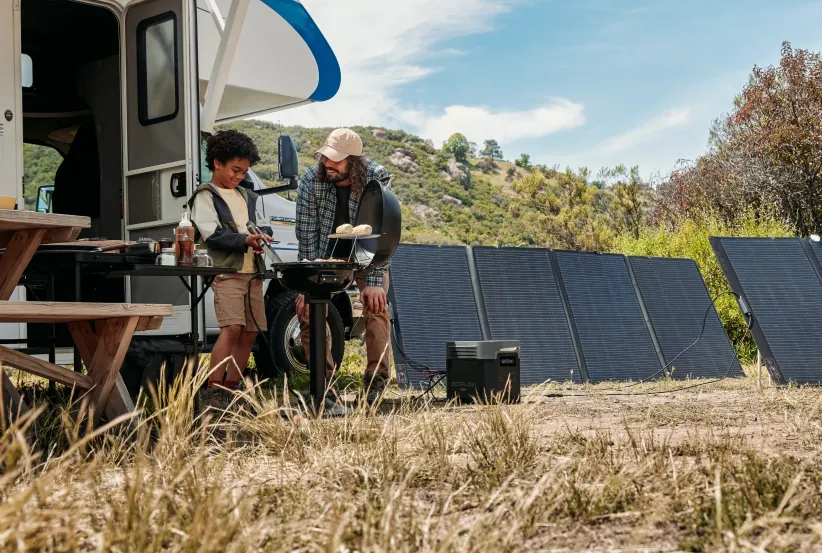
The RV lifestyle is popular across Canada, from Vancouver Island to the Maritimes. 12V batteries provide essential power for lighting, water pumps, slide outs, and small appliances, making camping and boondocking in places like Banff National Park or the Rocky Mountains both comfortable and convenient. With reliable 12V power, you can enjoy the great outdoors without sacrificing comfort.
Emergency and Off-Grid Power Solutions
Reliable 12V systems are essential for off grid living and emergencies, especially in Canada’s more remote areas. Whether it's powering a monitoring station in Northern Ontario or keeping the lights on at a cottage in Nova Scotia, these systems provide low maintenance energy to keep vital equipment running when utility power is unavailable.
Home Backup and Emergency Power
For Canadians facing power outages due to severe weather, integrating a 12V system into your home backup setup is an intelligent solution. The EcoFlow DELTA 2 Max Portable Power Station is an excellent option for home backup power management, providing seamless integration with 12V systems. This system offers smart voltage regulation and solar compatibility, making it a reliable choice to keep essential household items running and recharge 12V devices during power outages.
Portable Electronics and Gadgets
Many small, portable devices used in Canadian outdoor activities, from specialized cameras for wildlife photographers in Algonquin Park to emergency air compressors for winter road trips, are designed to run off 12V power outlets. This makes 12V batteries essential for a variety of gadgets used across diverse terrains, whether you’re navigating through the vast wilderness or on a remote fishing trip.
Marine and Boating Applications
In marine environments across Canada, 12V batteries are indispensable for powering trolling motors, navigation systems, fish finders, and onboard lighting. Whether you're boating on the Great Lakes or out on the Pacific Coast, 12V batteries provide the reliable power needed for a safe and enjoyable experience at sea. Their sealed, durable designs are built to handle the rigors of marine environments, making them a crucial part of boating safety.
Conclusion
The 12V battery is a cornerstone technology that powers much of our mobility, emergency preparedness, and off-grid living across Canada. From the dependable starting power of lead-acid batteries to the lightweight, long lasting performance of modern 12-volt lithium options like the EcoFlow LiFePO4 Deep Cycle Battery, these energy sources provide reliable solutions for a variety of applications. Whether you're powering a remote solar setup in Northern Ontario or embarking on an RV trip through the Prairies, or using a portable power station to keep your devices running during a power outage, understanding the different battery chemistries and choosing the right one for your needs ensures you have a consistent flow of power. No matter where your Canadian adventures take you, the right 12V battery will keep you connected, powered, and ready for anything.
FAQ
What is the difference between a lead-acid battery and a 12-volt lithium battery?
The main differences lie in chemistry, weight, lifespan, and performance. Lead-acid batteries (including AGM and Gel variants) are heavier, have a shorter cycle life (typically 300-500 cycles), and their voltage drops quickly during discharge. In contrast, 12-volt lithium batteries (LiFePO4) are significantly lighter, offer a much longer cycle life (often over 3,000 cycles), maintain a more stable voltage throughout discharge, and require little to no maintenance. These advantages make lithium batteries a popular choice for Canadians using off-grid power systems in remote areas or for RVers navigating harsh conditions.
What size solar panel do I need to charge a 12V 7Ah battery?
A 12V 7Ah battery stores about 84 Watt-hours (Wh) of energy (12V * 7Ah = 84Wh). To fully charge it in about 5 hours of peak sunlight (a standard estimate in Canada’s summer months), you would need a panel with a power output of at least 84Wh / 5h = 16.8 Watts. A 20-30 Watt solar panel would be a safe and efficient choice, assuming you use a charge controller. In regions like Alberta, where sunshine is plentiful during the summer, this setup would work well.
Can I connect a solar charge controller directly to a portable power station?
Generally, no. Most portable power stations, like the EcoFlow DELTA series, come with a built-in Maximum Power Point Tracking (MPPT) charge controller. Connecting an external charge controller would be redundant and could potentially damage the unit. It’s best to connect your solar panels directly to the power station’s solar input port. This streamlined approach ensures efficient charging without the need for additional equipment.
What are the best batteries for solar off-grid use in Canada?
The LiFePO4 (Lithium Iron Phosphate) battery with 12V is typically the best option for off grid solar use in Canada. These batteries offer excellent deep cycle capability, long lifespan, and can handle numerous charge/discharge cycles, making them ideal for off-grid cabins in places like Northern Ontario or the Prairies. However, since lithium batteries can’t be safely charged below freezing, it’s crucial to choose a battery with a built in Battery Management System (BMS) that includes low temperature charge cut off protection or a heating element. This feature is especially important in Canada’s cold climate, where temperatures regularly dip below freezing in the winter.
How can I extend the lifespan of my 12V battery in cold weather?
For lead-acid batteries, keep them fully charged to avoid freezing, which can damage the battery. Lithium batteries, on the other hand, should not be charged in temperatures below 0℃ (32℉). If you're operating in extremely cold conditions, it’s best to use a battery with a built-in heating mechanism or store the battery in an insulated or heated compartment, such as a battery box in your RV or off grid cabin. This is especially important for Canadians living in colder regions like Yukon or the North, where winters can be extremely harsh.