Chinook Winds in Calgary and Your Backup Power
- The Chinook Wind Phenomenon
- How Chinook Winds Cause Power Problems for Calgary Residents
- Why Calgary Homes Need Backup Power Solutions
- Choosing the Right Portable Power Station Capacity
- Making the Most of Chinook Warm Spells
- Safety Practices for Backup Power Use
- Preparation and Maintenance Strategies
- The Reality of Living With Chinook Winds
- Take Control of Your Power Security
- FAQs
Winters in Calgary represent a unique and sometimes shocking climate pattern. Temperatures can fall as low as –20°C, with ice forming on your windshield. Just a short while later, the mercury can be at +10°C. Yes, this temperature shift is a result of a Chinook wind, a phenomenon which shocks almost everyone until they experience it personally.

The Chinook Wind Phenomenon
Calgary's location makes it a hotspot for one of nature's most dramatic temperature shifts.
What Are Chinook Winds?
Chinook winds refer to prevailing warm air currents that blow down the eastern side of the Rocky Mountains. The air currents develop from moist air from the Pacific Ocean, which rises along the western side of the mountains and then moves down the eastern side, warming up as it descends. The position of the city makes it conducive to these extreme weather patterns. The frequency of chinook occurrence in the city is higher than in the rest of Canada. Sometimes, in winter, there are several instances of this drastic change in weather.
Chinook Winds Weather Patterns in Calgary
The temperature differences occur quickly. The chinook may increase the temperature as much as 20 to 30 degrees in a short period of several hours. The winds have been recorded to blow at speeds of 60 to 100 kilometers per hour. This results in what the residents call 'false spring.'
The melting of the snow is very rapid during the chinook episode. The ice formed due to the previous cold waves starts melting. Then, as the warm spell abates or the night time temperature falls, everything will freeze once again.
How Chinook Winds Cause Power Problems for Calgary Residents
These temperature swings create a perfect storm for electrical grid failures.
The Ice and Wind Damage Cycle
Melting snow creates water that seeps into every crack and gap. Power line insulators collect moisture. Tree branches absorb water. When temperatures plunge again, that water freezes and expands with considerable force.
Ice-damaged power lines become vulnerable. Tree branches weighted down with ice sag dangerously low. Transformers and electrical equipment suffer stress from repeated expansion and contraction cycles.
Strong chinook winds hit these already-compromised structures hard. Weakened tree branches snap and fall onto power lines. Utility poles sway under pressure. Equipment failures multiply across the grid.
Increased Electrical Demand
During chinook winds, your house's electrical system will have to work harder. Your furnace will work harder because it will have to change temperatures quickly. Changes in humidity cause HVAC systems to work harder.
The pipes that freeze in cold weather thaw with the arrival of chinook winds. The heat tapes being used for the pipes run constantly. Residents turn on space heaters to heat up cold areas and basements. The use of electricity surges at a time that puts a strain on the power network.
When power is lost during or following the occurrence of the chinook wind, the list of issues builds up quickly. The furnace no longer works. The pipe heat tape ceases to function. The warmth of the chinook is gone and the freezing temperatures return even stronger.
Why Calgary Homes Need Backup Power Solutions
The conventional generator may not always be the best fit; thus, battery-powered types emerged.
For example, traditional power sources require fuel storage, emit exhaust gases, and cause noise pollution. They cannot be operated inside or in attached garages. They require difficult winter storage, and it becomes difficult to start them when it is cold.
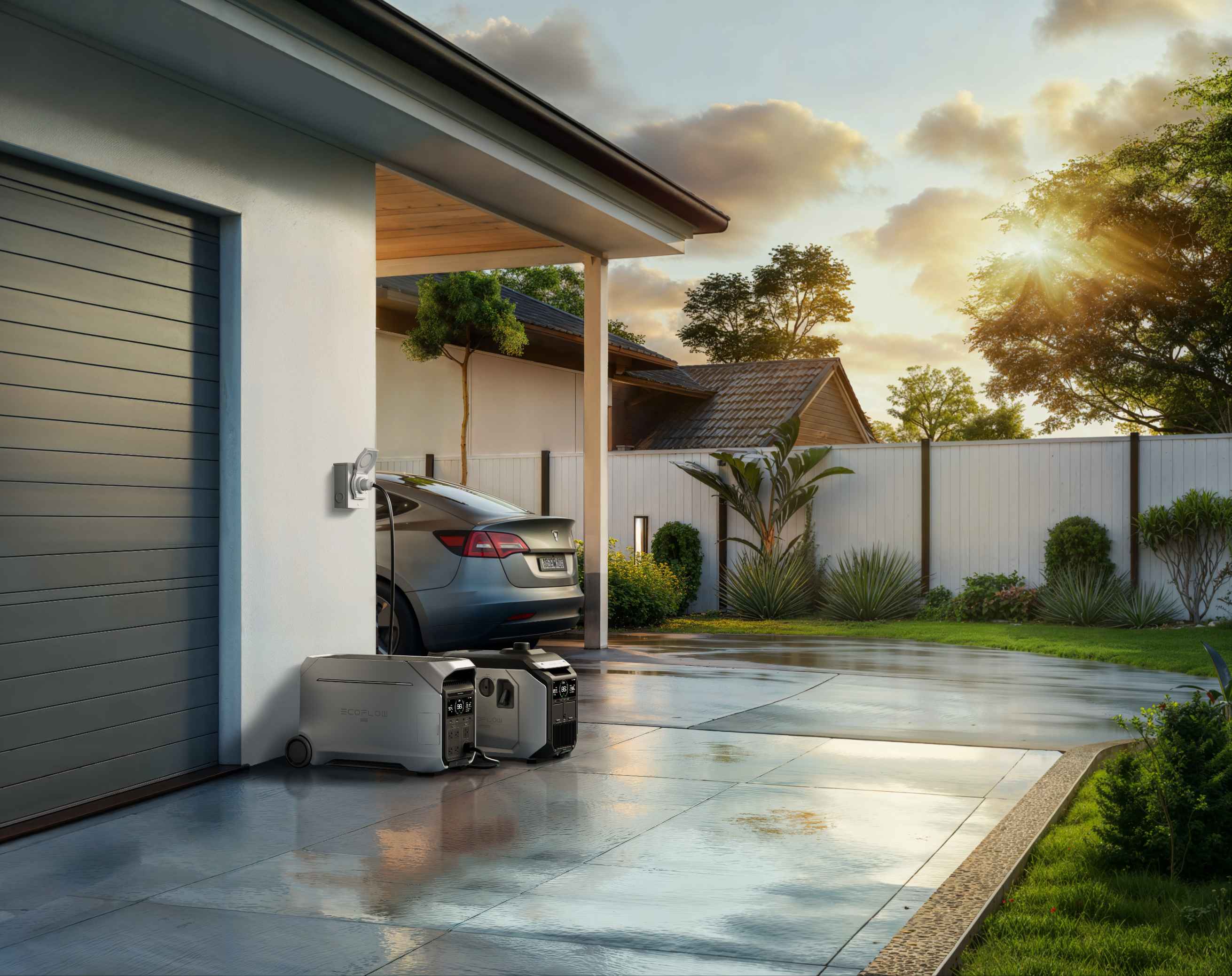
Portable power stations emerge as a new solution. Battery power stations store electrical energy that you can use instantly during a power outage. The devices operate silently with no emissions and are safe for use indoors.
Critical Systems That Need Power Protection
To choose the correct backup option, it is essential to have knowledge regarding what to power on first.
Heating equipment tops the priority list. Portable electric space heaters are good for warming critical areas in the event of a power outage. A portable power station and electric space heaters will give you some hours to allow grid power to return or make alternative arrangements.
Pipe protection systems prevent costly damage. Heat tape and pipe heating cables draw moderate power but provide essential freeze protection. Backup power keeps these systems running when the grid fails.
Communication devices become critical during weather emergencies. Your router, modem, and phone chargers need power to function. Access to weather updates, utility company notifications, and emergency services requires working internet and charged devices.
Medical equipment may be necessary for some households. CPAP machines, oxygen concentrators, and medication refrigeration can't wait for power restoration.
Choosing the Right Portable Power Station Capacity
Matching your power needs to the right battery capacity prevents both overspending and underpreparation.
Small Capacity Units (200-500 Watt-Hours)
These entry-level systems handle basic communication needs. They keep phones charged, run routers and modems, and power LED lighting. For short outages focused on staying connected, small units provide adequate support.
Runtime is limited with smaller capacities. You'll power a router for 20-40 hours or charge smartphones 10-20 times. These units work best as communication backups rather than heating or appliance power sources.
Medium Capacity Solutions (500-1500 Watt-Hours)
Most Calgary homeowners find this range meets chinook-related outage needs effectively. Medium capacity stations run space heaters on lower settings for several hours. They maintain pipe heat tape protection through typical outage periods.
You can simultaneously power your router, charge devices, and run a small heater. This multi-tasking capability provides both comfort and connectivity during weather events.
Large Systems (1500+ Watt-Hours)
High-capacity units like EcoFlow DELTA Pro 3 offer a significant amount of backup power for extended power outages. With a capacity for 4096Wh and a output rate of 4000W, this is possible because the devices can power larger space heaters as well as multiple appliances simultaneously even during a power outage due to a storm.
If you have medical equipment, telecommute from home, or prefer the most comfort during extended power outages, consider larger systems. Having extra power capacity to give you peace of mind comes with a higher initial cost.
Making the Most of Chinook Warm Spells
These sudden warm periods offer opportunities beyond just surviving power outages.
Outdoor Activities During "False Spring"
Temperature fluctuations of +10°C in February mean a unique opportunity. The balcony is now accessible. The electric grill and outdoor cooking equipment allow one to take advantage of the warmth without overloading the electrical circuits.
A portable power station can allow you to continue outdoor cooking even during a power outage. You can barbecue, use outdoor lighting, and charge your gadgets all while taking advantage of the chinook heat.
Short-Notice Camping Trips
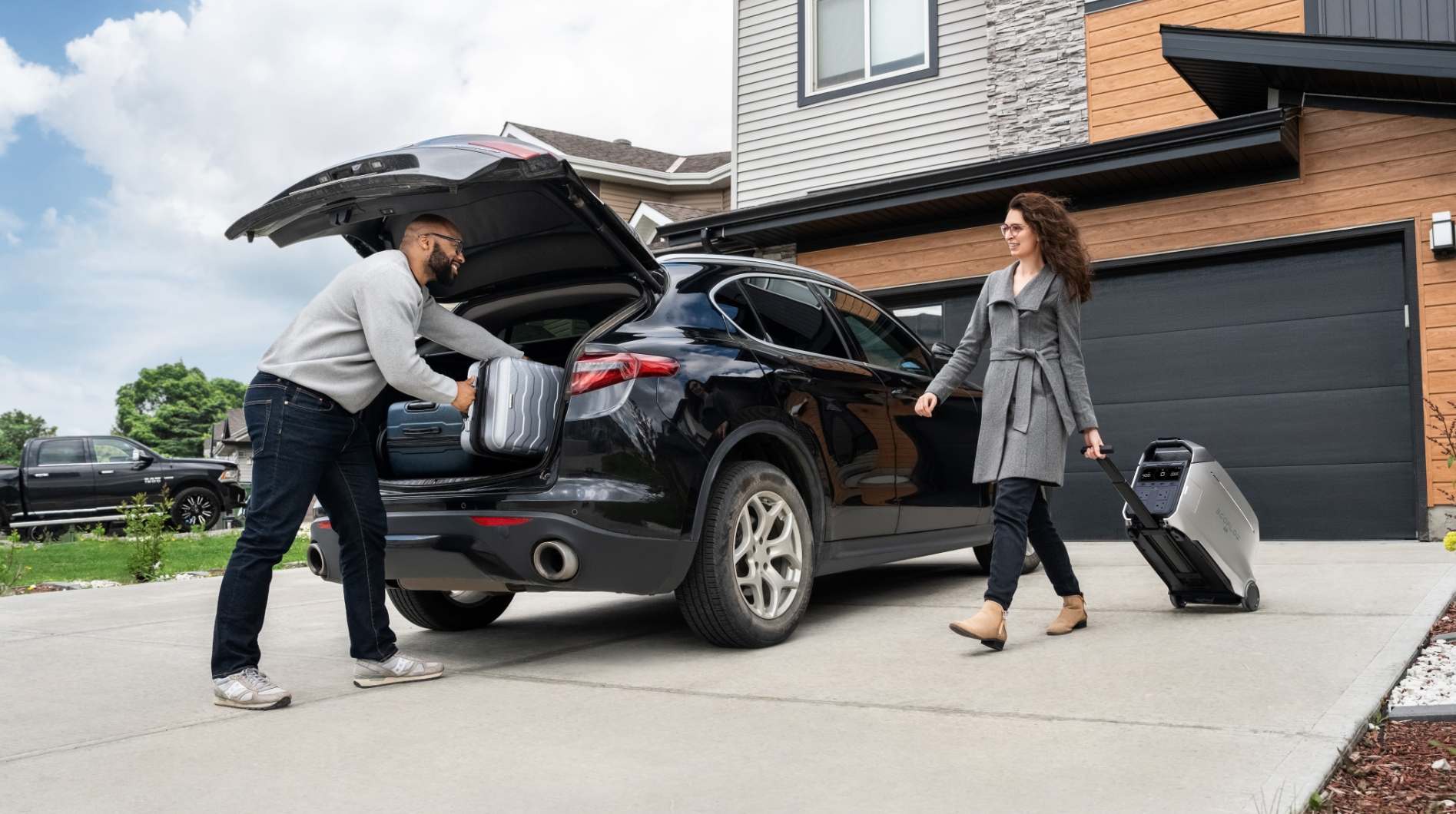
Extended chinook periods sometimes last several days. These warm spells open possibilities for winter camping without extreme cold. Portable power keeps lights running, charges cameras and phones, and powers small comfort devices at your campsite.
Cold weather drains camera batteries quickly. Photographers chasing dramatic Chinook cloud formations need reliable power to keep equipment charged. A power station in your vehicle ensures you never miss the shot.
Safety Practices for Backup Power Use
Proper safety habits protect both your family and your property during outages.
Indoor Power Safety
Never operate gasoline-powered generators indoors. Carbon monoxide can be deadly in an instant and silently too. That is not an issue for power stations, as they do not emit exhaust gases.
Space heaters must be positioned carefully regardless of the source of their power. They should be kept away from curtains, furniture, bedding, and other combustible materials. Never leave a space heater unattended while it is on. Place it on a firm and level surface, away from paths.
Electrical Connection Guidelines
Your extension cords should be adequate for your power requirements. You should check wattages before connecting them. Using extension cords that conduct too little power can cause fire outbreaks and power wastage.
Do not overload the power station. You will notice that each of the units has a maximum watts limit that you should not surpass. The trick is to calculate the total watts of the devices that are connected to it to avoid surpassing the watts limit.
Monitor the charge during power outages. The energy capacity in power stations is limited. Prioritize necessary requirements. Usage strategy: prioritize the continuation of critical functions during the power outage.
Preparation and Maintenance Strategies
A backup power system only works when you keep it ready for action.
Regular Maintenance Schedule
Always ensure that your power station is fully charged at least once in three months, even if you haven’t been using it. It is better for batteries when they are intermittently drained and recharged periodically.
Test your full backup system before an emergency. Plug in your necessary items and test them using your power station. Ensure all of your items are working as they should. This way, you can locate any problems before an emergency occurs.
Optimal Storage Conditions
Store power stations where the temperatures are moderate. Freezing temperatures or heat damage batteries and their longevity. A basement or closet is preferable to an unheated garage in Calgary winters.
Organize charging cables in a convenient manner. If there is a variety of devices in your house, organize these cables accordingly in labeled packets. When there is a blackout, you cannot take a long time searching through cables in the dark.
Always store a battery with a charge level between 50% and 80% if you want it to last longer. A battery that is fully drained and/or kept full of charge shortens its life compared to a battery that is kept half full.
The Reality of Living With Chinook Winds
Calgary residents accept temperature variability as normal life, but that doesn't mean you can't prepare for it.
You learn to dress in layers, keep both winter coats and light jackets handy, and expect the unexpected. Weather apps become essential daily tools.
Power infrastructure designed for steady cold performs differently under constant freeze-thaw cycles. Utility companies maintain systems diligently, but nature creates challenges beyond complete control. Personal backup power gives you control when the grid can't deliver.
The same chinook wind that disrupts power might also create perfect conditions for enjoying outdoor spaces. Don't let potential outages keep you from taking advantage of +10℃ February afternoons. Portable power lets you embrace these brief warm spells safely and comfortably.
Take Control of Your Power Security
Chinook winds will continue sweeping through Calgary every winter. These dramatic weather events aren't changing. Power outages during temperature swings create specific challenges that portable power stations solve effectively. Protect your comfort, prevent pipe damage, and maintain communication during the next chinook event. Browse backup power options today and be ready when the next warm wind arrives and the lights go out.
FAQs
Q1: How Long Do Chinook Winds Typically Last in Calgary?
Chinook winds can last for a few hours or a few days. This depends on atmospheric conditions. Some chinooks result in a short period of warm weather only, while others give rise to a long period of warm weather. A city such as Calgary can have multiple chinook occurrences during winter months with varying properties and intensities.
Q2: Can Portable Power Stations Charge While Being Used?
Most portable power stations possess the ability to charge through pass-through charging. This enables a user to charge the portable power station while using it to power different devices. But the charging speed might be lower when powering different devices. Check the specifications of your product to confirm this feature and the limitations of using it.
Q3: What Size Power Station Do I Need for a Space Heater?
Space heaters use differing amounts of power, from 400 to 1500 watts. You can calculate how long you can use the heater from the power station by dividing its watt-hour capacity by its wattage. For instance, if you are using a heater that consumes 1000 watts from a power station also rated at 1000 watt-hours, it can provide power for one hour.
Q4: How Often Should I Charge My Backup Power Station?
It is recommended to charge your portable power station every three to six months in case you do not use it often. Charging it will ensure it is always in good condition. In case you often use your portable power station, make sure you charge it each time you finish using it. Remember to store it with a charge of 50-80% and not when it is empty or full.
Q5: Are Power Stations Safe to Use Indoors During Outages?
Portable power stations are safe to use indoors because they do not give out any emissions and carbon monoxide. Portable power stations are also noise-free and do not need ventilation like generators would for safe use. These stations also do not need any special electrical safety like generators would for their usage and operation to remain safe.