All You Have to Know About Home Depot Overnight RV Parking
- Who This Option Works Best For
- Quick Answer: Can You Stay Overnight at Home Depot?
- Verification Process & Permission Log
- Lot Etiquette: The "No-Go" Checklist
- Legal and Safety Factors
- Fast Decision Framework: Should You Stay?
- Alternatives When the Lot is Full or Forbidden
- Rules of the Road: Being a Good Guest
- Your 5-Minute Checklist Before You Shift into Park
- Protecting Mutual Privilege
- FAQs
Disclaimer: The information provided in this article is for educational and informational purposes only. It does not constitute legal advice. Overnight parking regulations are subject to change and vary significantly by municipal code, state law, and private property rights. Always prioritize local government ordinances or written permission from property owners over general advice. Use these suggestions at your own risk.
Finding a safe place to rest during a long cross-country haul is a top priority for any road traveler. While campgrounds are ideal, big-box store lots often serve as essential waypoints when you simply need a few hours of sleep before hitting the highway again.
Who This Option Works Best For
Before pulling in, it is vital to know that this strategy is designed strictly for self-contained rigs. If your vehicle has its own bathroom, water, and power, you can successfully navigate a retail lot stay. This is intended for one-night, low-setup stops where you arrive late, sleep, and leave early the next morning without leaving a trace.
Quick Answer: Can You Stay Overnight at Home Depot?
There is no single company-wide "yes." While some locations may allow it on a case-by-case basis, it is not officially permitted. Whether or not you can stay depends on:
1. Municipal Bylaws (Highest Authority)
Many Canadian municipalities, especially in tourist-heavy areas, have strict bylaws prohibiting "street camping" or overnighting in commercial lots.
Examples of Canadian Bylaws:
Squamish, BC: Under Camping Bylaw No. 2829, Section 5.6, any person who contravenes the bylaw is liable to a penalty of not less than $2,500 and not more than $10,000 for each offense.
Vancouver, BC: Per the City of Vancouver Street and Traffic Bylaw, "large vehicles" (taller than 2.2m or longer than 6.4m) are prohibited from parking on any street between 10:00 PM and 6:00 AM.
Ontario Highway Rest Stops: The Ministry of Transportation generally limits parking to 4 hours to prevent camping, though exceptions may be made for driver fatigue management.
How to Verify: Search for the municipal code online using keywords: [City Name] + Traffic Bylaw + overnight parking or [City Name] + Camping Bylaw.
2. Property Ownership and Signage
Home Depot may be a tenant in a larger "Power Center" managed by a third-party REIT (Real Estate Investment Trust). These managers often employ private security (like Paladin or G4S) to tow unauthorized vehicles regardless of the store manager's verbal consent. Always defer to posted signage.
3. Store Managerial Discretion
In the absence of a municipal ban, the store manager has the final say.
Verification Process & Permission Log
To avoid a "midnight knock" from local bylaw officers or a legal dispute, follow this systematic verification process:
Use Crowdsourced Apps
Check recent "check-ins" (last 30–60 days) on iOverlander, Campendium, or Allstays. If reports say "security asked us to leave," cross that location off your list.
Phone Protocol (Example Script)
Call the store in the late afternoon (around 4:00 PM). Ask to speak with the Manager on Duty.
What to say: "Hello, I am traveling through in a self-contained RV. Does your location allow travelers to rest in the lot for one night? I'll park at the far perimeter and will be gone before opening."
Permission Log Template (Evidence for Security)
If you receive verbal permission, record these details. This provides a trail of accountability if security or police question you later:
Date/Time of Call: __________
Manager's Name: __________ (e.g., "Sarah, Assistant Manager")
Designated Area: __________ (e.g., "West corner by the garden center")
Agreed Departure Time: __________
Pro Tip: If you check in person, ask: "May I take a photo of my rig where I've parked and note your name for my records in case security has questions tonight?"
Lot Etiquette: The "No-Go" Checklist
It is vital to distinguish between parking and camping. Stores may allow a weary driver to park for eight hours to sleep, but they almost never allow camping.
To keep these lots open for the RV community, ensure you do NOT do the following:
No lawn chairs or outdoor mats.
No grills or outdoor cooking.
No stabilizing jacks or leveling blocks (unless essential for safety).
No slide-outs (if they extend into traffic lanes).
No hanging laundry or gear outside.
Legal and Safety Factors
Beyond store policy, you must respect the local legal landscape.
Legal Notice: Always defer to posted signage. If you see signs stating "Unauthorized vehicles will be towed," these are legally binding under state trespass or parking laws.
Signage is King: These lots are often patrolled by third-party towing companies that operate under contract with the property owner, not the store.
Safety Checks: Trust your instincts. A safe lot usually has functioning light poles and active overnight employees (like a restocking crew). If the lot has broken glass or feels isolated, move on.
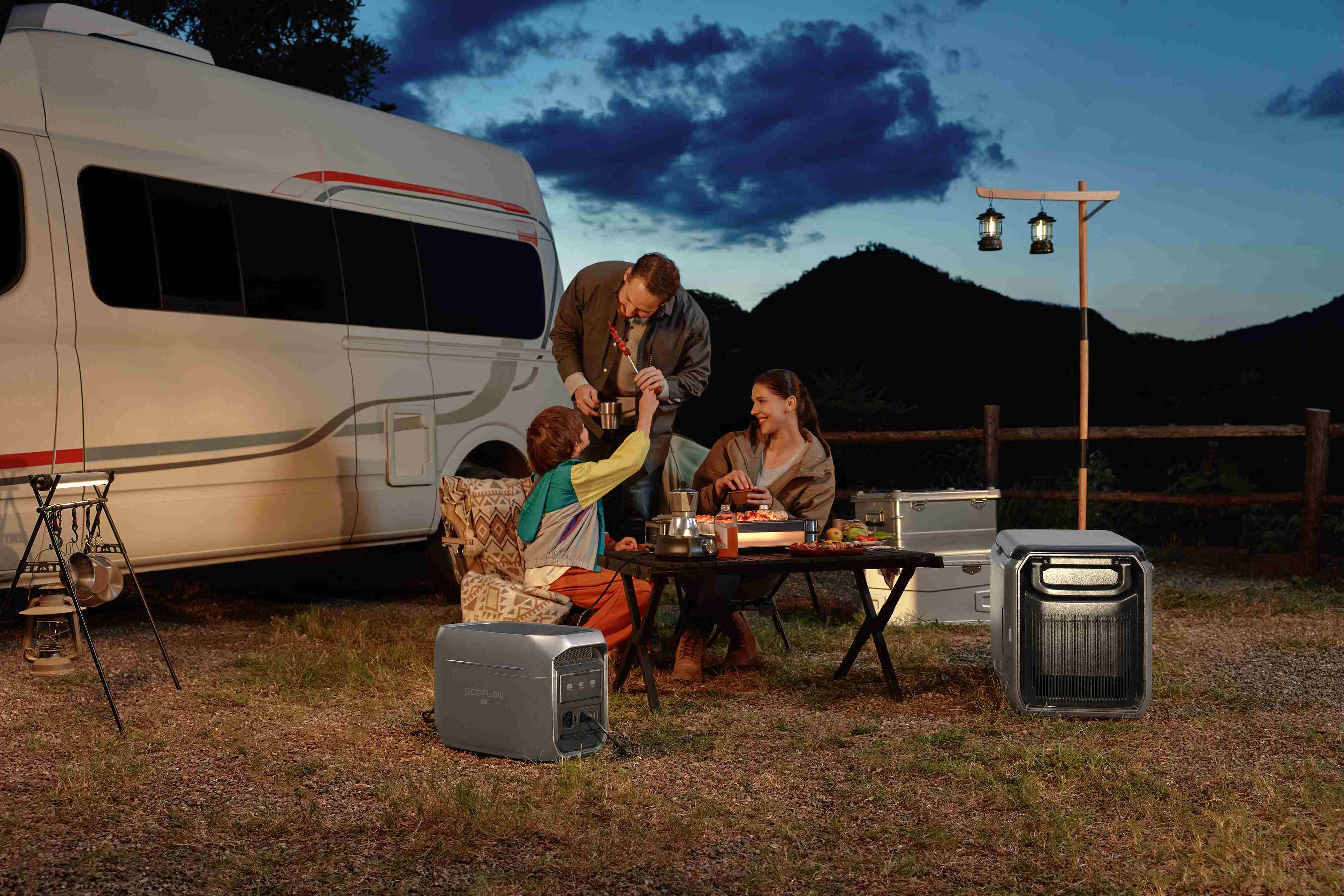
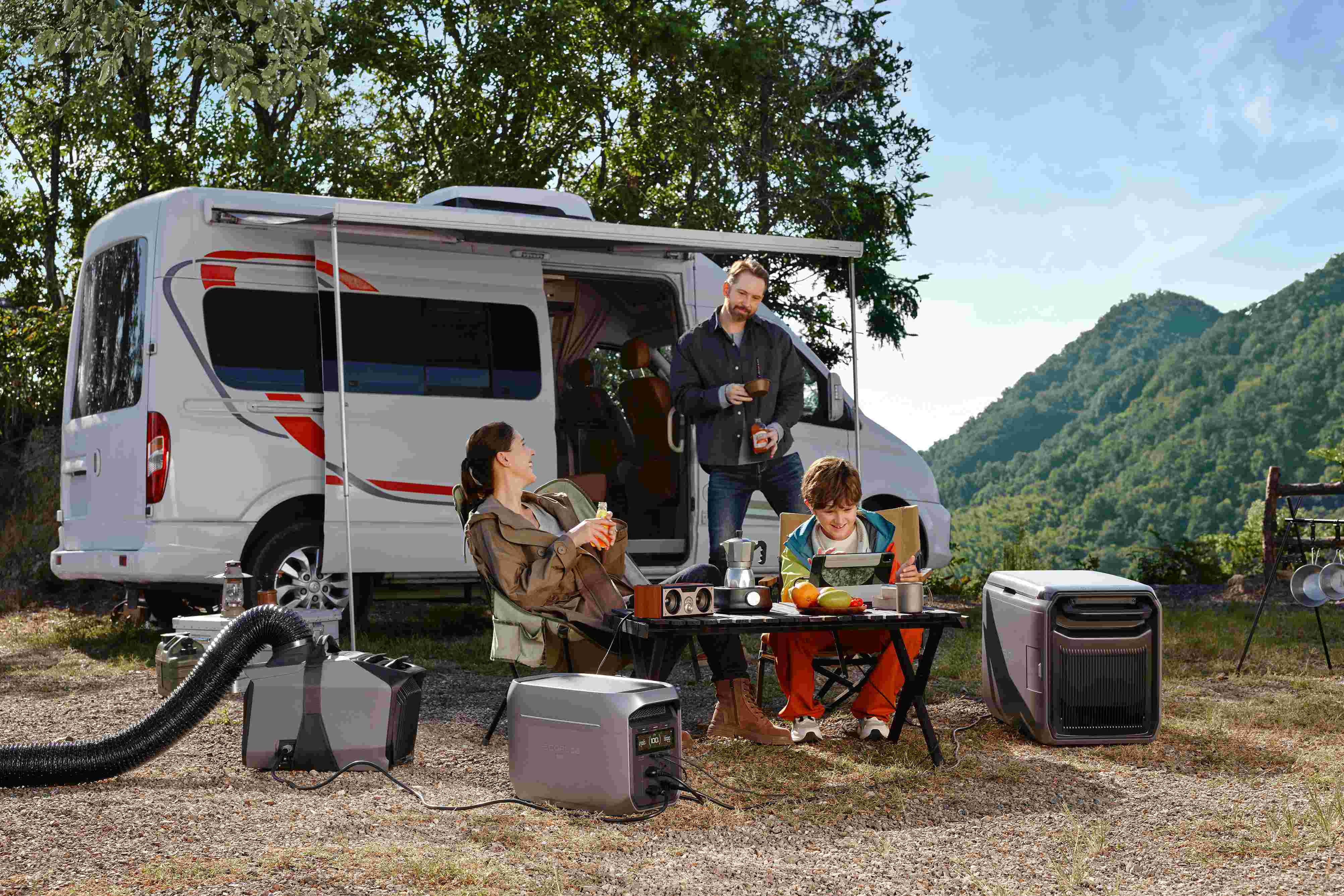
Stealth and Security: For solo travelers or families, keep doors locked and windows shielded. To maintain security and keep devices charged without idling your engine, consider a silent power solution. Using a portable power station, such as the EcoFlow DELTA 3 Max Plus gives you up to 3000W output, expandable capacity from 2–10kWh, and ultra-fast charging in just 43 minutes. With durable LFP battery cells, 25dB quiet operation, a 10ms auto-switch feature, and smart app control, it provides reliable, discreet power throughout the night without the noise of a generator.
Fast Decision Framework: Should You Stay?
Use this "tripod" approach. If one leg is missing, the location is a "No."
| Factor | Criteria |
| Permission | Did you receive a verbal "Yes" from the manager on duty? |
| Legality | Are there zero "No Overnight Parking" signs in the lot or city? |
| Safety | Is the lot well-lit and free of loitering or "red flag" activity? |
Alternatives When the Lot is Full or Forbidden
If a Home Depot says no, don't panic. Have these backups pre-loaded in your GPS:
Walmart: The traditional backup, though increasingly restricted by city laws.
Truck Stops (Flying J / Love's / Pilot): Specifically designed for overnighting. While loud, they are generally legal and offer amenities like showers.
Cracker Barrel: Often very welcoming, though lots are smaller and better suited for vans or small trailers.
Established Campgrounds: If you need to dump tanks, fill water, or stay for more than 10 hours, pay for a proper site. It is worth the cost for peace of mind.
Rules of the Road: Being a Good Guest
The reason many lots have closed to travelers is due to poor etiquette. Following these steps protects our mutual privilege.
Silent Power Only: Generators are generally frowned upon in retail lots. If you need power for essential medical devices or climate control, a high-capacity, silent unit like the EcoFlow DELTA 3 Max Plus provides the necessary energy without the noise or fumes that lead to complaints.
Leave No Trace: Never dump grey or black tanks in a parking lot or storm drain. This is illegal and a guaranteed way to get RVs banned.
Support the Business: A great way to thank the store is to buy something. Grab your morning coffee, restocking supplies, or tools at the location that hosted you.
Your 5-Minute Checklist Before You Shift into Park
[ ] Verbal Verification: Did you get a clear "yes" and a manager's name?
[ ] Signage Check: Have you confirmed there are no "No Overnight Parking" or "Predatory Towing" signs?
[ ] Bylaw Search: Did a quick search of [City Name] + bylaws confirm no "No Camping" ordinances?
[ ] Strategic Placement: Are you parked on the far perimeter, away from loading docks?
[ ] Silent Power: Are you using a battery station (like the EcoFlow DELTA) instead of a noisy generator?
[ ] Exit Strategy: Is your alarm set to ensure you are off the lot by 7:00 AM?
Protecting Mutual Privilege
The ability to use retail lots is a fragile privilege that depends on mutual respect. By acting as a "ghost"—arriving late, staying quiet, and leaving no trace—you aren't just ensuring a peaceful night for yourself; you're protecting this resource for the entire RV community.
If this particular lot doesn't feel right, don't risk an interrupted night. Open your AllStays or iOverlander app and head to your pre-planned backup. A safe, legal rest is always worth the extra few miles of driving.
Safe travels and happy trails!
FAQs
Q1: Does Home Depot Allow Overnight RV Parking Everywhere?
No. There is no corporate-wide "yes." Permission is decentralized and depends on the specific store manager, the property owner's rules, and municipal laws. Always verify the specific location before assuming you can stay.
Q2: Can You Sleep in Your RV in a Home Depot Parking Lot?
If you have received explicit verbal permission from a manager and there are no local city ordinances against "human habitation" in vehicles, yes. To stay safe and respectful, remain inside your vehicle, keep your lights low, and do not set up any outdoor equipment.
Q3: How Do You Ask a Home Depot Manager for Permission?
The best approach is to visit the customer service desk in person or call in the late afternoon. Be professional: "I'm traveling in a self-contained rig and looking for a safe place to rest for a few hours. Do you allow one-night stays, and if so, where is the best place for me to park out of your way?"
Q4: How Long Can You Stay at Home Depot in an RV?
The industry standard for retail lots is one night only. These locations are meant for "rest stops," not as a base for sightseeing. Aim to arrive after 8:00 PM and depart by 7:00 AM to ensure you don't interfere with the store's "Pro" customers and morning deliveries.
Q5: What Should You Do if the Store Says No?
Accept the answer politely and move to your pre-planned backup. Do not argue or point out other RVs in the lot; the manager may be enforcing a new city-wide ordinance they have no control over. Use apps like AllStays or Campendium to find the nearest legal truck stop or campground.
Q6: Do I Need to Buy Something if I Stay for Free?
While not strictly required, it is the best form of "RV etiquette." Purchasing supplies, a morning coffee, or road trip snacks shows the store that travelers are customers worth accommodating. It turns a "free stay" into a mutually beneficial relationship.