Canadian Gas Tax Cut: What Does It Mean for You?
- What Is the Canadian Gas Tax Cut?
- When Does the Gas Tax Suspension Start and End?
- How Much Could Drivers Save at the Pump?
- Which Fuels and Provinces Are Affected?
- How Could the Gas Tax Cut Affect Inflation and Transportation Costs?
- Does the Tax Cut Change Long-Term Energy Costs?
- Frequently Asked Questions
- The Gas Tax Cut May Lower Short-Term Fuel Costs but Energy Prices Remain Unpredictable
Canada's federal gas tax cut saves drivers roughly $0.10 per litre on gasoline and $0.04 per litre on diesel, temporary relief running until September 7, 2026. For a 50-litre fill-up, that's about $5 in savings, with commuters, rural households, and transport-reliant businesses benefiting most. But the cut doesn't change what drives fuel costs long-term: once the suspension ends, global oil markets will take over again.
What Is the Canadian Gas Tax Cut?
The Canadian gas tax cut refers to efforts by federal or provincial governments to reduce fuel-related taxes in order to lower costs for drivers. Depending on the province, this can include cuts to fuel taxes, carbon pricing, or other charges added to gas prices at the pump.
For many Canadians, even a small reduction can make a noticeable difference in monthly transportation costs. Especially for commuters and families. However, the overall impact still depends on oil prices, regional tax policies, and consumer demand.
Drivers who are looking to estimate potential savings can use a gas price calculator, while those considering long-term alternatives may also explore programs like the EV tax credit in Canada.
When Does the Gas Tax Suspension Start and End?
The timeline for Canada’s gas tax suspension depends on the province and the specific tax measures being introduced. Some provinces have implemented temporary fuel tax cuts for a few months, while others have announced longer-term relief programs tied to inflation or economic conditions.
In most cases, governments set clear start and end dates when announcing a suspension.
Drivers may see lower prices at the pump shortly after the policy takes effect, although actual savings can vary depending on fuel suppliers and market conditions. Because these tax cuts are often temporary, prices could rise again once the suspension period ends.
How Much Could Drivers Save at the Pump?
The amount Canadians could save from a gas tax suspension depends on the size of the tax cut and how often they drive. Even a reduction of a few cents per litre can add up over time for commuters, delivery drivers, and households with multiple vehicles.
For example, a driver filling a 50-litre tank could save several dollars per visit to the gas station if provincial fuel taxes or carbon charges are temporarily reduced. Over the course of a month, that could translate into noticeable savings on transportation costs, especially during periods of high fuel prices.
However, the actual savings may vary by province and market conditions. Global oil prices, refining costs, and seasonal demand can still influence what drivers ultimately pay at the pump.
Which Fuels and Provinces Are Affected?
Canada’s temporary fuel tax relief mainly applies to gasoline and diesel, but the exact savings vary by province.
Federal tax suspension: From April 20 to September 7, 2026, the federal government suspended excise taxes on fuel, reducing costs by about $0.10 per litre for gasoline and $0.04 per litre for diesel nationwide.
Manitoba: The province introduced a permanent reduction to its provincial fuel tax.
Alberta: Alberta uses a variable fuel tax system that can completely remove the provincial fuel levy when global oil prices reach certain levels.
Other provinces: Most provinces still charge their regular provincial gas taxes, although some have previously introduced temporary relief measures in earlier years.
How Could the Gas Tax Cut Affect Inflation and Transportation Costs?
When gas and diesel prices fall, commuters may spend less on daily travel, while trucking and delivery companies can benefit from lower operating expenses. In some cases, these savings may help slow rising prices for goods and services.
The overall impact on inflation, however, may be limited if global oil prices continue to rise. While the tax cut offers short-term relief, fuel costs will still depend heavily on energy markets and supply conditions.
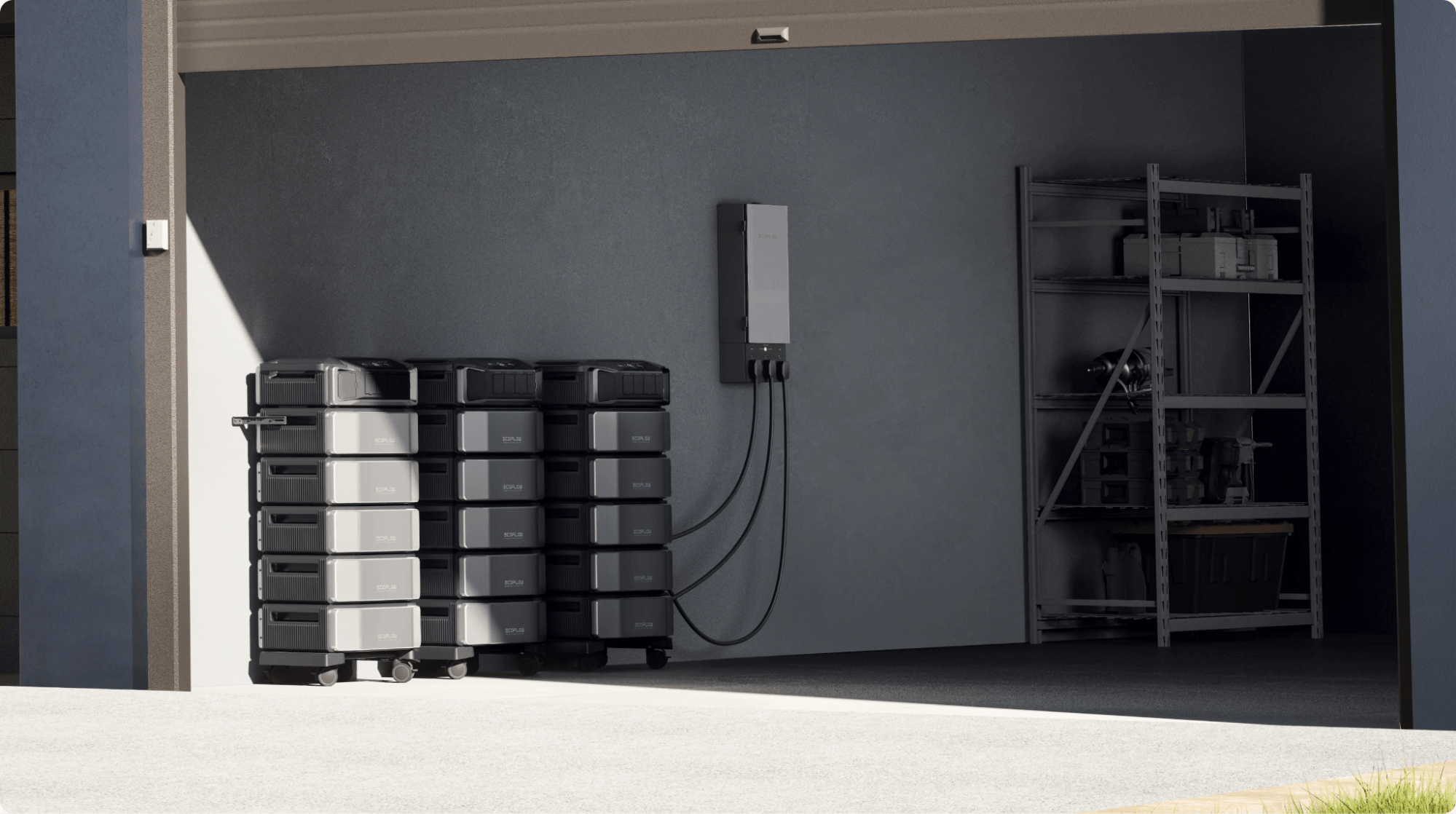
Rising energy costs are also pushing some Canadians to explore alternatives such as portable solar power generators instead of gas generators or backup energy systems like the EcoFlow DELTA Pro Ultra Whole-Home Backup Power solution to reduce long-term reliance on traditional fuel sources.
Does the Tax Cut Change Long-Term Energy Costs?
A gas tax cut can reduce fuel costs in the short term, but it doesn’t significantly affect long-term energy prices. Gasoline and diesel costs are still driven mainly by global oil markets, supply levels, and overall demand, which means prices can rise again once temporary relief ends.
Long-term savings are more likely to come from changes in how energy is used, such as improved fuel efficiency, public transit, and the shift toward electric and hybrid vehicles.
Some households also explore broader energy resilience options like a whole home generator or portable systems such as the EcoFlow DELTA 3 Ultra Plus Portable Power Station to help manage rising and unpredictable energy costs over time.

Frequently Asked Questions
Who Benefits Most From the Gas Tax Suspension?
Drivers who spend the most time on the road tend to see the biggest benefit. This includes daily commuters, long-distance travellers, delivery drivers, and small businesses that rely heavily on transportation. Rural households may also gain more value since they often drive longer distances and have fewer transportation alternatives.
Will Diesel Prices Be Affected by the Gas Tax Suspension?
Yes, diesel is typically included in the federal fuel tax suspension, so drivers and businesses using diesel-powered vehicles may see some relief at the pump. However, the exact impact can vary depending on regional pricing, demand for commercial transport, and whether provincial fuel taxes remain unchanged.
The Gas Tax Cut May Lower Short-Term Fuel Costs but Energy Prices Remain Unpredictable
The gas tax cut can provide temporary relief at the pump, which helps drivers and businesses manage transportation costs in the short term.
However, overall energy prices remain highly sensitive to global oil markets, supply constraints, and seasonal demand. Fuel costs can still fluctuate significantly even during periods of tax reductions. As a result, long-term budgeting for energy and transportation continues to require flexibility.
For households and businesses looking to reduce their reliance on unpredictable fuel costs, exploring more stable energy options can be a practical next step. Browse EcoFlow’s range of whole-home backup power solutions to find systems designed to support greater energy security and long-term cost control.