Electrical Safety: Tips for Staying Safe Around Electricity
Electricity powers nearly every part of daily life in Canada, from the lights over your kitchen counter in Vancouver to the furnace keeping a Toronto home warm through a long winter. It’s reliable and familiar, which is exactly why it’s often taken for granted. But electricity doesn’t forgive mistakes. Small oversights can quickly turn into serious safety issues. Ignoring basic electrical safety can lead to damaged appliances, costly repairs, fires, or severe personal injury. Many incidents start with something simple: an overloaded outlet, a worn cord, or a rushed DIY fix.
This guide breaks down practical electrical safety tips every Canadian homeowner should know. It focuses on everyday prevention, smart power use, and how to stay safe during power outages, especially when harsh weather puts extra strain on your home’s electrical system.
Common Household Electrical Hazards
Before putting safety rules into practice, it’s important to understand where most electrical risks actually come from. In many Canadian homes, hazards develop slowly and quietly, often behind walls or under desks, until they become serious problems. Outdated wiring, damaged cords, overloaded outlets, and improper appliance use are among the most common causes of electrical incidents. These issues are especially prevalent in older homes or in houses that have been renovated multiple times without updated electrical assessments.
1. What Are Electrical Safety Rules Every Homeowner Should Follow
Basic electrical safety rules form the foundation of a safe home. They aren’t complicated, but they do require consistency and awareness. Following them reduces risk long before an emergency ever occurs.
Regular Inspections: Have a licensed electrician inspect your home’s wiring periodically, particularly in older properties common in cities like Montreal or Halifax. This ensures your system meets current Canadian Electrical Code (CEC) standards and helps catch hidden issues early.
Tamper-Resistant Outlets (TROs): Install TROs throughout the home, especially in living areas and bedrooms. They are designed to block foreign objects and are now standard in modern Canadian construction for child safety.
Proper Grounding: Confirm that all outlets and major appliances are properly grounded. Grounding safely redirects excess electricity during a surge, protecting both people and electronics.
2. Safe Use of Extension Cords and Power Strips
Extension cords and power strips are useful tools, but they’re also one of the most common sources of household electrical fires when misused. Treat them as short-term solutions, not permanent wiring.
Temporary Use Only: Extension cords should never replace wall outlets. If you rely on them daily, it’s a sign you need additional outlets installed.
Check Wattage: Always check the rated capacity of a power strip. High demand appliances like space heaters, microwaves, or refrigerators should always plug directly into a wall outlet.
Avoid Daisy Chaining: Plugging one power strip or extension cord into another dramatically increases heat buildup and overload risk. This practice should be avoided entirely.
3. Proper Outlet and Circuit Management
Managing how electricity is distributed in your home is just as important as the appliances you use. Poor outlet and circuit management can quietly stress your wiring over time.
Don’t Overload: Spread high-wattage appliances across different outlets and circuits. If an outlet feels warm or discoloured, unplug everything immediately and have it checked.
Understand Your Breaker Panel: Know where your breaker panel is located and what each breaker controls. Clearly labelled panels save time during emergencies and reduce the risk of incorrect resets.
4. Preventing Electrical Overload and Short Circuits
Electrical overloads happen when circuits are asked to handle more power than they were designed for. This excess heat is one of the leading causes of residential electrical fires. Staying aware of these everyday risks goes a long way toward preventing serious electrical emergencies before they start.
Recognize the Signs: Flickering lights, frequent breaker trips, buzzing outlets, or a burning plastic smell should never be ignored. These are early warnings that something is wrong.
Circuit Capacity Awareness: Many older Canadian homes were not designed for today’s electrical loads. Avoid running multiple high-draw appliances, such as a toaster and hair dryer, on the same circuit at the same time.
Emergency Power Planning for Safety
Across Canada, extreme weather is part of life. Heavy snow in the Prairies, ice storms in Ontario and Quebec, and powerful coastal winds can all trigger sudden, extended power outages. When electricity goes down, safety risks rise quickly, from frozen pipes to loss of heating, lighting, and communication. Planning ahead with a dependable backup power solution isn’t just convenient; it’s a practical safety measure for Canadian households.
1. Benefits of House Battery Backup Systems
Traditional gas generators can provide electricity during outages, but they also introduce serious drawbacks. Noise, fuel storage challenges, and the risk of carbon monoxide poisoning make them less suitable for residential use, particularly in dense neighbourhoods or attached homes.
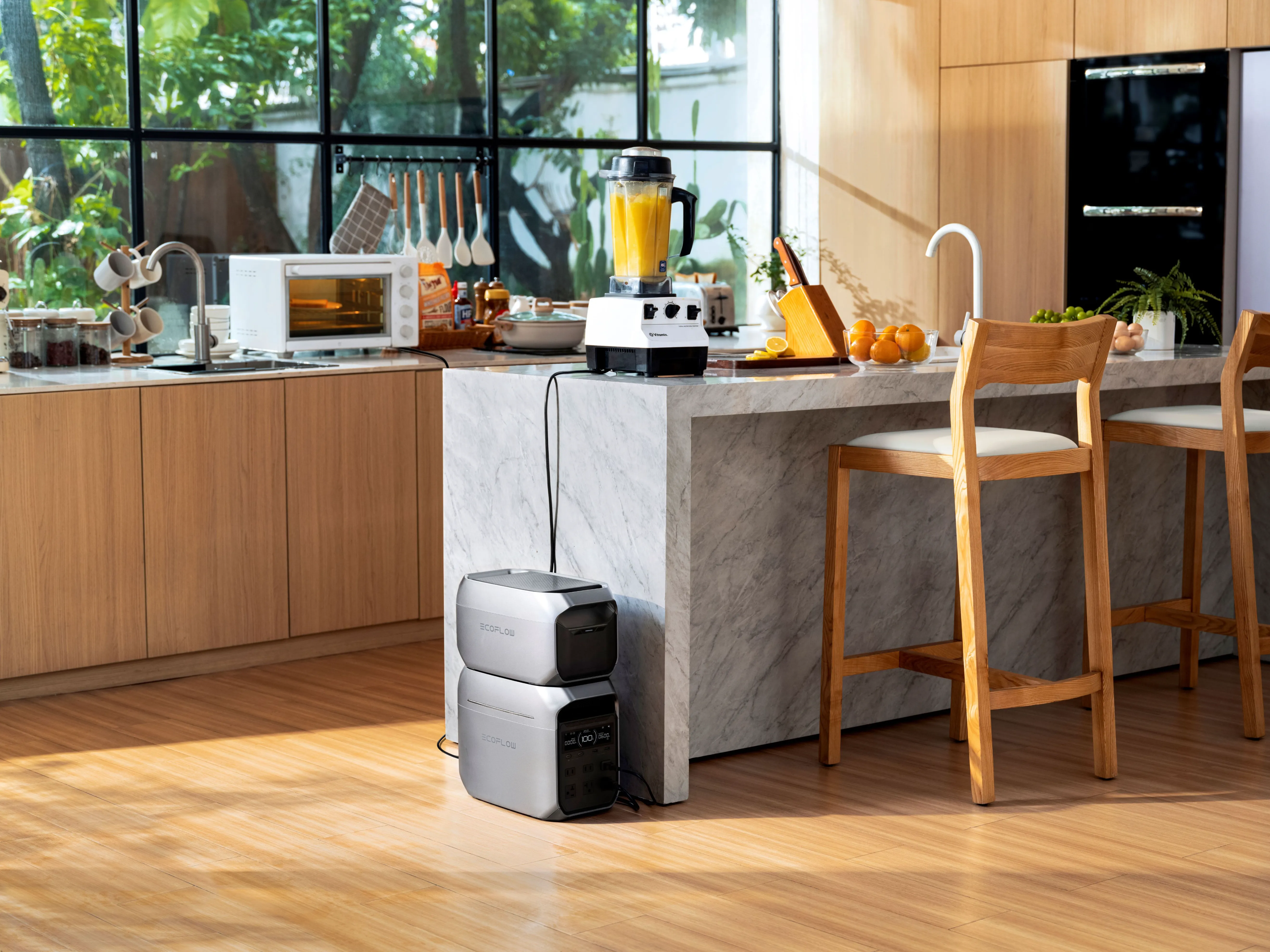
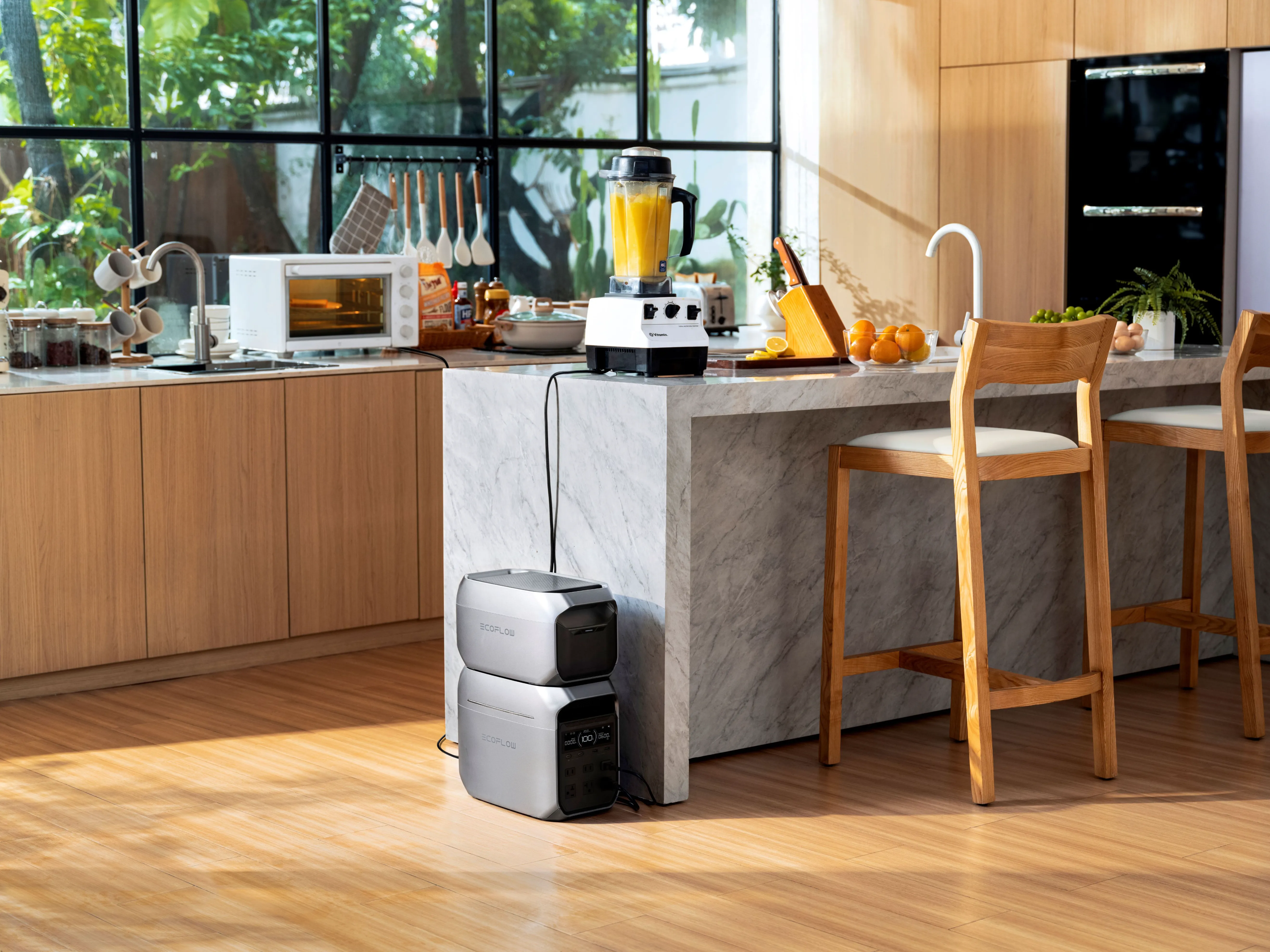
Modern house battery backup systems offer a quieter, cleaner, and far safer alternative. For example, the EcoFlow DELTA 3 Plus Portable Power Station delivers reliable backup power without combustion or fumes. Its UL certified fire retardant casing and multiple built in safety protections help reduce electrical and fire risks, while eliminating carbon monoxide concerns entirely. For families facing winter outages, this type of system offers reassurance without the operational hazards of fuel based generators.
2. Using Portable Power Stations Safely Indoors
Unlike gas generators, portable power stations are designed for safe indoor operation. They provide instant access to electricity without ventilation concerns, making them well suited for apartments, condos, and single family homes alike.
The EcoFlow DELTA 2 Portable Power Station uses LiFePO4 (LFP) battery chemistry, known for its high thermal stability and long lifespan. This allows the unit to remain plugged in for standby use or operate under sustained loads with a lower risk of overheating. For keeping essentials like refrigerators, routers, medical devices, or sump pumps running, this battery design adds an extra layer of household safety.
3. Preparing for Seasonal Power Outages
Preparation makes the difference between inconvenience and real risk during an outage. Having a clear plan in place helps reduce stress and prevents unsafe decisions made in the moment.
Have a Plan: Know where your backup power system is stored, how to start it, and which devices you’ll prioritize, such as heating equipment, lighting, medical devices, and communication tools.
Charge Management: For battery systems, ensure they’re fully charged ahead of forecasted storms or extreme cold, when outages are more likely to occur.
4. Maintaining Backup Systems and Batteries
A home battery backup is only useful if it works when needed. Routine checks help ensure reliability and safety. With thoughtful planning and regular maintenance, emergency power systems can provide dependable protection when Canada’s weather puts the grid to the test.
Check Charge Levels: Periodically verify battery charge levels and follow the manufacturer’s recommendations for long-term storage or standby use.
Visual Inspection: Inspect cables, ports, and connections for signs of wear, corrosion, or damage, especially after extended use or seasonal storage.
10 Safety Precautions When Using Electricity
Beyond managing circuits and power strips, these ten essential precautions should become part of your everyday habits. Small, consistent actions go a long way in maintaining a safe electrical environment at home.
1. Avoid Overloading Outlets and Circuits
Never use “octopus” connections, multiple plugs crammed into a single outlet. If you regularly run out of outlets, it’s a sign your home needs additional, properly wired receptacles installed by a licensed electrician.
2. Use Certified and Quality Extension Cords
Never use “octopus” connections, multiple plugs crammed into a single outlet. If you regularly run out of outlets, it’s a sign your home needs additional, properly wired receptacles installed by a licensed electrician.
3. Keep Water Away From Electrical Devices
Water and electricity are a dangerous mix. Be especially cautious in bathrooms, kitchens, basements, and outdoor areas, where moisture can quickly turn a minor mistake into a serious shock hazard.
4. Inspect Cords and Plugs Regularly for Damage
Look for frayed insulation, exposed wires, or loose plugs. Never tape over damage as a “temporary fix”, replace the cord entirely to prevent sparks or overheating.
5. Turn Off Appliances When Not in Use
Unplugging small appliances like toasters, hair dryers, and chargers reduces both energy waste and fire risk. Many electrical fires start in devices that were left plugged in and forgotten.
6. Install Ground Fault Circuit Interrupters (GFCIs)
GFCIs are critical anywhere water is present, including washrooms, kitchens, garages, and outdoor outlets. They shut off power instantly when a fault is detected, significantly reducing shock risk.
7. Educate Children About Electrical Hazards
Teach children early that outlets, cords, and appliances are not toys. Simple rules, like never inserting objects into outlets, can prevent serious injuries.
8. Avoid DIY Repairs Without Proper Knowledge
Electrical work is more complex than it looks. In Canada, most electrical repairs require permits and must meet code, making licensed professionals the safest option.
9. Maintain Safe Distances From Power Lines
When using ladders, trimming trees, or doing roof work, always check for overhead power lines. Even indirect contact can result in severe injury or death.
10. Use Backup Power Safely During Outages
Portable power stations should be used according to manufacturer guidelines and kept unobstructed. Fuel generators must always stay outdoors, far from windows and doors, to prevent carbon monoxide buildup.
More Education and Community Resources for Electrical Safety
Knowledge really is power when it comes to electricity. Staying informed about local regulations, safety standards, and educational resources can make a meaningful difference in how well your home is protected. Canada has a strong network of public agencies and utilities dedicated to reducing electrical risks through education and prevention.
1. Electrical Safety Authority Ontario Programs and Guidelines
The Electrical Safety Authority (ESA) in Ontario is one of the most trusted sources for electrical safety information in Canada. In addition to administering the Ontario Electrical Safety Code, the ESA licenses electrical contractors and runs public awareness campaigns aimed at homeowners. Their online resources include clear homeowner guides, permit explanations, and tools to help you verify whether an electrician is properly licensed. Even outside Ontario, the ESA’s guidance closely aligns with national best practices and is widely applicable across provinces.
2. Online Tools and Safety Apps for Home Electricity
Many provincial utilities and safety regulators provide practical online tools designed for everyday homeowners. These include circuit load calculators, renovation safety checklists, and step by step guides for identifying common electrical risks. Using these tools before a renovation or when adding new appliances can help prevent overloads and code violations.
3. Teaching Children and Teens About Electrical Safety
Electrical safety education shouldn’t stop with adults. Making it an ongoing conversation at home helps children develop safe habits early on. Many Canadian utilities offer age appropriate videos, games, and lesson plans that explain electrical risks in a way younger audiences can understand. These resources are especially useful for teaching teens about outdoor hazards like power lines and extension cord misuse.
4. Staying Informed About Local Electrical Hazards
Subscribing to alerts from your local power utility is an easy but often overlooked safety step. These alerts can warn you about planned outages, severe weather events, and emergency situations affecting electrical infrastructure. Utilities also use these channels to share seasonal safety reminders, such as winter heating risks or carbon monoxide awareness during storm-related power outages.
Conclusion
Electrical safety is an ongoing responsibility for every Canadian homeowner, not a one time checklist. By understanding common hazards, following proven safety practices, and choosing reliable backup power solutions, you reduce everyday risks and prepare for unexpected situations. From managing extension cords and outlets to planning ahead for the next major winter storm or summer outage, small, informed decisions add up. When electrical safety is treated as part of regular home maintenance, your house stays not only functional, but genuinely safe and comfortable throughout the year.
FAQ
1. What are the main electrical hazards at work?
The most common electrical hazards in workplaces include contact with live electrical parts, which can result in shock or electrocution, as well as faulty or aging wiring that increases the risk of fire. Overloaded circuits, damaged extension cords, and improper use of temporary power setups are also frequent causes of incidents. In industrial and construction settings, exposure often increases during maintenance or equipment upgrades. Following CSA standards, proper grounding practices, and Lockout/Tagout procedures is essential to reducing these risks and protecting workers.
2. How deep are underground power lines buried?
The required burial depth for underground electrical lines varies depending on the province, the type of cable, and whether conduit is used, all of which are governed by the Canadian Electrical Code (CEC). In many residential areas, direct buried electrical cables must be installed at a minimum depth of around 600 mm (24 inches), particularly in colder regions like the Prairies where frost penetration is deeper. Lines installed in conduit or under non traffic areas may have different requirements. Before any digging, always contact your local utility and use services like Click Before You Dig to avoid serious injury or costly damage.
3. Is it safe to use a battery backup inside?
Yes, modern battery backup systems and portable power stations are designed to be safe for indoor use. Unlike gasoline or propane generators, they produce no exhaust fumes, carbon monoxide, or harmful emissions, making them suitable for use inside homes, condos, and apartments. They also operate quietly and typically include built in safety features such as overload protection, temperature monitoring, and automatic shut-offs. When choosing a home battery backup system, these features ensure reliability and safety, especially for powering essential devices like medical equipment, routers, and lighting during outages.
4. What should you do during an electrical shock emergency?
First, do not touch the person if they are still in contact with the electrical source, as you could become part of the circuit. If it is safe to do so, immediately shut off the power at the breaker panel or disconnect the source. If that’s not possible, use a dry, non-conductive object such as a wooden broom handle or plastic tool to separate the person from the source. Call 911 right away, even if the person seems responsive. If they are not breathing or have no pulse and you are trained, begin CPR until emergency services arrive.