Canada Greener Homes Programs Are Closed in 2026: Here Are Your Best Alternatives by Province
- What Actually Closed in 2026 and What Homeowners Can Still Access
- Best Alternatives by Province: Rebates, Utility Programs, and Local Top-Ups
- How Today’s Incentives Really Work: Rebates vs Financing vs Net Metering
- How to Choose the Right Solar and Backup Plan in a “Thinner Incentive” Era
- Smart Home Backup Options When Grants Disappear
- Frequently Asked Questions
- Find the Best Program in Your Province and Build a More Resilient Home Energy Setup
With both the Canada Greener Homes Grant and Greener Homes Loan now closed to new applications, you might be wondering whether federal support for home energy upgrades has disappeared entirely. It hasn't, but what's available to you now depends heavily on where you live.
Here's a province-by-province breakdown of the rebates, financing programs, and net metering options still on the table in 2026.
What Actually Closed in 2026 and What Homeowners Can Still Access
In 2026, both the Canada Greener Homes Grant and the Canada Greener Homes Loan closed and aren’t open to any further applications. However, existing loan borrowers get to keep their 0% interest financing, up to $40,000.
While these programs were a major source of federal assistance for installing renewable energy systems, there are still federal options available.
For example, the Canada Greener Homes Affordability Program is still in place, and it helps low-to-median income homeowners and tenants update their homes to reduce their monthly energy bills.
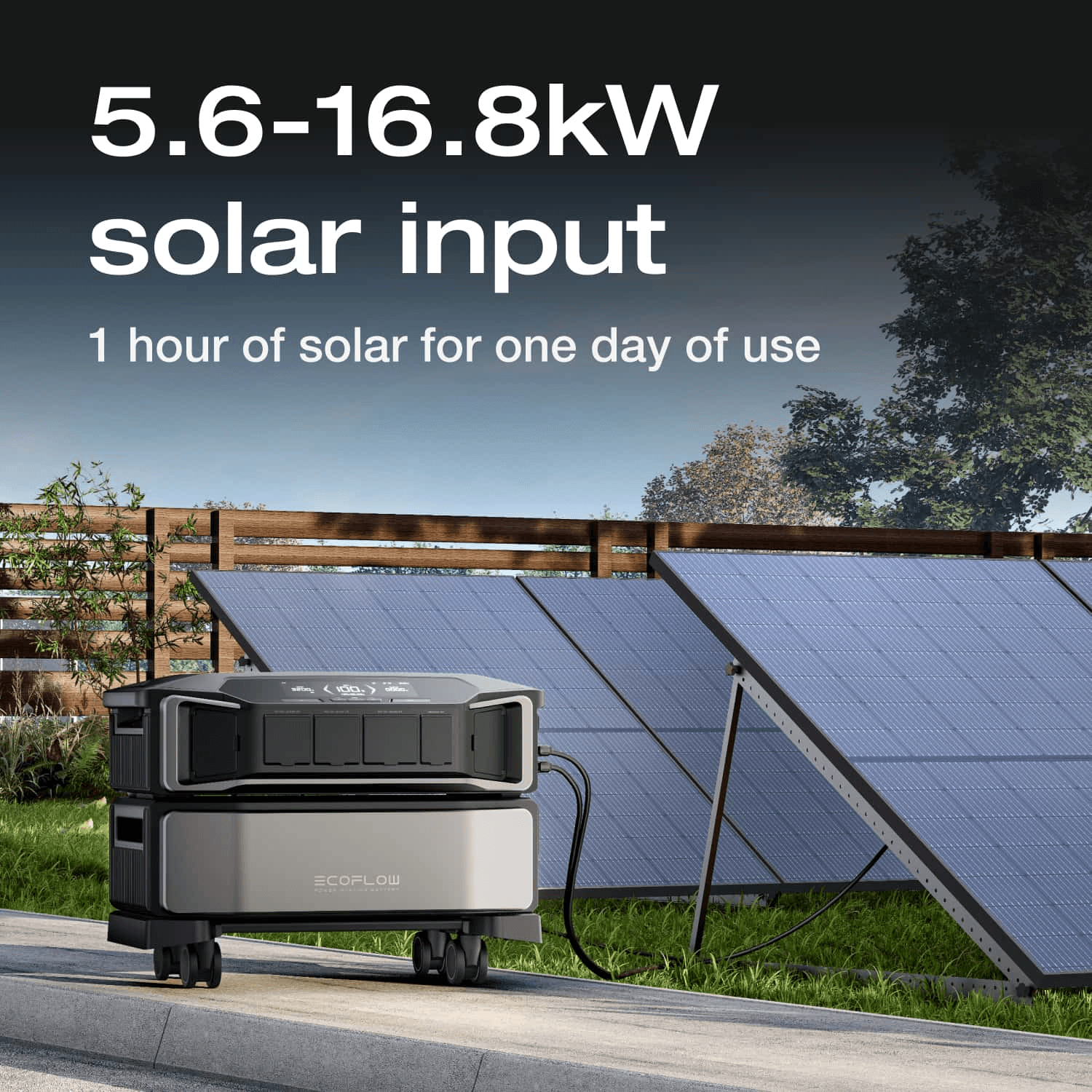
Also, in addition to this federal incentive, there are plenty of provincial benefits to take advantage of. These help you reduce your electricity bills, borrow money more affordably, or get upfront cash that you can use to reinvest in other ways to make your home more eco-friendly, such as buying the EcoFlow DELTA Pro Ultra.
Best Alternatives by Province: Rebates, Utility Programs, and Local Top-Ups
While many of the federal options have closed or become more restrictive, there are thankfully still several provincial solar power rebates, utility programs, and other benefits for Canadians to take advantage of.
British Columbia | BC Hydro offers up to $5,000 for solar and up to $5,000 for batteries, and the province also gives a 7% PST exemption on solar equipment to help make costs more digestible. |
Alberta | While there are no provincial grants in Alberta, there are several municipal grants available. Also, the Clean Energy Improvement Program (CEIP) lets you finance up to $50,000 worth of eligible upgrades. |
Saskatchewan | SaskPower also has a net metering program that lets customers receive credits at $0.075/kWh, and some cities in the province also offer their own programs. |
Manitoba | Manitoba Hydro offers a Home Energy Efficiency Loan for up to $20,000, while Efficiency Manitoba gives a solar rebate of $0.50/W, up to $5,000. |
Ontario | Ontario has the Home Renovations Savings Program (HRSP), which offers up to $5,000 for solar and $5,000 for batteries. The province also provides net metering, but you may need to choose between this net metering and the HRSP. |
Quebec | Hydro-Québec just launched a new program in 2026, which offers a rebate of $1,000/kW of solar capacity and covers up to 40% of eligible costs. |
New Brunswick | NB Power offers a net metering program that credits excess solar energy at the full retail rate, which is currently $0.15/kWh. |
Nova Scotia | Many municipalities offer 0% or low-rate financing for purchases, and Nova Scotia provides net metering, with credits at $0.18/kWh. |
Prince Edward Island | While PEI’s Solar Electric Rebate Program is on pause for now, the province also offers net metering with tiered rates, which are ~$0.14/kWh for the first 2,000 kWh, and ~$0.11/kWh beyond that. |
Newfoundland | Newfoundland Power offers a net metering program that gives credits to solar system owners based on seasonal rates. |
Yukon | Yukon offers a renewable energy rebate for up to $5,000 for residential systems. |
Northwest Territories | The Northwest Territories is home to Arctic Energy Alliance rebates of $4/W up to $20,000, plus a net metering program. |
Nunavut | Residents can get a direct rebate of up to 50% of their costs, with a maximum of $30,000 through the Nunavut Renewable Energy Homeowner Grant Program. |
How Today’s Incentives Really Work: Rebates vs Financing vs Net Metering
To decide which of the clean energy and solar incentives are right for you, it’s important to know how they work. Rebates are generally up-front payments, or tax credits, meant to offset the upfront costs of purchasing and installing solar or other renewable energy systems.
Clean energy financing is when you get low or no-interest loans to help you affordably pay off your renewable energy system over time. Some of these may be like a traditional loan or line of credit, while others might tie directly to your property tax payments.
Finally, net metering is an arrangement that gives you credits for the amount of unused energy you generate that gets sent back to the grid. This generally requires a bidirectional meter that tracks exactly how much excess power you send back to the grid. These credits reduce your electricity bills going forward.
How to Choose the Right Solar and Backup Plan in a “Thinner Incentive” Era
With incentives being thinner than in the past, it's important to have the right solar and backup plan in place.
Start by choosing a system that matches your needs and budget. If your priority is powering essential devices during an outage, a smaller portable setup may be sufficient. If you want to cover your whole home or run high-draw appliances, you'll need a higher-capacity system. The right balance between capacity and cost will depend on your situation.
Next, take time to optimize your power load. If you run high-draw appliances when it's sunny, you're drawing on your own generated power rather than purchasing from the grid. Load shifting like this also helps you avoid peak demand charges, which typically occur on weekday evenings when demand spikes.
Finally, factor in the rebates and incentives still available in your area, as they can meaningfully change the maths on what system makes sense for your budget.
Smart Home Backup Options When Grants Disappear
Whether you want to be prepared for winter storm outages or just have a buffer for the next time your local grid is under stress, finding the right backup solution matters.
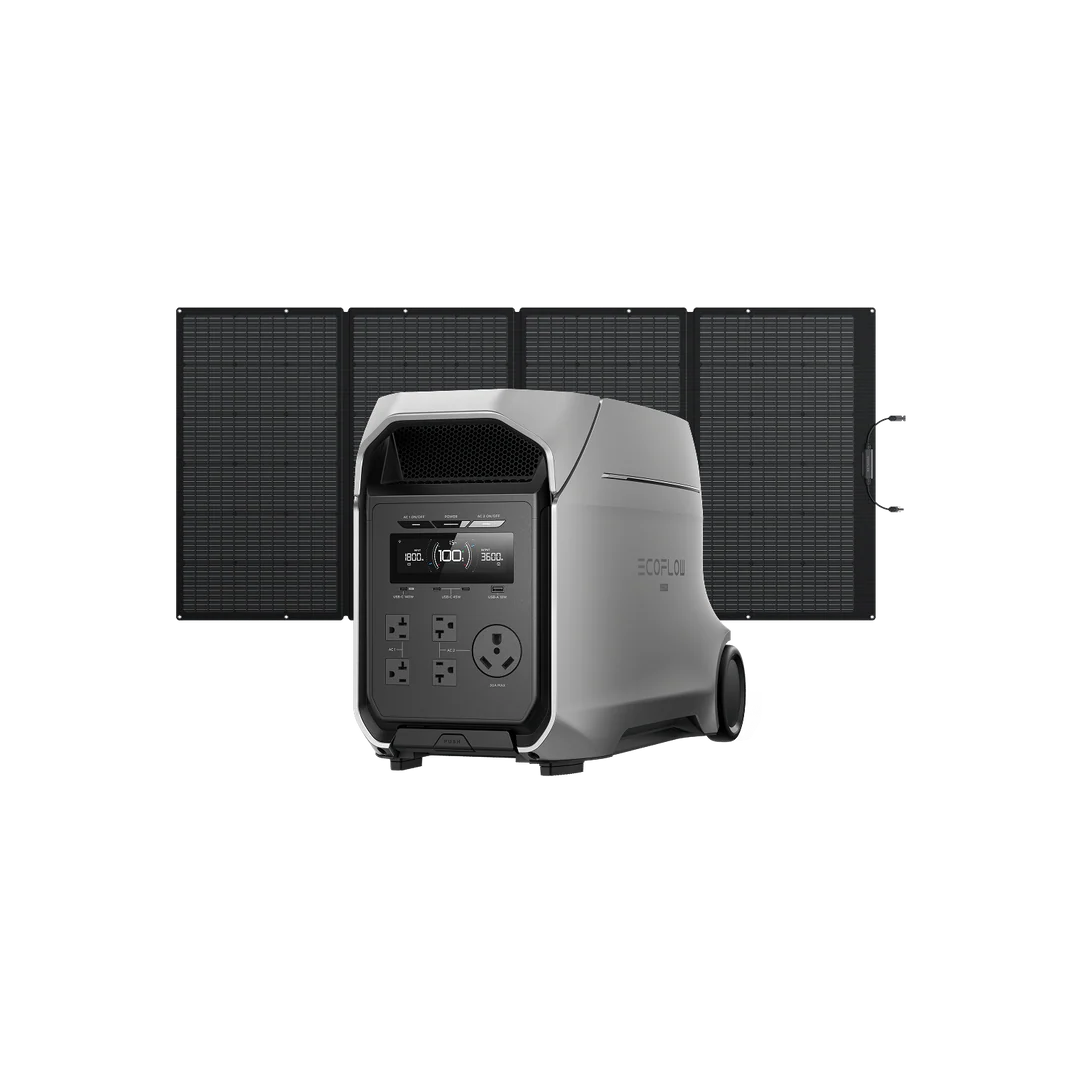
For essential device backup (e.g., laptops, lights, a refrigerator) a portable solar generator like the EcoFlow DELTA 3 Ultra Plus + 400W Solar Panel offers a lower-cost entry point with solar recharging built in. For whole-home coverage, you'll need a higher-capacity system that can handle larger loads.
The right choice depends on your budget, available space, how much of your home you want to cover, and, if you're in a colder part of Canada, how the system performs in freezing temperatures.
Frequently Asked Questions
Are the Canada Greener Homes Programs Fully Closed in 2026, Or Are Any Replacements Available?
Both the grant and loan are fully closed in 2026, but there’s a replacement program called the Canada Greener Homes Affordability Program (CGHAP), aimed at low-to-median income homeowners. There are also provincial rebates and incentives, depending on where you are.
Can Existing Greener Homes Loan Borrowers Keep Their 0% Terms Up to $40,000?
Yes, existing borrowers continue under their original 0% terms up to $40,000.
Which Provinces Have the Strongest Solar Incentives in 2026?
Some provinces that offer the best solar incentives in 2026 include British Columbia and Ontario.
How Does Net Metering Affect Savings If I Don’t Get a Rebate?
Net metering impacts your savings as it essentially lets you bank the excess electricity your panels produce and use it as a credit on your bill in the future.
Find the Best Program in Your Province and Build a More Resilient Home Energy Setup
While the Greener Homes grant and loan no longer exist, the provincial programs covered above can still make a meaningful difference to your upfront costs. Pair the right incentive with the right system: EcoFlow's whole home backup power solutions are worth exploring if you're weighing your options.