Canada Boat Safety Checklist: What to Check Before a Day on the Lake
- Pre-Departure Vessel Inspection for Boating Safety on a Lake Trip
- Essential Safety Gear and Legal Requirements for Boating Safety on Lakes
- Navigation Weather Awareness and Lake Conditions for Safe Boat Trip Planning
- Responsible Behavior and Alcohol Safety on the Water
- Shore Preparation and Equipment Management for Cottage Lake Trips
- Stay Prepared for Every Lake Trip
- Frequently Asked Questions
Boating safety matters before every lake outing. A careful check reduces risk during a boat trip and keeps everyone prepared for changing water conditions. Following a practical boating safety checklist helps you prepare equipment, understand the weather, and ensure a smooth day on the lake with fewer surprises and better confidence on the water for all passengers.
Pre-Departure Vessel Inspection for Boating Safety on a Lake Trip
A proper inspection before leaving the dock sets the foundation for boating safety. It helps prevent avoidable issues once you are already on the water.
Start with the hull. Look for cracks, soft spots, or any visible damage that could compromise stability during the boat trip.
After that, shift attention to the engine area. Confirm there are no loose parts and no signs of fuel or oil issues.
Next, review fuel level and battery condition together. Ensure you have enough fuel not just for the planned route but also for unexpected detours or return delays. Running out of fuel on a remote Canadian lake can turn a pleasant cottage day into a serious safety situation.
Once the core systems are confirmed, move to the deck. Make sure loose items are secured. Objects shifting during navigation can create distractions or even hazards in rougher water.
Finally, take a brief second pass through the main points. This quick review helps confirm everything is in place and reduces the chance of oversight.
Essential Safety Gear and Legal Requirements for Boating Safety on Lakes
Safety equipment plays a central role in boating safety, especially when conditions change unexpectedly on a lake. Proper preparation should always be treated as a basic part of responsible boating rather than an optional step.
Life Jackets and Personal Flotation Devices
Life jackets should be available for every passenger and properly fitted. A life jacket should match the user's size, weight, and activity type, and it should be fastened correctly before departure. Children require specially sized life jackets with additional flotation and secure straps. Never use adult-sized jackets on children, as they can slip off in the water. For families bringing pets on cottage lake trips, consider pet-specific flotation devices, especially for dogs not accustomed to swimming or breeds with short legs and heavy bodies.
Communication and Signaling Tools
Signaling tools help attract attention if communication becomes difficult during a boat trip. Whistles, waterproof flashlights, and flares can help rescuers locate passengers more quickly. A fully charged mobile phone or marine radio improves communication, but electronic devices should not be the only safety method because batteries can fail or signal coverage may be limited on remote lakes.
First Aid and Emergency Medical Supplies
A well-stocked first aid kit is essential for any boat trip. The kit should include adhesive bandages, gauze pads, antiseptic wipes, pain relievers, antihistamines, tweezers, scissors, and any prescription medications passengers may need. Include treatment supplies for common boating injuries such as cuts from fishing hooks, sunburn relief cream, motion sickness medication, and cold packs. For families with children, add child-safe medications and extra supplies for minor scrapes. Keep the first aid kit in an accessible, clearly marked location that all passengers know about.
Lighting Equipment for Safety
Proper lighting extends boating safety beyond daylight hours. Navigation lights are legally required when operating between sunset and sunrise. Carry backup flashlights with extra batteries, headlamps for hands-free operation, and a spotlight for scanning the water ahead. During summer cottage season in Canada, long daylight hours can create a false sense of security, but conditions can change quickly and return trips may extend into dusk.
Documentation and Legal Compliance
Required documents such as registration papers and permits should be stored in a waterproof pouch. Boaters should confirm whether local laws require operator licenses, boating safety certificates, or proof of insurance. Carrying emergency contact information and a written float plan can support a faster response if assistance is needed.

Navigation Weather Awareness and Lake Conditions for Safe Boat Trip Planning
Weather and water conditions directly affect boating safety, so checking them before departure is essential.
Understanding Weather Patterns
Wind strength and direction can shift quickly on lakes, affecting stability and steering. Strong wind can create choppy waves and increase the chance of capsizing smaller boats. Darkening skies, falling temperatures, increasing wind, or distant thunder are warning signs that boaters should take seriously. If thunderstorms are forecast, it is safer to postpone the trip or return to shore early, because lightning is a major danger on open water.
Water Conditions and Visibility
Water conditions such as wave height and visibility should be reviewed. Even on lakes, waves can become large enough to affect balance and control, especially for canoes, kayaks, and small fishing boats. Reduced visibility from fog, rain, or darkness can make it harder to see buoys, rocks, or other boats. Water temperature is another important factor. Cold water can cause shock and hypothermia much faster than many people expect, even when the air feels warm.
Route Planning and Return Preparation
Route planning helps reduce uncertainty. Before departure, boaters should identify launch points, shallow areas, restricted zones, and emergency exit locations. Carrying a lake map or GPS device can be helpful, but boaters should also understand basic landmarks in case electronic tools fail. Sharing the planned route and expected return time with someone on shore is a practical safety measure, especially for longer trips or less crowded lakes.
A clear return plan should include estimated arrival time, alternative routes if weather changes, and designated check-in points. Inform someone at your cottage or marina about your departure time, planned route, number of passengers, and expected return. This person should know when to contact authorities if you do not return as scheduled. Update them if plans change during the trip.
Responsible Behavior and Alcohol Safety on the Water
Safe boating extends beyond equipment and weather awareness. Responsible behavior protects everyone on board and other lake users.
Alcohol and Boating Laws
Operating a boat while impaired is illegal in Canada and carries serious penalties similar to impaired driving. Alcohol affects balance, coordination, judgment, and reaction time, all of which are critical for safe boat operation. The combination of sun exposure, wind, waves, and engine noise amplifies alcohol's effects, making impairment occur faster and more severely on the water than on land.
Many cottage gatherings include social drinking, but the boat operator must remain completely sober. Designate a sober operator before departure, just as you would designate a driver. Save alcoholic beverages for after the boat is securely docked and all passengers are safely ashore.
Supervision for Children and Pets
Children require constant supervision on boats. Assign a responsible adult to watch young children at all times, separate from the person operating the boat. Teach children basic water safety rules before the trip, including staying seated while the boat is moving and keeping hands and feet inside the vessel. Establish clear boundaries and enforce life jacket rules without exception.
Pets also need supervision and preparation. Not all dogs are natural swimmers, and even strong swimmers can panic in open water. Secure pets with leashes or harnesses to prevent them from jumping overboard unexpectedly. Bring fresh water and a bowl to keep pets hydrated. Provide shade and rest breaks, since animals overheat quickly in direct sun.
Shore Preparation and Equipment Management for Cottage Lake Trips
Proper preparation begins before you even step onto the boat. Managing equipment at the dock or cottage ensures everything stays functional and ready when needed.
Keeping Essential Devices Dry and Powered
Electronic devices require protection from water damage. In addition to protecting devices from water exposure, keeping a reliable backup power source at the cottage or dock can help maintain communication readiness after returning from a lake trip.
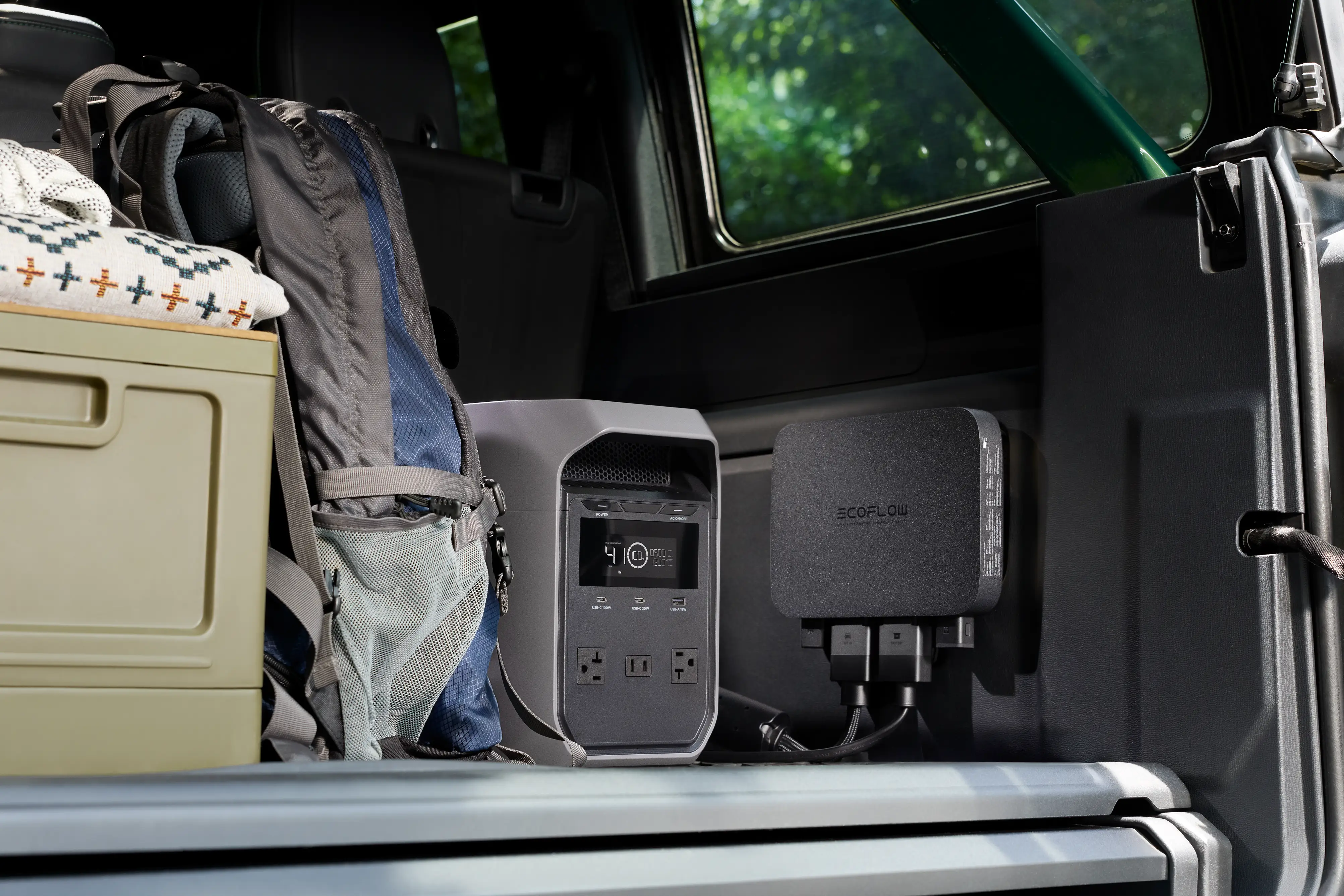
A portable power station like EcoFlow Delta 3 Classic can help keep essential devices running at the dock or cottage. Keep it in a dry location to charge phones, power lights, run a small cooler for food and beverages, and maintain emergency communication devices before and after your boat trip. This approach keeps sensitive equipment protected from water exposure while ensuring you have reliable power for trip preparation and post-trip activities.
Dock Organization and Safety Checks
Organize gear at the dock systematically. Separate items by priority: safety equipment first, navigation tools second, comfort items last. Check that all equipment remains dry and functional before transferring it to the boat. Inspect dock conditions as part of your safety routine. Secure the boat properly to the dock with appropriate lines. Ensure children and pets board carefully with assistance, as the transition from dock to boat presents a common point for accidents.
Stay Prepared for Every Lake Trip
Boating safety depends on preparation, awareness, and consistent attention before and during every outing. A clear checklist reduces risks and helps create a smoother boat trip experience for everyone on board. Weather awareness, proper equipment, responsible behavior, and reliable communication all work together to improve safety on the water. Careful planning before departure leads to more confident decisions during the trip, supporting safer and more enjoyable lake travel overall.
Frequently Asked Questions
Q1: What Should Be Checked First for Boating Safety Before a Boat Trip?
Usually, the hull, life jackets, and fuel level should be inspected first because they directly affect stability and safety during departure. After that, checking communication tools and navigation equipment helps confirm readiness for a boat trip on the lake.
Q2: Are Life Jackets Required for Every Passenger on a Boat Trip?
Yes, life jackets are required for each passenger under Canadian regulations because they provide essential protection in unexpected water conditions. Children and pets need properly fitted flotation devices, and carrying extras is recommended for cottage lake trips.
Q3: How Important Is Checking the Weather Before a Boat Trip on Lakes?
Very important, weather checks are essential because wind and sudden changes can quickly affect lake conditions. Reviewing forecasts helps reduce risk and supports safer navigation during the boat trip, especially during summer storm season.
Q4: Can You Drink Alcohol While Operating a Boat in Canada?
No, operating a boat while impaired is illegal in Canada and carries serious penalties. Alcohol affects judgment and coordination more severely on water, so the boat operator must remain completely sober throughout the trip.
Q5: What Should a First Aid Kit Include for a Boat Trip?
Typically, a boat first aid kit should include bandages, antiseptic wipes, pain relievers, motion sickness medication, sunburn treatment, tweezers, scissors, and any personal prescription medications. Waterproof packaging protects contents, and child-safe supplies matter for family trips.