Camping in Canadian Rockies? Here's What to Know
- Where the Canadian Rockies Are in Canada
- National Parks and Protected Areas in the Canadian Rockies
- Nearby Cities and Towns Around the Canadian Rockies
- Highest Peaks in the Canadian Rockies
- Climate and Weather in the Canadian Rockies
- How the Canadian Rockies Were Formed
- How to Plan Canadian Rockies Camping
- What to Pack for a Canadian Rockies Camping Trip
- Safety, Wildlife, and Campground Etiquette
- Best Times to Camp in the Canadian Rockies
- A Simple Canadian Rockies Camping Route
- Make Your Canadian Rockies Camping Trip Worth the Drive
- FAQs
- Disclaimer
The Canadian Rockies are one of Canada’s best places for mountain camping, but the trip works best when you plan early. Campsites can book fast, weather changes quickly, and park rules matter. A good route, proper layers, wildlife awareness, and realistic driving times can make your Canadian Rockies camping trip safer, smoother, and far more enjoyable.
Where the Canadian Rockies Are in Canada
Before you plan a tent site or RV stop, it helps to know the area you are actually entering. The Canadian Rockies stretch through western Canada, mainly along the border of Alberta and British Columbia.
They are part of the larger Rocky Mountain system, but the Canadian section has its own travel rhythm. Most first-time visitors enter through Alberta, then move west or north through mountain parks, lake areas, and scenic highways.
Main Location
So, where are the Canadian Rockies? They sit in western Canada, with many well-known destinations in Alberta and British Columbia. Banff, Lake Louise, Jasper, Yoho, Kootenay, and Mount Robson are all part of the broader Canadian Rockies experience.
For Canadian travellers, Calgary is one of the most common entry points. Edmonton can also work well for Jasper. Travellers from British Columbia may come through Golden, Field, Radium Hot Springs, or Valemount.
Why the Area Feels So Large
The Canadian Rockies are not one single park. They include national parks, provincial parks, protected areas, towns, highways, backcountry routes, and small communities. A two-hour drive on a map may take longer because of mountain roads, wildlife crossings, photo stops, construction, or weather.
That scale matters for camping. A campsite near Banff does not mean you are close to Jasper. A campground near Lake Louise may not be convenient for Yoho if you plan a relaxed trip. Pick your base by the places you want to see most.
National Parks and Protected Areas in the Canadian Rockies
Once you know the location, the next question is usually about parks. Many of the most visited places in the Canadian Rockies are protected, which helps preserve the lakes, glaciers, forests, wildlife corridors, and alpine landscapes.
UNESCO lists the Canadian Rocky Mountain Parks as Banff, Jasper, Kootenay, and Yoho national parks, together with Mount Robson, Mount Assiniboine, and Hamber provincial parks. These areas are recognized for mountain scenery, glaciers, canyons, lakes, waterfalls, and fossil sites.
Key Protected Areas
| Area | Province | Best Known For |
| Banff National Park | Alberta | Lakes, mountain towns, scenic drives, accessible campgrounds |
| Jasper National Park | Alberta | Wildlife, dark skies, large wilderness areas |
| Yoho National Park | British Columbia | Waterfalls, Emerald Lake, dramatic rock walls |
| Kootenay National Park | British Columbia | Hot springs, canyons, forested valleys |
| Mount Robson Provincial Park | British Columbia | The highest peak in the Canadian Rockies |
| Mount Assiniboine Provincial Park | British Columbia | Remote alpine scenery and backcountry trips |
| Hamber Provincial Park | British Columbia | Remote wilderness and conservation value |
This table gives a simple view, but each area has different camping rules. Some frontcountry campgrounds allow RVs. Some backcountry sites need reservations. Some areas may have seasonal closures.
National Park Rules
National parks in Canada usually require a park pass. Camping also needs a separate reservation or permit. Fires may be restricted during dry periods. Pets must be controlled. Food storage rules are strict because bears, elk, coyotes, and smaller animals can become dangerous when they learn to seek human food.
For Canadian Rockies camping, rules are part of the trip. They are not just formal details. They protect both visitors and wildlife.
Nearby Cities and Towns Around the Canadian Rockies
After parks, the next practical question is where to start. The towns near the Canadian Rockies can shape your budget, driving time, campsite options, and food planning.
Some towns sit inside or near national parks. Others are gateway communities outside the busiest areas. A smart route often uses a mix of both.
Main Gateway Cities
Calgary is the most common gateway for Banff and Lake Louise. It has a major airport, rental vehicles, grocery stores, outdoor supplies, and easy highway access.
Edmonton works well for Jasper, especially for travellers coming from northern or central Alberta. It is farther from Banff but useful for a Jasper-first route.
Vancouver can also be part of a longer road trip, though the drive to the Rockies is much longer. Many travellers from British Columbia break the trip in towns such as Kamloops, Revelstoke, Golden, or Valemount.
Mountain Towns
Banff is convenient, scenic, and busy. It offers services, restaurants, transit, and access to many classic viewpoints.
Lake Louise is smaller and closer to major lake and hiking areas. Campsites and parking can be competitive in peak months.
Jasper has a calmer feel than Banff in many seasons, though it is still popular. It works well for wildlife viewing, the Icefields Parkway, and longer camping stays.
Field, Golden, Radium Hot Springs, Canmore, Hinton, and Valemount can also work as bases. These towns may offer more flexibility, especially when national park campgrounds are full.
Highest Peaks in the Canadian Rockies
The Canadian Rockies are famous for sharp ridges and high summits. Most visitors will not climb the highest peaks, but the mountains shape the weather, roads, rivers, trails, and views.
Mount Robson is widely recognized as the highest peak in the Canadian Rockies. BC Geographical Names identifies it as the highest mountain in the Canadian Rockies and the second highest mountain entirely within British Columbia.
Famous High Peaks
| Peak | Approximate Elevation | Province |
| Mount Robson | 3,954 m | British Columbia |
| Mount Columbia | 3,747 m | Alberta |
| North Twin Peak | 3,730 m | Alberta |
| Mount Alberta | 3,619 m | Alberta |
| Mount Assiniboine | 3,618 m | British Columbia |
These peaks are serious alpine terrain. They are not casual hikes. For most campers, the best way to enjoy them is from viewpoints, valley trails, scenic highways, and lakeside stops.
What Peaks Mean for Campers
High mountains create quick weather shifts. A warm afternoon can turn cool by evening. Wind can pick up near lakes and passes. Snow can remain at higher elevations even when towns feel summery.
That is why camping here requires layers. A summer trip still needs a warm jacket, rain shell, dry socks, and a sleep system rated for cool nights.
Climate and Weather in the Canadian Rockies
Now that the landscape is clear, the camping question becomes more practical. What will the weather feel like?
The Canadian Rockies have a mountain climate. Conditions vary by elevation, season, valley, and exposure. Summer is the most popular time because days are longer and many outdoor activities are available, but that also brings crowds and higher demand for campsites.
Summer
Summer usually brings the easiest camping conditions. July and August are the busiest months. Days can be warm, but nights may still feel cool. Afternoon storms can happen, especially around higher terrain.
Book early. Pack for rain. Keep a flexible plan for hikes and scenic drives.
Spring and Fall
Spring can be muddy, snowy, or surprisingly pleasant. Some campgrounds open later because of snowpack or maintenance. Trails at higher elevation may remain unsafe or wet.
Fall can be beautiful, with cooler nights and fewer crowds. September often feels calmer than mid-summer. By October, many services and campgrounds reduce operations.
Winter
Winter camping in the Canadian Rockies is possible in some areas, but it requires proper gear and experience. Cold temperatures, icy roads, avalanche terrain, and shorter daylight can add risk.
For most casual campers, winter is better suited to cabins, town stays, or day trips unless they have winter camping skills.
How the Canadian Rockies Were Formed
The landscape looks dramatic because it has been shaped over a very long period. The Canadian Rockies formed through pressure, uplift, folding, faulting, and erosion.
A geology summary notes that the Canadian Rockies and nearby foothills developed as a thrust-and-fold belt linked with the Laramide Orogeny. In simple terms, layers of rock were pushed, folded, lifted, and later carved by ice and water.
Rock Layers
Many visible cliffs contain old sedimentary rocks. These rocks were once layers of material laid down in ancient environments. Over time, pressure and movement pushed them into mountain forms.
That is why some cliffs look stacked, tilted, or banded.
Ice and Water
Glaciers carved valleys, sharpened ridges, and left behind lakes, moraines, and wide U-shaped valleys. UNESCO also highlights glacial processes, including ice fields, remnant valley glaciers, canyons, erosion, and deposition, as part of the area’s physical importance.
For campers, this geology shows up everywhere. Turquoise lakes, steep valley walls, waterfalls, and gravel river flats all tell part of the story.
How to Plan Canadian Rockies Camping
Once the background is clear, camping becomes much easier to plan. The best approach is to match your campsite style with your comfort level, route, vehicle, and season.
Canadian Rockies camping can mean a serviced RV site, a simple tent pad, a walk-in site, or a backcountry campsite. Each one has a different level of access.
Frontcountry Camping
Frontcountry campgrounds are the easiest choice for most visitors. You can usually drive to your site. Some have toilets, potable water, fire pits, sani-dumps, showers, or electrical hookups, depending on the campground.
These sites are good for families, new campers, RV travellers, and short trips.
Backcountry Camping
Backcountry camping is more remote. You usually hike, paddle, or ride to a designated site. You need a permit, proper gear, food storage knowledge, navigation skills, and a clear plan.
This style can be rewarding, but it is not the best first step for visitors who are new to mountain camping.
RV Camping
RV camping is popular in the Canadian Rockies, but not every road, site, or campground fits larger vehicles. Check site length, hookup type, generator rules, dump station access, and road restrictions before you reserve.
Some scenic roads also have steep grades or tight parking. A smaller setup may feel easier in busy areas.
What to Pack for a Canadian Rockies Camping Trip
Packing well can prevent many common problems. The weather can change fast, and stores may not be close once you enter mountain parks.
A basic packing plan should cover warmth, rain, food safety, lighting, and simple repairs.
Clothing
Bring layers rather than one heavy item. A base layer, fleece or insulated jacket, rain shell, toque, and warm socks can make chilly nights much easier.
Avoid relying only on summer clothes. Even in July, early mornings can feel cold near lakes or higher campgrounds.
Camp Gear
Useful items include:
Tent with rainfly
Sleeping bag rated for cool nights
Sleeping pad
Headlamp or lantern
Stove and fuel
Water container
Food storage bins
First aid kit
Map or downloaded offline route
Bear spray where allowed and appropriate
Trash bags
A dry campsite feels much better after rain. Use waterproof bags or bins for clothing, bedding, and food.
Camp Power
A small power plan is useful if you camp for several nights, work from the road, use camera gear, or need to keep phones charged for maps and weather updates. Some frontcountry sites have electrical hookups, but many basic sites do not.
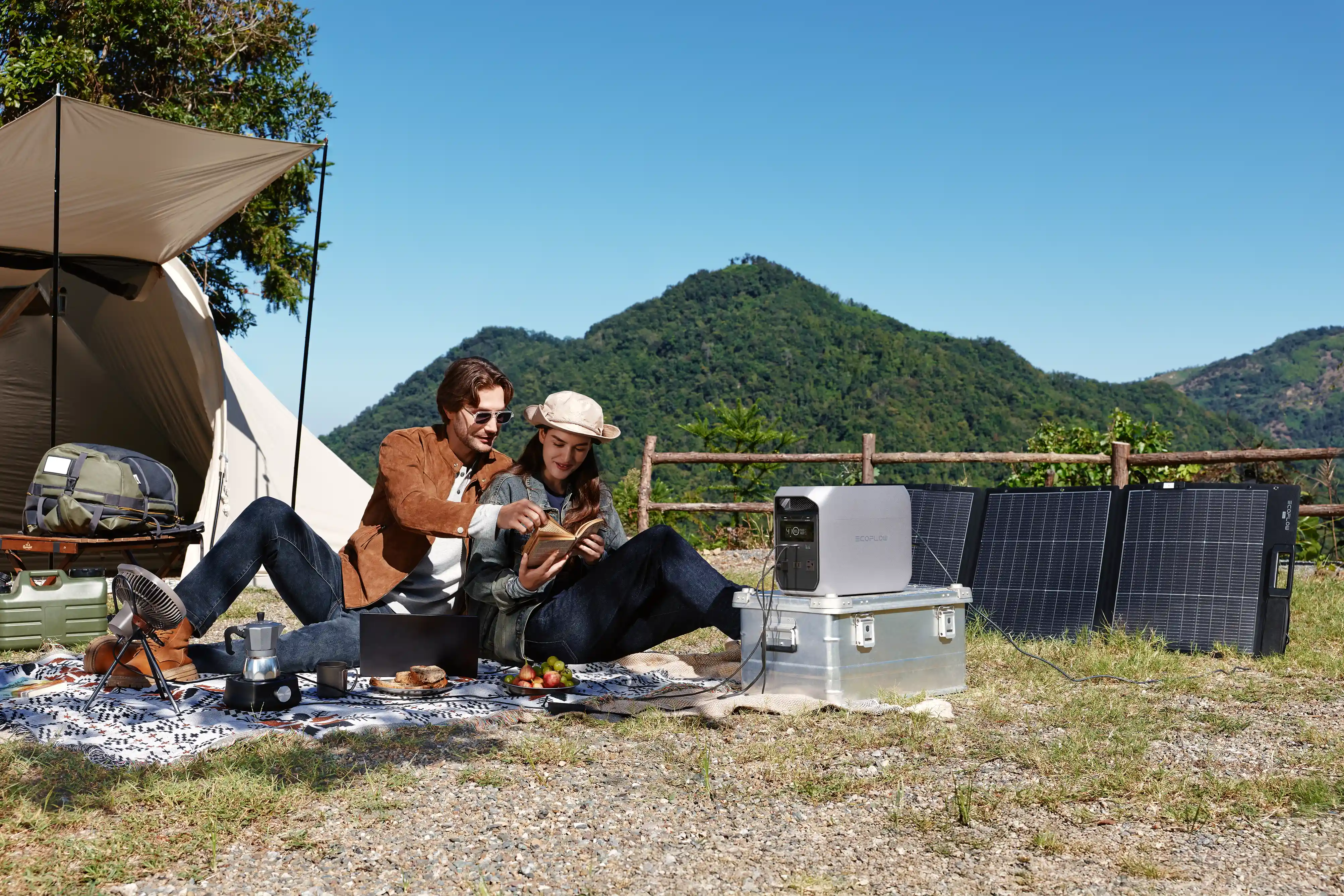
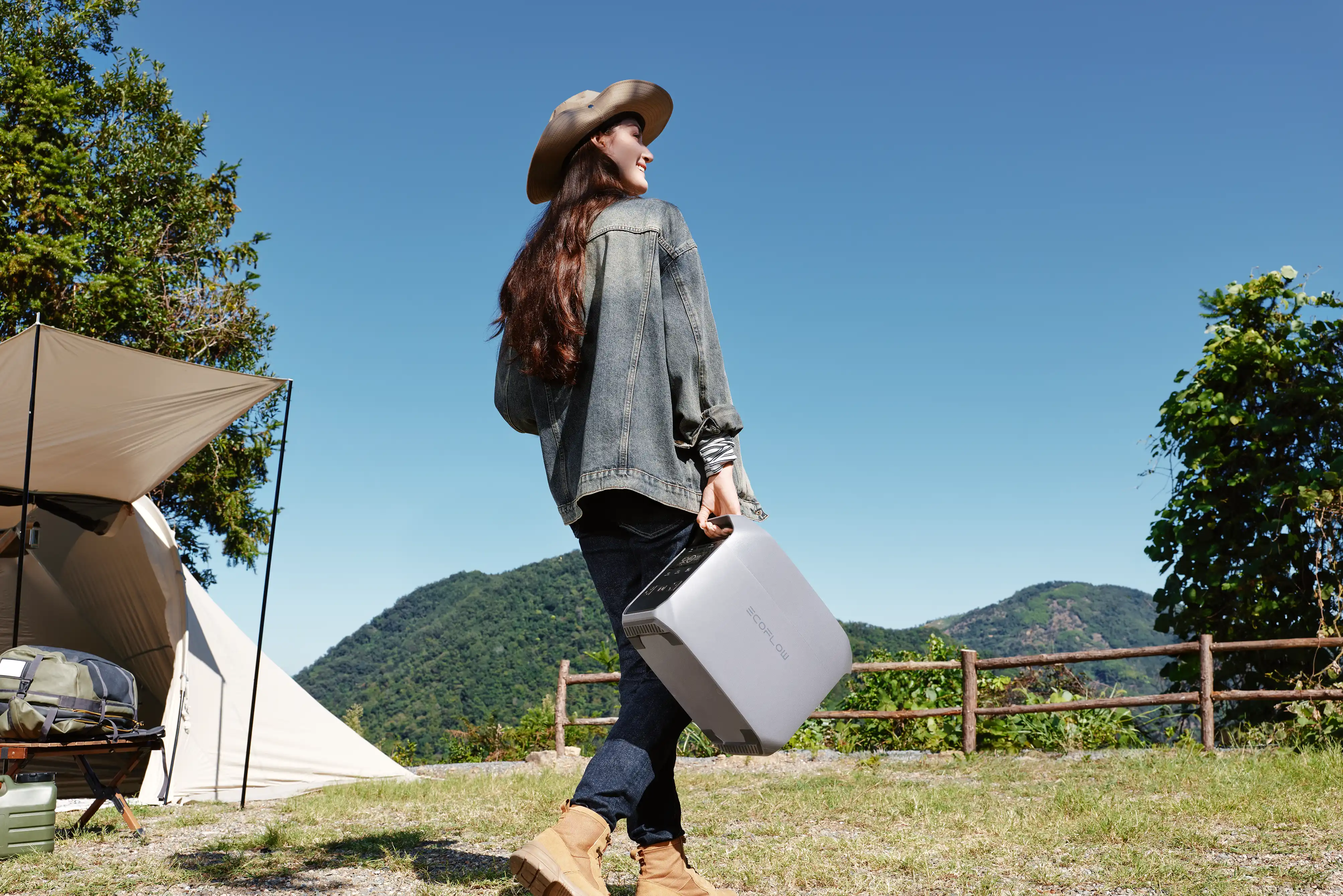
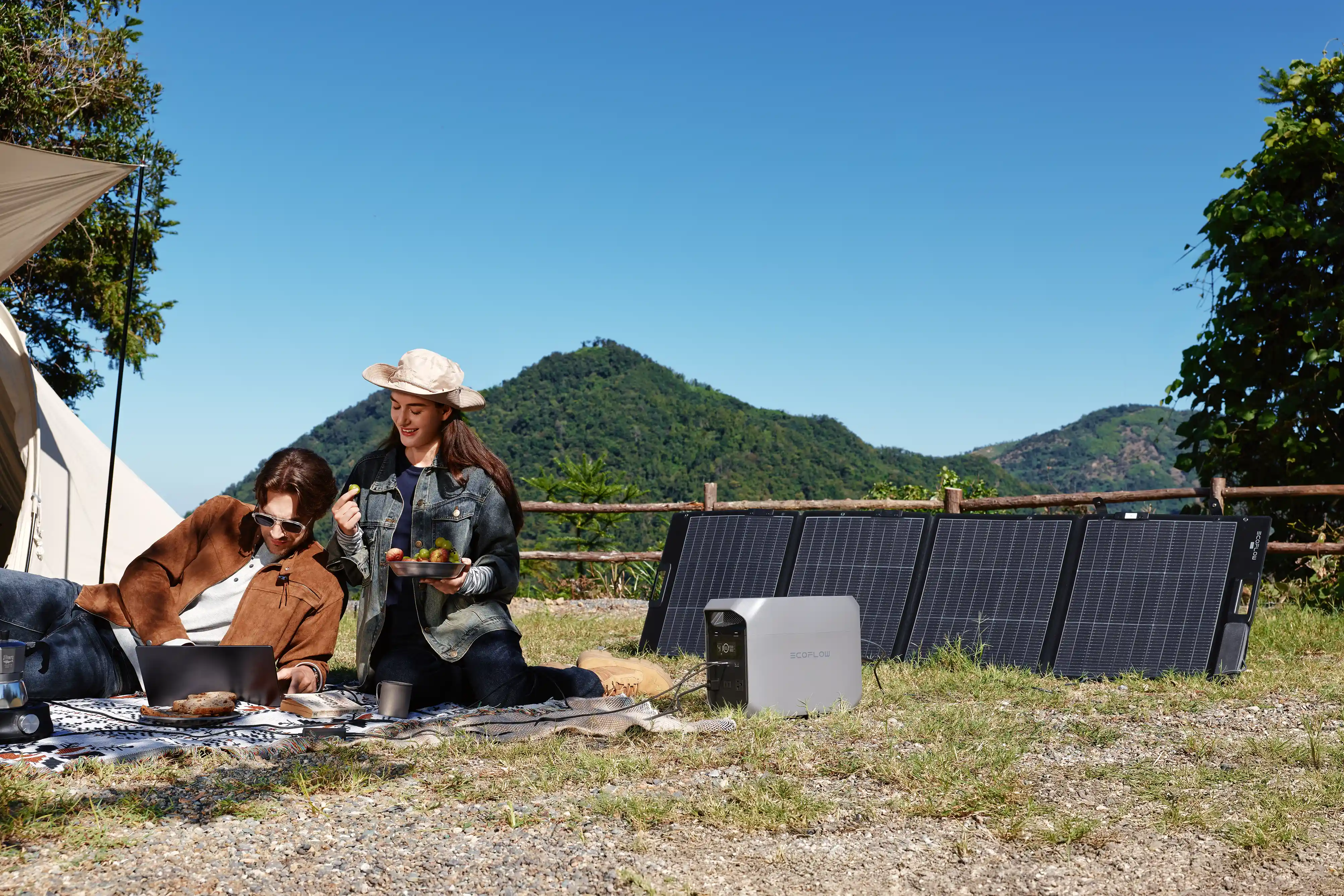
For campers who want a portable backup option, the EcoFlow DELTA 3 Classic (1024Wh) can fit this kind of trip well. It has a 1024Wh capacity and 1800W output, which can help power common campsite essentials such as phones, lights, laptops, small cooking devices, or a portable cooler when used within safe limits. It also supports solar input, which can be helpful on longer stays where charging access is limited.
Use any portable power station with care. Keep it dry, avoid running high-draw devices inside a tent, and check campground rules before using charging equipment or solar panels. Power helps, but quiet hours, fire safety, and wildlife rules still come first.
Food Planning
Mountain towns can be busy and expensive. Buy most groceries before entering the parks if you want to save time.
Keep meals simple. Pasta, rice bowls, oatmeal, wraps, soup, and ready-to-cook vegetables are practical. Store food, scented items, pet food, and garbage properly at all times.
Safety, Wildlife, and Campground Etiquette
The Canadian Rockies are wild even when a campground feels developed. Wildlife may pass near roads, trails, picnic areas, and campsites.
Respectful habits make the trip safer for everyone.
Wildlife Safety
Never feed wildlife. Keep distance from elk, deer, bears, coyotes, sheep, and goats. Use zoom for photos. Stay especially alert during dawn and dusk.
Bear safety matters. Make noise on trails, travel in groups when possible, carry bear spray where appropriate, and know how to use it before your trip.
Food Storage
Store all food and scented items inside a hard-sided vehicle, approved locker, or other allowed storage method. This includes toothpaste, sunscreen, coolers, cooking oil, dishcloths, and pet bowls.
A clean campsite protects future campers too.
Quiet Hours
Campgrounds are shared spaces. Keep music low, respect quiet hours, dim bright lights, and control pets. Many visitors come for peace, dark skies, and natural sound.
Best Times to Camp in the Canadian Rockies
The best time depends on your priorities. Warm weather, open facilities, lower crowds, or cheaper stays may not all happen at once.
For First-Time Campers
Late June through early September is usually the easiest window. More services are open, roads are generally easier, and long daylight helps with setup.
This is also the busiest period. Reservations matter.
For Fewer Crowds
September can be a strong choice. Days are shorter and nights are colder, but many areas remain beautiful. Some campgrounds may close or reduce services, so check dates carefully.
For Lower-Cost Trips
Shoulder seasons can reduce pressure on lodging and campsites, but savings depend on location and timing. A campground outside the busiest park zones may also help.
A Simple Canadian Rockies Camping Route
A first trip does not need to cover everything. A slower route often feels better than a packed itinerary.
Here is a simple Canada-friendly route for a one-week trip.
| Day | Area | Main Focus |
| 1 | Calgary to Banff or Canmore | Arrival, groceries, short walk |
| 2 | Banff Area | Lakes, viewpoints, town services |
| 3 | Lake Louise Area | Early lake visit, nearby trails |
| 4 | Yoho Area | Waterfalls, Emerald Lake, Field |
| 5 | Icefields Parkway | Scenic stops, glacier views |
| 6 | Jasper Area | Wildlife, lakes, relaxed camping |
| 7 | Return via Edmonton or Calgary | Flexible drive day |
This route keeps the trip clear. It also gives you room to change plans if weather, smoke, construction, or campground availability affects the schedule.
Make Your Canadian Rockies Camping Trip Worth the Drive
The Canadian Rockies reward campers who plan early, pack for changing weather, and keep the route realistic. Start with the parks, towns, climate, and campsite type that fit your group. Then leave space for slow mornings, lake stops, and quiet evenings. A well-planned trip can feel simple, scenic, and deeply Canadian.
FAQs
Q1: Where are the Canadian Rockies located?
They are in western Canada, mainly along the Alberta and British Columbia border. The best-known areas include Banff, Lake Louise, Jasper, Yoho, Kootenay, and Mount Robson.
Q2: What is the best month to camp in the Canadian Rockies?
July is usually the easiest month for warm weather and open services. It is also very busy, so June, August, and September may suit travellers who want a different balance of access and crowds.
Q3: Do you need reservations for Canadian Rockies camping?
Yes, reservations are strongly recommended for popular frontcountry campgrounds. Some sites may allow first-come options, but availability can be limited during peak travel periods.
Q4: Are the Canadian Rockies good for beginner campers?
Yes, beginner campers can do well in frontcountry campgrounds with vehicle access and basic facilities. New campers should avoid remote backcountry trips until they have stronger mountain safety skills.
Q5: Can you see wildlife while camping in the Canadian Rockies?
Yes, wildlife sightings are possible, especially near dawn, dusk, roads, meadows, and quiet forest edges. Keep distance, never feed animals, and store food properly at camp.
Disclaimer
This article is for general trip-planning and educational purposes only. Campground availability, reservation rules, fire bans, trail access, wildlife advisories, road conditions, and park fees may change by season or due to weather, maintenance, or safety concerns. Before planning Canadian Rockies camping, always check the latest official information from Parks Canada, the Parks Canada Reservation Service, and relevant provincial park authorities such as BC Parks. For Banff camping details, Parks Canada lists current campground rules and reservation notes on its official camping page.