Best Camping Gear for Beginners: Essential Outdoor Power Solutions for Your First Trip
- What Camping Gear Do Beginners Really Need?
- Which Camping Essentials Matter Most for Your First Trip?
- Shelter and Sleeping Equipment
- What Common Camping Mistakes Should Beginners Avoid?
- How Do You Choose the Right Outdoor Power Solution for Beginners?
- Consider Durability and Weather Resistance
- How Can the Right Power Setup Improve Your First Camping Experience?
- Conclusion
- FAQ
It is such an exciting adventure to plan for a camping trip, especially for a country like Canada. As the country bears such vast geographic landmass with varying weather conditions, and to pack for all is definitely an undeniable task. The key is to only focus on what’s essential, such as shelter, warmth, food, and clothing. This guide covers the importance. It gives you a clear checklist for gear to bring, walks you through typical weather conditions at Parks Canada sites, points out common mistakes that beginners often make, and looks at portable power options, all so your first night outdoors is comfortable, safe, and genuinely enjoyable.
What Camping Gear Do Beginners Really Need?
Heading out for your first weekend in the Canadian outdoors doesn't mean you need to empty the shelves at the local gear shop. When deciding what to take with you camping, the goal is to put together a solid base of gear that keeps you warm, dry, and fed, without hauling everything but the kitchen sink.
Start with the Essential Camping Checklist
Focusing on core camping essentials for beginners will make your journey hassle-free and enjoyable. You want to make sure once you are on your way, there will not be any moments of panic due to some left behind essential items. Things you will need the most and are the most basic, such as shelter, warmth, cooking, and gear that can guard your safety. On a plus side, a shorter and more concentrated list will give you extra space for other things.
Choose Gear Based on Your Camping Style
Where you're staying changes what you need to bring. Car camping at a frontcountry site, whether it's Algonquin Provincial Park or Banff National Park, lets you pack heavier, bulkier gear like large air mattresses, full-sized stoves, and portable power stations. Backcountry trips are a different story. Matching your gear to your destination saves you money and cuts down on unnecessary work.
Prioritize Safety and Comfort First
Staying warm and dry can turn a decent trip into a great one, especially when Canadian evenings cool off faster than you'd expect. Leaving your sleeping pads or tents behind means you will probably spend your nights in the cold and shiver. Well rested nights are the most important when you are driving on the road or attending other activities during the trip.
Which Camping Essentials Matter Most for Your First Trip?
Packing for a trip can be fun, but at the same time can be overwhelming. It is easy to get distracted by flashy outdoor gadgets, but focusing on the true essentials makes packing far more manageable. But knowing what actually matters, and what's just extra weight, is what makes packing manageable. Here's what's worth bringing along.
Shelter and Sleeping Equipment
A solid three-season tent and a sleeping bag rated for cooler temperatures are your first line of defence. One essential item you shouldn’t forget is the sleeping pad. It keeps you off the cold ground and gives you all a good night's sleep. If there are two of you, a three-person tent gives you that extra bit of room to keep your gear inside without tripping over them.
Cooking and Food Storage Gear
A basic propane or butane stove takes the hassle out of morning coffee and hot meals. For the kitchen, pack a compact cookset, basic utensils, a solid cooler, and either enough water or a filter to get more. Keep food sealed in dry bags or use the bear-proof bins at your site, either way, make sure food smells stay away from where you sleep.
Clothing for Canada's Changing Weather
Weather can change fast. You might go from sunny to shivering in a few hours. Layering is your best defence. A moisture-wicking base layer against your skin, something warm in the middle like fleece, and a waterproof shell on top. Leave cotton at home. It holds moisture and takes forever to dry.
Lighting and Basic Safety Supplies
When the sun sets, you will want to have your hands free. A headlamp is essential for keeping your hands free around camp after dark. Also bring a first-aid kit should be on your priority list as well, bug spray, sunscreen, and a multi tool for quick equipment tweaks should also be on your list.
| Gear Category | Essential Items for Beginners | Pro Canadian Tip |
|---|---|---|
| Shelter & Sleep | 3-Season Tent, Sleeping Bag (0°C to -5°C rated), Insulated Pad | Always use a tent footprint/tarp underneath to block ground moisture. |
| Camp Kitchen | 2-Burner Stove, Propane, Cookset, Cooler, Water Container | Lock food in your vehicle trunk at night to deter curious wildlife. |
| Clothing | Synthetic Base Layers, Fleece Jacket, Waterproof Rain Shell | Pack extra wool socks; wet feet ruin a campsite quickly |
| Power & Light | LED Headlamps, Lantern, Portable Power Station | Cold nights drain batteries faster, keep power units inside the tent. |
What Common Camping Mistakes Should Beginners Avoid?
You would think experienced campers never had bad camping trips, but it is not true, they always have stories to tell about their early camping trips. They also had to figure out ways to avoid cold meals, failed gear, or any other headaches which could have been prevented.
Pack Too Much or Too Little
Packing the right things for your camping trip comes with experiences, after a couple of not-so-well prepared trips will gain you the confidence for later. However, the rule of the thumb is to find the fine balance between packing light and packing right. Just bear in mind that bringing too much makes your site messy and pack-up is a chore. Bringing too little can leave you shivering or hungry before the weekend’s over. A straightforward camping checklist is your best defence against both extremes.
Forget to Test Equipment Before Leaving
Setting up a brand-new tent for the first time in the dark and rain is a guaranteed bad experience. Set it up at home first, in the yard or even the living room. Fire up your stove too, make sure the gas works, the igniter clicks, and everything is in place. It is always a good idea to test it out before you are heading out for your trip, you might find surprises such as a missing tent peg, or another missing key part.
Underestimate Weather and Battery Needs
Mountain weather changes dramatically fast. A sunny day could turn into a rainy and wet day before you are ready for it. During a camping trip, most campers use their phones for navigation, photos, or lighting, which is a lot of power consumption on a single device. This is the time when you need to think about your backup power plan, you wouldn’t want to deal with a drained cell phone at a pitch dark campsite.
Ignore Campsite Rules and Leave No Trace Principles
Park rules exist for a reason, they keep wild places healthy and enjoyable for everyone. Keep noise down during quiet hours, follow fire bans to the letter, and take all your trash with you when you leave. Storing food properly isn't just about keeping raccoons at bay, it protects wildlife and keeps your camp safe.
How Do You Choose the Right Outdoor Power Solution for Beginners?
Not that long ago, keeping your devices charged while camping meant running a loud generator or draining your car battery. Portable power stations have changed that: they're quieter, simpler, and easier to use.
Choose a Compact Power Station for Weekend Camping
If you're new to camping or just heading out for a weekend overnight, you don't need anything complicated. Most of the time, you just want to charge your phone, keep camp lights on, maybe power a camera or a small appliance. A lightweight, easy-to-use portable power station is more than enough to get the job done.
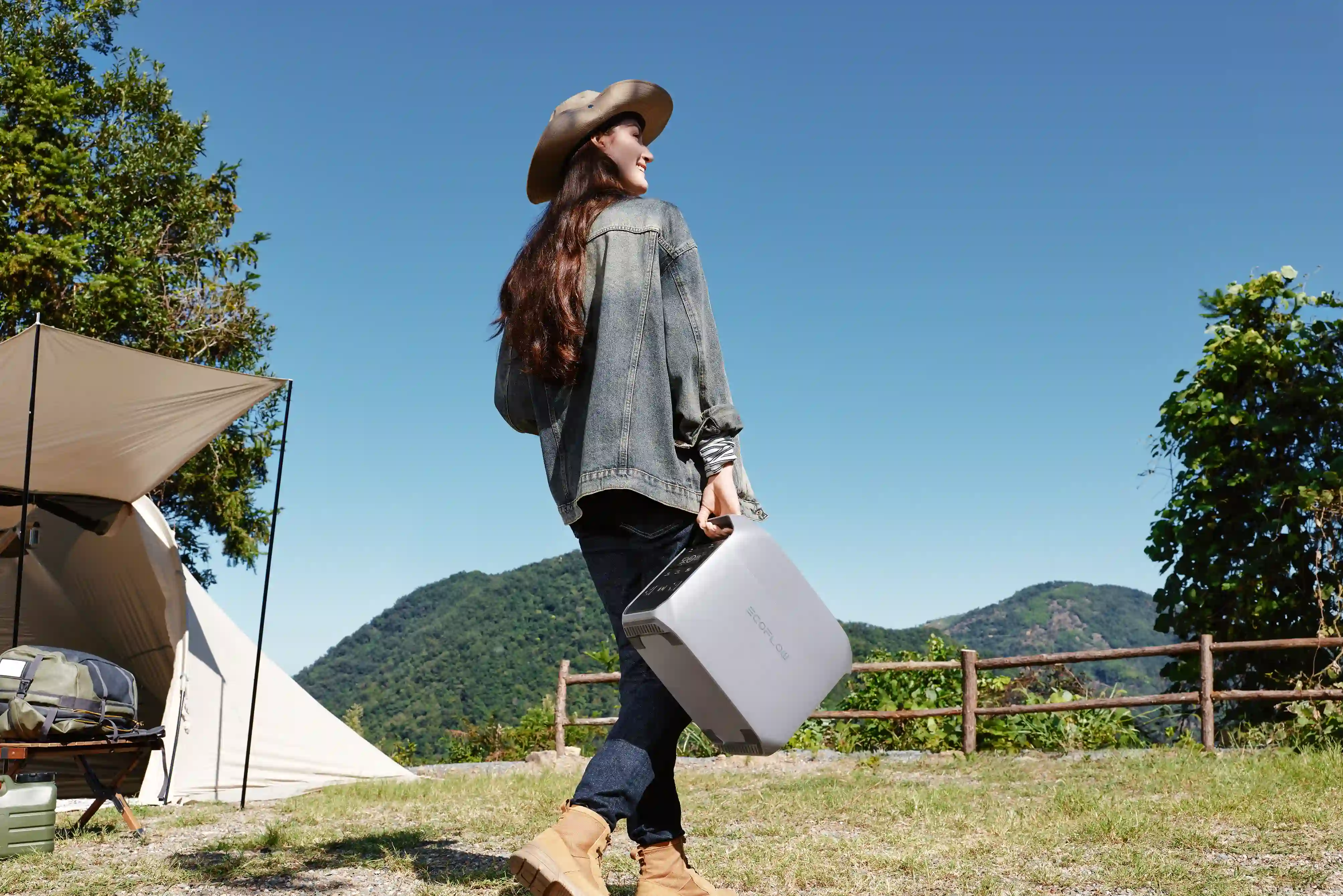
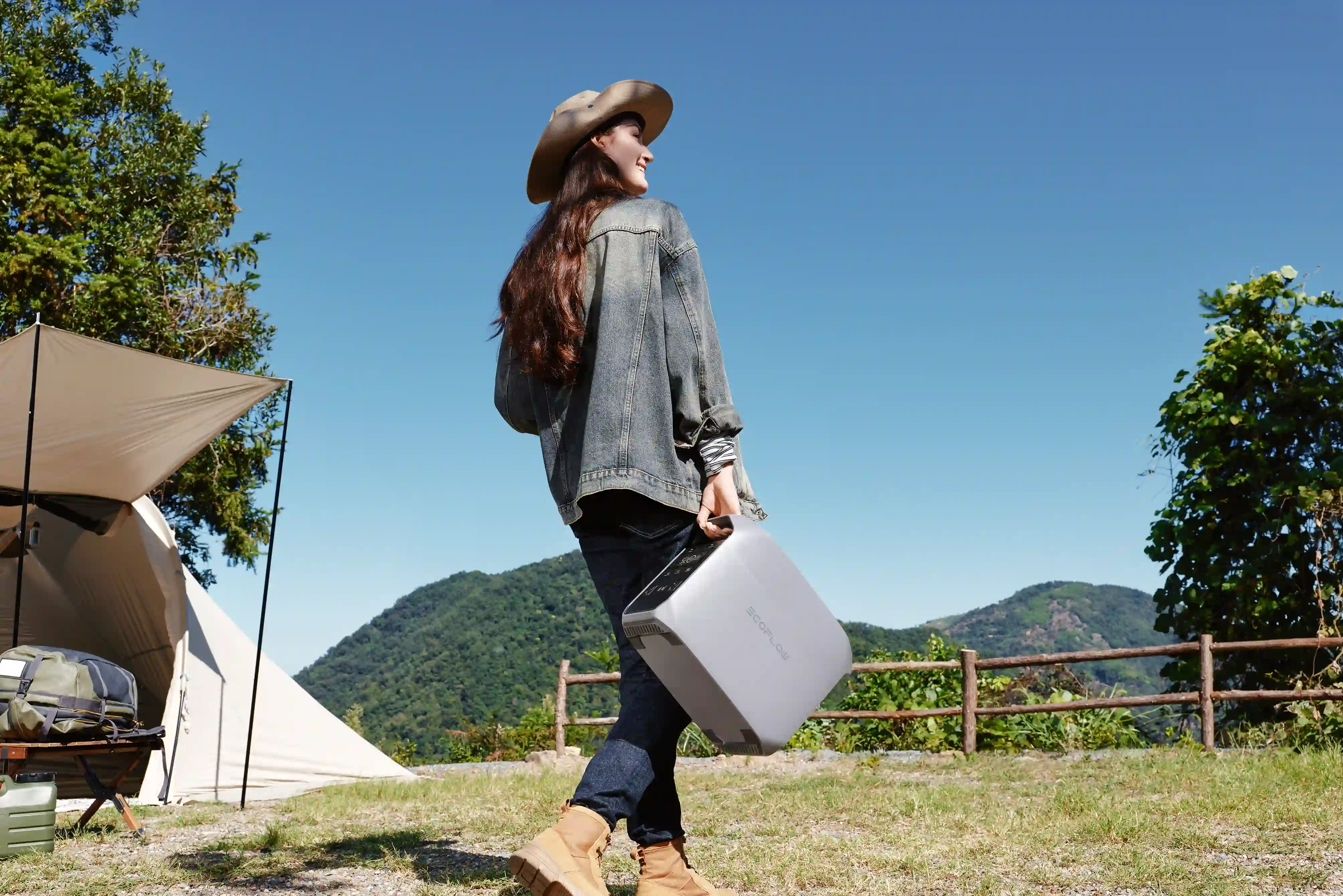
The EcoFlow DELTA 3 Classic Portable Power Station is a solid example. It's designed for weekend trips and short family getaways, with simple operation right from the start. You don't need any experience with power stations to use it, just plug in and go. A compact power station handles all of that with room to spare. It fits easily in the car, doesn't take up much space, and gives you enough power to get through the weekend.
Upgrade to Higher Capacity for Extended Camping Trips
For longer trips, three days or more, or if you're camping with the family and want to run things like a portable fridge, an electric blanket, or a coffee maker, you'll want a power station with more capacity.
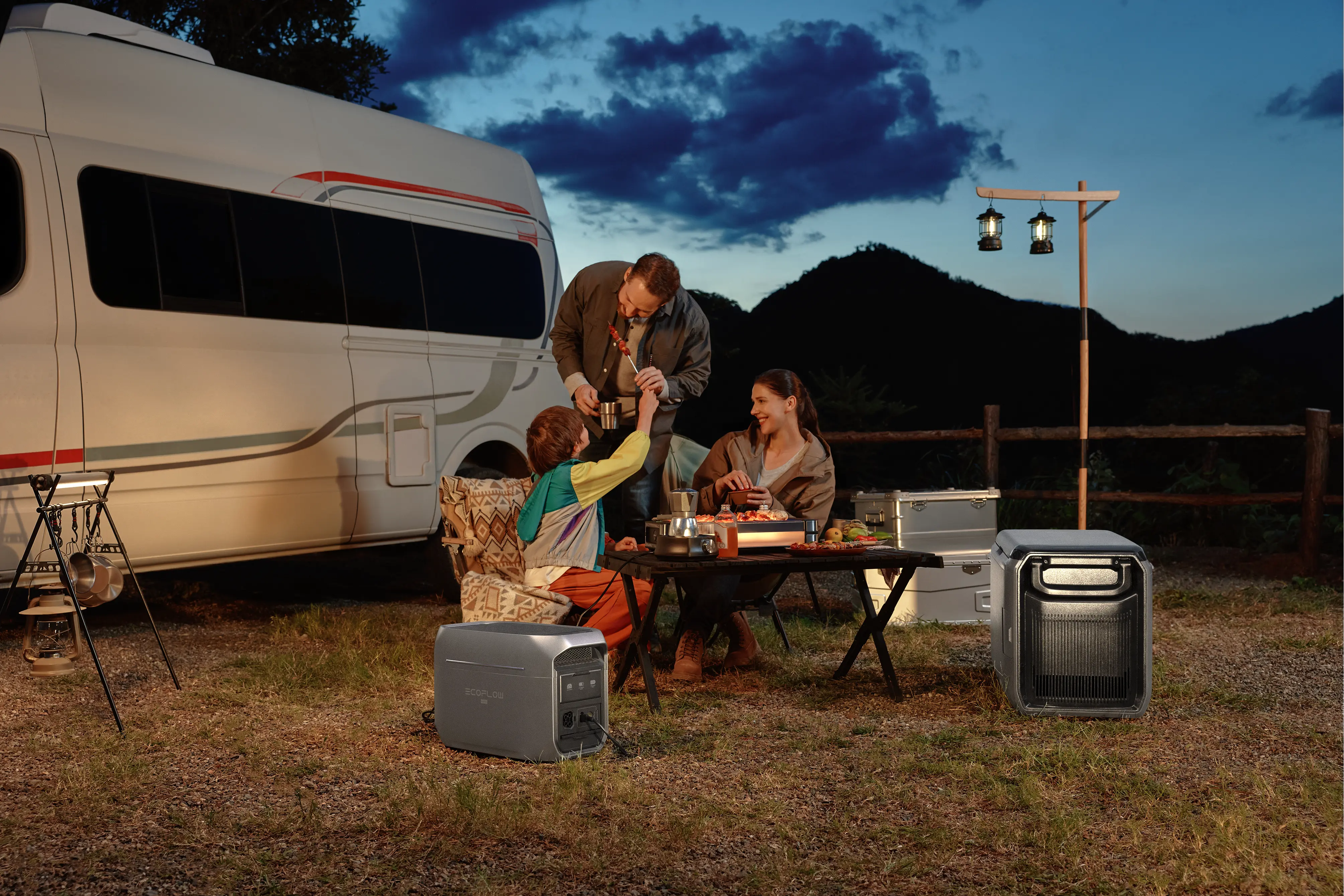
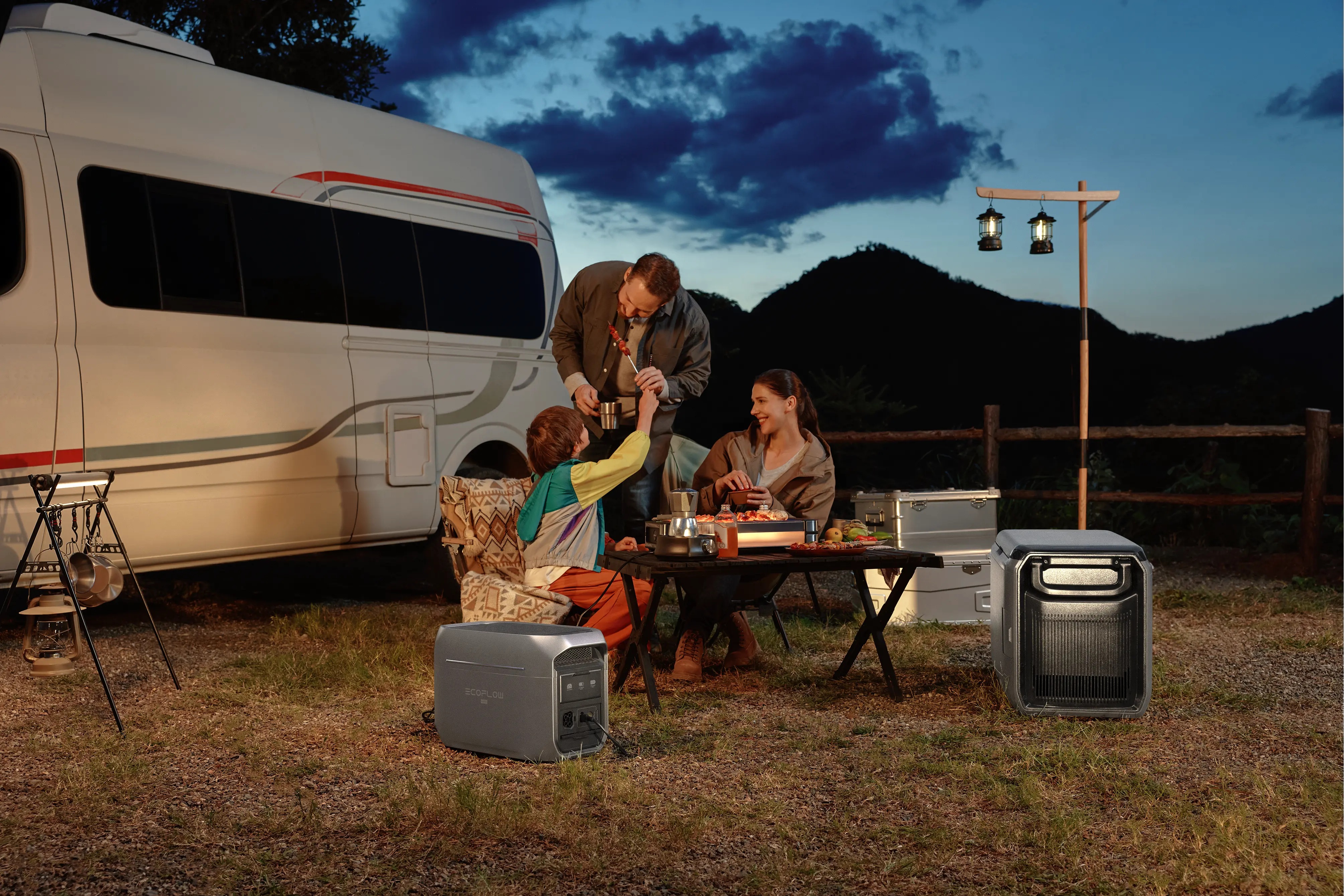
For longer trips or family camping, a bigger battery makes a real difference. The EcoFlow DELTA 3 Max Plus Portable Power Station (2048Wh) is designed for this type of outdoor setup. It can power portable fridges, campsite lights, and essential devices such as phones and cameras. When paired with solar panels or extra batteries, it can support longer off-grid trips by extending available power capacity. That means you don't have to replace your whole setup as your trips evolve, you just expand it.
Consider Durability and Weather Resistance
Camping gear takes a beating, dust, moisture, temperature swings. Choosing a power station with durable construction, LFP battery chemistry, and temperature management features can help improve reliability across different camping conditions.
How Can the Right Power Setup Improve Your First Camping Experience?
Adding a portable power station to your camping gear changes the whole experience, it makes your trip more comfortable, more convenient, and a lot less stressful from the moment you arrive.
Enjoy Greater Energy Flexibility at Campsites
Some of the best campsites are the ones without power hookups, they tend to have the best views and the most privacy. But going unserviced used to mean giving up things like charging your phone or having lights at night. A portable power station changes that. You can book that beautiful lakefront spot and still keep your devices charged and your camp lit.
Experience Quieter Camping with Battery Power
Nothing kills the peace of the outdoors like a generator humming in the background. Battery power stations are almost completely silent, produce no fumes, and don't carry any carbon monoxide risk. You get clean, instant power that doesn't disturb your neighbours or the natural quiet, so you can actually hear the loons instead of a motor.
Conclusion
Your first camping trip should be about the memories, the views, the campfire conversations, the quiet moments, not the stress of broken gear or a dead phone. A good shelter, smart layering, and a bit of planning give you a solid start. Add a reliable power station like the EcoFlow DELTA series to the mix, and you've got one less thing to worry about. Lights stay on. Devices stay charged. The camp runs smoothly. That's what makes a trip feel effortless.
FAQ
Is Camping an Expensive Hobby?
Camping is affordable for the general public, you don't need to break a bank to get on a camping trip. For your first few trips, renting gear is a practical way to test your interest before making a major investment. The cost is surprisingly low once you pick up the basics. The only extra you have to pay for each trip is the campground nightly fees, which are just a small fraction of a hotel or rental fees on a cabin.
Is It Common to Get Sick After Camping?
It's not common, as long as you follow a few basic precautions. Wash your hands regularly, treat water from natural sources, keep food cool, and dress appropriately for the weather. Most people who feel off after a trip are dealing with tiredness or bug bites — not anything serious.
Should You Buy or Rent Camping Gear?
If you're new to camping, renting your gear makes a lot of sense. It lets you get a feel for what works without a major upfront investment. You'll figure out what suits your style, and when you're ready to buy, you'll know exactly what you need, and what you don't.
Can You Go Camping Without Electricity?
Absolutely. Traditional camping is all about campfires, manual tools, and non-electric gear. That said, bringing a portable power station adds a layer of safety and convenience, you can keep your phone charged for navigation and have reliable lighting around camp.
What Counts as Backcountry Camping?
Backcountry camping means staying at sites you can't drive to. You have to hike, paddle, or snowshoe in with all your gear on your back. There's no running water, no power hookups, and no vehicle access, just you and the wilderness.