Bear Spray Canada: Regulations and Safety Protocols for Bear Country
Exploring the Canadian wilderness—from the Rockies of Alberta to the remote forests of Ontario—requires a professional approach to safety. In Canada, coexisting with bears involves a combination of proactive habits and legal compliance. While bear deterrent spray is a widely recognized tool, its effectiveness and legality depend on the user’s adherence to federal regulations and established safety protocols.
Quick Scenarios & Compliance Check
Navigating the rules for bear spray depends on your mode of travel and destination. The following table summarizes typical requirements based on current Canadian federal guidelines.
Scenario | Status | Key Action / Requirement |
|---|---|---|
Crossing the Border | Conditional | Must declare to CBSA; must be labeled for animal use; no "self-defense" labels. |
Commercial Flight | Prohibited | Generally banned in both carry-on and checked bags by most airlines and Transport Canada. |
National Parks | Permitted | Highly recommended by Parks Canada; must be kept in an accessible holster. |
Driving (Domestic) | Permitted | Ensure secure storage; avoid extreme heat to prevent canister rupture. |
Purchasing in Canada | Restricted | Typically requires age verification (18+) and signing a notice of purchase. |
Federal Regulations and Legal Status
In Canada, the legality of bear deterrents is defined by the Pest Control Products Act and interpreted under the Criminal Code. The distinction between a "deterrent" and a "weapon" often rests on the product’s registration and labeling.
The Criteria for Legal Possession
According to current standards set by Health Canada’s PMRA, legal bear spray must be registered as a pest control product. These products are typically characterized by a concentration of approximately 2% capsaicinoids and a container volume not exceeding 500 ml. However, these specifications can vary by product registration; users should check for a valid PMRA registration number on the label. Possession of any spray intended for use against humans is considered a prohibited weapon under the Canadian Criminal Code, regardless of the owner's original intent.
Border Entry and CBSA Enforcement
Importing bear spray is subject to verification by the Canada Border Services Agency (CBSA). Officers generally permit entry only if the canister is clearly labeled for animal use. If a label mentions "personal protection" or "self-defense" against people, the item is usually classified as a prohibited weapon and seized. Travelers are encouraged to purchase their deterrents from reputable Canadian retailers to ensure domestic compliance.
Aviation and Transportation Protocols
Transport Canada and individual airline tariffs usually classify bear spray as a Dangerous Good. Consequently, it is generally prohibited on commercial passenger aircraft in both carry-on and checked luggage due to the risk of accidental discharge. For remote expeditions involving bush planes or helicopters, specialized external storage containers are often required, and pilots must be notified prior to boarding.
Risk Mitigation: Proactive Backcountry Behavior
Wildlife experts emphasize that preventing an encounter is significantly more effective than reacting to a charge. Most defensive behaviors in bears are triggered by a surprise encounter or the perceived need to protect food or offspring.
Audible Signaling: Make consistent noise, especially near running water or in dense brush. While "bear bells" are used by some, human voices or shouting are generally considered more effective at alerting a bear.
Group Dynamics: Traveling in groups of four or more typically reduces the likelihood of a predatory or defensive encounter, as larger groups are more intimidating and louder.
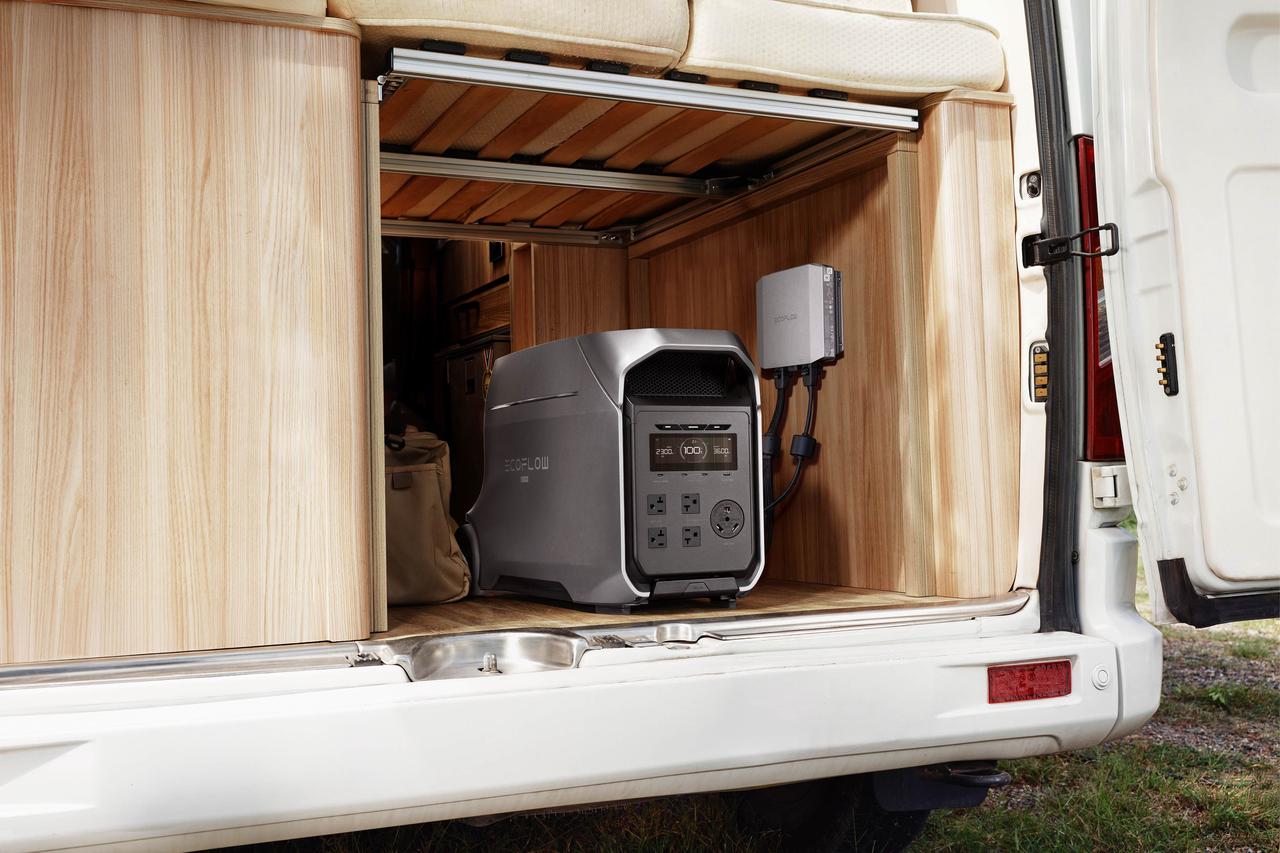
Vigilant Observation: Constantly scan for fresh signs, such as scat or claw marks. The EcoFlow DELTA 3 Ultra Plus (3072Wh) and 400W Solar Panel provide reliable power for essential emergency communication devices during remote backcountry stays.
Parks Canada Alerts: Always check for trail warnings or closures. These closures are often implemented due to high-risk factors like a nearby carcass.
Attractant Management: The "Bare Campsite" Protocol
Attractant management is the primary factor in preventing bears from becoming "habituated" to human presence. In many Canadian National Parks, a "Bare Campsite" policy is strictly enforced.
Storage Layers
Food and Trash: Store all items in bear-resistant lockers or a hard-sided vehicle with windows closed. Even "clean" items like empty coolers can attract bears.
Scented Non-Food Items: Toothpaste, sunscreen, and scented soaps must be stored with the same level of security as food.
The "Triangle Setup": In the backcountry, some experts suggest locating the sleeping, cooking, and storage areas at least 100 meters apart in a triangle. However, the effectiveness of this setup can be limited by wind direction and local topography; always follow specific park-level backcountry guidelines.
Operational Readiness and Deployment
A deterrent is only functional if it is accessible and well-maintained. During a bear charge, the window for deployment is often estimated to be only a few seconds.
Maintenance and Carriage
Holster Access: Always carry spray in an accessible holster. Estimates from manufacturers suggest a bear can cover distance rapidly; storing spray inside a backpack is generally considered unsafe.
Expiry Monitoring: Most canisters have an estimated shelf life of three to four years. Over time, the propellant may leak, potentially reducing the spray’s effective range. Check the expiry date annually.
Effective Range: While many Canadian-approved sprays claim an effective range of 5 to 10 meters, actual performance depends on wind speed and canister pressure.
Deployment Techniques
If a bear charges, the goal is to create a concentrated aerosol barrier. Aim slightly downward in front of the bear’s head to create a "wall" of irritant. Many experts suggest a burst of 2 to 3 seconds. Once the bear turns away, leave the area immediately without running. Note on Residue: Dried residue can pique a bear's curiosity due to its strong scent; therefore, it is advisable to move away from the deployment site as soon as it is safe to do so.
Secure Your Backcountry Safety and Power Your Gear
Safety in bear country is a responsibility that involves preparation and legal awareness. By managing attractants and carrying a legal deterrent in an accessible holster, you significantly reduce the risk of conflict. Don't let a lack of power compromise your safety; equip your next mountain expedition with the EcoFlow DELTA 3 Ultra Plus (3072Wh) and 400W Solar Panel to ensure your navigation and emergency communication devices remain operational on the trail.
FAQs
Q1: Is bear spray illegal in Canada for self-defense?
Generally, yes. Carrying bear spray for protection against people is illegal. Canadian law regulates it strictly as an animal deterrent for use in specific wilderness contexts.
Q2: How do I verify if my bear spray is legal for use in Canada?
Check the label for a PMRA registration number and ensure it is explicitly labeled as a bear or animal deterrent. Current typical standards limit these to ~2% capsaicinoids and 500 ml volumes.
Q3: Can I fly with bear spray on a domestic flight?
No. Most commercial airlines and Transport Canada safety rules prohibit bear spray in all passenger luggage. Purchase or rent a canister locally upon arrival at your destination.
Q4: What should I do if my bear spray expires?
Do not dispose of it in regular trash. Pressurized canisters are often classified as hazardous waste. Many fire departments or outdoor retailers provide specialized disposal or training services.
Q5: Does the "Triangle Setup" work in all campsites?
No. Its reliability depends on the wind and terrain. In many established campgrounds, you must use the provided bear-proof lockers rather than attempting a backcountry triangle setup.
Disclaimer: This guide is for informational purposes only and does not constitute legal advice. Regulations regarding pest control products, transportation, and wildlife safety are subject to change without notice. For current legal and safety compliance, always consult the Pest Management Regulatory Agency (PMRA), Canada Border Services Agency (CBSA), Transport Canada, and specific park authorities before your trip.