BC Wildfire Season 2026: Elevated Risk, Early Heat, and How to Prepare for Power Outages
- What BC’s 2026 Wildfire Outlook Means for Your Power, Air Quality, and Safety
- Why 2026 Could Bring More Ignitions and Faster Fire Growth
- How Wildfires Cause Power Outages and What to Do Before the Lights Go Out
- Choosing a Backup Power Plan That Fits Your Home and Outage Risk
- Frequently Asked Questions
- Stay Safer Through Wildfire Season with a Reliable Home Backup Plan
Every year, wildfires affect large areas of British Columbia. Not only do they pose a severe risk to property and lives, but they also affect residents further away from the areas directly impacted.
This guide takes a closer look at the risks and how to prepare for potential power disruptions to keep your home powered up throughout the wildfire season this year.
What BC’s 2026 Wildfire Outlook Means for Your Power, Air Quality, and Safety
Wildfires occur in BC every summer, often hitting the news headlines with dramatic images of flames devastating forests. Staying physically safe is the primary concern for everyone, but disruptions can hit people even when they are not directly threatened by the fires.
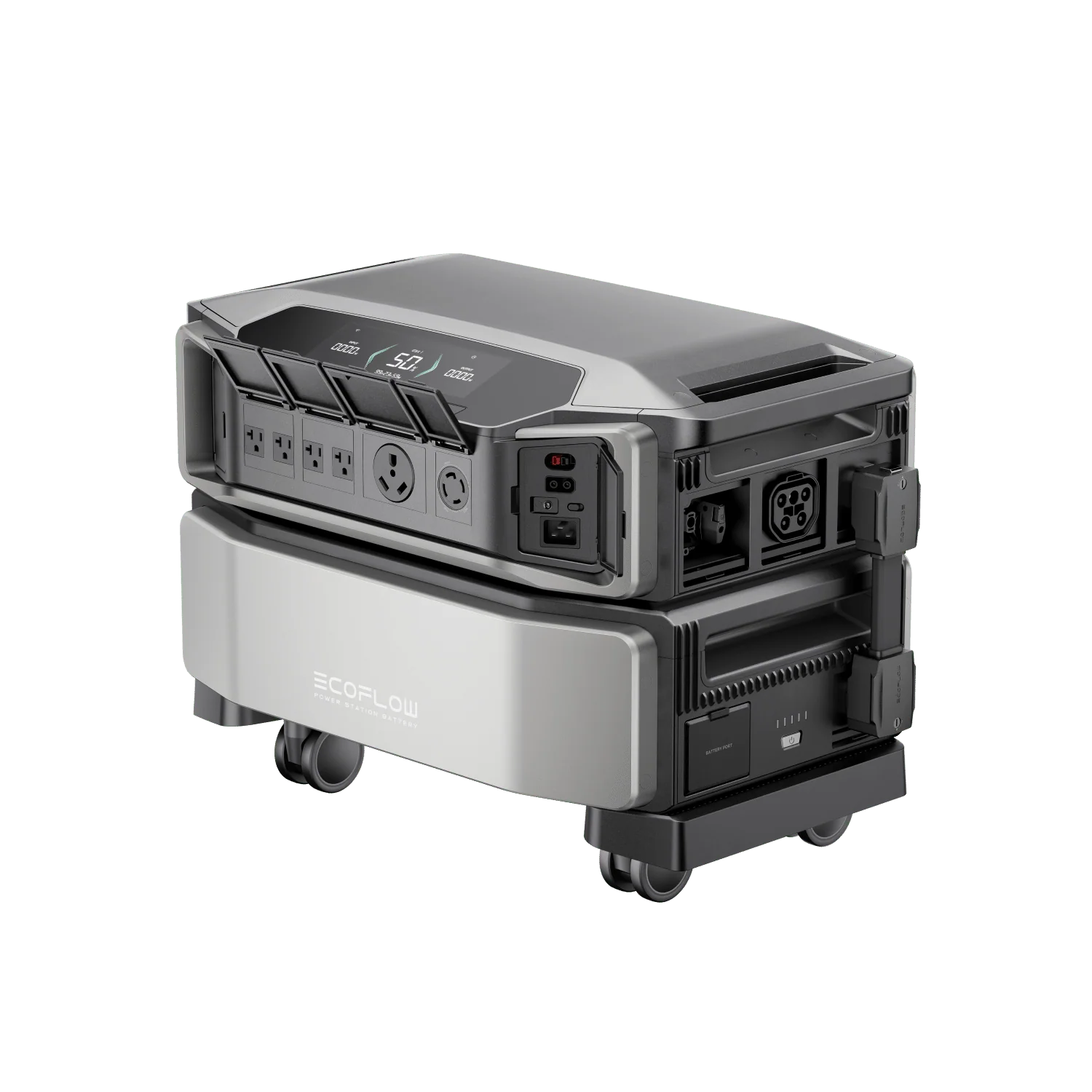
One of the biggest problems for many residents in BC is the loss of power as a direct result of the fires, which can impact homes across wide areas. This is why many people get backup power in the form of an EcoFlow DELTA Pro Ultra or similar to keep their homes powered when infrastructure is damaged or deactivated.
Heavy smoke can also impact air quality far from the areas at direct risk of the flames. As such, many people use indoor air filtration to keep their homes smoke-free. Then there are the inevitable road closures that have a big impact on travel, and all of these problems can affect people across the province.
Why 2026 Could Bring More Ignitions and Faster Fire Growth
2026 is set to be a challenging year for wildfires. While it is still too early to say whether this year will be worse, fire danger could be worse in Canada overall and especially in British Columbia from July onwards.
The forecast is based on several variables, including moisture recovery, the predictability of dry conditions, fire spread rates, topography and more.
Dry conditions are the biggest risk, and these will depend upon the amount of rainfall that occurs over the coming months. In particularly hot and dry conditions, dry lightning events pose an even greater risk. These occur when thunderstorms produce lightning, but no rainfall reaches the ground due to the heat and dryness in the air. When lightning strikes dry ground, it can cause multiple ignitions across the terrain.
Holdover fires are another risk. These are underground remnants from previous seasons that have remained smouldering out of sight. When temperatures rise, they can suddenly flare up and cause larger fires.
How Wildfires Cause Power Outages and What to Do Before the Lights Go Out
Electrical infrastructure is often impacted by wildfires. The primary way this occurs is due to physical damage, where heat can melt transmission lines and fire damages utility poles.
However, it’s not just physical damage that causes power outages. Public Safety Power Shutoffs (PSPS) are a preventative measure taken for safety purposes by power companies to prevent damaged equipment causing blazes, and these can impact homes and businesses across BC.
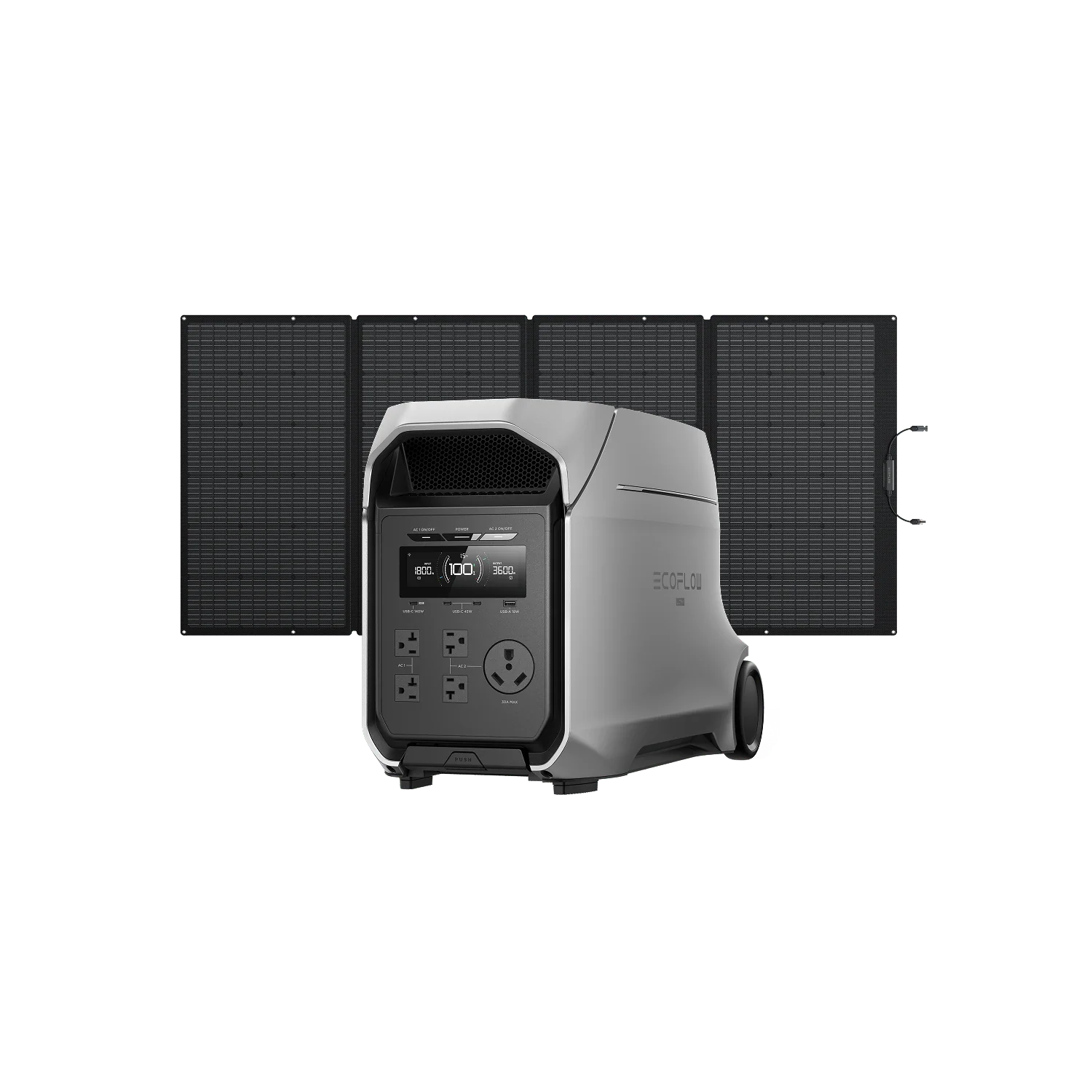
Being prepared for power outages is essential. This is where a source of backup power, like the EcoFlow DELTA 3 Ultra Plus + 400W Solar Panel, can be useful to keep your home powered up even during an outage.
On top of that, preparing for disruption can mean putting together an emergency kit complete with water, food, a first-aid kit and any medications you need.
It’s important to have a plan in place before the event occurs. This can involve a communication plan, such as using two-way radios if cell towers go down.
Choosing a Backup Power Plan That Fits Your Home and Outage Risk
How you prepare for wildfires, including creating a backup power plan, depends on your home and the risk posed by outages.
If you have a large property in an at-risk area, a high-capacity backup power system is worth considering. Whole home backup power solutions can be effective, powering up your home so you can continue as normal rather than using a standard generator.
If you have a small apartment or condo in an area not as prone to power outages, a small battery-powered generator may be enough to give you peace of mind. These don’t produce exhaust or noise like diesel generators, making them well-suited to apartments or condos.
When choosing your backup solution, verify the continuous output rating, which you measure in watts, as well as the total watt-hour capacity. This will ensure the device you choose can handle your essential needs without difficulty.
Frequently Asked Questions
When Does Wildfire Season Typically Start in BC, and Why Can It Begin Earlier in 2026?
Wildfire season in BC usually starts in mid-June, though in some years it can begin as early as May when temperatures are high and precipitation is low. In 2026, an early start is more likely due to warmer-than-normal spring temperatures and drier fuel conditions across the province. These factors increase fire danger before the traditional season even begins.
What Is Dry Lightning, and Why Does It Increase Wildfire Starts?
Dry lightning is when a lightning strike is produced by a thunderstorm, but because the air is so hot and dry, the rain evaporates before it reaches the ground. With no rainfall to dampen the terrain, the lightning strikes can ignite dry vegetation, causing remote wildfires.
What Should I Power First During a Wildfire-related Outage at Home?
Your first priority is safety, so make sure communication devices are powered up, as well as any appliances that preserve health, like medical equipment. After that, power your refrigerator and freezer to keep food from spoiling. If you have young children or elderly family members at home, prioritise their comfort needs too, such as heating or cooling devices.
Can Solar Charging Still Work During Smoky Skies or Extended Outages?
Yes, but with less sunlight, efficiency is reduced. Solar panels need sunlight to operate, and heavy smoke is similar to cloud cover. Solar panels can still generate power, but charging times will be slower. Aim to make the most of clear days to charge up your backup power.
Stay Safer Through Wildfire Season with a Reliable Home Backup Plan
Wildfire season in BC has always been challenging for homes and businesses. This year may be even more difficult, so prepare for disruptions and stay safe by making a plan and determining a suitable home backup solution for power outages.
If you’re concerned about outages, check out EcoFlow’s lineup of solutions like the EcoFlow DELTA 3 Ultra Plus + 400W Solar Panel to keep your home powered during wildfire-related outages.