Backwater Valve: How Homeowners Can Reduce Basement Flooding Risk Before Summer Storms
- Quick Answer: Do You Need a Backwater Valve?
- Key Takeaway Checklist
- What Is a Backwater Valve?
- How Does a Backwater Valve Work?
- Where Is Backwater Valve Located?
- Why You Need Power Support During Summer Storms
- Backwater Valve Installation Process
- Backwater Valve vs. Sump Pump
- Do You Need a Backwater Valve, Sump Pump, or Both?
- When You Should Call a Licensed Plumber
- Backwater Valve Maintenance Checklist
- Essential Maintenance for Homeowners
- Financial Incentives and Insurance Benefits
- Power Your Defenses Against Summer Flooding
- FAQs
Quick Answer: Do You Need a Backwater Valve?
Homes with basements below street sewer level are at higher risk of sewer backup
Properties in areas with combined sewer systems are more vulnerable during heavy rain
A backwater valve helps prevent municipal sewage from entering basement drains
It works best as part of a system together with proper drainage and sump pumps
Professional installation is strongly recommended due to plumbing and code requirements
Key Takeaway Checklist
Check municipal sewer risk level before installation
Confirm permit requirements with local building office
Ensure access pit is available for maintenance
Combine valve + sump pump for full protection
Canadian summers often bring vibrant outdoor activities, but they also signal the arrival of intense thunderstorms and sudden heavy rainfall. For many homeowners, particularly those with finished basements, these weather events pose a significant risk of sewer backup. When municipal drainage systems become overwhelmed, wastewater can flow backward into residential pipes. Understanding the role of a backwater valve is a critical step in home maintenance. This guide explores how these devices function, where they are installed, and how they help protect your property from water damage.
What Is a Backwater Valve?
To properly protect your home, you must first understand the mechanical purpose of your plumbing defenses. Many residents often ask, "what is a backwater valve?" and whether it is a standard feature in every house.
A backwater valve, also known as a backflow preventer, is a specialized plumbing device installed on the main sewer lateral of a home. Its primary function is to allow wastewater to flow out of the house into the municipal sewer system while preventing sewage from flowing back into the basement. It serves as a physical barrier that only activates when a reverse flow is detected, typically during a major flooding event or a blockage in the city’s main line.
In many Canadian municipalities, newer homes are required by building codes to have these valves installed. However, older homes may lack this protection. During extreme summer rain, the city’s combined sewers can reach capacity. Without a valve, the pressure in the municipal line pushes wastewater through the lowest drains in your home, such as basement floor drains, showers, or toilets. Installing this device is one of the most effective ways to mitigate the risk of a "sewer backup," which is often the most expensive type of water damage to repair.
How Does a Backwater Valve Work?
Understanding the mechanics can help homeowners recognize the importance of regular maintenance. So, how does a backwater valve work during a typical storm?
Inside the valve, there is a small "flapper" or gate that usually remains open. This allows wastewater from your sinks, showers, and toilets to exit the home via gravity. The flapper is designed to be lightweight and responsive. Under normal conditions, it simply sits in the open position, ensuring that the daily usage of water within the home is never obstructed.
When a sewer backup begins, the rising water from the municipal line enters the valve from the opposite direction. This reverse flow pushes the flapper upward, causing it to seal against the top of the valve body. Once sealed, the municipal sewage is blocked from entering your home. It is important to note that while the valve is closed, you should not use your home’s plumbing, as the wastewater you generate will have nowhere to go and may pool in your pipes. Once the pressure from the city line subsides, the flapper drops back down, restoring normal flow.
Where Is Backwater Valve Located?
If you are buying a new home or investigating your current property’s defenses, you need to know exactly where is backwater valve located to perform necessary checks.
Identifying the Access Pit
In most Canadian residences, the valve is located beneath the basement floor. You can typically find it by looking for a rectangular or circular access cover, often made of plastic or metal, flush with the concrete. This cover is usually positioned near the main sewer cleanout, which is the point where the main pipe exits the foundation toward the street. It is rarely located in the middle of a room; instead, it is found near the perimeter walls.
Common Areas in a Canadian Basement
In many homes, the valve is located in the mechanical room near the furnace or water heater. In finished basements, this access point might be hidden under a small, removable hatch in the laminate or carpet, or perhaps inside a closet. If your basement has been renovated without an access hatch, you may need a plumber to use a camera to locate the device, as easy access is required for the bi-annual cleaning and inspection.
Locating the Main Sewer Lateral
The valve must be installed on the main lateral pipe before any other branches connect to it. This ensures that a single valve protects the entire home. If you follow the visible plumbing stacks in your basement down into the floor, the valve will typically be situated between the last vertical stack and the exterior wall. Knowing the location of this lateral is vital because any blockage between the valve and your fixtures could still cause a localized backup that the valve cannot prevent.
Why You Need Power Support During Summer Storms
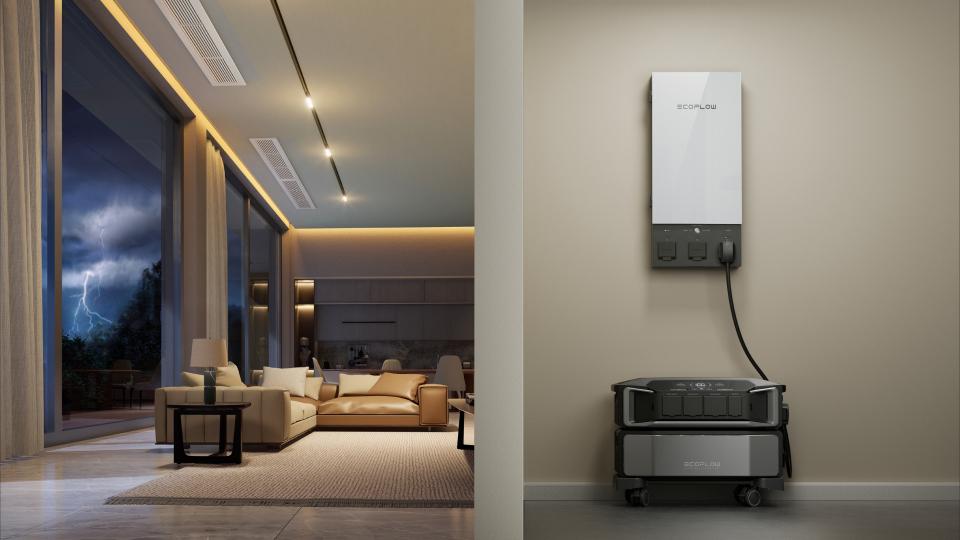
Summer storms in Canada do more than just cause flooding; they frequently lead to widespread power outages. Preparing your basement involves ensuring both mechanical and electrical systems remain ready. EcoFlow DELTA Pro Ultra Whole-Home Backup Power provides extreme reliability for home use, featuring a 7.2-21.6kW output powerful enough to run your whole home, including sump pumps and central AC.
While a backwater valve is a mechanical device that does not require electricity, many homes also rely on sump pumps to manage groundwater. If a storm knocks out the power, a sump pump without a battery backup will stop working, potentially leading to foundation seepage. Having a robust backup power source ensures that your pump continues to discharge water away from your foundation even when the local grid fails during a thunderstorm.
If a minor amount of water does enter your basement through other means, such as a window well, you will need power for cleanup. Devices like wet-dry vacuums and high-powered floor fans are essential for removing moisture before mold begins to develop. Furthermore, running a dehumidifier is critical in the days following a storm to restore the basement’s air quality. A reliable home backup system ensures you have the electricity needed to power these cleanup tools immediately.
Backwater Valve Installation Process
If your home is currently unprotected, you should consider a professional backwater valve installation. This is a complex task that involves structural modification to your home's drainage system.
Professional Assessment and CCTV Inspection
A proper backwater valve installation begins with a licensed plumber performing a CCTV camera inspection of your sewer lateral. This step is necessary to confirm the condition of your pipes and to identify the exact location where the valve will be most effective. The plumber must also ensure that the valve is installed "downstream" of any weeping tile connections to prevent the system from accidentally flooding your own basement during a backup.
Excavation and Structural Integration
The physical installation requires breaking through the concrete basement floor to reach the main sewer pipe. The plumber will cut a section of the existing pipe and replace it with the valve unit. It is essential that the valve is installed with the correct slope to ensure gravity drainage is maintained. Once the valve is in place and tested for leaks, the plumber will backfill the area with gravel and patch the concrete, leaving an access pit for the homeowner.
Permits and Municipal Compliance
In most Canadian municipalities, backwater valve installation requires a plumbing permit under local building codes (for example, Ontario Building Code enforcement guidelines and municipal plumbing permit requirements in cities such as Toronto and Ottawa). Readers should confirm the exact requirements with their local municipal building or water department, such as the Toronto and Ottawa water departments.
Backwater Valve vs. Sump Pump
There is often confusion between these two devices, as both are used for basement flood prevention. However, they serve entirely different purposes and protect your home from different sources of water.
Managing External Groundwater with Sump Pumps
A sump pump is designed to handle groundwater that accumulates around your foundation. This water is collected by a system of weeping tiles (perforated pipes) and directed into a sump pit. When the water level in the pit rises, the pump activates and pushes the water out of the house. A sump pump does nothing to stop sewage from backing up through your toilets or floor drains; its only job is to manage the water outside your walls.

Blocking Internal Sewer Inflow with Valves
In contrast, the backwater valve is strictly for the sanitary sewer. It prevents external wastewater from the city’s pressurized main from entering your interior pipes. It does not help with foundation leaks or water coming through the roof. Most flood-prone homes in Canada benefit from having both systems. The sump pump keeps the foundation dry, while the valve ensures the municipal sewer system stays outside where it belongs.
The Benefits of a Redundant Protection System
Relying on just one device leaves your home vulnerable to other types of flooding. For example, during a massive summer downpour, both the municipal sewer and the local water table will rise simultaneously. If you have a valve but no sump pump, your foundation may leak. If you have a pump but no valve, your basement may still suffer a sewer backup. A redundant system that includes both mechanical barriers and electrical pumps provides the most comprehensive protection.
Do You Need a Backwater Valve, Sump Pump, or Both?
Answer these questions:
Has your basement ever had sewage backup?
Yes → Backwater valve strongly recommended
No → Assess risk level first
Do you experience water pooling or seepage after heavy rain?
Yes → Sump pump likely needed
No → Lower groundwater risk
Is your home below street sewer level?
Yes → Higher risk of sewer backup
No → Moderate risk
Final outcome:
Sewer risk only → Backwater valve
Groundwater only → Sump pump
Both risks → Combined system recommended
Older finished basement → Consider both strongly
When You Should Call a Licensed Plumber
You are unsure if a valve already exists
Basement floor shows no visible cleanout access
You have previous water backup history
You plan structural modification or excavation
You need municipal permit confirmation
Backwater Valve Maintenance Checklist
Check the access pit every 6 months (spring & fall recommended)
Inspect flapper movement for debris or obstruction
Clean the valve seat using mild soap and water
Avoid chemical cleaners that may damage seals
Check rubber seals for cracks or stiffness
Confirm access cover is properly sealed after inspection
Record inspection date for maintenance tracking
Essential Maintenance for Homeowners
A backwater valve is only effective if the flapper can close completely. Regular maintenance is the homeowner's responsibility and should be performed twice a year, typically as a general maintenance recommendation, especially before and after the summer storm season, depending on household usage and local conditions.
Visual Inspection Frequency
You should open the access pit and perform a visual check every six months. Look through the clear plastic lid (if your model has one) to see if the flapper is sitting correctly. If your valve does not have a clear lid, you will need to unscrew the top to inspect the interior. You are looking for any signs of debris, such as hair, grease, or sediment, that could prevent the flapper from moving freely or creating a watertight seal.
Cleaning the Internal Components
If you see a buildup of material, use a bucket of warm, soapy water to flush the valve. You can also use a soft brush to gently scrub the area where the flapper meets the seat. Avoid using harsh chemical cleaners, as these can damage the plastic or the rubber components over time. Regular cleaning ensures that the flapper remains lightweight and responsive, allowing it to close instantly when a reverse flow of water occurs.
Checking the Rubber Seals and Gaskets
The flapper and the access lid both rely on rubber seals to remain watertight. Over time, these seals can become dry, brittle, or cracked. During your bi-annual inspection, check the condition of these gaskets. If they appear damaged, they should be replaced immediately. Most plumbing supply stores sell replacement kits for common valve brands. A compromised seal could allow sewage to seep into your basement even if the flapper is technically in the closed position.
Financial Incentives and Insurance Benefits
The cost of protecting your home can be offset by various municipal programs and insurance adjustments, making it a wise financial move for many Canadians.
Navigating Municipal Rebate Programs
Some Canadian municipalities (such as Toronto’s Basement Flooding Protection Subsidy Program and Edmonton’s Drainage Incentive Program, as published on official municipal websites) offer rebates for backwater valve installation. Eligibility, coverage, and application requirements vary by city and should be verified on official municipal program pages.
What Homeowners Should Prepare Before Applying for Rebates or Permits
Contact your local municipal water or building department to confirm eligibility requirements
Obtain a licensed plumber’s invoice and installation documentation
Keep permit approval records and inspection reports
Submit receipts and proof of installation after project completion
Impact on Home Insurance Premiums
Insurance companies are increasingly concerned about the rising cost of water damage claims. Many providers now offer discounts on home insurance premiums for properties that have verified flood protection devices. In some high-risk areas, insurers may even make the installation of a valve a condition for providing sewer backup coverage. It is worth contacting your insurance broker to see if your installation qualifies for a rate reduction.
Long-term Property Value Retention
A dry, protected basement is a major selling point in the Canadian real estate market. Potential buyers are often wary of homes in areas with a history of flooding. Having a professionally installed and maintained protection system provides peace of mind and can help maintain your home's resale value. It demonstrates that the property has been well-maintained and that the risks associated with extreme summer weather have been addressed.
Power Your Defenses Against Summer Flooding
Reducing the risk of basement flooding requires a combination of mechanical barriers and reliable power. By ensuring your backwater valve is professionally installed and regularly maintained, you can help protect your home from municipal sewer backups during heavy summer rains.
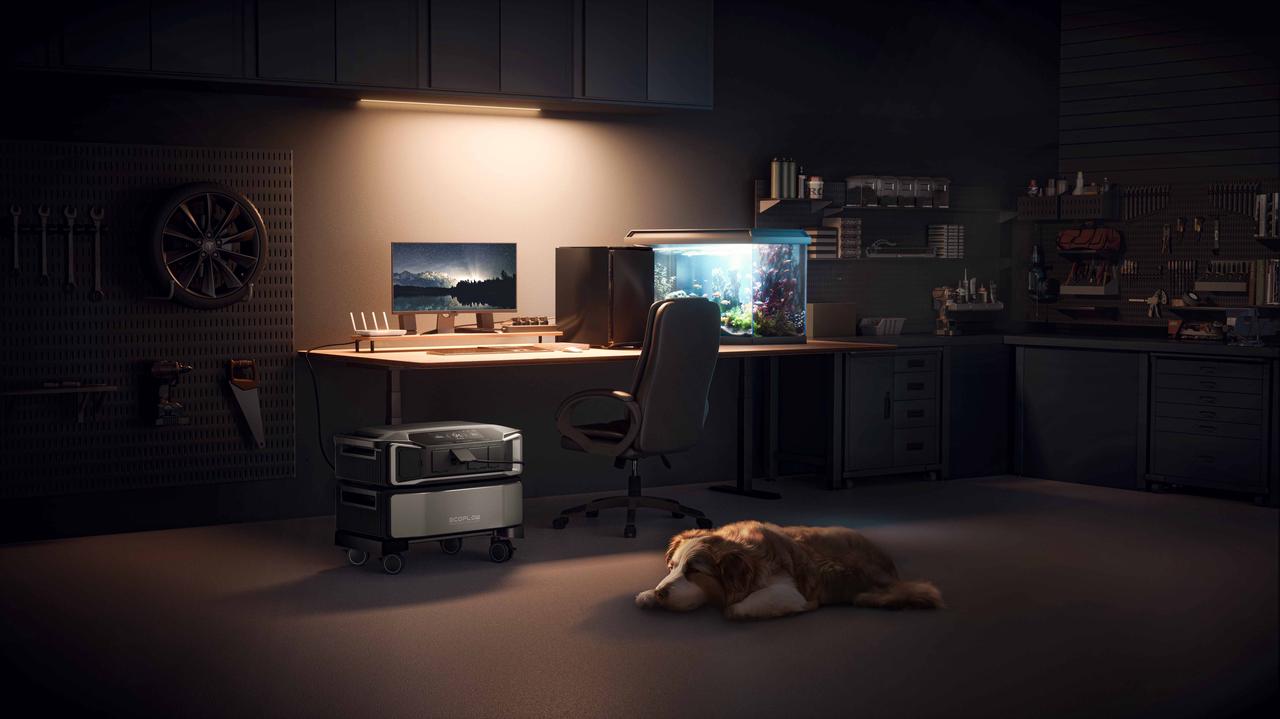
Complement this protection with a home backup strategy to keep your secondary defenses, such as sump pumps, fully operational. Some whole-home backup systems are designed to support higher-load household circuits, such as sump pumps and essential appliances. Products in this category (for example, units like EcoFlow DELTA Pro Ultra) may be considered depending on household electrical requirements and installation setup.
Disclaimer: This article provides general informational guidance about backwater valves and basement flood prevention. It does not replace professional plumbing inspection or municipal regulations. Installation and structural modifications such as pipe cutting or excavation should only be performed by licensed plumbers in accordance with local building codes. Homeowners should consult qualified professionals before making any changes to their drainage system.
FAQs
Q1. Why Does My Backwater Valve Make a Clicking Noise?
Yes, a clicking noise can be normal. It usually happens when the flapper moves as water flows through it. However, if the clicking is constant, it might mean debris is stuck under the gate, preventing it from resting properly. You should inspect the valve if the noise persists or becomes unusually loud.
Q2. Can I Use the Toilet During a Heavy Rainstorm?
No, if you suspect a sewer backup is occurring and your valve has closed, you must stop using all indoor plumbing. Any water you send down the drain will be trapped by the closed valve and will eventually overflow into your own basement from the inside.
Q3. Does a Backwater Valve Need Electricity to Function?
No. It is fully mechanical and does not rely on electricity. This makes it especially reliable during storm-related power outages, when other home systems may fail.
Q4. How Long Does a Backwater Valve Last?
Generally, the valve housing may last several decades (often estimated at 30–50 years under typical residential conditions, based on common plumbing industry guidance). Actual lifespan depends on installation quality, water conditions, and maintenance frequency. Moving components such as flappers and rubber seals may require replacement within approximately 5–10 years in many systems, depending on usage conditions and manufacturer recommendations.
Q5. Does the City Pay for the Installation?
No, the city does not pay for it directly. However, as mentioned, many Canadian municipalities offer significant rebates after the installation is complete. You must typically pay the plumber first and then apply for the rebate with your proof of permit and inspection.