Alberta Severe Weather: Forecasts, Alerts and Safety Guide
An Alberta sky can turn inside an hour. Clouds stack over the foothills by four, the light goes an odd green, and by five hail is hammering the deck while half the street sits dark.
What follows covers the hazards, what to do with a storm overhead, where to look for forecasts and official alerts, and how to have the house ready before the lights go out.
What Severe Weather Can Affect Alberta?
While severe weather in Alberta occurs twelve months a year, the flavour changes with the season: hail, tornadoes and wind that takes down poplars in summer, then blizzards, ice storms and cold deep enough to kill a car battery overnight.
Thunderstorms, Lightning and Heavy Rain
A single summer cell can drop a month’s worth of rain in an afternoon, and the water runs to low ground first: underpasses, dips in arterial roads, and streets whose storm sewers were sized for a gentler climate. Lightning is the hazard that catches people off guard, starting fires in dry grass country and finding anyone still holding a golf club.
Hail and Damaging Wind Events
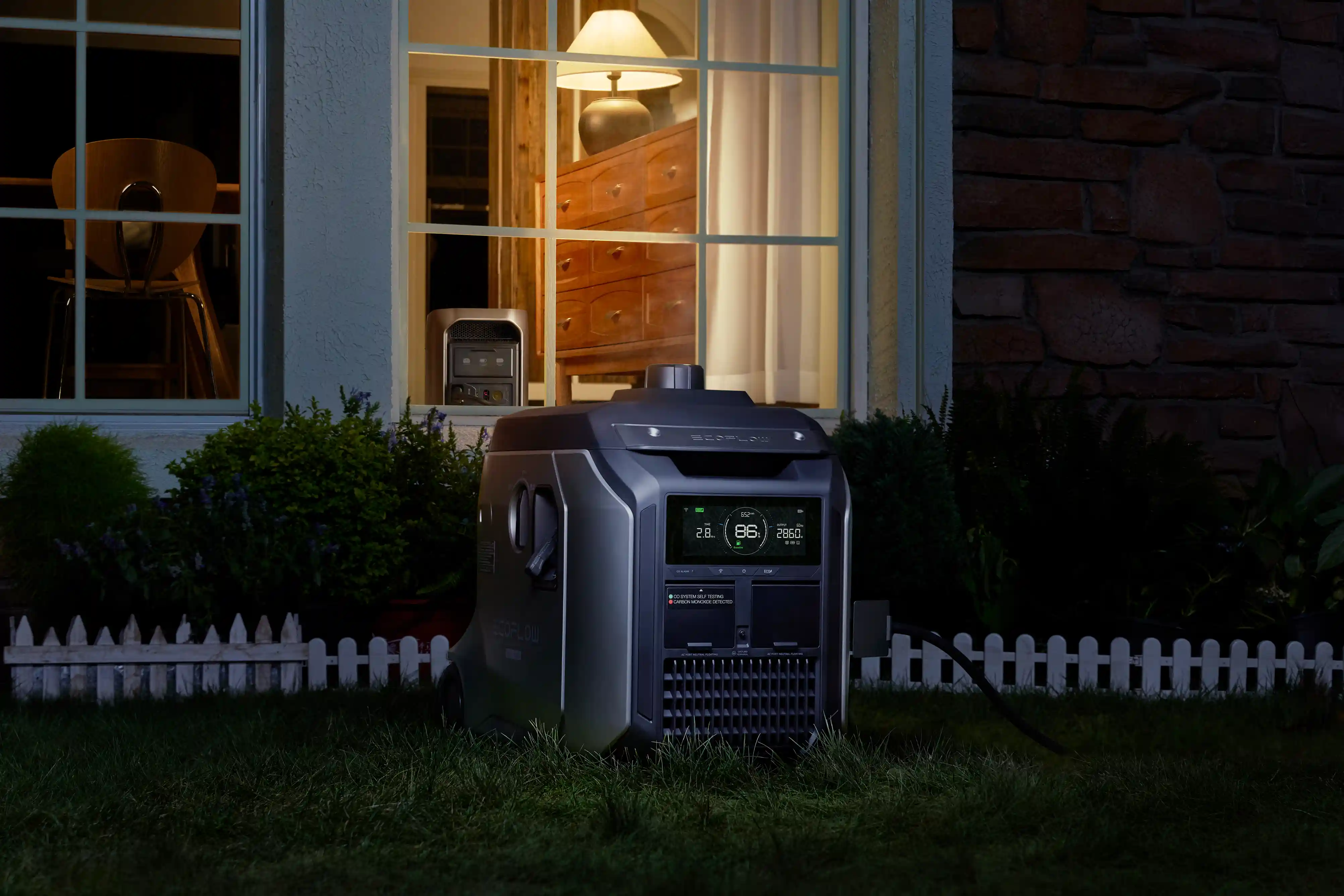
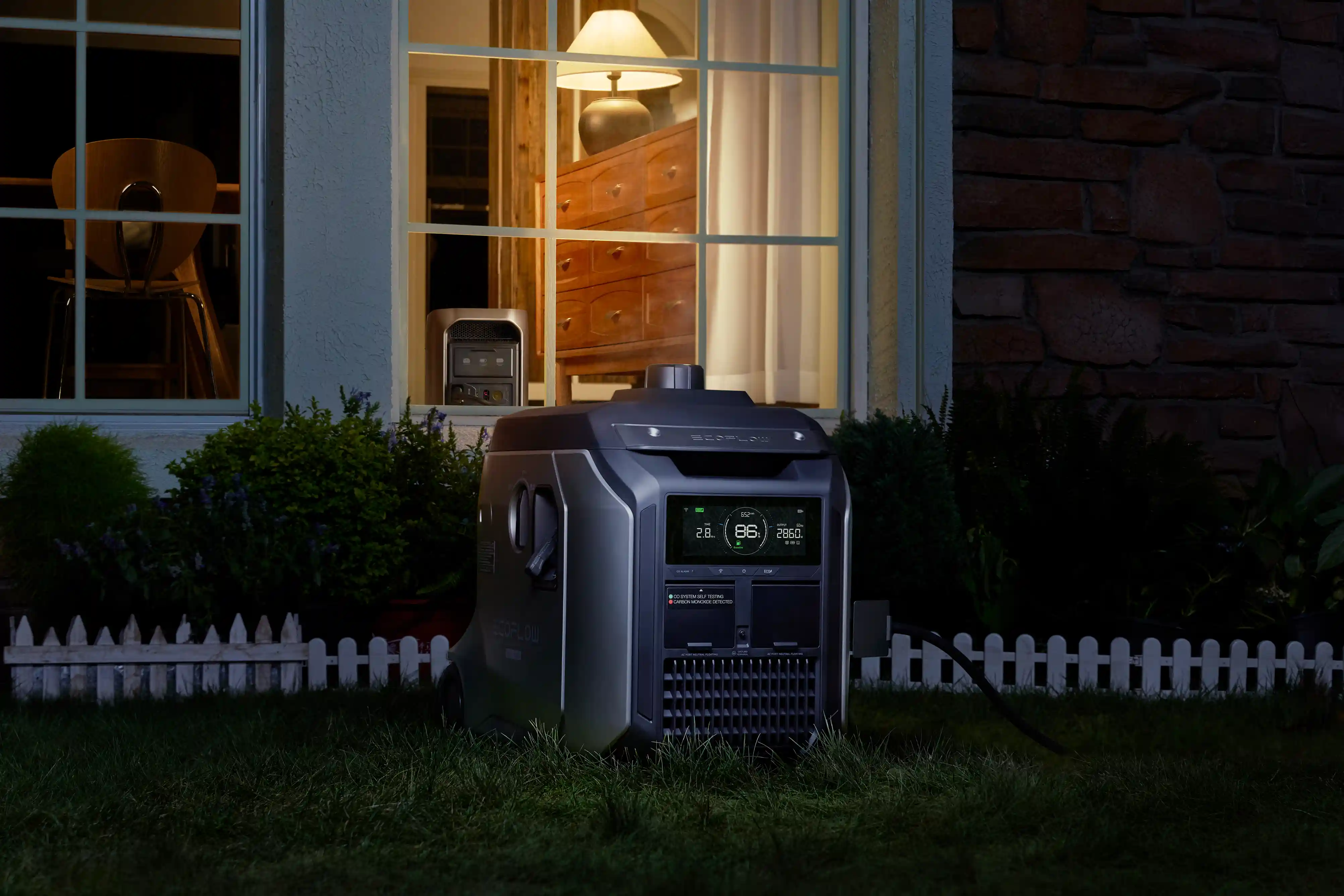
“Hail Alley” isn’t a phrase coined for this article. The corridor runs roughly from High River north through Calgary and Red Deer to Edmonton, and it has produced some of Canada’s most expensive hail losses; Calgary still measures a bad summer against August 2024. Golf-ball-sized stones strip siding, bruise shingles and keep the glass shops busy. Hail rarely travels alone: the plow wind behind it gusts past 100 km/h, snapping mature poplars and dropping the line that feeds your block—a sudden disruption where having a reliable power station on hand proves invaluable.
| Severe Weather Threat | Peak Season | Common Impacts in Alberta |
|---|---|---|
| Hail & Plow Winds | June – August | Dented vehicle panels, shredded shingles, localized power cuts |
| Severe Thunderstorms | May – September | Flooded basements, lightning strikes, flash flooding in low ground |
| Tornadoes | June – July | Structural damage, uprooted trees, widespread utility outages |
| Blizzards & Freezing Rain | November – April | Icy stretches of the QEII, multi-day grid failure, frozen pipes |
Tornadoes and Extreme Wind Risks
Tornadoes are rarer here than the everyday squall, but the prairie and the foothills produce them. The 1987 tornado remains a benchmark for Edmonton, Alberta severe weather, which is why those warnings are taken so seriously. A microburst alone can peel off a barn roof and bring down transmission towers.
How Can You Check Alberta Severe Weather Forecasts and Alerts?
Two sources carry the weight: Environment and Climate Change Canada (ECCC) for forecasts and warnings, and Alberta Emergency Alert for anything that needs to reach you within ten minutes.
Check Local Weather Forecasts Regularly
ECCC is the source every other app quietly quotes, and it issues the warnings too, so checking forecasts and warnings becomes one habit. Ten minutes with the weather radar loop tells you when the front arrives, usually late afternoon in summer, and that’s warning enough to get the truck under cover or leave the barbecue for another day.
Understand Watches, Warnings and Advisories
When reviewing official alerts, understanding the terminology of an Alberta weather warning or watch is essential, as the four terms mean four different things based on timing:
Special Weather Statement: A heads-up about unusual or uncertain weather; nothing here requires action yet.
Advisory: Weather worth adjusting plans around is occurring or expected, but the criteria for severe weather haven't been met.
Watch: The ingredients are in place for severe weather to develop. Finish what needs finishing.
Warning: The hazard is happening or about to strike. Get to shelter now.
Use Alberta Emergency Alert Services
Alberta Emergency Alert pushes critical warnings to compatible phones in the affected area, and out over local radio and television. The app matches alerts to your phone’s live location rather than where you sleep, which matters on the QEII, where the weather behind you is rarely the weather ahead. Keep a battery pack or a compact portable power station in the vehicle so you can keep devices charged and read them.
How Can You Stay Safe During Severe Weather?
The details shift with the hazard; the shape of the response doesn’t. Get inside, stay off the road, and do what local officials tell you.
Move to a Safe and Protected Area
Once the cloud base starts rotating, or the rain arrives sideways, go in. A basement or cellar is best; failing that, take an interior room like a hallway or a windowless bathroom on the bottom floor, and put as many walls as you can between yourself and the weather. Get a mattress or a heavy blanket over you, since glass does more harm than wind. On an acreage with no basement, settle on a plan in May, not when the sky goes green.
Avoid Driving During Severe Weather
Hail and torrential rain cut visibility to the end of the hood. Skip the overpasses: they funnel the wind and turn into bottlenecks full of stopped cars. If you’re already moving, pull well onto the shoulder, clear of tall trees and power lines, then turn on your hazard lights and stay buckled. Before any winter trip, check Alberta 511 for closures, since a stretch of highway that looks fine on a map can be a sheet of ice.
Stay Away From Damaged Areas
The instinct once the storm passes is to go out and look. Give it time. A fallen wire can energize wet pavement, a chain-link fence or a puddle, with no spark and no sound. Treat every sagging line as live, stay back at least 10 metres, and call your utility.
Follow Official Safety Instructions
Local radio, your municipality’s verified channels and the alerts on your phone are where instructions come from. If you’re told to evacuate because of flooding, a chemical spill or downed high-voltage equipment, go. If you’re told to shelter where you are, stay put. Improvising is what turns a manageable night into a headline disaster.


How Can You Prepare Your Home for Severe Weather?
Emergency preparedness for Canadian families is unglamorous work done in fair weather: a kit you can carry, a yard with nothing loose in it, and a clear idea of what has to keep running.
Build a Weather Emergency Kit
A 72-hour kit is the standard: repair crews clear most city outages well within that window. Pack four litres of drinking water per person per day, along with food that needs no cooking, a manual can opener, a wind-up radio, a first-aid kit, any prescription the household relies on, flashlights and work gloves. Add hand warmers, thermal socks and wool blankets for winter. Check the whole kit when the clocks change.
Secure Windows, Doors and Outdoor Items
A southern Alberta wind finds whatever you leave out, testing the patio set, the barbecue, the trampoline and the empty bins. Anything light enough to move is light enough to become a projectile. Once or twice a year, walk the property for dead limbs hanging over the roofline or the service drop, and take a hard look at the garage door, the biggest opening in the house.
Prepare for Short-Term Power Outages
Wind takes down distribution lines, and most of those outages are measured in hours. Having an instant-start, indoor-safe backup power supply ensures your home does not grind to a complete halt while waiting for utility crews.
For short-term outages, a portable power station can keep essential devices such as a refrigerator, router, lights and phones running. The EcoFlow DELTA 3 Max Plus Portable Power Station (2048Wh) provides up to 3,000W of AC output and can be used as a portable backup option for common household essentials until grid power returns.
Plan for Extended Home Power Needs
Freezing rain, blizzards and tornadoes are what take out substations, and those repairs take days. When outages stretch from a couple of hours into an extended ordeal, your home demands a comprehensive, whole-home battery backup system.
The EcoFlow DELTA Pro Ultra Whole-Home Backup Power is engineered for these multi-day utility failures. With a scalable capacity starting at 6kWh and expandable up to 90kWh, this setup supplies substantial energy reserves tailored to your family's exact electrical footprint. It ties directly into high-capacity solar arrays, giving you a continuous, emission-free way to recharge during off-grid conditions. For Albertans facing severe summer squalls or freezing winter disruptions, this expandable architecture provides the uninterrupted baseline power needed to keep critical circuits, water pumps, and essential living appliances operational for the long haul.
Protect Your Home From Extreme Temperatures
At -30°C, a house with no heat loses warmth fast, and plumbing in an exterior wall can freeze and then burst within hours. Insulate the exposed plumbing, open the cabinet doors under sinks so the remaining warmth can circulate, and learn where the main shutoff is. Winter also means the block heater: a truck that hasn’t been plugged in overnight may simply refuse to start. In summer the problem runs the other way: close the blinds on the south side and keep the house buttoned up once the air conditioning stops.
Conclusion
Severe weather here isn’t a question of whether, only of when. Keep the alerts on, know the room you’d shelter in, stay off the highway while a warning is live, and decide now which circuits must keep running when the grid doesn’t. That conversation is far easier in September than in a February ice storm.
FAQ
Are Winters Harsh in Alberta?
Yes. Alberta drops below -30°C for days, wind chill drags the effective temperature lower still, and blowing snow closes highways that were perfectly driveable that morning. The Chinook is the twist: it lifts temperatures by 15 degrees in an afternoon and drops them just as fast, and that freeze-thaw cycle is what turns sidewalks into sheet ice by evening.
What to Never Do During a Tornado?
Never stay in a vehicle, a mobile home or a tent, and never park beneath an overpass — it funnels wind and debris straight into the crowd of stopped cars. Keep clear of any room with large windows, and don’t stop to open them on the way to shelter: the idea that opening windows equalizes pressure is a myth, and acting on it costs the seconds you need to get under something solid.
How Many Tornadoes in Alberta per Year?
ECCC’s own historical records put it at about 15 confirmed tornadoes a year. Most arrive between late May and early August, out on the prairie and along the foothills.
How Long Do Severe Weather Warnings Last?
Most stay in force for half an hour to several hours, which is roughly how long a cell takes to cross the warned zone. A warning that lapses on your phone means the threat has passed, not that you missed something.
How Far out Can Severe Weather Be Predicted?
Forecasters can flag the broad risk 2 to 3 days out, but the cell that drops hail on your street is rarely pinned down more than 30 to 60 minutes ahead. For hail and tornadoes, live radar is still the honest answer.