Freshwater Fishing in Canada: Best Lakes and Rivers for 2026
Canada’s backcountry is still the gold standard for anyone looking to pull a monster out of the water, but let’s be real, the “good old days” of just winging it are over. As we head into the 2026 season, the secret to a successful trip it’s always about navigating tighter conservation rules and using better tech to actually find the fish. Whether you’re planning a floatplane trek into the Arctic or just hauling the boat up to the Muskokas for a long weekend, you need a plan that accounts for shifting climates and gear that won’t quit on you. This guide is a boots-on-the-ground look at where the trophies are hiding right now and the specific kit you need to actually land them.
What is freshwater fishing in Canada?
Freshwater fishing in Canada refers to angling in lakes and rivers across the country to catch species such as walleye, pike, trout, and bass. It is one of Canada’s most popular outdoor activities due to its vast natural water systems and diverse fish populations.
Where Are the Best Fishing Lakes in Canada Now?
You can find water just about anywhere in this country, but if you’re looking for a story worth telling at the office on Monday, you have to be picky. From the rock strewn shores of the Canadian Shield to the deep glacial trenches out West, the 2026 landscape has a few standouts that are firing on all cylinders.
Giant Lake Trout in Great Bear Lake
If you want to feel small, head to the Northwest Territories. Great Bear Lake remains the heavyweight champ for Lake Trout. We’re seeing more 50-pounders being pulled out lately because improved fly-in access lets anglers reach spots that were basically untouched five years ago. Just remember, you’re in the Arctic Circle here, the weather is the boss, and the fish are mean.
Monster Pike Within Lake of the Woods
“LOTW” is a messy, beautiful labyrinth of over 14,000 islands straddling the Ontario and Manitoba borders. It’s legendary for trophy Northern Pike, especially if you hit the shallow, weedy bays where they sit like sunken logs waiting to snap at anything that moves. Another thing to keep in mind: the water levels here have been fluctuating, so having updated 2026 maps is a massive advantage for finding those hidden rock piles.
Trophy Walleye Runs in Qu'appelle River
Saskatchewan’s Qu’Appelle River system is a top tier bet for Walleye. Provincial management and the Fisheries and Oceans Canada (DFO) have kept populations rock solid, ensuring these river systems stay productive despite the heavy pressure. These conservation efforts are actually paying off, making the region a reliable destination for anyone targeting Walleye this season.
The consistency here is what wins. While it lacks the flash of the Great Lakes, the Qu’Appelle simply produces. Whether you’re an old-timer or using the latest sonar, the fish are there. Ultimately: if you want a system that’s managed properly and delivers results, this is your honey hole.
Massive Sturgeon Across the Fraser River
If you’re looking for a fight that feels more like reeling in a submerged Volkswagen, British Columbia’s Fraser River is the spot. We’re talking about White Sturgeon, prehistoric monsters that can stretch past 10 feet. The deep channels near Chilliwack are still producing massive fish, largely because the catch-and-release culture here is so disciplined. It’s a high adrenaline game, but be ready for a grind; these fish don’t just give up, and neither does the river.
Arctic Grayling Hotspots in Yukon Waters
For the fly-fishing crowd, the Yukon is a different kind of magic. The streams are crystal clear, and the Arctic Grayling are everywhere. They have these incredible iridescent dorsal fins and put up a spirited fight for their size. It’s the perfect target for a backcountry trek where you’re moving light and fast. Just watch the treeline, in the Yukon, you’re rarely the only one interested in a fresh fish dinner.
When Is the Best Freshwater Fishing Time?
In the Canadian wild, timing is everything. You’ve got a narrow window for peak activity, and if you don’t understand the biological rhythm of the fish you’re chasing, you’re going home skunked.
Peak Seasons for Spring Spawning Runs
Once the ice finally clears in April and May, things get chaotic. Walleye and Pike start pushing into the shallows to spawn. They’re hungry, they’re aggressive, and they’re looking to pack on weight after a lean winter. This is your best shot at high volume catching, just be prepared to deal with some serious mud.
Midsummer Deep Water Trolling Patterns
By July, the surface water is basically a bathtub, and the big Lake Trout aren’t having it. They head for the “thermocline”, that sweet, cold, oxygen-rich layer way down deep. If you aren’t using downriggers and heavy spoons to reach those depths during the long July days, you’re just wasting your time.
Prime Fall Feeding for Trophy Hunting
September and October are easily the best months for landing a literal monster. Everything in the lake knows winter is coming, so they start fattening up. This feeding frenzy brings the heavy hitters back into shallower water where you can actually get a lure in front of them.
Late Winter Ice Fishing Safety Windows
For the ice fishing crowd, February is usually your safest bet for stable ice. However, the climate has been weird lately. Don’t trust the “usual” spots; check the 2026 local thickness reports before you drive a truck out there. For those seeking specific destinations, exploring the top spots of Ontario ice fishing can provide safer, well-monitored alternatives during the peak of February.
Best Moon Phases for Active Feeding
It sounds a bit “woo-woo,” but the moon matters. In these massive lake systems, the gravity from New and Full Moon cycles moves the baitfish around. When the bait moves, the predators follow. If you can line up your trip with a lunar peak, you’re much more likely to hit a feeding frenzy.
Must-Have Gear for Canadian Backcountry Fishing
To survive a trip to the Canadian bush, your gear has to be as tough as the granite you’re standing on. Standard tackle is fine for the local pond, but when you’re miles from the nearest bait shop, equipment failure is a trip-ender.
Heavy-Duty Rods for Northern Predators
You need something with a backbone. In 2026, we’re seeing brands like St. Croix release updated Premier Musky series rods that balance high-modulus graphite with enough raw power to stop a 50-pounder from diving under the boat. Go for medium heavy to heavy action. If a trophy Pike decides to bulldog you toward a submerged log, you want a rod that can leverage that fish back to the surface without snapping like a twig.
Depth Finders with Updated 2026 Maps
Topography in our northern lakes changes more than you’d think, and the old paper maps are basically historical artifacts now. Modern units like the Lowrance Eagle or Garmin Striker Vivid series are game-changers because they let you see real-time “live” sonar. Another thing to look for is bathymetric mapping, tools like Raymarine’s RealBathy let you create your own ultra-accurate maps as you move. It’s the only way to find those “hidden” rock piles or weed edges that haven’t been charted yet.
Weather-Resistant Technical Outdoor Clothing
The Canadian forecast is famously bipolar. You can start the morning in a t-shirt and end it huddling from a Hudson Bay squall. Layering is your best friend here. Skip the cheap plastic ponchos and invest in something like an Arc’teryx Beta AR or a Patagonia M10 Storm. These hardshells use the latest ePE membranes, they’re lighter than the old stuff and actually breathable, so you aren’t soaking in your own sweat while you’re fighting a fish.
Advanced Braided Lines for Rocky Bottoms
The Canadian Shield is made of sharp, lure-eating granite. Using a basic mono line is just asking for a heartbreak. I always run a high test braided line, something like Sufix 832, paired with a heavy fluorocarbon leader. The braid gives you zero stretch and incredible strength, while the leader acts as an invisible, abrasion-resistant shield against those jagged underwater ledges.
How to Maintain Power in the Wild?
Venturing deep into the Canadian backcountry brings a unique challenge: keeping your tech alive. When you’re off grid for weeks, reliable power becomes a safety requirement, especially when a dead GPS or fish finder can turn a great trip into a dangerous one.
Rapid Re-Charging During Midday Breaks
Seasoned anglers know those “golden windows” on the water don’t last. When you pull into shore for a mid-day break, the EcoFlow DELTA 3 Ultra Portable Power Station (3072Wh) can recover an 80% charge in about 89 minutes. This rapid replenishment turns a mid-day break into a productive pause, reducing downtime on shore and letting you get back on the water in rhythm with the day. Instead of losing time to power anxiety, you can quickly top up essential gear like fish finders, GPS units, and phones, then head back out ready for the next bite window.
Powering Heavy Appliances in Off-Grid Camps
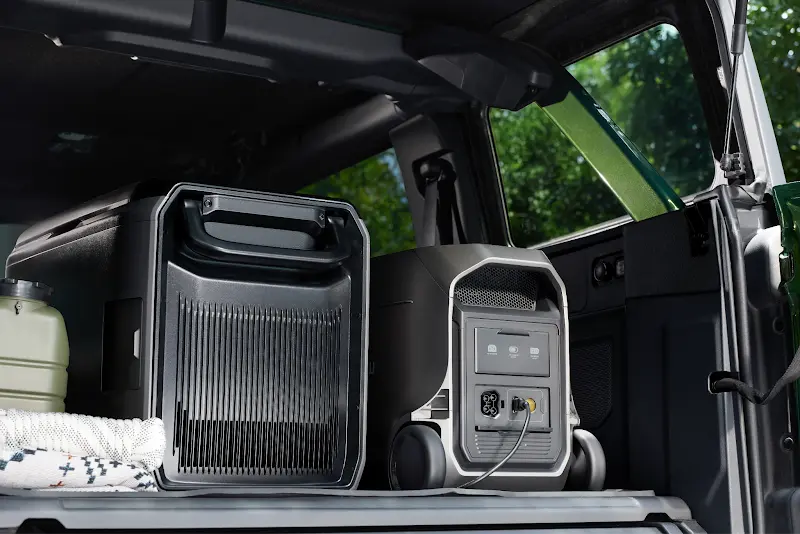
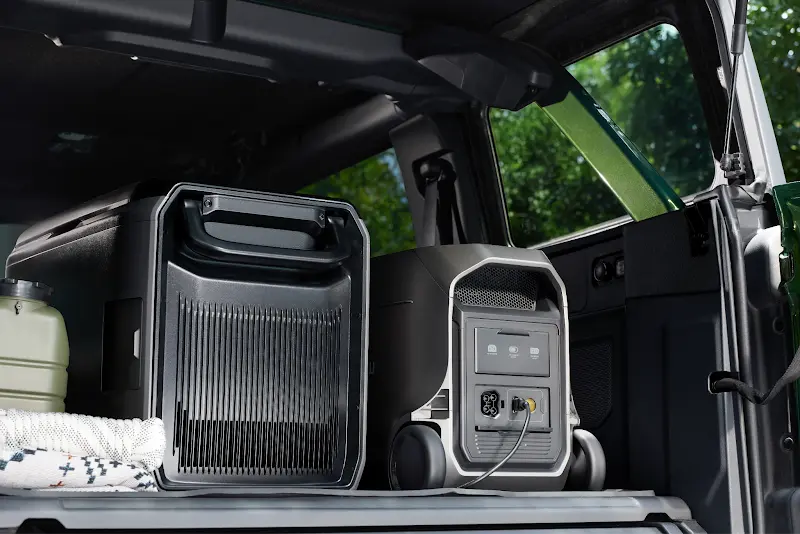
In a remote camp, you’re usually juggling fish finders, GPS units, and most importantly, food storage. High capacity units like the EcoFlow DELTA 3 Ultra Plus Portable Power Station (3072Wh) have become the gold standard for these multi-day trips, with expandable storage from 3 to 11kWh to match different power needs.
One of its key features is Smart Output Priority, which lets you use the app to choose which devices or circuits stay powered when energy needs to be managed. For example, you can use your phone to remotely kill non-essential camp lights while making sure every last watt stays dedicated to the freezer holding your catch. This gives you more control over essential loads like refrigeration during longer stays. It feels less like a bulky battery and more like a clever camp butler that’s got your back when you’re too tired to check the gauges.
Solar Recharging for Extended Stays
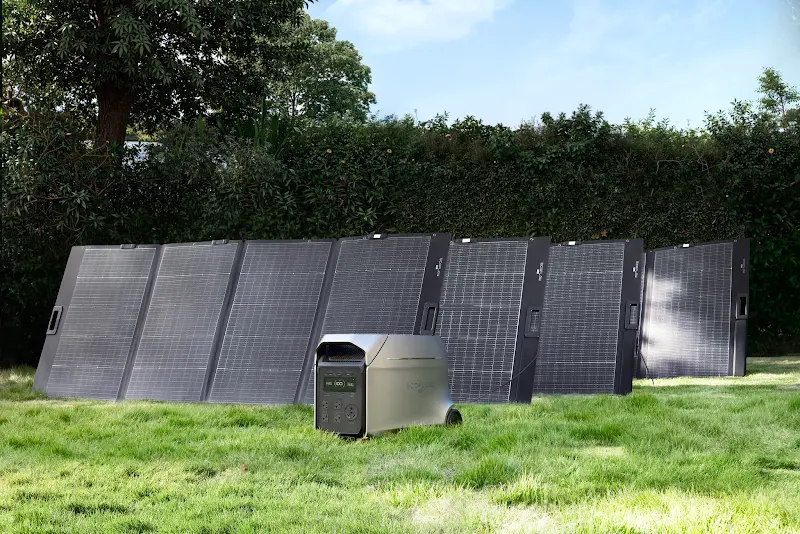
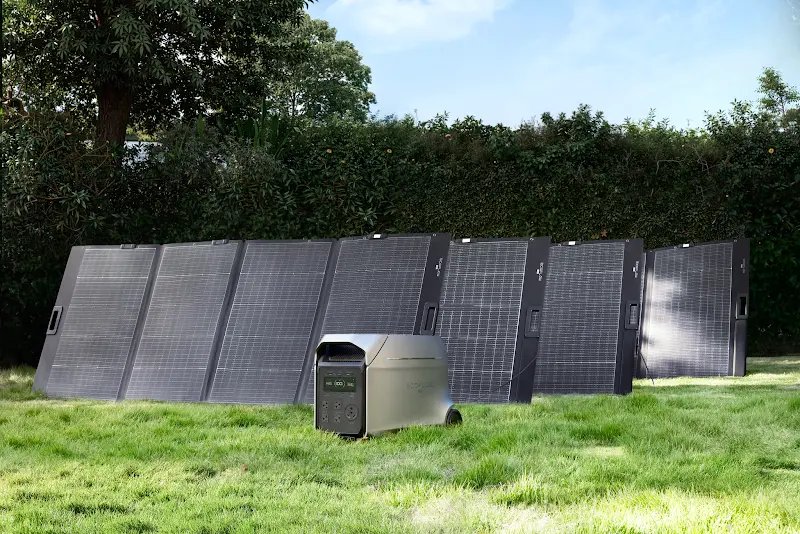
If you’re on a 10-day fly-in trip, solar is your lifeline. Modern portable panels are finally light enough that you can literally strap them to the top of a canoe. They provide a continuous trickle charge to your power station throughout the day, so you aren’t starting every morning at zero.
Undisturbed Fishing with Noise-Free Power
Gas generators are a nightmare in the bush. They’re loud, they smell, and they absolutely spook fish in quiet bays. Switching to a battery-powered solar generator means you can charge your trolling motor and electronics in complete silence. The only thing the fish will hear is the splash of your lure, giving you a stealthy advantage in pristine Canadian waters.
2026 Canadian Fishing Checklist
Before you hit the 401 or hop on a floatplane, make sure your logistics are squared away. Canada’s regulations are strict, and being prepared is the key to a stress-free trip.
Verify Provincial Fishing License Requirements: Every province (Ontario, BC, Saskatchewan, etc.) needs its own license. In BC, you now must have a Fish and Wildlife ID (FWID) through the WILD system; your old angler number is officially retired as of March 31, 2026.
Check 2026 Local Conservation Catch Limits: Saskatchewan now requires a $20 Angling Habitat Certificate for annual angling licences, while Ontario charges $26.57 for a one-year sport fishing licence plus an additional Outdoors Card fee. Before you head out, make sure you understand fishing license requirements in Ontario and local regulations to stay compliant.
Book Experienced Local Wilderness Guides: As Alberta’s walleye management regulations may vary by zone and season, including draw-based and quota-controlled harvest systems. Always check the latest Alberta fishing regulations handbook before your first cast.
Pack Your High-Capacity Power Station: Fully charge your DELTA 3 Ultra Plus before leaving. Pack a 72-hour emergency bag with a satellite communicator, the bush weather changes in minutes.
Prepare for Unpredictable Wilderness Weather Shifts: They do more than find fish, they ensure you’re compliant with new 2026 “Clean, Drain, Dry” inspections and keep you safe from local wildlife.
Conclusion
Freshwater fishing in Canada is a mix of raw nature and modern grit. As we head through the 2026 season, the experience is shifting, we’re seeing everything from new possession limits on invasive bass in Manitoba to high tech sonar that identifies weed edges in real time. By picking the right spots like Great Bear Lake, timing your run with the lunar cycles, and bringing along reliable off grid power, you’re setting yourself up for success.
The goal is to have your adventure defined by the trophies you land, not the gear that quit on you when you were three days into the bush. Whether you’re fly fishing in the Yukon or trolling the deep thermoclines of the Shield, having that extra layer of preparation makes the difference. Tight lines!
FAQ
1. Do I Need to Print My Canadian Fishing License?
Most provinces now accept a digital PDF on your phone, but in places like BC, anglers use the WILD system with a Fish and Wildlife ID (FWID) to access and display their licence digitally. I still suggest keeping a paper backup in a dry bag. If your phone takes a swim or the battery dies, you don’t want to be stuck explaining that to a conservation officer without a physical copy.
2. Is It Legal to Use Live Bait in Canada?
It depends on the zone. Many regions have strict bans to stop the spread of invasive species and whirling disease, which has been a major focus in the 2026 conservation handbooks. Always check the specific provincial regulations for your “honey hole” before you head out, as even “natural” bait from a different water body can land you a fine.
3. Can Bears Smell Food in a Cooler?
Yes, and they’re better at it than you think. A standard plastic cooler is basically a lunch box to a grizzly. Use bear-resistant containers or keep your food locked in a hard-sided vehicle or a bear-proof locker at night. Never keep anything scented in your tent unless you want an uninvited guest.
4. Can You Fish with Barbed Hooks in Canada?
Many catch-and-release waters and entire provinces, like Manitoba and parts of BC, mandate barbless hooks. Even where it’s legal, going barbless makes for a faster, safer release. It’s easier on the fish and a lot easier on your own hands if a hook ever slips during a struggle.