How to Create a Personal Emergency Evacuation Plan (Essential PEEP Checklist for Canadians)
- Why Every Canadian Needs a Personal Emergency Evacuation Plan (PEEP)
- What Is a Personal Emergency Evacuation Plan (PEEP)?
- Step-by-Step Guide to Creating Your PEEP
- Recommended Tools & Supplies for Emergency Preparedness
- Your Personal Emergency Evacuation Checklist
- Special Considerations for Canadians
- Common Mistakes to Avoid When Creating a PEEP
- Conclusion
- FAQs
From the ice storms that shut down Montreal to the wildfires tearing through the B.C. Interior, we live in a country where nature doesn’t really care about your weekend plans. Being prepared is a basic survival necessity when the rules change in a heartbeat, nothing paranoid about it.
If a “Warning” alert hits your phone at 3:00 AM, you don’t want to be wondering where the flashlights are or which road out of town is not underwater. This guide is a straightforward look at building your own Personal Emergency Evacuation Plan (PEEP). We’ve tailored it specifically for the Canadian climate, think -30°C winters and total grid failures, and included a comprehensive checklist to get your household ready before the next emergency actually hits.
Quick Answer: What Is a Personal Emergency Evacuation Plan (PEEP)?
A Personal Emergency Evacuation Plan (PEEP) is a customized roadmap that shows exactly how you and your family are going to get out safely during a crisis. Whether it’s a house fire, a wildfire, or a massive power outage, this plan covers your exit routes, how you’ll talk to each other when cell towers fail, and what gear is coming with you.
Why Every Canadian Needs a Personal Emergency Evacuation Plan (PEEP)
Up here, emergencies aren’t really a “maybe”, it’s more like a “when.” One day you’re dealing with a localized kitchen fire, the next it’s a province wide disaster that has everyone scrambling. When that stress hits, your brain kind of turns to mush. Panic sets in, and you start making really questionable choices. Having a pre-vetted plan means you aren’t standing in your living room wondering what to do while the clock is ticking. It is about making every second count toward getting out, not standing around in a state of total confusion. Plus, there’s a certain peace of mind that comes with it. Even if the Hydro cuts out or the cell towers get so congested that nothing loads, your family still has a physical roadmap to follow. It’s the difference between a controlled exit and a total gong show.
What Is a Personal Emergency Evacuation Plan (PEEP)?
Think of a PEEP as your personal “get out” playbook. It’s not some generic fire drill poster from an office lobby; it’s a customized plan that spells out exactly how your household exits during a crisis. The “Personal” part is the big thing here. It accounts for your specific life, like the fact that the basement stairs are steep or the dog hides when sirens go off. From the second an alarm blares until you’re in a safe zone, this is the guide that keeps everyone moving. It’s your survival strategy written down before the adrenaline hits.
Step-by-Step Guide to Creating Your PEEP
Building a solid strategy doesn’t need to be a massive, weekend-long project. If you break it into these six steps, you’ll have a professional grade safety plan ready by tonight.
Step 1. Identify Your Specific Risks
Start with what’s actually likely to happen in your backyard. Are you in a flood plain in Manitoba? Or maybe a part of Ontario where the grid tends to give up the ghost after a heavy dusting of snow? Pinpointing these risks helps you set your “evacuation triggers.” For those in the province, learning how to prepare for Ontario wildfires evacuations is a critical first step in your household safety plan. Basically, you need to know exactly when it’s time to pack the truck versus when you should just hunker down.
Step 2. Map Out Safe Exit Routes
Every room in your place needs two ways out. Period. Grab a piece of paper and draw a quick floor plan. Mark the primary and secondary exits. You also need a meeting spot far enough from the house, think a specific neighbor’s driveway or that big oak tree at the end of the block. For us, you’ve got to make sure those routes actually work when there’s four feet of snow on the ground or if a limb has crashed down across the porch.
Step 3. Assign Roles and Responsibilities
In the heat of the moment, nobody should be asking “what do I do?” Someone grabs the dog. Someone else grabs the “Go-Bag.” Another person checks the stove and the water mains. If you’ve got toddlers or seniors in the house, assign them a “buddy” immediately. You need pure muscle memory to take over so there is zero room for a debate. This is why we practice, it turns a chaotic scramble into a coordinated exit.
Step 4. Prepare an Emergency Go-Bag
Keep this bag right by your primary exit. We follow the standard GetPrepared.ca national list, but we’ve added “The Big Five” Canadian essentials that most generic checklists skip. You need enough to last at least 72 hours, think non-perishable food, water, and any meds you can’t live without. The real secret? Grab a waterproof folder. If you’re evacuating in a sleet storm, soggy papers are useless. Here is what goes inside:
Identification: Photocopies of your Passport, PR card, or Birth Certificate.
Health Cards: Copies of your provincial cards (OHIP, MSP, AHCIP). You don’t want to be arguing with a clinic in another town about your coverage.
Insurance Policies: Hard copies of your home and auto insurance. Don’t bet on your mobile app working when the cell towers are fried.
Cash in Small Bills: This is huge. In a real world power outage, Interac and credit card systems across Canada just stop. Keep $200-$500 in 5s and 10s. It’s for fuel and basic supplies when the “system” is down.
Emergency Contacts: A physical, printed list of out-of-province contacts and local services.
If you’re in a flood-prone area, a properly prepared kit becomes even more important. You can also refer to a detailed flood emergency kit shopping list for Toronto households.
Step 5. Plan for Communication
Don’t bet your life on your smartphone. When things go sideways, networks usually choke. You need to pick an out-of-town contact person everyone can call to check-in. This “central hub” person should live far enough away, like a cousin in Calgary or an aunt in Halifax, so they aren’t dealing with the same blizzard or fire you are.
Here’s the key: in a major Canadian emergency, cell towers bottleneck fast. Text, don’t call. A text message is way more likely to squeeze through a congested network than a voice call. It’s also smart to designate one “Social Media Captain” to update family status on WhatsApp or Facebook so you aren’t fielding fifty “are you okay?” calls when you should be driving.
Step 6. Practice and Update Your Plan
A plan is just a piece of paper until you’ve got the muscle memory to back it up. Run a “dry drill” twice a year. I usually suggest doing it once in the summer and once in the winter, it’s a totally different game trying to find the back gate in a snowbank at 6:00 PM. Use these sessions to update your contact list and check the expiry dates on your granola bars and canned goods. Trust me, nobody wants to find out their emergency rations turned into a science project three years ago. Also, keep a physical copy of the plan in your glove box. If your phone battery dies or the screen cracks during the scramble, you’ll be glad you have that low-tech backup.
Recommended Tools & Supplies for Emergency Preparedness
A plan is your foundation, but the gear you pack is what keeps you functional when the world outside turns chaotic. The right tools can turn a potentially dangerous situation into something manageable.
Emergency Kits
At a minimum, you need a solid flashlight, extra batteries, a multi-tool, and water, figure on 2 litres for drinking and another 2 for hygiene per person, per day. Since we’re in Canada, a “space blanket” or high-quality emergency bivvy is non-negotiable. Hypothermia is a real threat during winter evacuations, and those thin metallic sheets can literally be life savers.
Portable Power Stations (for outages)
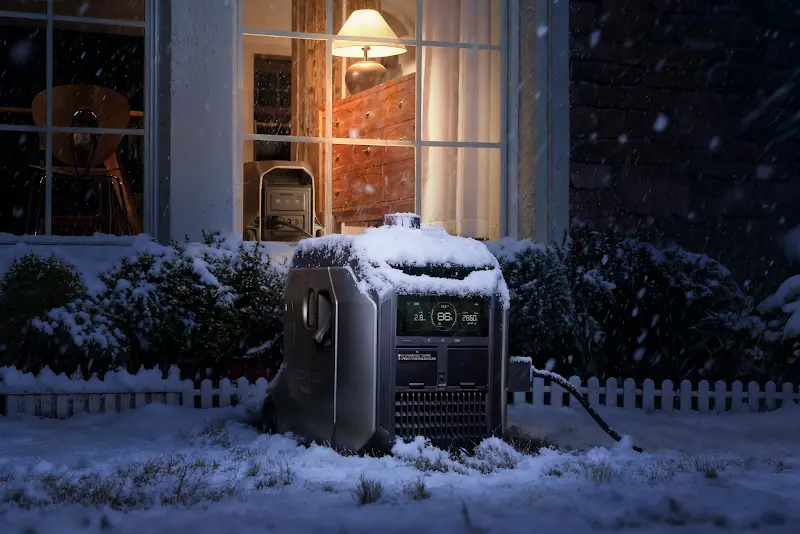
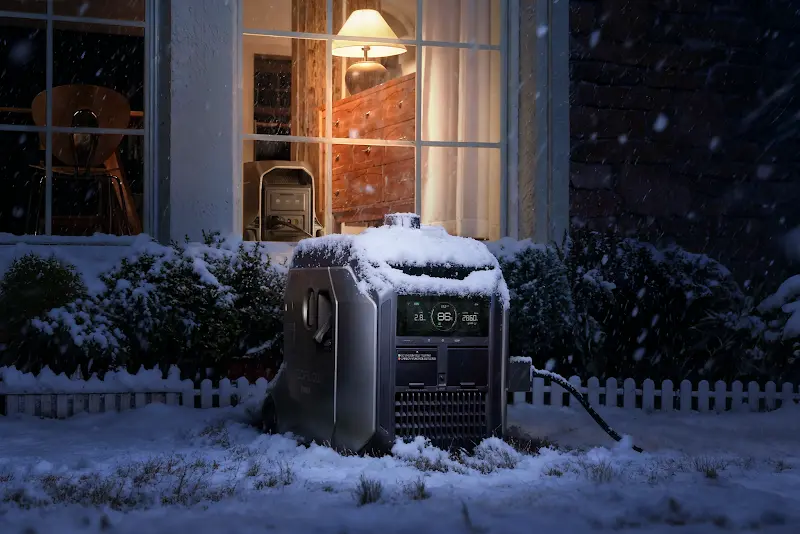
Not every house in Canada needs a massive, permanent backup system, but having a way to keep the lights on during a short term outage or a frantic evacuation is a total game changer. If you’re in a wildfire zone in B.C. or Alberta, you might only get ten minutes to toss your life into a truck. In those high-stress moments, a portable unit like the EcoFlow DELTA 3 Max Plus Portable Power Station (2048Wh) is gold.
It’s compact enough to shove into your trunk next to the Go-Bag, but it packs enough punch to keep your phones, two-way radios, and emergency lighting alive. If someone in your house uses a CPAP machine or other medical gear, this becomes less of a “nice-to-have” and more of a lifeline. It bridges that gap between having a plan and actually being able to survive and stay connected while you’re stuck in a temporary shelter or a roadside turnout. Plus, it’s a lot easier to deal with than a loud, smelly gas generator when you’re already on edge.
Weather Radios
The internet is usually the first thing to go. A hand-crank or battery-powered Weatheradio Canada is your most reliable lifeline for official updates when networks fail. A solar generator can also help keep essential low-power devices like radios and phones charged during extended outages.
First Aid Kits
Stock up on the basics, bandages, antiseptic, and whatever specific meds your family needs. Here’s a tip: toss a physical first aid manual in there. You don’t want to be trying to remember how to treat a burn or a deep cut when you can’t look up a YouTube tutorial. Also, don’t forget a small bag of high calorie snacks. Thinking on an empty stomach is hard enough; doing it while stressed and cold is impossible. To thumb up, get the gear ready before you actually need it.
Your Personal Emergency Evacuation Checklist
You can start building your plan right now. Use the checklist below to audit your household’s readiness. Pro-Tip: Take a screenshot of this section so you have it in your photo gallery offline.
1. Essential Documentation (The Waterproof Folder)
Proof of Identity: Waterproof copies of Passports, PR cards, or Birth Certificates.
Provincial Health Cards: Copies for every family member (OHIP, MSP, AHCIP, etc.).
Insurance Documents: Hard copies of home and auto policies.
Cash: At least $200–$500 in small bills ($5s and $10s).
2. Communication Plan
The “Out-of-Province” Contact: Name and number of someone living at least 500km away.
The Text-First Rule: Everyone knows to send a SMS instead of calling to save bandwidth.
Emergency Meeting Spots:
Spot A (Immediate): A landmark right outside the house (e.g., “The big oak tree”).
Spot B (Neighborhood): A location outside your immediate area (e.g., “The local community center”).
3. Critical Gear & Power
Go-Bag Location: Staged near the primary exit.
Backup Power: Portable power station (like an EcoFlow) is charged to 100%.
Lighting: One high-lumen flashlight per person + extra batteries.
The 72-Hour Rule: 4 liters of water and 2,000 calories of food per person, per day.
Special Considerations for Canadians
Prepping for a crisis in Canada involves some unique hurdles you won’t find in those generic “one-size-fits-all” safety guides. Our geography and climate pretty much dictate the rules here.
Planning for Extreme Winter Conditions
Bailing out of your house in -30°C is a totally different beast than a spring evacuation. If you’re stuck in a whiteout, that PEEP needs to account for more than just an exit route. You’ve got to “winterize” the plan.
Also, keep the gas tank at least half full, always, and toss a shovel and some traction sand in the back of the car. Your Go-Bag needs a serious rethink for the cold, too. Pack high calorie snacks like peanut butter or dense granola bars; your body burns through its own fuel way faster just trying to maintain a safe core temp in a deep freeze. Here’s the key: in a Canadian winter, the cold is just as dangerous as the emergency itself. Essentially, if you can’t stay warm while you’re moving, the rest of the plan doesn’t matter much.
Wildfire Evacuation Readiness (Western Canada)
If you’re out West, “Ready to Go” is a full blown lifestyle during fire season. From May through September, you keep the truck pointed toward the street and the Go-Bag right by the front door. Also, make sure everyone knows the “10-minute rule.” If the order comes, you don’t spend time looking for things; you just grab the bag and get out. It’s about being fast enough to beat a fire that doesn’t follow a schedule.
Power Outages and Grid Failures
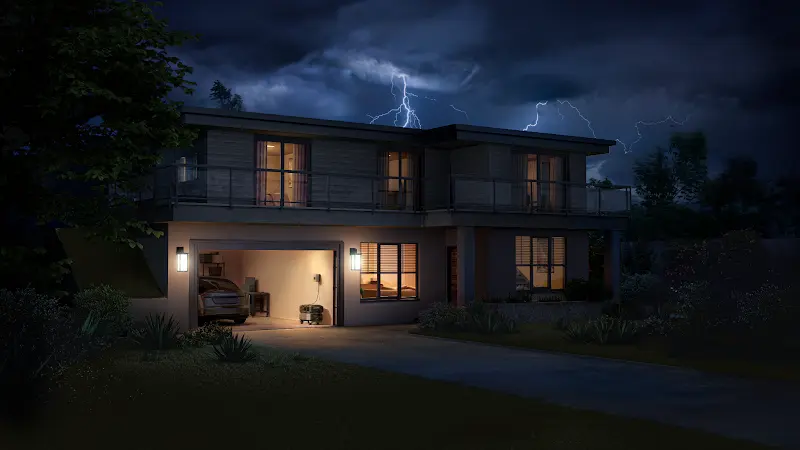
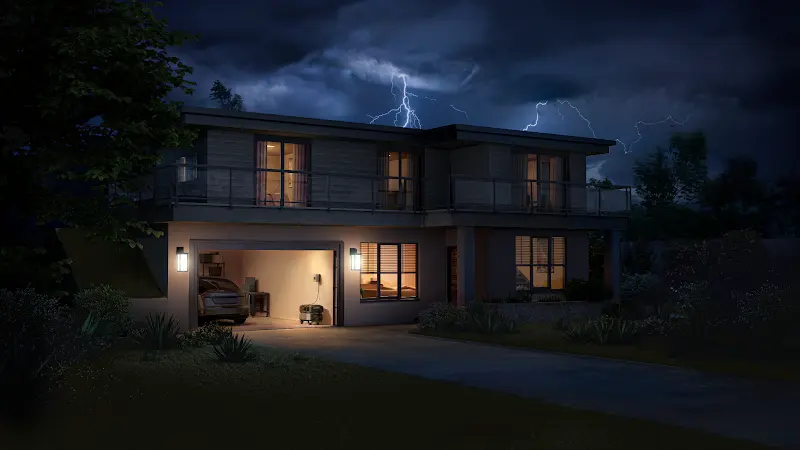
In provinces like Ontario and Quebec, ice storms aren’t just a nuisance, they’re a legitimate threat that can knock the Hydro out for days. When the heat dies and the house starts to feel like a walk-in freezer, just having a map of the exits is not enough. You need the ability to “hold the fort” when the roads are too iced over to even think about driving.
This is where a high-capacity backup like the EcoFlow DELTA Pro Ultra Whole-Home Backup Power actually changes the game. It’s beefy enough to run your furnace, keep the fridge from spoiling, and power essential medical gear through the worst of a deep freeze. Having that kind of juice in your PEEP gives you “decision space.” Instead of a panicked scramble into a blizzard, you can stay warm and safe while you evaluate if you actually need to bail or if you can ride it out.
The reality is, a 12-hour outage is a minor hiccup, but a 72-hour one in January is a crisis. Being able to keep your house functional during that window is the ultimate safety net. It buys you time, and in a Canadian winter, time is the one thing you can’t afford to waste.
Common Mistakes to Avoid When Creating a PEEP
You can have the most detailed document in the world, but it’s useless if it doesn’t work when the lights go out. Most people trip up on the same few things. Avoid these, and you’re already ahead of 90% of the population.
Not practicing the plan: Knowing the plan in your head is useless when you’re fumbling in the dark with a screaming alarm. If you haven’t physically walked the route, it’s just a theory.
Ignoring mobility or medical needs: Don’t plan for your “best day.” Account for the extra time needed for seniors, kids, or anyone with a bum knee.
Relying only on digital documents: Phones die and screens crack. A paper copy in your Go-Bag is the only thing that works when the power is at 0%.
Not updating contact info: People change numbers all the time. If your out-of-province contact is out of date, you’ve got no central hub when the grid fails.
Conclusion
Building a Personal Emergency Evacuation Plan is easily the most productive thing you can do for your family this year. It moves you past the “it won’t happen to me” mindset and into the reality of Canadian life. By pinning down your risks, mapping exits, and securing reliable backup power like an EcoFlow, you aren’t just reacting to a disaster, you’re managing it. You go from being a victim of the weather to a prepared Canadian who knows exactly what to do when the alerts start hitting. Start filling out your checklist today. It’s a small move, but it’s the only way to get some actual peace of mind before the next storm rolls in.
FAQs
1. Is it a legal requirement to have a PEEP?
Not for your average homeowner. But, if you’re a landlord or an employer in Canada, it’s often a different story. In those cases, you’re usually mandated to have a plan to keep everyone safe. For a private house? It’s just common sense.
2. How often do evacuation diagrams need to be updated?
At least once a year. Or, honestly, the second you renovate a room or someone new moves in. A plan based on an old layout is just a recipe for confusion when you’re in a rush.
3. Where should I store my emergency plan?
Toss a copy in your “Go-Bag” right by the door. I also keep a spare in the glove box of my truck. If you have to bail and forget the bag, at least the car has the backup.
4. Who needs to have a personal emergency evacuation plan (PEEP)?
Pretty much everyone. But it’s critical if you’re in a multi-story place, have a family with mobility issues, or live in a “hot zone” for floods or fires. If nature can knock on your door, you need a PEEP.