Best Lithium Solar Batteries in 2026 Reviewed for South African Homes
South Africa’s rising electricity costs is driving more households to invest in reliable backup power. In 2026, lithium solar batteries have become a popular solution thanks to their longer lifespan, faster charging, and better performance during frequent outages. Compared with traditional lead-acid batteries, LiFePO4 systems are better suited for daily cycling and home backup use. This guide reviews the best lithium solar batteries in 2026 and explains how to choose the right option for your energy needs.
Why Lithium Solar Batteries Are Dominating in 2026
Modern households need energy storage systems that can support daily electricity use while reducing long-term power costs. Lithium solar batteries provide stable performance, low maintenance requirements, faster recharge times, and more efficient energy storage than older battery technologies, making them one of the most practical home backup solutions in South Africa today.
Better Performance During Daily Load Shedding
Frequent power outages require batteries that can charge and discharge repeatedly without rapid degradation. Lithium solar batteries are built for daily cycling, allowing them to maintain stable performance even during continuous load shedding schedules.
This makes them more reliable for powering essential appliances such as:
Wi-Fi routers
TVs
laptops
lights
fans
communication devices
during repeated outages.
LiFePO4 Batteries Last Much Longer
LiFePO4 batteries typically offer thousands of charging cycles, significantly outperforming traditional lead-acid batteries. Many modern lithium solar batteries can maintain strong performance for years before noticeable capacity loss occurs.
For households relying on backup power almost every day, the longer lifespan of lithium batteries helps reduce replacement frequency and lowers long-term ownership costs.
Faster Recharging Between Outages
One of the biggest concerns during load shedding is whether a battery can recharge before the next outage begins. Lithium solar batteries support much faster charging speeds than lead-acid systems, helping households stay prepared between blackout periods.
When paired with solar panels, many lithium battery systems can also recharge efficiently using solar energy during daylight hours, reducing dependence on the grid.
Safer and Easier to Maintain
Modern LiFePO4 batteries are designed with advanced safety protections against overheating, overcharging, and short circuits. They are also more thermally stable than many older battery technologies.
Unlike lead-acid batteries, lithium systems generally require little maintenance, making them easier and safer for indoor home use.
Best Lithium Solar Batteries Reviewed in 2026
Different households require different levels of backup power. Some users only need to keep Wi-Fi and lights running, while others need enough energy storage for fridges, TVs, and longer outages. The following lithium solar battery systems are among the best options for South African households in 2026.
Best for Essential Load Shedding Backup
Reliable backup power is especially important for medical and emergency devices during electricity interruptions. Lithium solar batteries can provide stable energy support for devices such as CPAP machines, phones, lights, communication equipment, and Wi-Fi routers, helping households maintain basic comfort and connectivity during outages.
For light everyday backup needs, the EcoFlow RIVER 3 Portable Power Station (10 ms UPS) + 110W Lightweight Portable Solar Panel offers a more compact and portable solution. Featuring a stable LiFePO4 battery and lightweight design, it is easy to move between rooms while supporting essential devices during short-term power interruptions. When paired with a 110W portable solar panel, the system can recharge efficiently using solar energy, providing flexible backup power for everyday emergency situations.
Best for Family Home Backup
Portable solar generators powered by lithium batteries have also become a practical alternative to traditional fixed backup systems, especially for households looking for flexible energy storage without complex installation. For homeowners wanting a reliable backup solution, the EcoFlow DELTA 2 Max Solar Generator (PV400W) is a strong option for everyday home energy support.
Equipped with a long-lasting LiFePO4 battery and expandable 2–6kWh capacity, the DELTA 2 Max Solar Generator (PV400W) can support essential household devices such as lights, Wi-Fi routers, TVs, and laptops during electricity interruptions.
When paired with 400W solar panels, it can recharge efficiently using available solar power, providing a more flexible and reliable home backup solution for everyday use.
Best for Extended Solar Energy Storage
For larger homes or users planning more advanced solar energy storage systems, higher-capacity lithium batteries provide greater flexibility and longer runtime.
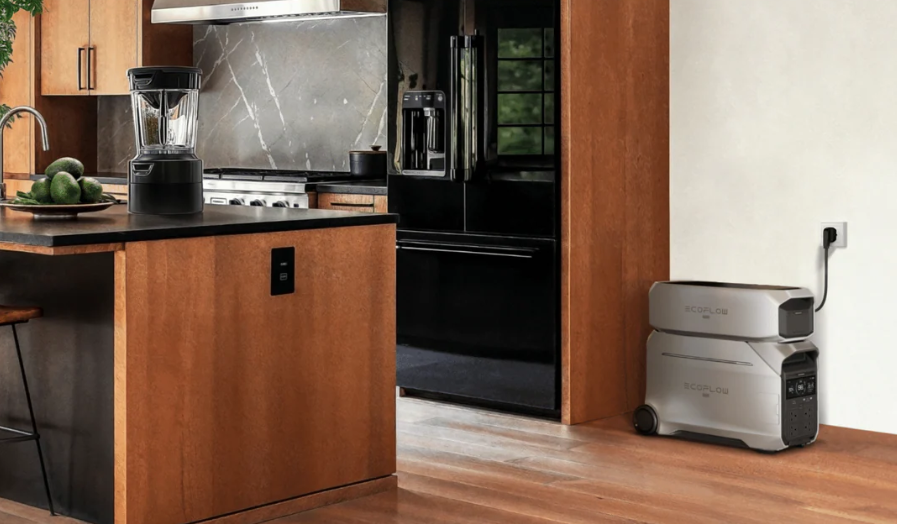
The EcoFlow DELTA Pro 3 supports scalable energy storage and can integrate with larger solar setups for more comprehensive backup power coverage. This makes it suitable for households wanting extended power during severe load shedding or aiming to reduce long-term reliance on the grid.
Its higher output capacity also supports heavier appliances and multiple devices simultaneously, making it a practical option for more demanding home energy needs.
What to Look for Before Buying a Lithium Solar Battery
Before choosing a lithium solar battery system, it is important to evaluate your household’s backup needs carefully.
Battery Capacity:Higher-capacity batteries provide longer runtime and can support more appliances simultaneously.
Output Power:Check whether the system can handle the wattage requirements of your appliances, especially refrigerators and kitchen devices.
Solar Charging Speed:Fast solar charging becomes particularly important during frequent load shedding schedules.
Expandability:Expandable battery systems provide more flexibility for future energy needs.
Inverter Compatibility:Ensure the battery system is compatible with your inverter or existing solar setup.
UPS Functionality:UPS support helps maintain smoother power continuity for sensitive electronics during sudden outages.
Warranty and Cycle Life:Longer warranties and higher cycle ratings often indicate better long-term durability.
Conclusion
Lithium solar batteries offer a versatile and efficient way to store and manage solar energy for a variety of applications. By understanding their features, choosing the right products, and following proper maintenance practices, users can maximize performance, extend battery life, and enjoy reliable power whenever it is needed. Whether for home use, outdoor activities, or portable setups, these batteries provide a practical and sustainable solution for modern energy needs.
FAQs
What type of lithium battery is best for solar?
Comparing different types of batteries highlights how technologies like lithium-ion, LiFePO4, and lead-acid perform in solar storage systems. In South Africa, LiFePO4 stands out as the ultimate backup solution, offering longer lifespans, enhanced thermal safety, and dependable daily cycling during relentless grid interruptions.
How long will a lithium solar battery last?
The lifespan of a lithium solar battery typically ranges from 5 to 15 years, depending on the battery’s quality, usage, and maintenance. Regularly charging the battery correctly, avoiding extreme temperatures, and monitoring its condition can help maximise its longevity. With proper care, lithium solar batteries can provide reliable energy storage and consistent performance for many years, making them a practical and long-term solution for both home and portable applications.
Are lithium solar batteries safe to use indoors?
Yes, lithium solar batteries are generally safe for indoor use when following the manufacturer’s guidelines. They are designed to be stable, with built-in protection against overcharging, short circuits, and overheating. For safety, place the battery in a well-ventilated area and avoid direct heat sources. With proper handling, these batteries provide a reliable and secure power source inside your home or office.
How are lithium solar batteries different from regular batteries?
Lithium solar batteries differ from regular batteries in efficiency, lifespan, and performance. They offer higher energy density, more charge cycles, and faster charging. Unlike traditional lead-acid or alkaline batteries, lithium solar batteries are lightweight, maintain stable voltage, and store renewable energy efficiently. This makes them ideal for solar storage, portable power stations, and applications that require consistent and long-lasting power.