The Ultimate Winter Car Emergency Kit Checklist: What to Pack for 2026 Winter
- Winter Car Emergency Kit: Quick Checklist
- Winter Emergency Car Kit: Dead Battery in Extreme Cold
- Winter Emergency Kit for Car: Stranded and Losing Heat
- Winter Emergency Car Kit List: Full Packing List by Category
- Emergency Car Winter Kit: 3 Setups by Driving Style
- Where to Store Your Kit in the Car
- 2026 Maintenance Checks
- Ready for Anything on Winter Roads
- FAQs
Winter roads don't care about your schedule. When temperatures drop and snow piles up, a breakdown becomes a survival situation fast. While most drivers pack a scraper, true preparation for 2026 means addressing the two biggest threats: a dead battery preventing you from moving, and a loss of cabin heat threatening hypothermia. This guide upgrades the traditional winter car emergency kit into a proactive safety system that ensures you stay warm, powered, and ready for rescue.
Winter Car Emergency Kit: Quick Checklist
If you are rushing out the door, these are the absolute essentials. This winter emergency car kit list covers the critical basics to keep you safe until help arrives.
12 Must-Pack Items
Portable Jump Starter: Lithium-ion based (don't rely solely on cables).
Portable Power Station: Ideally 1kWh capacity for heat and communication.
Electric Blanket: 12V or standard AC plug (requires power station).
Snow Shovel: Compact, collapsible metal or heavy-duty plastic.
Ice Scraper & Snow Brush: Long-handled for reaching the roof.
Flashlight & Headlamp: With extra lithium batteries.
First Aid Kit: Enhanced with personal medications.
Warm Clothing: Beanie, heavy gloves, and wool socks.
Non-Perishable Food: Energy bars, nuts, or dried fruit.
Water: In flexible containers (to allow for expansion if frozen).
Reflective Triangle/Flares: For roadside visibility.
Sand or Kitty Litter: For traction on ice.
Winter Emergency Car Kit: Dead Battery in Extreme Cold
The most common reason motorists get stranded is a battery failure. Your winter emergency car kit must prioritize getting your vehicle started independently, without relying on the kindness of strangers.
Why Cold Weather Drains Batteries Faster
Statistics show that at 32°F, a car battery loses about 35% of its strength. At 0°F, it loses 60%. Simultaneously, your engine requires nearly twice as much power to start because the oil has thickened. This creates a "double threat" where the battery is weak exactly when the engine is hardest to turn over.
Must-Have: A Jump Starter (What to Look For)
Jumper cables are useful, but they require a second vehicle—which might not be around in a blizzard. A modern winter emergency kit for car setups must include a portable lithium jump starter. Look for one rated for your engine size (gas or diesel). It allows you to self-rescue in seconds.
Backups: Jumper Cables, Gloves, and Basic Tools
Even with a jump starter, keep heavy-duty jumper cables as a backup. Pair these with insulated rubber-grip gloves. Handling metal clamps in sub-zero temperatures can cause frostbite instantly. A small wrench set is also vital in case you need to tighten loose terminal connections that shrank in the cold.
Where to Store Power Gear So It Still Works
Lithium batteries perform poorly if frozen solid. Do not leave your jump starter in the trunk overnight if temperatures drop below zero. Keep it in the glove box or bring it inside the house, packing it into the car only when you drive. This ensures the unit has full cranking amps when you need it most.
Winter Emergency Kit for Car: Stranded and Losing Heat
If the car cannot be restarted, or if you are stuck in a massive pileup for 12 hours, the engine eventually stops. Once the engine stops, the heat stops. This is where a modern emergency car winter kit differs from the old-school ones.
Why the Cabin Gets Cold So Fast When You’re Stopped
Cars are made of metal and glass—poor insulators. Without the heater running, the interior temperature can drop to match the outside temperature in as little as 30 to 45 minutes. You need a strategy to retain body heat and generate active heat without burning gasoline.
Wear-To-Warm Basics (Layers, Hat, Gloves, Socks)
Your first line of defense is clothing. Cotton kills in winter because it holds moisture. Pack wool or synthetic layers. A heavy beanie is critical, as a significant amount of heat is lost through the head. Waterproof ski gloves are superior to standard knit gloves for digging out snow.
Run-To-Warm Option: Electric Blanket + Backup Power
Passive layers can only trap existing body heat. In 2026, we have the technology to generate new heat safely. An electric blanket can be the difference between a miserable night and a safe one. However, running this off your car's main battery will kill the car, leaving you stranded. You need an independent power source.
Practical Power Example: A Portable Power Station for Warmth
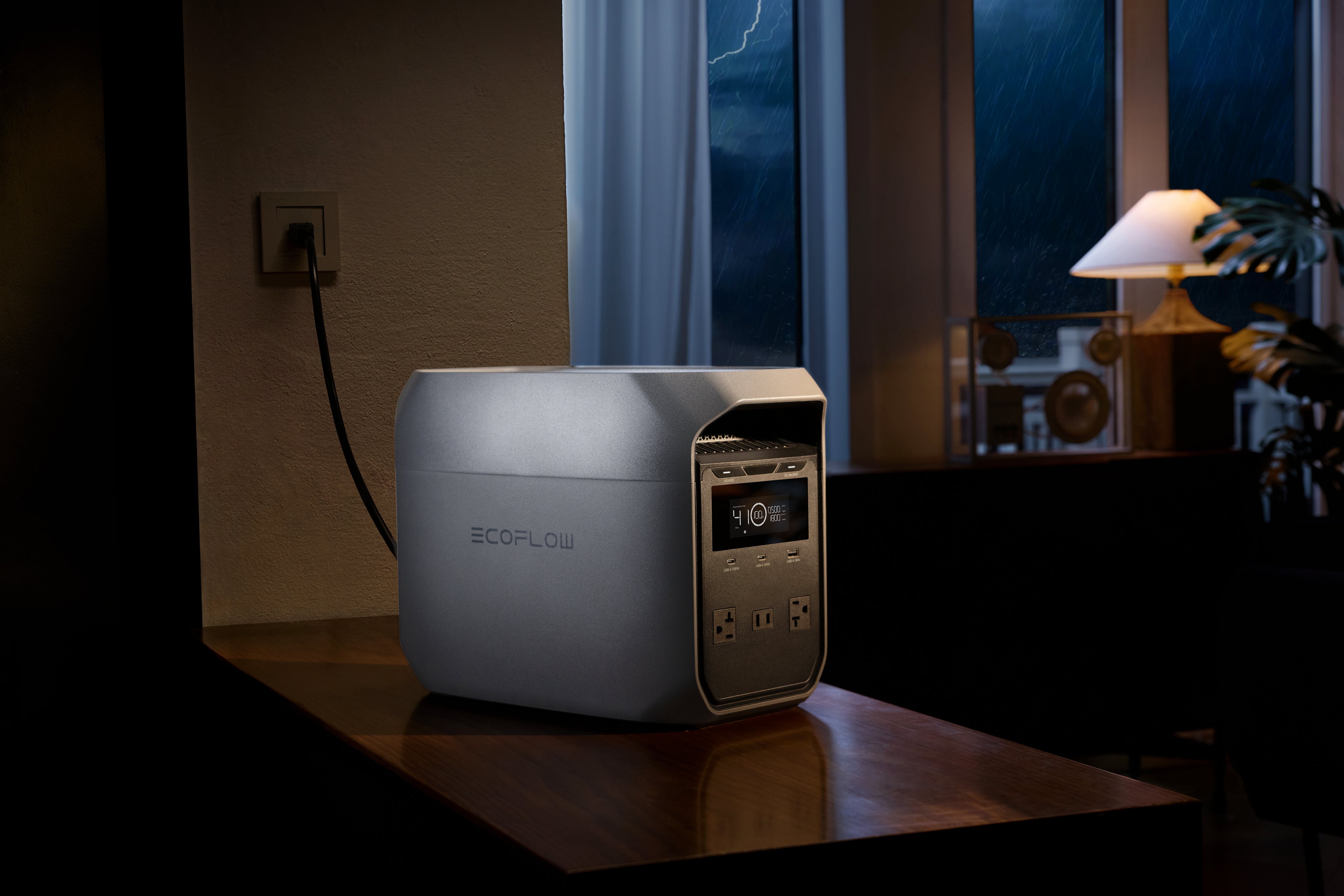
This is the game-changer for your winter car emergency kit. A portable power station, like the EcoFlow DELTA 3 Classic, acts as a massive independent battery for your survival gear.
Instead of idling your car and risking carbon monoxide poisoning or running out of gas, you can plug a standard electric blanket directly into the DELTA 3. With 1024Wh of capacity, it can power a heated blanket for an entire night, keeping your core body temperature safe while you wait for snowplows.
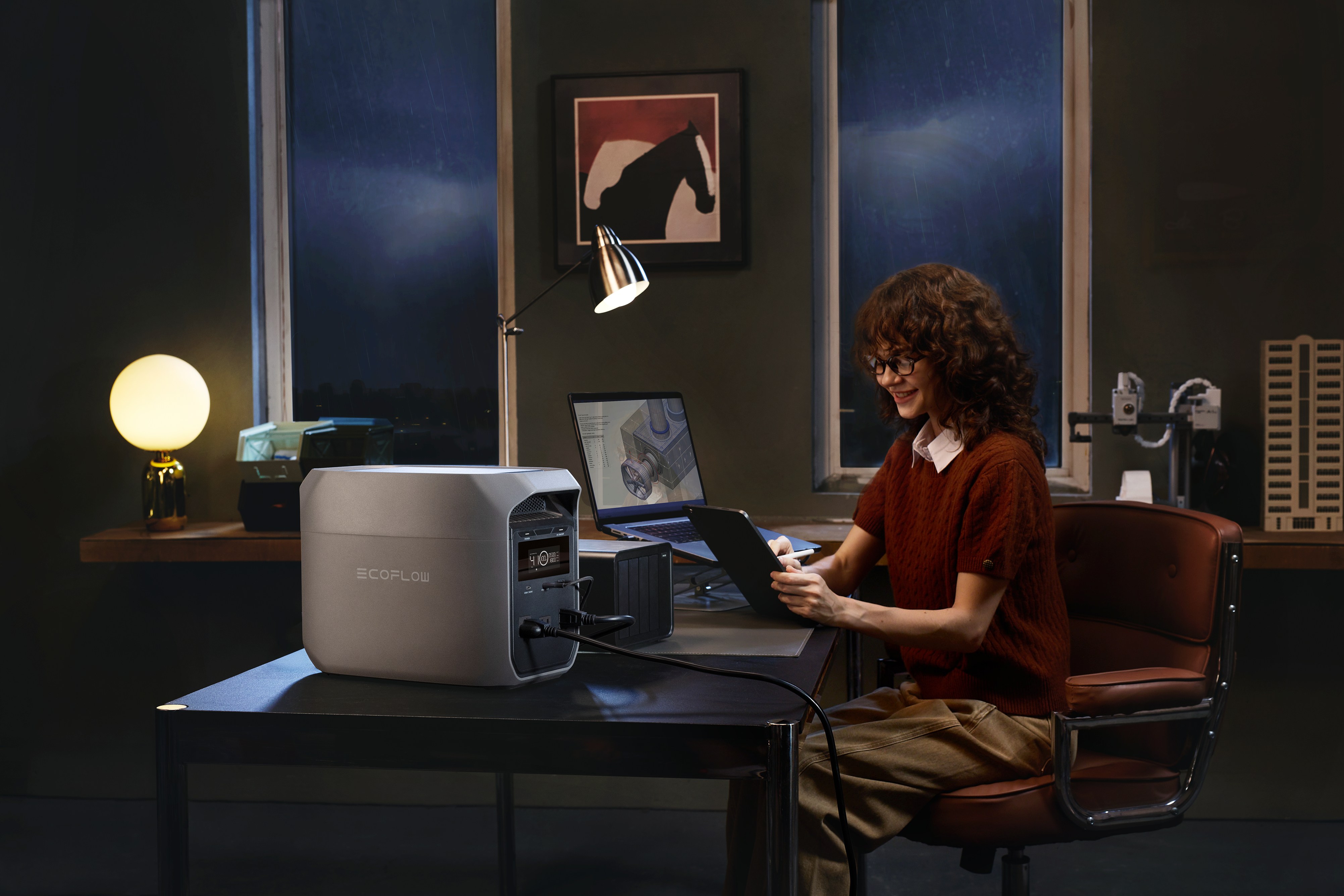
Beyond warmth, it ensures your communication lines never go down. The DELTA 3’s powerful output handles laptops and multiple phones simultaneously, ensuring you can keep checking weather maps, calling emergency services, or sharing your GPS location without fear of a dead phone. Because it charges from 0–80% in just 45 minutes via a wall outlet, you can top it off quickly before heading out into a storm. It’s compact enough to sit in the footwell or trunk, providing a silent, fume-free "life raft" of energy.
Winter Emergency Car Kit List: Full Packing List by Category
To build the ultimate winter emergency car kit list, we need to go beyond the basics. Here is the comprehensive breakdown to ensure you are ready for any scenario.
Visibility and Roadside Safety
LED Road Flares: Battery-operated flares last longer than chemical ones and are safer.
Reflective Vest: If you exit the vehicle to shovel, other drivers must see you through the falling snow.
Whistle: To signal rescuers if you are down an embankment and cannot yell.
Snow and Ice Tools
Collapsible Shovel: Metal blades cut through ice better than plastic.
Windshield Cover: Prevents ice buildup while you are stopped.
Rock Salt or Ice Melt: Helps clear a patch under your tires for traction.
Traction and Recovery
Traction Mats or Cat Litter: Place these under the drive wheels if you are spinning on ice.
Tow Strap: Ensure it has no metal hooks (which can become projectiles) and is rated for your vehicle's weight.
Tire Chains/Cables: Essential for mountain passes, even if you have AWD.
First Aid and Personal Meds
Standard First Aid Kit: Bandages, antiseptic, gauze.
Prescription Meds: Keep a 3-day supply of any critical daily medications.
Hand Warmers: Chemical packets that activate when shaken; stick them in gloves or socks.
Food and Water
Calories: High-energy food like protein bars, chocolate, or jerky.
Water: Avoid filling bottles to the top; leave air space so the water can freeze and expand without bursting the bottle. Metal cups are good in case you need to melt snow.
Power and Communication
Multi-Cable Charger: USB-C, Lightning, and Micro-USB tips.
Power Station: As mentioned, a unit like the EcoFlow DELTA 3 ensures you have AC power for heat and DC power for devices.
Spare Batteries: For flashlights and radios.
Tools and Quick Repairs
Multi-Tool: Pliers and a knife blade are essential.
Duct Tape: For temporary fixes on cracked hoses or broken windows.
Spare Wiper Blades: Heavy snow can snap a wiper arm or tear the rubber.
Emergency Car Winter Kit: 3 Setups by Driving Style
Not every driver needs the same gear. Tailor your emergency car winter kit to your specific environment.
City Commuting
Focus: Visibility and quick warmth.
Key Items: Jump starter, cell phone charger, warm coat, ice scraper.
Why: You are likely close to help, but waiting for a tow truck in freezing temps takes hours.
Highway Road Trips
Focus: Endurance and self-sustainment.
Key Items: EcoFlow DELTA 3 Classic, electric blanket, food/water for 24 hours, reflective triangles.
Why: On long stretches of highway, road closures can trap you for a full day or overnight.
Snow Belt and Mountain Driving
Focus: Heavy-duty recovery and survival.
Key Items: Tire chains, heavy-duty shovel, traction boards, sleeping bag rated for 0°F, full first aid trauma kit.
Why: Help may not be able to reach you for days; you must be self-sufficient.
Where to Store Your Kit in the Car
A winter emergency kit for car safety is useless if you can't reach it.
30-Second Grab Items (Cabin)
Keep these within arm's reach of the driver's seat:
Flashlight.
Phone charger.
Window breaker/Seatbelt cutter tool.
Gloves and hat (in the glove box).
Bulky Gear (Trunk)
Store the heavy items in a crate or tub in the trunk:
Shovel and traction mats.
Food and water.
Blankets.
Tip: Secure the crate so it doesn't become a projectile during a sudden stop.
2026 Maintenance Checks
Monthly Kit Check
Once a month, open your winter emergency car kit list and check the expiration dates on food and hand warmers. Verify that your jump starter and power station are fully charged.
60-Second Pre-Drive Check
Before any long winter drive, do a quick walk-around. Check tire pressure (cold air lowers pressure), top off washer fluid with de-icing formula, and ensure your gas tank is at least half full to prevent fuel line freeze-up.
Ready for Anything on Winter Roads
Building a comprehensive winter car emergency kit is about shifting your mindset from "hoping for the best" to "prepared for the worst." In 2026, the two pillars of survival are reliable vehicle start-up and maintaining body temperature.
By combining traditional tools like shovels and traction mats with modern energy solutions like the EcoFlow DELTA 3 Classic and a portable jump starter, you create a proactive safety layer. You aren't just waiting for help; you are waiting in a warm, powered environment, fully connected to the outside world. Stay safe, stay warm, and drive with confidence this winter.
FAQs
Q1: If you get stuck in the snow, is it safe to idle your car to stay warm?
Idling is dangerous. If your exhaust pipe gets blocked by snow, carbon monoxide, which has no smell and is deadly, can back up into the car. If you have to run the car to stay warm, make sure the tailpipe is clear, only run the engine for 10 minutes every hour, and open the window a little bit to let fresh air in. A heating system that runs on batteries is a lot safer.
Q2: If I Have AWD, Do I Need Chains?
Yes, you might. All-Wheel Drive (AWD) helps you go, but it doesn't help you stop or turn on ice. In tough weather or on mountain passes, chains or snow cables are often required on all cars, even 4WD and AWD, by law enforcement. Unlike rubber tires, chains give the car the grip it needs to dig into the ice.
Q3: What Can I Do to Make Sure Water Doesn't Freeze?
In cars that are below zero, water bottles will freeze. To prevent bottles from cracking, leave an inch of space at the top before freezing so that the water can expand. Another option is to keep water in a small cooler in your trunk. The insulation that keeps things cold in the summer will help keep the water from freezing in the winter.
Q4: How can I know that my jump starter will work in cold weather?
Check your jump starter's specs for "Operating Temperature." Most lithium starters have a hard time below 32°F. Do not keep it in the car overnight, as cold temperatures can affect its performance. Keep it in your warm house and take it with you when you go out. If it's cold, warm the battery unit inside your jacket for 15 minutes before trying to jump the car.
Q5: How Long Can a Power Station Run an Electric Blanket?
It depends on how big the battery is and what setting the blanket is on. On medium, a regular electric blanket uses about 50 to 75 watts. A 1024Wh power station, such as the EcoFlow DELTA 3 Classic, can run for about 10 to 14 hours straight. This was calculated by taking 1024Wh × 0.8 (the efficiency) ÷ 60W (the power of the device) = about 13.6 hours. This will keep you warm all night.
For press requests or interview opportunities, reach out to our media team
media.na@ecoflow.com