Why Do We Give Gifts on Christmas Day?
Every year, people worldwide exchange packages with their loved ones under decorated Christmas trees. Have you ever stopped while wrapping job to ponder the reasons behind all this? The tradition of giving Christmas gifts is more than a marketing activity in the festive season or a familial responsibility. The tradition has roots in ancient civilizations worldwide to modern psychology theories.

Gift Giving Traditions Around the World
The tradition of giving is not practiced in America alone but is practiced all over the world. Giving is a language that is common to all, irrespective of religion, borders, and culture. The thought remains the same though festivals are different; giving brings people closer as it shows that we care.
Is Gift Giving Common Globally?
Yes, nearly every culture has established gift-giving traditions. These customs often center around major holidays or life events, though the specific practices differ widely.
Europe and the United States: Christmas and Easter gift-giving practices date back centuries, with wrapped presents under decorated trees becoming the most recognizable tradition worldwide
China: Red envelopes (hongbao) filled with money during the Chinese New Year symbolize good luck and prosperity for the coming year
Japan: Omiyage involves bringing back souvenirs for friends and colleagues after traveling, while oseibo is a year-end gift-giving custom expressing gratitude
India: Families share boxes of sweets and dried fruits during Diwali, the festival of lights, celebrating triumph and new beginnings
Middle East: Eid celebrations involve giving gifts to children and sharing food with community members, emphasizing generosity
The Universal Meaning Behind Gift Exchange
Despite different wrapping papers and occasions, gift giving serves similar purposes worldwide:
Express gratitude and respect for important people
Maintain and strengthen social relationships
Mark significant moments and transitions
Convey blessings, good wishes, and care
Gift Giving Culture in America
Gift giving plays a significant role in American social and family life, with Christmas standing as the nation's biggest gift giving occasion.
Gift Giving as a Love Language
Psychologist Gary Chapman introduced "Five Love Languages," which describes different ways people express and receive love. These include words of affirmation, quality time, physical touch, acts of service, and receiving gifts. Gift giving ranks as one of these primary languages, meaning some people feel most loved when they receive thoughtful presents.
For those who speak this love language, gifts represent thought, effort, and emotional investment. A carefully chosen gift says "I know you, I think about you, and I want to bring joy to your life." This explains why getting the right gift matters more than spending lots of money.
Christmas, or Xmas as it's often abbreviated, provides the perfect opportunity to express this love language through generosity and togetherness.
Common Holidays and Occasions for Gift Giving
Americans exchange gifts throughout the year. Major holidays include:
Christmas: The most important gift giving holiday
Valentine's Day: Romantic partners exchange flowers, chocolates, or jewelry
Mother's Day and Father's Day: Children honor parents with thoughtful presents
Beyond holidays, Americans give gifts for birthdays, graduations, weddings, and housewarming parties. Christmas stands out because it combines religious significance, family gatherings, and cultural traditions.
Most Popular Christmas Gifts Americans Want
Consumer preferences reveal what Americans truly value in their Christmas gift giving traditions. According to recent survey data, top categories include:
Money (cash or transfer)
Clothing, textiles, shoes
Vouchers/gift cards
Smartphones, tablets and accessories
Food and drinks
The dominance of monetary gifts stands out immediately. Combined, cash and gift cards account for the majority of preferred presents, showing that Americans value choice and flexibility. Ideas for giving money as Christmas gifts can transform these practical options into thoughtful gestures. Try placing cash in decorative ornaments, using festive envelopes, or pairing gift cards with handwritten notes. What to write when giving money as a gift matters significantly. Messages like "Choose something special that brings you joy this season" add personal warmth to monetary presents.
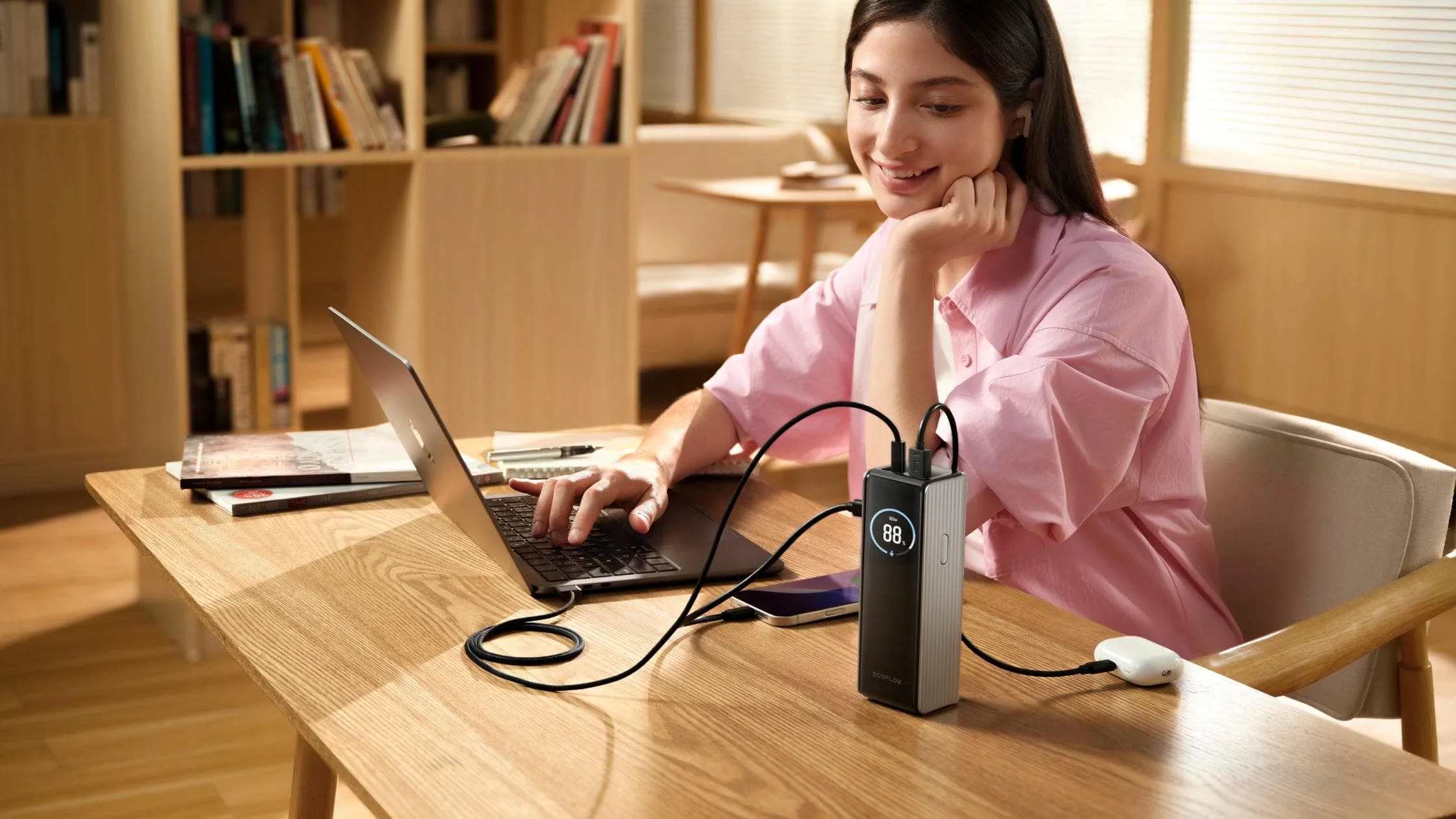
Tech accessories continue their strong showing, with smartphones and related products capturing 26% of consumer preferences. Modern lifestyles depend on staying connected and powered up. High-capacity portable chargers like the EcoFlow RAPID Power Bank (25,000mAh, 170W, 100W Built-In and Retractable Cables) solve the universal problem of dying devices, offering built-in cables for convenience and enough capacity for multiple charges. These practical gifts embody "the gift that keeps on giving," delivering years of daily usefulness.
Tips for Meaningful Christmas Gift Giving
Thoughtful Xmas gift giving starts with understanding the recipient and ends with personal touches that show you care.
Match Gifts to Individual Lifestyles
Different lifestyles require different solutions. Ideas for Christmas gifts based on lifestyle:
Frequent travelers: Portable chargers, compact travel accessories
Outdoor enthusiasts: Portable power stations, camping gear
Remote workers: Ergonomic desk accessories, quality headphones
Students: Portable chargers, organizers, gift cards
Pay attention to hints throughout the year. When someone mentions their phone always dying or expresses interest in a hobby, file that information away. These observations lead to gifts that address actual needs.
Personalize With Thoughtful Details
Personalization transforms ordinary presents into memorable ones. A handwritten card demonstrates genuine effort, especially when sharing a specific memory or explaining your gift choice.
Presentation matters, since the unwrapping experience contributes to the gift's impact, so match wrapping to the recipient's aesthetic preferences. Thoughtful combinations elevate your gift beyond a single item; a portable charger paired with a note about staying connected transforms a practical purchase into a meaningful gesture addressing both functional needs and emotional bonds.
Plan Ahead and Budget Wisely
Smart planning makes gift giving less stressful. Start shopping early to avoid the holiday rush. Spreading purchases across months helps manage your budget without financial strain.
Set realistic spending limits for each person based on your relationship and finances. Don't overspend just because it's the holidays. Creativity and attention matter more than price tags. A well-thought-out gift that costs less often means more than an expensive item chosen without care.
Start Your Meaningful Gift Giving Journey Now
The tradition of giving gifts on Christmas brings us back in touch with our traditions from centuries ago, while also giving us an opportunity to show our care for people around us. No matter what type of gifts, whether they are useful gadgets such as portable power banks, cash gifts combined with a heartfelt message, or mementos, the intention behind your gifting is what gives meaning to your gesture. This Christmas, make it count with thoughtful gifts that make a difference.
FAQs
Q1. When should I begin Christmas shopping?
Starting in October or early November puts you in a position to take advantage of the best bargains available, avoid the problems of shopping during the holidays, and even spread your expenses over several months. This is because, by that time, you would have enough time to look for what is specifically required for different individuals when giving your gifts.
Q2. How Do I Choose Between Practical and Sentimental Gifts?
Take the recipient's preferences and needs into consideration. Functional gifts, such as power banks, are ideal for a professional or a student who is always on the go. Sentimental gifts are best for people who value memories. The best way is to find a balance between the two. Give a functional gift with a heartfelt message specifying why it has been given.
Q3. Is It Better to Give One Expensive Gift or Multiple Small Gifts?
Neither approach is necessarily better than the other; it’s a matter of relationship goals. Often, one quality gift is more significant than multiple random ones, particularly when it fills a need or want. But multiple gifts might add a fun element to the process of unpacking, which can indicate that you’ve thought of a variety of things that are of interest to the other party in your relationship. Focus on thoughtfulness rather than total spending, as a well-chosen modest gift typically means more than an expensive item selected without consideration.
Q4. What Should I Do If Someone Gives Me an Expensive Gift When I Got Them Something Modest?
Accept the gift with appreciation, without apologizing for your gift in turn. The price difference doesn't reduce your thought. It is essential to take the initiative to send a thank-you note. It is inappropriate to consider "making it even" with a purchase when it connects to an exchange, which makes it unpleasant for both parties.
For press requests or interview opportunities, reach out to our media team
media.na@ecoflow.com