What Is Slow Travel? Meaning, Benefits & How to Start
What is slow travel, really, beyond a hashtag? It is the opposite of racing through a country's greatest hits in a week. If your last trip left you more exhausted than your job did, slow travel offers a different way to see the world: fewer stops, longer stays, and a lot more room to actually notice where you are.
What Is Slow Travel?
Before you can practice slow travel, it helps to know what the term actually covers and where it came from.
Core definition
Slow travel is a mindset as much as it is a style of trip. Instead of packing in as many landmarks and cities as possible, you slow the pace down, choose fewer places, and spend real time getting to know each one. It is less about ticking boxes and more about paying attention.
Roots in the Slow Food movement
The idea did not start in travel at all. It traces back to Italy in the 1980s, when Carlo Petrini launched the Slow Food movement to push back against fast food chains moving into Rome. Petrini and his supporters wanted to protect regional recipes, local farms, and the simple act of sitting down for a long meal. That same philosophy, quality over speed, eventually spread into how people travel.
The mindset shift
A tourist mindset asks how many attractions you can squeeze into a day. A slow traveler asks a different question: what does it feel like to actually live here, even briefly? That might mean spending a full week in one neighborhood instead of hopping between five cities in ten days, learning the names of the people at the corner bakery, or simply having an afternoon with nothing planned.
Among today's remote workers, this same shift has picked up its own name: slomadism, the digital nomad version of trading constant movement for staying put and actually settling in somewhere.
Once the mindset shift is clear, the natural next question is what it actually looks like in daily practice. That is where the core principles come in.
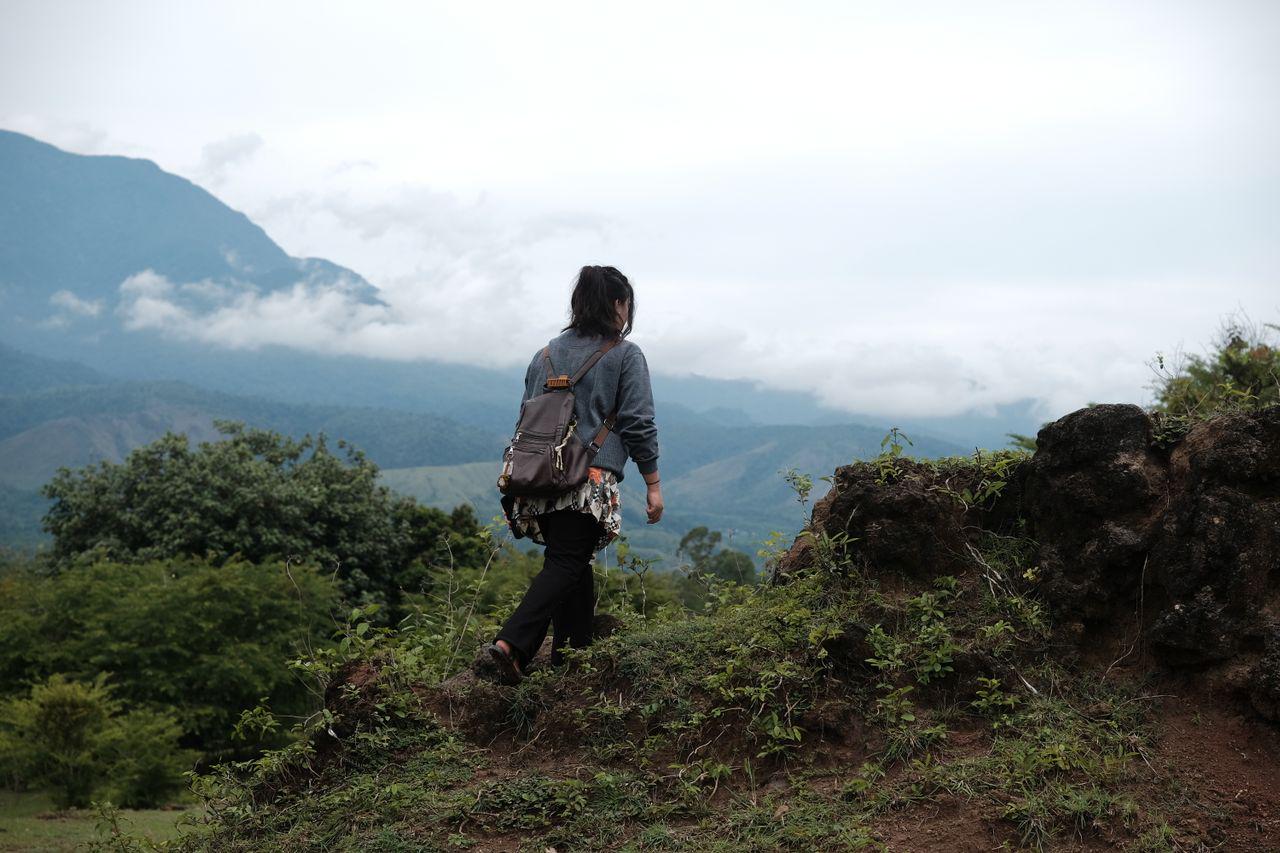
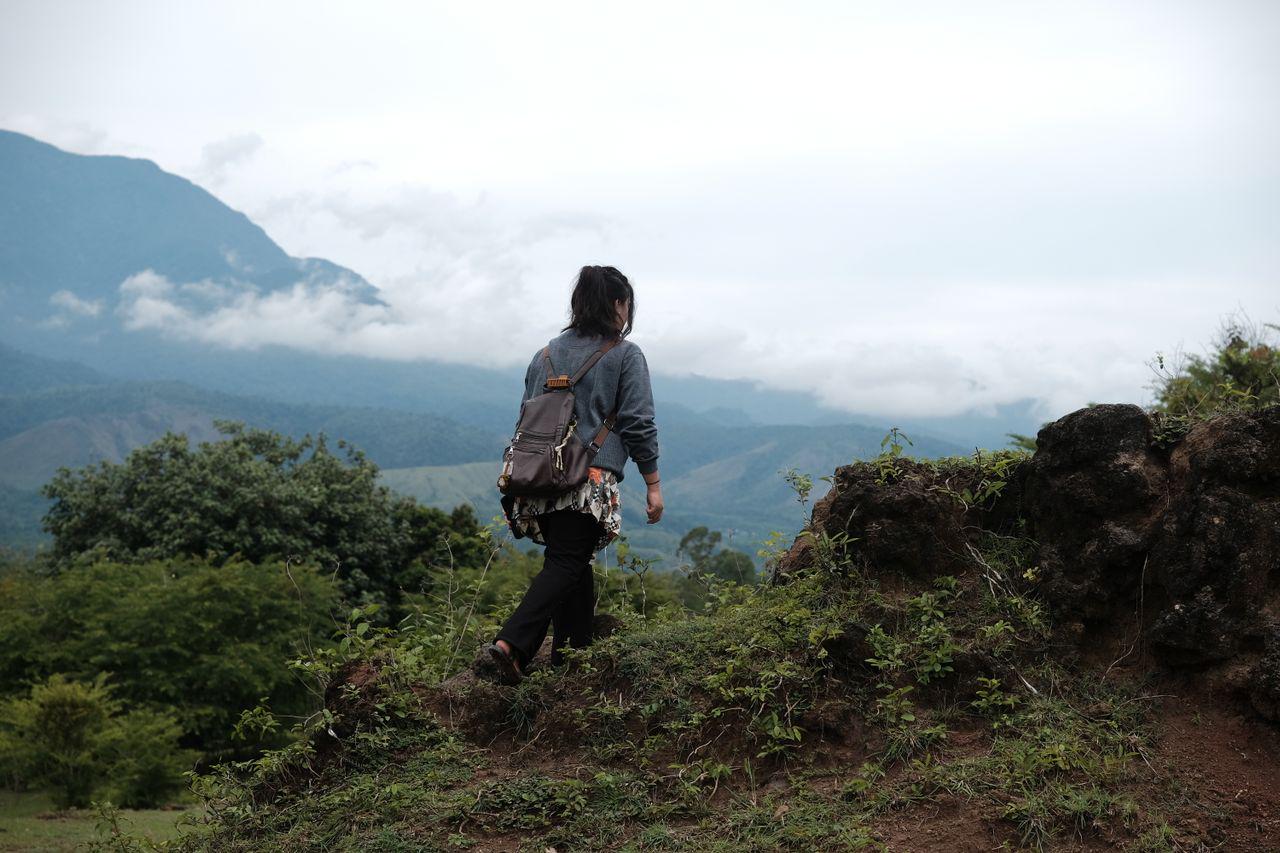
Core Principles of Slow Travel
Slow travel is not one single habit. It is a handful of choices that reinforce each other on the road.
Quality over quantity. Slow travel means picking fewer destinations and giving each one more of your time. Instead of three countries in ten days, you might spend all ten days in one region and still come home feeling like you have not seen everything, which is kind of the point.
Thoughtful journey design. A slow itinerary leaves room to breathe. Schedules stay flexible, and the trip between places matters as much as arriving. A six-hour train ride through the countryside becomes part of the experience instead of dead time to power through.
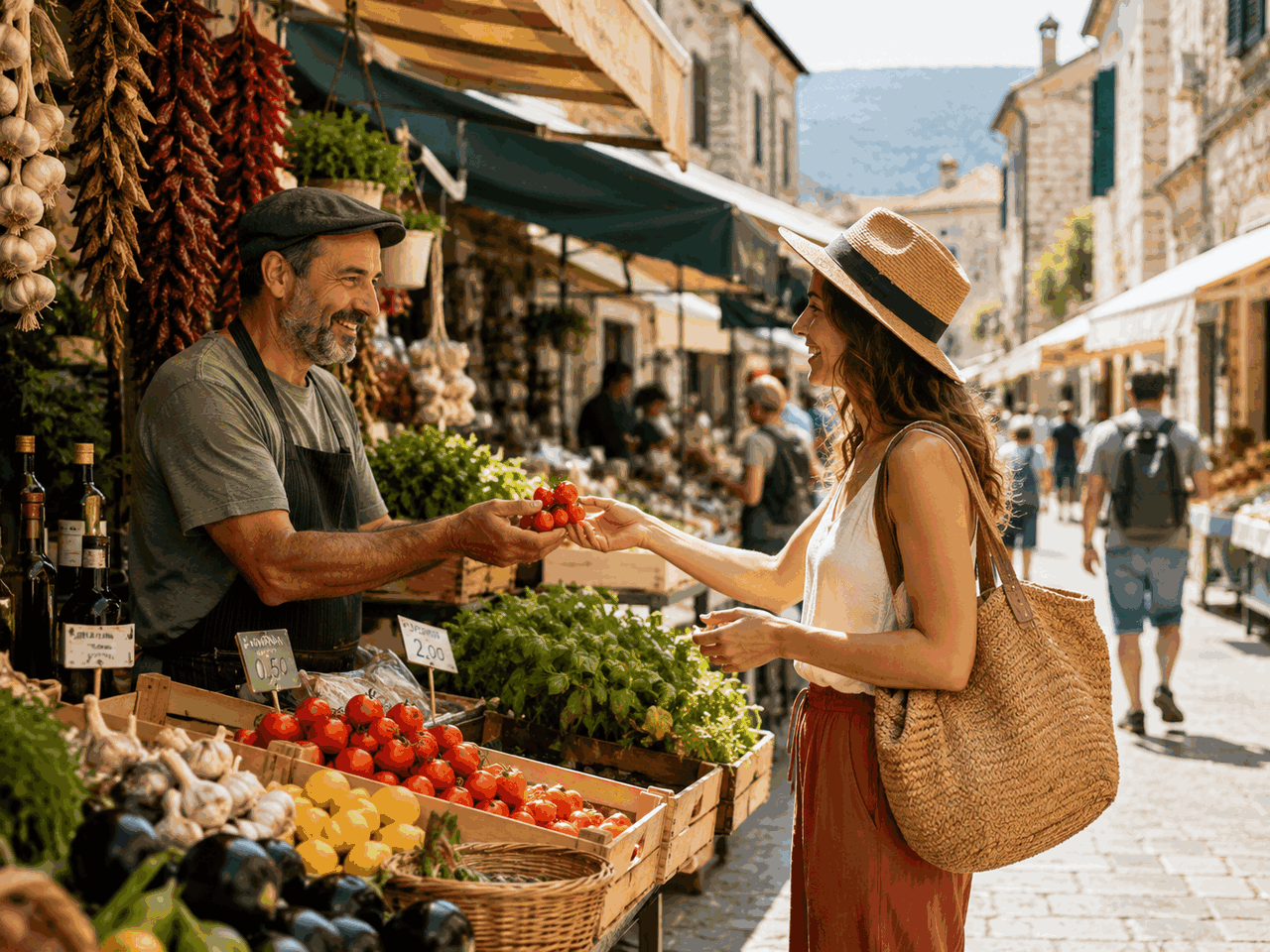
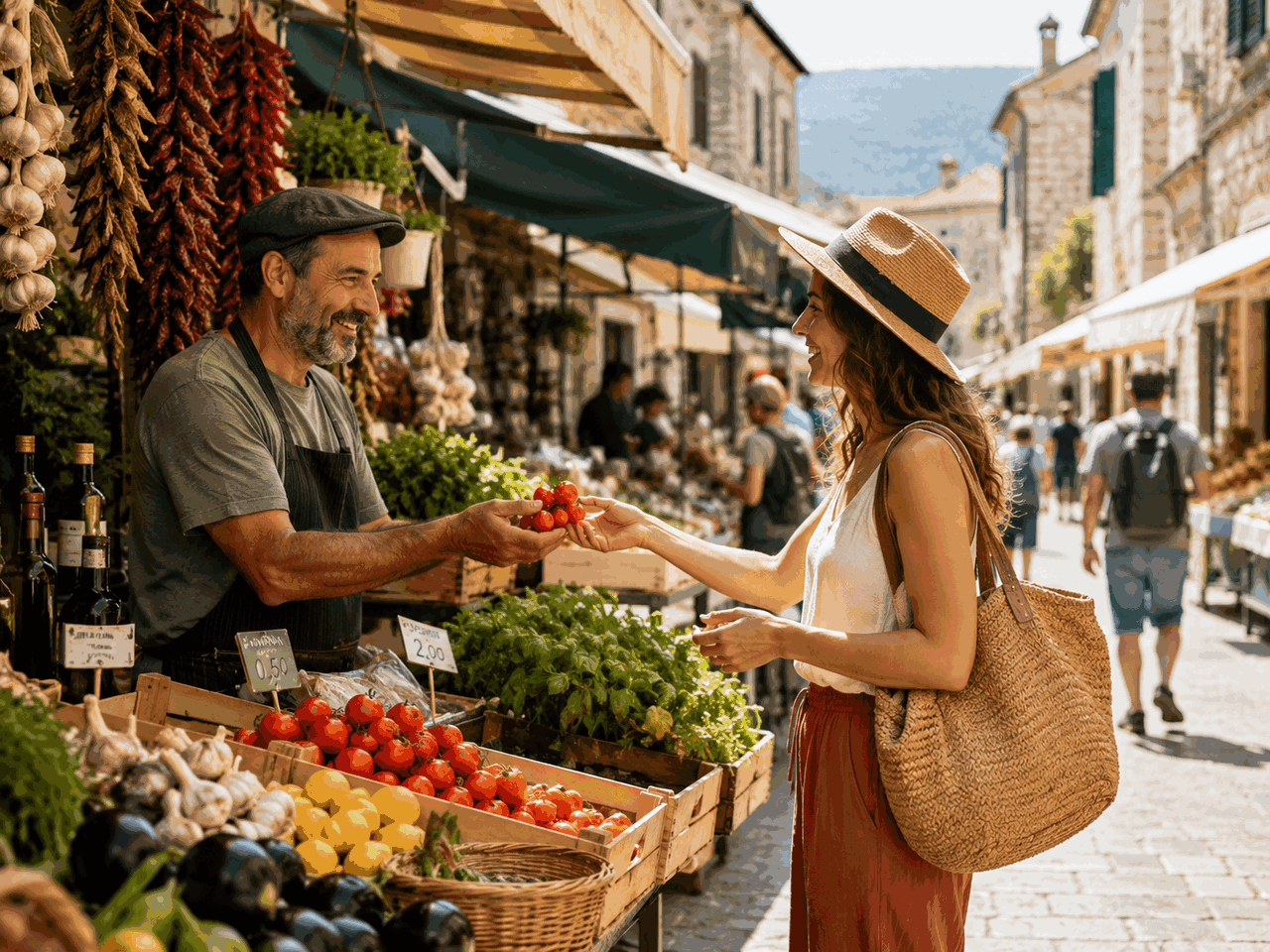
Local immersion. This is where slow travel really separates itself from a typical vacation: shopping at neighborhood markets, staying in small, locally owned accommodations, and having actual conversations with the people who live there year-round. It is the same instinct driving digital nomads to settle into a city long enough to actually live there instead of just passing through.
Sustainable mobility. Where it makes sense, slow travelers reach for trains, buses, bikes, or their own two feet over short-haul flights, and they try to cut down on unnecessary movement between stops altogether.
Mindfulness and presence. Slow travel leaves space for boredom. That is not a flaw. Unplanned moments, people watching from a park bench, noticing small details you would otherwise miss while rushing to the next photo op—these are often what people remember most.
Slow Travel | Fast Travel | |
|---|---|---|
Pace | Relaxed, unhurried | Packed, high energy |
Number of places | Few, in depth | Many, quick hits |
Transport | Trains, buses, walking | Frequent short flights |
Accommodation | Local stays, longer term | Hotels, quick turnover |
Primary goal | Connection and depth | Coverage and sightseeing |
Typical outcome | Rested, grounded | Worn out, checklist complete |
One principle above, sustainable and self-directed mobility, depends on staying untethered from fixed infrastructure. That is exactly the gap a portable power station fills for slow travelers spending extended time off the beaten path.
How Portable Power Stations Support Slow Travel
Once depth over distance is the goal, the next question is practical: how do you stay comfortable and connected somewhere off the grid for weeks at a time? A portable power station is often the piece that makes that possible.
EcoFlow DELTA 3 Classic (1024Wh): why it fits slow travel
Slow travel often means extended stays in camper vans, road trip stops, or remote rentals that are not always tied to reliable power. That is where a station like the EcoFlow DELTA 3 Classic earns its place. At 1024Wh, it strikes a workable balance between something you can actually carry and enough capacity to matter.
That flexibility matters if you're staying somewhere without a dependable outlet, and it's enough to keep a full day of remote work and daily life running without stress.
EcoFlow DELTA 3 Max (2048Wh): the step-up option
For slow travelers pushing further off-grid, sharing power across a group in a camper van or RV, or running more devices at once during longer stretches between charges, the EcoFlow DELTA 3 Max is worth the step up, doubling the capacity for sharing power across a group or running more devices at once.
It suits a vehicle setup better than a backpack, but for a couple or small group settling into one place for weeks at a time, the extra headroom is the difference between rationing power and not thinking about it at all.
With the practical question of staying powered addressed, it is worth stepping back to look at the bigger payoff: why slow travel appeals to so many people in the first place.
Key Benefits of Slow Travel
The mindset and the gear matter, but the real question is what you actually get out of traveling this way. The payoff shows up in your wallet, your stress levels, and how much of a place you take in.
Deeper cultural immersion. When you are not racing to the next destination, you actually get to know a place: its rhythms, its food, the way people spend their Sunday afternoons.
Lower stress and reduced travel burnout. Constant packing, checking out, and rushing to catch transport wears people down fast. Slow travel removes most of that friction.
Lower environmental impact. Fewer flights and more trains, buses, and walking add up to a smaller footprint, along with more time spent supporting the local economy of each place instead of passing through it.
Financial savings. Longer stays often mean lower nightly rates, home-cooked meals instead of restaurant tabs every night, and fewer flights to book. If part of that time is spent working remotely, powering a mobile workstation without relying on a wall socket every day is often what makes the whole setup sustainable long term.
Deeper connections with people. Staying somewhere for weeks instead of days gives you time to build real relationships with locals and fellow travelers, not just polite small talk in passing.
Room for mental clarity. Without a packed itinerary pulling you in five directions, there is space to actually think, journal, or just sit with your own thoughts.
Bringing more meaning to your travels. Trips built around depth instead of coverage tend to stick with people longer. A month in one place can leave a bigger mark than a whirlwind tour of ten countries.
Understanding the benefits is one thing. Actually building a slow travel habit is another. Here is how to put these principles into practice.
How to Start Slow Traveling
None of this requires a career break to try. These four shifts work whether you are planning your first slow trip or just want your next vacation to feel less like a sprint.
Choose Fewer Destinations
Pick one region or city and give it several days or weeks instead of hopping between locations every couple of nights. Use that time to explore individual neighborhoods and find the smaller spots that never make a top ten list.
Plan a Flexible Itinerary
Leave real gaps in your schedule. Book the handful of must-see attractions that matter to you, then leave the rest of your days open for whatever comes up.
Live Like a Local
Stay in locally owned guesthouses or residential neighborhoods instead of tourist-heavy hotel districts. Shop at farmers markets, take public transportation, and support small, independent businesses over chains. More travelers are getting there through home swapping, trading houses with someone abroad instead of booking a rental, which lands you in an actual residential neighborhood by default.
Travel More Sustainably
Reach for trains, buses, biking, or walking over short-haul flights whenever it is practical, and pack lighter than you think you need to. According to the traveling guide from Worldpackers, choosing these lower-carbon transport options and reducing the distance covered in a single trip can meaningfully cut a traveler's footprint.
Between choosing fewer destinations, staying flexible, living locally, and traveling sustainably, these habits build on each other into a genuinely different way of seeing the world.
Conclusion
Slow travel comes down to spending more time in fewer places so the experience actually means something. Start small: pick one destination, book a longer stay than feels comfortable at first, and bring the right gear so staying powered off the beaten path is one less thing to worry about. Whether that means a compact DELTA 3 Classic for a solo trip or a DELTA 3 Max for a longer, shared stay, the goal is the same: fewer logistics, more time to actually be where you are.
CTA: Explore the DELTA 3 Classic and DELTA 3 Max above to find the setup that fits your trip.
FAQs
What is the meaning of slow travel?
Slow travel means spending extended time in fewer places instead of rushing between many destinations. The focus is on depth, local connection, and a relaxed pace rather than covering as much ground as possible.
How is slow travel different from regular travel?
Regular travel often means packed itineraries and quick stops at major attractions. Slow travel trades that pace for longer stays, fewer destinations, and more unplanned time to actually experience daily life in a place.
How long do you need to stay for it to count as slow travel?
There is no fixed rule, but most people consider a week or longer in one place a meaningful start. What matters more than the exact number of days is the intent to slow down and connect rather than sightsee on a checklist.
Can you practice slow travel on a short vacation or with limited time off?
Yes. Even a long weekend can follow slow travel principles if you pick one neighborhood, skip the packed schedule, and leave room to wander. A compact power station like the DELTA 3 Classic makes it easy to stay flexible even on shorter trips.
Is slow travel more expensive or cheaper than fast travel?
It is often cheaper. Longer stays typically mean lower nightly rates, fewer flights, and more home-cooked meals, which usually adds up to real savings compared to a fast-paced, flight-heavy itinerary.
For press requests or interview opportunities, reach out to our media team
media.na@ecoflow.com