Home Swapping 101: A Budget-Friendly Alternative to Airbnb
The rise of remote work has opened up possibilities for people to take their work with them anywhere they go. This has made the digital nomad lifestyle increasingly popular, where people explore the world while working from their laptops. Of course, peer-to-peer accommodation options like Airbnb have played a significant role in this lifestyle shift.
However, with cleaning and platform fees continually increasing, Airbnb is no longer the bargain it once was. If you want to explore the world on a budget while working remotely, home swapping offers a budget-friendly alternative that lets you live more authentically while taking advantage of remote work.
In this article, we're going to take a look at how you can temporarily swap your home with strangers around the world. We’ll also examine the equipment you need to make remote work easier, regardless of your location. Let's explore how you can see the world through home swapping.
What Home Swapping Is - And Why It's Growing
To put it simply, home swapping involves exchanging your home for a limited period with someone else who also wants to travel. Every arrangement is a little bit different, but usually, no money changes hands. Instead, you each agree to lend the other party your property, allowing each of you to live somewhere new for a while.
While it's possible to do a home swap with friends and family, many people who want to see more of the world will exchange houses with strangers.
Home swapping offers lots of advantages over traditional vacation rentals:
Major cost savings, with no accommodation fees or cleaning charges.
Better value for longer stays, ideal for remote workers.
Usually more living space than in typical rentals.
A more real experience of how people actually live.
Encourages mutual respect, as each participant looks after the other person's property.
Many cities around the world are struggling to balance the tourist demand for vacation rentals with housing for local people. Home swapping allows you to explore these places ethically, knowing you aren't taking a home from locals.
The rise of remote work has made home swapping more popular than ever. Combined with the high cost of vacation rentals and the desire to travel in a more ethical and sustainable manner, home swapping is gaining momentum. The global home swapping market size is projected to reach around $7.2 billion in 2032, up from $2.5 billion in 2023.
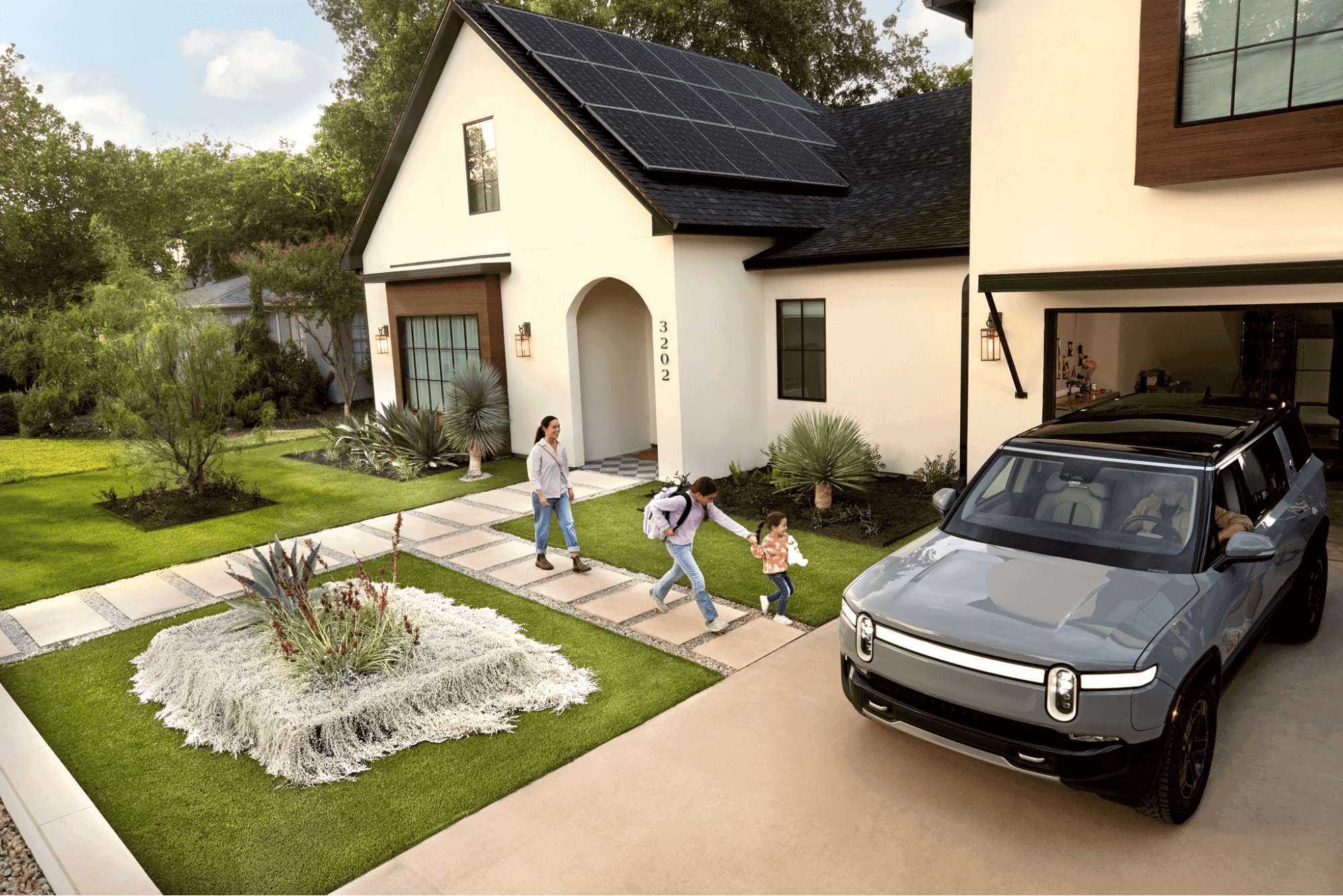
Security, Trust, and Etiquette
One of the biggest hesitations people have about trying home swapping is the idea of letting strangers into your house. It's true that arranging a home swap may require a bit more effort than booking a vacation rental.
However, lots of platforms exist to help you find and vet potential guests, including HomeExchange, People Like Us, Love Home Swap, and ThirdHome. These platforms provide review and vetting systems, allowing you to have an idea of who you’re letting into your home.
Facebook is also a good source of home swapping groups, but it doesn’t provide any kind of vetting service, so you will need to be careful about who you swap with.
Using a platform can help you verify someone's identity, check references, and see reviews. It's also important to communicate expectations in writing before you confirm the swap. Include house rules, guest policies, and any work-from-home needs you may have.
If you don't own your property, you may also need to check with your landlord before letting someone else use it.
Document your place with photographs before you let anyone inside.
Also, document the condition of the property upon arrival.
Secure personal and sensitive items in locked storage and remove documents, valuables, or anything that cannot be replaced.
Consider upgrading your access control. Temporary smart lock codes are better than physical keys, as they can be changed remotely.
Confirm your insurance coverage.
Be transparent about technology on your property, including Wi-Fi details, security systems, and any cameras you may have.
Plan for reliability issues, such as power or internet outages. Providing a portable power station like the EcoFlow DELTA Pro Ultra X can help your guests keep their devices juiced if you live in an area that’s prone to power outages.
Is Home Swapping Right for You?
Home swapping can be a great way to see the world like a local, but it isn't perfect for everyone. It's a great fit for remote workers, families, and slow travelers who want more space and lower housing costs. At the same time, it requires clear communication and some planning.
If you just want to see the popular sites of the major city, a vacation rental might be a better fit. However, you’ll pay a lot more for the convenience.
If you do plan to work remotely, reliability is everything. Having a flexible power setup, such as the EcoFlow TRAIL DC Series, can help you stay productive wherever you are. A portable power station like this one can keep all your gear charged, regardless of your location.
Frequently Asked Questions
Is Home Swapping Safe?
A successful swap requires research. Established platforms that use identity verification, reviews, and written agreements can help keep you safe. Clear communication and realistic expectations are key to ensuring a good swap for everyone.
Do I Need Special Insurance to Swap Homes?
Usually not, but it's a good idea to review your homeowner’s or renter’s insurance policy carefully. Some policies may require notification if somebody else will be staying in your house. Some home swapping platforms also offer limited guarantees or damage protection.
Is Home Swapping Cheaper Than Short-Term Rentals?
Generally, yes. Often, you won’t pay anything for a home swap, as you will be exchanging your house temporarily with someone else's. This makes it especially suitable for long-term stays.
What Happens if My Home Gets Damaged?
Minor issues are typically resolved through open communication between both parties. For larger problems, you may need to go through insurance, whether through the home swap platform you use or through your homeowner’s or renter’s insurance. This is why it's so important to document the condition of both properties beforehand and create a written agreement on responsibility expectations.
Home Swapping: The Bottom Line
Home swapping offers an affordable way to travel while working remotely, rather than burning cash on increasingly expensive Airbnbs. It also lets you see the destinations you visit through the eyes of a local, living daily life in someone else's home. It's a perfect fit for those who want to practice slow travel, see the world more ethically, or save money on longer-term stays. But how fruitful your home swapping experiences are comes down to how prepared you are. Follow these steps to stay safe and productive wherever you go.
For press requests or interview opportunities, reach out to our media team
media.na@ecoflow.com