Vertical Wind Turbines for Homes: Pros, Cons, and Energy Output Explained
- What Is a Vertical Wind Turbine?
- How Vertical Wind Turbines Work in Residential Settings
- Pros of Installing a Vertical Wind Turbine at Home
- Cons and Limitations of Residential Vertical Wind Turbines
- How Much Energy Can a Home Windmill Actually Produce?
- Are Vertical Wind Turbines Practical for Most Homes?
- Combining Wind and Solar for Reliable Home Energy
- Storing Wind Energy With Home Backup Power Systems
- Powering Your Home With Renewable Energy
Renewable energy is top of mind for homeowners who care about sustainability, and now this mindset is expanding beyond solar panels to include wind power from vertical wind turbines as a residential option.
Vertical wind turbines have a compact design, feature omnidirectional wind capture, and operate more quietly, making them worth considering as a viable option.
How much energy do vertical wind turbines actually produce, and would it be practical for your home? Get these questions and more answered below.
What Is a Vertical Wind Turbine?
A vertical wind turbine (VWT) uses blades that rotate around a vertical axis, unlike the large propeller-style horizontal turbines seen on wind farms. A large horizontal turbine won't work on a small residential property.
A VWT is designed for smaller-scale, decentralized power generation. It's much more practical for residential use than horizontal models.
However, it's still less common than horizontal turbines overall. Its popularity is increasing for home, rooftop, and urban applications, though.
How Vertical Wind Turbines Work in Residential Settings
The blades of vertical wind turbines rotate around a vertical axis, and they don't need to face the wind. A generator usually sits at the base, making it easier and safer to maintain.
There are two main designs:
The Savonius, which is S-shaped, simple, and operates at low speeds
The Darrieus, which is an eggbeater-style turbine with higher efficiency
When the wind hits the blades, it causes rotation, and this turns the generator, which produces electricity. Then the output passes through a transformer adjusted for residential use.
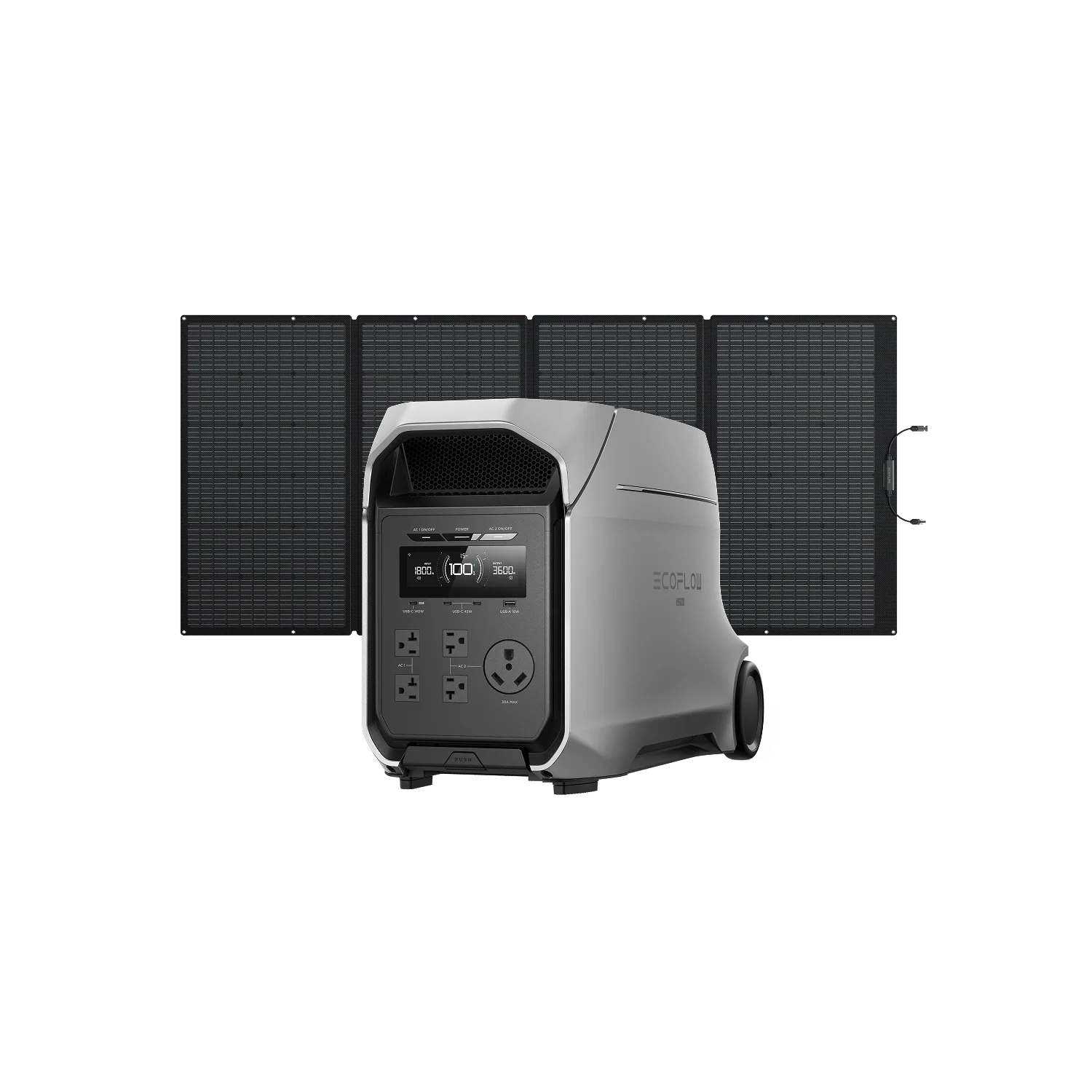
In many home setups, this energy is paired with a storage system, such as the EcoFlow DELTA 3 Ultra Plus Solar Generator (3072Wh), to make the power usable when needed.
Pros of Installing a Vertical Wind Turbine at Home
Omnidirectional without the need for repositioning
Quieter operation than horizontal turbines, which are less disruptive in residential areas
Scalable and compact enough to fit on rooftops or in smaller yards
Lower blade speed, which reduces the risk to wildlife
Ground-level generator means simpler and lower-cost maintenance
Functional in turbulent and variable weather conditions
Cons and Limitations of Residential Vertical Wind Turbines
Lower efficiency than horizontal-axis turbines, as only some blades generate torque at any given moment, depending on the wind direction, increasing the drag
Savonius models average 10–17% efficiency, and Darrieus models can reach 30–40% efficiency, compared to horizontal turbines at 40–50% efficiency
Because they're installed closer to the ground, they miss stronger winds found at higher altitudes
Vibration can occasionally increase noise levels
Output is intermittent since wind is not always available
Zoning restrictions and HOA rules can complicate or prohibit installation
How Much Energy Can a Home Windmill Actually Produce?
A VWT typically ranges from 400W to 600W capacity. This allows you to supplement your grid power, but it won't fully replace it.
According to the US Department of Energy, a typical home uses about 899 kWh per month, so you would need a 5–15 kW turbine to make a meaningful contribution.
The best way to use a home windmill is as a supplemental source alongside solar power, not a standalone energy solution.
A small VWT at around 400–600W can offset a portion of your consumption, especially your low-power appliances.
(Note that the real-world output typically runs 15–30% below manufacturer-rated specs due to variable weather and turbulence.)
The single biggest factor in how much power a VWT can produce is wind speed. If you get 12 mph winds, you can produce 70% more energy than one that averages 10 mph winds.
Are Vertical Wind Turbines Practical for Most Homes?
The homes that are best suited for VWT are those with:
Consistent wind
Minimal surrounding obstructions
Local zoning support and HOA permissions, if applicable
Urban and suburban rooftop installations can also work well
They're not a strong fit for areas with:
Low wind speeds
Dense tree cover
Neighborhoods with strict restrictions on aesthetics
Budget is also a practical consideration. The upfront costs of VWT are significant, and the long-term value will depend heavily on local conditions and available incentives.
Before investing, do a site assessment to gauge your average wind speed and turbulence profile.
Combining Wind and Solar for Reliable Home Energy
Pairing wind and solar generation can reduce gaps in your renewable energy and complement each other throughout the day and across the seasons.
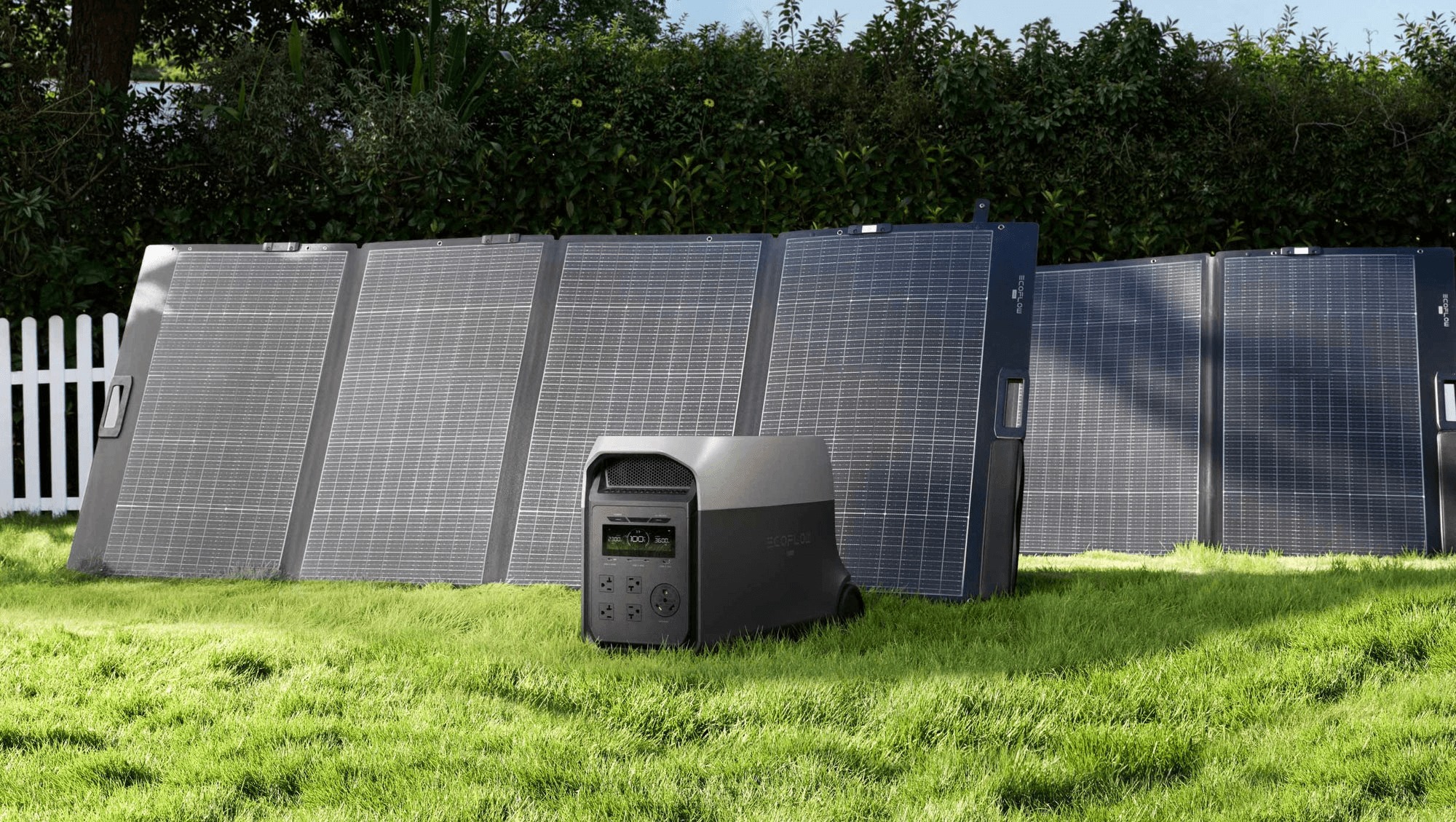
For example, pairing a solar generator like the EcoFlow DELTA 3 Ultra Plus Solar Generator (PV400W) lets you store energy from both sources and power all your home's essentials during low generation periods or short blackouts.
Wind generation tends to be stronger in the morning, evening, and winter months, which naturally fills demand when solar output is at its lowest. With both VWT and solar sources feeding into storage, a hybrid power setup reduces your dependence on the grid and builds year-round energy resilience.
Storing Wind Energy With Home Backup Power Systems
Since wind energy is intermittent and can be variable, storing the excess power you generate makes it more usable when generation drops.
Use a home battery system to capture excess generation and use it on demand when needed. A whole-home backup power solution that captures and retains wind and solar energy can cover all your critical loads, such as refrigeration, lighting, and medical devices.
Battery storage is the key to bridging the gap from when your energy is produced and when it's needed most.
Powering Your Home With Renewable Energy
Vertical wind turbines could be a viable supplemental renewable energy source for certain homes and locations, but they still work best when combined with solar and backed by reliable energy storage, like the EcoFlow DELTA Pro Ultra X.
If resilient home energy is your goal, layering your generation sources and backing them up with reliable storage is better than depending on any single technology.
For press requests or interview opportunities, reach out to our media team
media.na@ecoflow.com