Ultralight Fishing (Tenkara): Minimalism on the Water
These days, nearly everyone is seeking to escape the overconsumption culture and pursue simple, more minimalistic lifestyles, including anglers.
Fishing is a favorite pastime for many, but modern technology has overwhelmed the simplicity and quiet nature of the hobby. If you feel like this, then Tenkara might be the solution. Only three pieces of equipment are needed to get started, providing much-needed relief from modern fishing practices.
Keep reading to learn what Tenkara fishing is, what you need to get started, and learn beginner-friendly tips.
What Is Tenkara Fishing and Why Is It Unique?
Tenkara is a Japanese style of fly fishing that originated in remote mountain villages, where fishermen relied on simple, self-made tools. Early Tenkara relied on bamboo rods and horsehair, all local materials. The technique used a fixed line approach since reels weren’t available. Even without fancy equipment, Tenkara proved to be an effective fishing approach for generations.
Today, fishing has evolved into an overwhelming hobby with expensive accessories. However, the modern Tenkara technique still emphasizes simplicity. Tenkara rods are long, flexible rods that mimic the original bamboo rods. There is no reel, and anglers are still opting for a fixed line. These days, there are many lines and flies to choose from, but the traditional one-fly philosophy holds strong. Instead of casting multiple flies, only one is sent out.
Prioritizing simplicity over modern equipment makes Tenkara a unique fishing experience, putting an angler’s skill to the test rather than their equipment.
The Core Tenkara Fishing Gear: What You Actually Need
You only need three things to get started.
Rod: Tenkara rods are long, 11 to 14 feet, and lightweight, typically carbon fiber. Portable rods collapse to a fraction of their total size.
Line: There are two types of line for this fishing style: level and furled. Level lines are thin, lightweight, fluorocarbon lines. They increase sensitivity and line control. Furled lines are multiple lines braided together for a less sensitive cast, but are more likely to turn over flies.
Fly: Kebari flies are traditionally used. They emphasize movement and presentation instead of imitating insects. A small array of patterns is all you need to get started.
Extreme minimalists only bring the essential three. If that feels too simple, don’t hesitate to pack a little heavier for peace of mind:
Tenkara rod tip repair kit with spare tip sections and adhesive
A map and a compass
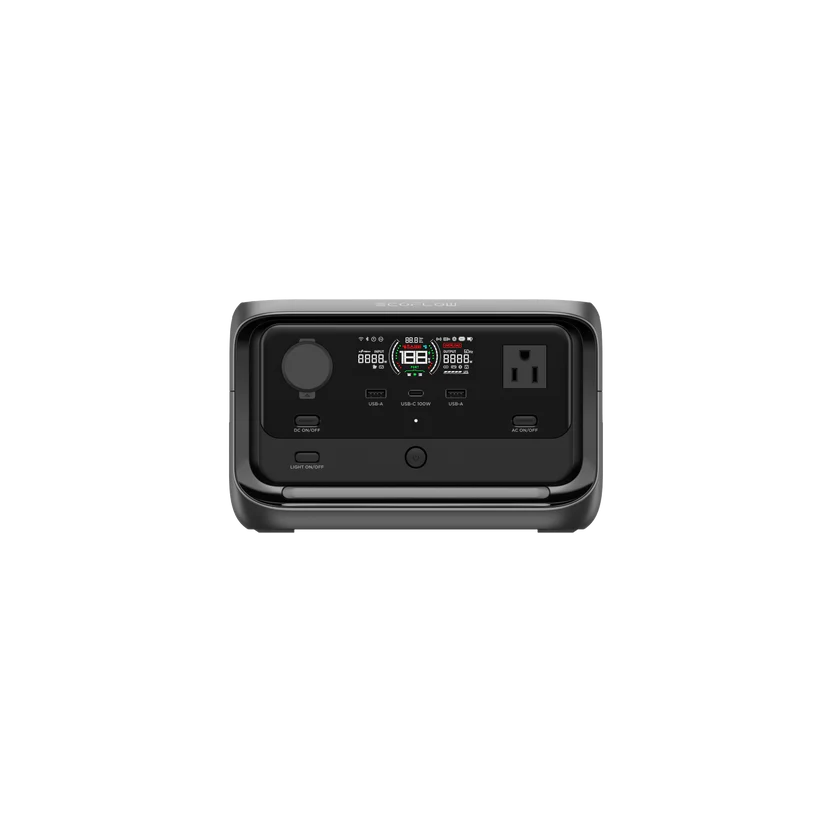
EcoFlow RIVER 3 Plus Portable Power Station to quickly recharge phones and other electronic devices
Food reserves
Plenty of water
Chapstick, bug spray, sunscreen
Emergency fire source
A raincoat as a quick shelter
A utility knife that’s able to cut fishing line
Small first aid kit
Why Tenkara Is Perfect for Hikers and Backpackers
Hiking and backpacking require light packing, and anything packed in must be packed out. If you’re an avid fisher and explorer, and your trail takes you past water, a Tenkara rod is easy to quickly pull out and see what you catch. Even in cold weather, fish are still out, ready to bite.
Tenkara rods are traditionally long poles, but modern ones collapse into a manageable, portable size perfect for backpacks. With minimal gear requirements, it’s easy to pack for any and every adventure.
Tenkara Fishing Tips for Beginners
Take a lesson. Tenkara is different than regular fishing. Even if you’re an experienced angler, a class will help you learn the specific casting, presenting, and reeling techniques.
Protect your tip from breakage. Keep the rod retracted while attaching the line to protect it from tension while you tie. Carefully extend the rod by pulling one section at a time.
Start with a shorter line. At first, a shorter line lets you master fly placement and movement. As you gain experience, lengthen the line.
Fish as much as possible. Practice is the only way you’ll become a great Tenkara fisher. You need to practice casting, presentation, and manipulation skills to master them. Try out different methods for each technique.
Only go minimal if you want. Don’t get caught up in the minimalism race when building your pack. Peace of mind is more important than packing less because other people are. In your pack, have extra food, safety equipment, and a backup power solution.
Remember to be stealthy. The line is shorter than typical fishing line, so you’re much closer to the fish. In the beginning, try casting closer to yourself, then work the line out farther. This way, fish further out aren't scared away immediately.
Try a different fly presentation. With Tenkara, fly presentation is everything, so you can imagine there’s plenty of style to test out. Don’t settle on a favorite right away. Build your mental toolbox so you always have options.
Frequently Asked Questions
What Are the Benefits of Tenkara Fishing?
Tenkara fishing is simpler than other styles of fishing. The lack of gear and focus on skill make this fishing style accessible to everyone. It’s easy to set up a Tenkara rod and immediately have a line cast. With fewer components, there are fewer things to break and repair.
Is Tenkara Good for Beginners?
Absolutely, Tenkara is perfect for beginners. The fixed-length fishing line and other simple components eliminate the need for complex gear learning curves. New anglers can focus on and master the best parts of fishing. Water reading, fly presentation, and accurate casting are transferable skills for any fishing style.
Tenkara Fishing Connects Anglers to Water Through Minimalism
Tenkara is a back-to-the-basics style of fishing. It originated in Japan, but over the years became known across the world. Those interested in this technique to develop their fishing skills or to escape the complexity of other fishing styles only need three pieces of equipment to get started: a rod, line, and a fly. That’s it.
While the technique focuses on minimalism, you don’t have to pack the bare basics to start. Include food, water, safety kits, and emergency supplies in your pack. EcoFlow portable power stations add peace of mind while off-grid with reliable, portable electricity to keep any electronic powered.
For press requests or interview opportunities, reach out to our media team
media.na@ecoflow.com